 Ulike ReGlow Pro★ 5.0 (511)


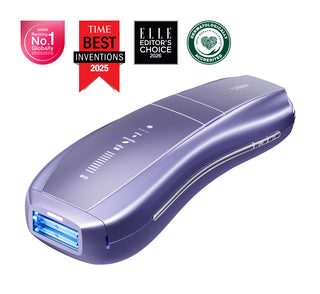
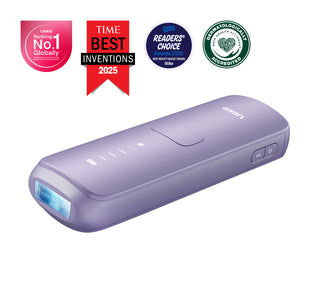


Table of Contents
Let’s start with the frustrating part: an ingrown hair can return even when you shave carefully, exfoliate, or switch razors. That happens because temporary removal changes the hair above or below the skin without stopping the follicle from producing another strand. If the new hair curls or grows sideways, another bump may form.
Using laser to remove ingrown hair can interrupt that cycle by reducing future hair growth. It is mainly a preventive approach, not a way to pull out a hair that is already trapped. This guide explains how professional laser treatment works, where it may help, how many sessions are common, and whether at-home IPL offers a practical alternative.

Table of Contents:
- Part 1: Quick Answer: Does Laser Hair Removal Remove Ingrown Hairs?
- Part 2: Why Do Ingrown Hairs Keep Coming Back?
- Part 3: How Does Laser Hair Removal Help With Ingrown Hairs?
- Part 4: Where Can Laser Hair Removal Help Prevent Ingrown Hairs?
- Part 5: How Many Laser Sessions Do You Need for Ingrown Hairs?
- Part 6: What to Expect During Laser Hair Removal for Ingrown Hairs
- Part 7: Can At-Home IPL Help With Ingrown Hairs?
- Part 8: Recommended At-Home IPL Options for Ingrown-Hair-Prone Skin
- Part 9: Conclusion
- Part 10: Frequently Asked Questions
Part 1: Quick Answer: Does Laser Hair Removal Remove Ingrown Hairs?
In short, laser hair removal can reduce recurring ingrown hairs by damaging hair follicles and limiting future regrowth. It does not usually release a hair that is already trapped, but fewer and finer hairs mean fewer opportunities for new bumps to develop. So, does laser hair removal remove ingrown hairs? It helps prevent them rather than directly extracting them.
Part 2: Why Do Ingrown Hairs Keep Coming Back?
To understand the pattern, it helps to look beneath the bump. The connection between laser hair removal and ingrown hairs starts with how each strand grows and what happens when common removal methods cut or pull it.
How Hairs Become Trapped Beneath the Skin
First, picture a new hair trying to exit the follicle. It may grow sideways under dead skin or emerge and curve back into the surface. Curved follicles and sharp, freshly shaved tips can make this re-entry more likely. Your skin then reacts to the strand like a foreign object, creating redness, itching, tenderness, or a small pus-filled bump.
Why Shaving, Waxing, and Plucking Can Trigger Ingrown Hairs
Next, consider what each removal method leaves behind. Shaving can create a sharp tip, especially when you shave very close or pull the skin tight. Waxing and plucking remove the strand from the root, but the replacement hair may struggle to pass through the follicle opening. Repeated irritation, friction, and dead-skin buildup can make that path even harder to navigate.
Curly or Coarse Hair and Other Risk Factors
Most importantly, hair shape affects its route. Tightly curled or coarse hair is more likely to bend toward the skin instead of growing straight outward. Close shaving, dull blades, tight clothing, and friction in areas such as the beard or bikini line can raise the risk. Hormonal changes may also increase dense or coarse growth, which creates more chances for recurring ingrown hairs.
Part 3: How Does Laser Hair Removal Help With Ingrown Hairs?
Laser hair removal does not pull out an ingrown hair that is already trapped beneath the skin. Its main benefit is reducing future hair growth, which leaves fewer hairs that can curl back into the skin and form new bumps.
Laser Energy Targets the Hair Follicle
At the treatment stage, a professional device sends concentrated light into the pigment in a hair. That light becomes heat and damages the follicle, slowing its ability to produce another strand. Laser hair removal reduces growth rather than promising that every hair is permanently gone. It works best when the provider matches the laser and settings to the person’s hair and skin color.
Reduced Regrowth Means Fewer Hairs Can Become Ingrown
From there, the benefit is simple: a follicle that stops producing hair cannot create another ingrown strand. Other treated follicles may grow less often, leaving fewer hairs available to curl back into the skin. Clinics may describe this goal as laser ingrown hair removal, although the treatment targets the source of regrowth rather than digging out an existing trapped hair.
How Thinner, Slower Regrowth May Reduce Razor Bumps over Time
Over several sessions, returning hairs often become finer, lighter, or slower-growing. That can reduce how frequently you need to shave and how much friction the skin experiences. It may also lower the chance of pseudofolliculitis barbae, commonly called razor bumps. Results vary, so think in terms of long-term hair reduction and easier skin management rather than an instant cure.
Part 4: Where Can Laser Hair Removal Help Prevent Ingrown Hairs?
With the mechanism clear, the next question is location. Professional laser treatment can help on several areas that regularly experience close shaving, friction, or coarse regrowth, provided the skin is suitable and healthy enough to treat.
Bikini and Pubic Area
Around the bikini line, coarse hair, snug clothing, sweat, and repeated shaving can create a stubborn cycle of bumps. Laser treatment may reduce growth on appropriate external skin, including the bikini line and parts of the mons pubis approved by the provider. It should not be applied to mucosal or internal genital tissue. Tell the clinician about inflamed, infected, or broken skin before treatment.
Face, Beard, and Neck
On the face and neck, tightly curled beard hair may turn back into the skin after a close shave. Choose a clinician experienced in laser hair removal for ingrown hair, particularly if you have brown or Black skin, because the laser type and settings affect safety. Laser can also shape or thin beard growth, so discuss the exact area before starting.
Underarms
Similarly, underarms combine coarse growth with moisture, friction, deodorant, and frequent shaving. Reducing the number and thickness of hairs can mean fewer opportunities for painful bumps. The skin may feel sensitive immediately after a session, so pause fragranced deodorants or harsh acids if your provider recommends it. Wait for irritation to settle before resuming products that sting or exfoliate.
Legs
For legs, laser treatment is useful when widespread shaving or waxing leads to scattered bumps and dark marks. The area takes longer to treat than the upper lip or underarms, but fewer regrowing hairs may simplify the routine. Sun exposure matters here: avoid tanning around appointments and use broad-spectrum SPF 30 or higher on exposed treated skin as directed by your clinician.
Part 5: How Many Laser Sessions Do You Need for Ingrown Hairs?
One appointment cannot target every follicle effectively because hairs are at different stages of the growth cycle.
Most people need a series of treatments spaced several weeks apart. Mayo Clinic notes that four to eight treatments are common for laser hair removal, although the exact number depends on the treatment area, hair density and color, skin tone, hormones, and how your hair responds.
You may notice fewer ingrown hairs before completing the initial course as overall regrowth decreases. Facial or hormone-influenced hair may need more ongoing maintenance than some body areas, so your provider should adjust the schedule to your response rather than relying on a fixed number of sessions.
Part 6: What to Expect During Laser Hair Removal for Ingrown Hairs
Once you book a consultation, the process becomes fairly predictable. A careful plan covers preparation, eye protection, appropriate settings, aftercare, and a schedule based on how your hair responds.
Preparing the Treatment Area
Before the session, follow the clinic’s instructions closely. You will typically stop waxing, plucking, or electrolysis for at least four weeks so target hairs remain in their follicles. Shave the area the day before unless told otherwise. Avoid tanning and use broad-spectrum SPF 30 or higher. Share your medications, skin conditions, recent sun exposure, and history of raised scars during the consultation.
What the Laser Treatment Feels Like
During treatment, you will wear protective eyewear while the provider places a handheld device against the skin. Each pulse may feel like a quick snap or a brief wave of heat. Built-in cooling, chilled air, gel, or a cooled tip can make the process more comfortable. A small facial area may take minutes, while both legs can take much longer.
Redness, Shedding, and Early Changes After Treatment
Right afterward, mild redness, warmth, or swelling around follicles is common and often settles within hours. A cool compress may ease discomfort. Treated hairs do not vanish at once; they usually shed over several days or weeks. Avoid picking at bumps or pulling loose hairs. Contact the clinic if you develop blistering, marked pain, crusting, or signs of infection.
Maintenance Treatments and Long-Term Results
Later, some follicles may recover or new growth may appear because of hormones. Maintenance sessions can help keep that growth under control. A good ingrown hair laser hair removal plan should track both hair density and skin changes, including fewer bumps or dark marks. Regrowth is often finer, but outcomes differ by treatment area, biology, and consistency.
Part 7: Can At-Home IPL Help With Ingrown Hairs?
For home users, IPL hair removal devices can offer another route to gradual hair reduction. It uses broad-spectrum pulses rather than the single focused wavelength used by a professional laser.
With consistent use, IPL may reduce how much compatible hair grows back, which can lower the chance of future ingrown strands. It does not treat infection, open skin, or a trapped hair directly. Results depend strongly on the contrast between skin tone and hair pigment; many devices work poorly on light blonde, red, gray, or white hair and may not suit deeper skin tones.
Check the device’s compatibility chart, patch-test as directed, shave before treatment, and follow its schedule. Avoid flashing over tattoos, dark spots, open bumps, or prohibited intimate areas. If bumps are painful, widespread, infected, or leaving scars, seek medical advice before using IPL.
Part 8: Recommended At-Home IPL Options for Ingrown-Hair-Prone Skin
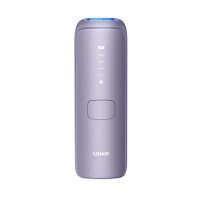
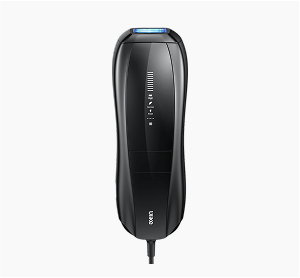
If recurring ingrown hairs are linked to frequent shaving or coarse regrowth, an at-home laser hair removal machine can help reduce the amount of hair that grows back over time. For larger or frequently treated areas such as the underarms, bikini line, and legs, the right device can also make regular at-home sessions easier to maintain.
Here are two Ulike options worth considering:
Ulike Air 10 — For Stubborn, Coarse Regrowth
For dense or persistent hair, the Ulike Air 10 combines higher-output IPL with smart skin sensing and cooling. It is particularly well suited to coarse-hair areas such as the underarms and bikini line, where reducing regrowth can also mean fewer hairs available to become ingrown.
- 26J SHR treatment for stubborn hair: SHR delivers 26J across a four-pulse burst to target resilient growth, while Fast, Normal, and High modes give you additional options for different hair types and treatment areas.
- SkinSensor for automatic adjustment: SkinSensor detects your skin tone and automatically adjusts the energy output, helping take some of the guesswork out of choosing an appropriate treatment intensity.
- Sapphire Ice Cooling: The treatment surface stays at around 65°F, helping manage heat and make repeated IPL sessions more comfortable on sensitive or friction-prone areas.
- 10-minute full-body treatment: AutoGlide provides continuous flashes for faster coverage across larger areas such as the legs, arms, chest, and back, with a full-body treatment time of about 10 minutes.

Ulike Air 4 — For a Flexible Everyday IPL Routine
The Ulike Air 4 is a versatile option if you treat several areas with different types of regrowth. Its four modes range from fine-hair touch-ups to multi-pulse treatment for coarse hair, making it easy to adapt the same device to different parts of your routine.
- Four modes for different hair types: Soft mode is suited to fine hair and touch-ups, Body mode balances output for fine-to-normal growth, Power mode increases intensity for thicker hair, and USHR uses multi-pulse treatment for coarse, stubborn hair.
- Up to 24J output: Air 4 reaches 24J maximum energy with an energy density of 7.2J/cm², giving it useful range for both regular maintenance and thicker growth.
- Fast coverage for larger areas: The fastest flash interval is 0.4 seconds, and AutoGlide lets you press once and continue flashing as you move across the skin. A full-body treatment takes around 12 minutes.
- Cooling throughout longer sessions: Sapphire Ice Cooling maintains the flash window at around 64.4°F for up to 30 minutes, helping keep repeated treatments comfortable when you are covering several areas.

Part 9: Conclusion
Ultimately, the right approach depends on whether you need medical treatment for active bumps or long-term control of the hair causing them. See a healthcare professional when an ingrown hair keeps returning, becomes infected, produces significant pain, or leaves raised scars or persistent discoloration. Treating inflammation first may be safer than flashing or lasering irritated skin.
If your main problem is repeated regrowth after shaving or waxing, using laser to remove ingrown hair may reduce future bumps by lowering the amount and thickness of hair. Professional laser offers tailored treatment, while compatible at-home IPL supports a private routine. Whichever route you choose, realistic expectations, correct skin-tone matching, and consistent aftercare matter more than chasing immediate results.
Part 10: Frequently Asked Questions
Q1: Is it okay to do laser hair removal with ingrown hairs?
Yes, laser hair removal can often be performed when you have uncomplicated ingrown hairs. By reducing future growth, it may lower the chance of new hairs curling back into the skin, but it does not guarantee permanent prevention. If the area is open, severely inflamed, draining pus, or appears infected, let the clinician examine it first; treatment may be postponed until the skin heals.
Q2: Why am I still getting ingrowns after laser?
You can still develop ingrown hairs after laser because one session affects only follicles in a treatable growth stage. Untreated follicles may continue producing hair, while treated hairs shed over several days or weeks. Regrowth can also occur because of hormones or incomplete reduction. Finishing the recommended course, avoiding picking, and following gentle exfoliation advice may gradually reduce recurring bumps.
Q3: Is it good to do laser hair removal on the pubic area?
Yes, professional laser hair removal can be suitable for the external pubic area, including the bikini line, when performed by a trained provider. It may provide long-term reduction in coarse growth and decrease shaving-related irritation or ingrown hairs. Multiple sessions are needed, and temporary redness, swelling, or pigment changes can occur. Treatment should avoid internal genital or mucosal tissue.
Q4: Can you laser over an active ingrown hair?
Do not assume every active ingrown hair can be lasered safely. A small, closed bump may be treatable after the provider examines it, but laser does not directly extract the trapped hair or reliably calm active inflammation. Treatment should be postponed over open skin, bleeding, significant swelling, pus, or suspected infection until a qualified clinician confirms the area is ready.