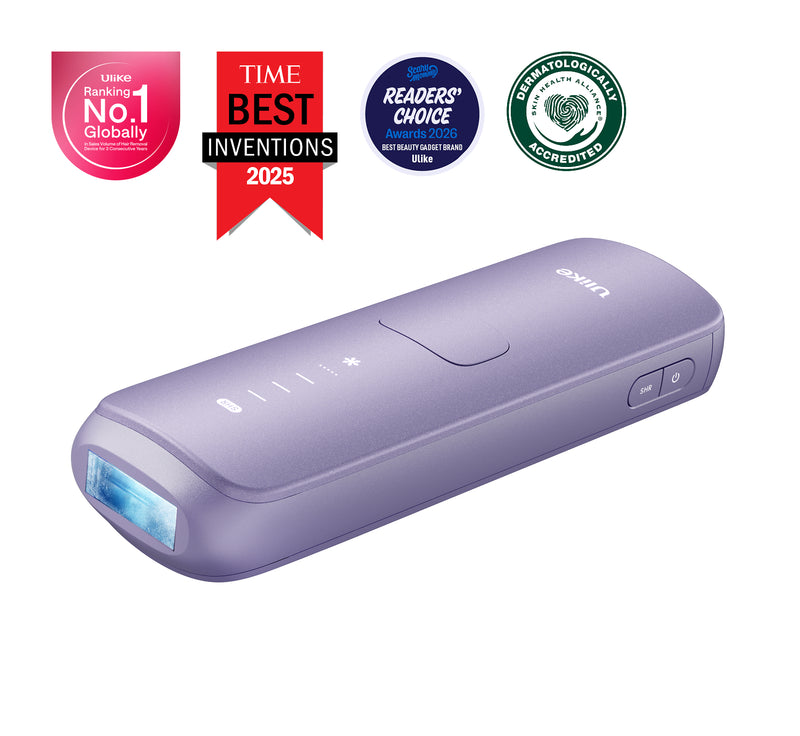
 Ulike ReGlow Pro★ 5.0 (511)




Table of Contents
Freckles are one of the most common reasons people ask about Intense Pulsed Light, but the answer is not a simple yes. As a non-invasive skin treatment, this procedure can fade true freckles and some spots caused by sun damage, yet it can also miss the mark if the spot is something else. That matters because not every form of hyperpigmentation is a simple freckle, and changing lesions should be checked by a dermatologist before treatment. If you are considering IPL freckles treatment, the safest answer depends on the exact spot, your skin tone, and your medical history.
Key Takeaways
- Diagnosis is Paramount: Not all pigmented spots are freckles; it is essential to have a dermatologist evaluate any new, changing, or irregular marks before attempting IPL treatment.
- Targeted Technology: IPL works through selective photothermolysis, using light energy to heat and break down melanin in flat, surface-level sun spots.
- Gradual Improvement: Most individuals require a series of three to six sessions to achieve noticeable results, as the process typically involves gradual fading rather than immediate removal.
- Skin Type Considerations: IPL is most effective and safest for fair skin tones with light brown, sun-induced spots, whereas other skin types or deeper pigment issues may require different approaches to avoid complications.
How IPL targets pigment
Intense Pulsed Light uses a broad spectrum of light rather than a single laser wavelength. When the device is used, light energy is emitted across various wavelengths that are specifically absorbed by the melanin in your freckles and sun spots. This process relies on selective photothermolysis, where the light is converted into heat to target the high pigment concentration within the skin cells. As heat builds up in these pigmented cells, the body naturally works to break down and clear the damaged pigment over time.
Beyond simply targeting spots, this form of photorejuvenation can also provide secondary benefits, such as stimulating collagen production for a smoother skin texture. That is why this technology works best on flat, brown spots located near the skin surface. It is less effective for deep pigment, raised lesions, or marks that do not share the same characteristics as freckles. If you want a plain-language explanation of the technology, how IPL skin rejuvenation works is a helpful starting point.
A clinical study on facial freckles found strong improvement after IPL, with high patient satisfaction. You can review a clinical study on facial freckles for the details. Even so, study results do not mean every freckle type, skin tone, or spot location will respond the same way.
IPL can help with freckles, but only when the spot is the right kind of pigment.
Which spots are usually a good fit?
An IPL freckles treatment tends to work best when the spots are light brown, flat, and clearly caused by sun exposure. Fair-skinned individuals are often the best candidates because there is less surrounding pigment in their skin tone for the light to hit, which lowers the overall risk of side effects.
A quick comparison helps.
| Spot type | IPL fit | Why |
|---|---|---|
| True freckles | Often a good fit | Pigment is usually shallow |
| Age spots or dark spots | Often a good fit | IPL can target surface melanin |
| Moles and birthmarks | Not a good fit | Need a medical exam first |
| New or changing marks | Not a good fit | They need diagnosis first |
| Melasma | Sometimes a poor fit | It can darken or return |
This is why accurate diagnosis matters so much. A spot that looks like a freckle may be a mole, an age spot, or something else entirely. If the mark is irregular, itches, bleeds, crusts, or changes in size or color, stop and get it checked by a dermatologist.

Before treating anything at home or in a clinic, look closely at the spot. If it has changed, a professional should see it first.
DermNet's IPL guidance also notes that correct diagnosis comes before treatment. That is the safest order, because the device can treat pigment, but it cannot tell you what the pigment is.
What results and side effects to expect
Most people do not see one-and-done results. IPL freckles treatment often takes three to six sessions, spaced several weeks apart, and some people need touch-ups later. While laser therapy and chemical peels are common alternatives, many patients choose IPL because it offers minimal discomfort and very little downtime. During the procedure, spots may darken first, then fade as the skin sheds the pigment.
That can surprise first-time users. The process is usually more like dusting a stained shirt than repainting a wall, so you may see gradual fading rather than a sudden erase. Beyond targeting freckles, many patients notice that their overall skin texture improves and the appearance of acne scars begins to diminish.
Common short-term side effects include redness, warmth, mild swelling, darkening of the treated spots, and temporary dryness or flaking. These effects usually settle within a few hours to a few days. More serious complications are less common, but they matter. Burns, blistering, post-inflammatory hyperpigmentation, and lighter patches can happen, especially with higher settings or if the device is not calibrated to your specific skin type. For that reason, patch testing and choosing settings appropriate for your skin type are smart choices.
The IPL photofacial procedure guide gives a useful overview of treatment planning. Even so, your provider should tailor the plan to your skin, not the other way around.
A few habits lower the risk:
- Avoid tanning before and after treatment.
- Use daily sunscreen.
- Tell your provider about photosensitizing medications.
- Follow aftercare instructions closely.
Your skin also needs time between sessions. Rushing the process can raise the chance of irritation and uneven results. If you have a history of pigment changes after acne, shaving, or heat exposure, bring that up early so your provider can adjust the treatment to complement your natural skin tone.
When to choose a dermatologist first
If you are unsure whether a spot is a freckle, do not guess. Scheduling an appointment with a dermatologist is the most important step for an accurate diagnosis before pursuing any cosmetic procedures.
See a dermatologist before your session if the mark shows the following characteristics:
- It is new or rapidly changing
- It has an irregular shape or color
- It is itchy, painful, crusting, or bleeding
- It appears significantly darker than your other freckles
- It is in an area with a history of skin cancer concern
This professional assessment is especially important if you have a deeper skin tone or a history of pigment changes after minor skin irritation, as these factors decrease the margin for error. A qualified professional can determine if a light-based procedure, an alternative skin treatment, or no intervention at all is the safest path forward.
If you want a broader look at the treatment itself, IPL photofacial benefits and suitability is useful background. The key point remains the same, however; diagnosis must come first, while Intense Pulsed Light treatment should only follow once a professional has cleared your skin.
Frequently Asked Questions
Can IPL permanently remove my freckles?
IPL can effectively fade or remove existing sun-induced freckles, but it does not prevent new ones from forming. If you continue to have unprotected sun exposure, the melanin in your skin will likely produce new spots over time.
Is IPL safe for everyone?
IPL is not suitable for everyone, particularly those with very dark skin tones or certain medical conditions that cause photosensitivity. You should always consult with a professional to perform a patch test and determine if the treatment settings are safe for your specific skin type.
What should I do if a spot looks suspicious after treatment?
If a spot begins to bleed, crust, change color rapidly, or become itchy after you have started treatment, you should stop immediately and see a dermatologist. These symptoms could indicate an underlying issue that requires medical evaluation rather than cosmetic correction.
How long does it take to see results?
While some people notice a slight difference after one session, most patients require multiple treatments spaced several weeks apart for significant fading. During the healing process, you may observe the spots darkening temporarily before they eventually flake off or fade.
Conclusion
IPL freckles treatment can be an effective option for addressing sun spots, particularly when the pigment is flat and clearly identified. Because this therapy specifically targets hyperpigmentation caused by cumulative sun damage, the best results usually come from a series of treatments rather than a single session. Consistent sun protection is also essential both before and after your care regimen to maintain the improvements.
The bigger lesson is simple: the spot matters as much as the device. If a mark is new, changing, or not clearly a freckle, you should get it checked by a professional before undergoing any light treatment.