
 Ulike ReGlow Pro★ 5.0 (511)


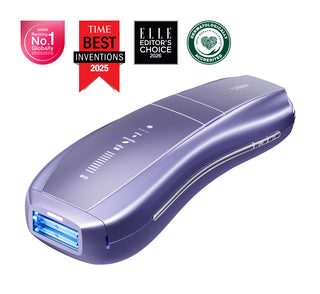
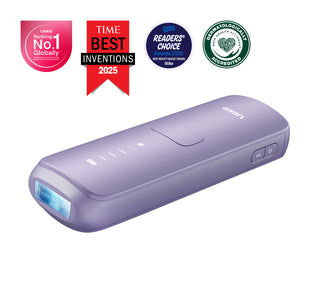




Table of Contents
Laser hair removal is a noninvasive cosmetic treatment that uses focused light energy to target hair follicles and reduce future hair growth. If you are comparing the cost of laser hair removal surgery, the first thing to know is that pricing varies widely by body area, provider, location, and the number of sessions you need.
In the United States, a single professional laser hair removal session may cost anywhere from about $75 for a small area to $600 or more for larger areas. This article breaks down the true cost of laser hair removal, from initial session prices to the total investment required, while exploring the factors that affect pricing and affordable IPL alternatives for long-term hair reduction.

Table of Contents:
- Part 1: How Much Does Laser Hair Removal Cost?
- Part 2: Laser Hair Removal Cost Breakdown by Body Area
- Part 3: How Many Sessions Are Needed and What Is the Total Cost?
- Part 4: Factors That Affect Laser Hair Removal Pricing
- Part 5: Does Insurance Cover Laser Hair Removal?
- Part 6: Financing and Payment Options
- Part 7: Laser Hair Removal vs. Other Methods: Long-Term Cost Comparison
- Part 8: Affordable At-Home IPL Devices for Long-Term Hair Reduction
- Part 9: Conclusion
- Part 10: Frequently Asked Questions
Part 1: How Much Does Laser Hair Removal Cost?
The average cost of laser hair removal is commonly around $100 to $600 per session, depending on the area treated. Smaller areas like the upper lip or underarms are usually on the lower end, while legs, back, and full body packages cost more.
If you are wondering how much is laser hair removal, think in terms of a treatment series rather than one appointment. Most people need multiple sessions because hair grows in cycles, and lasers work best when hair is in the active growth phase.
Typical U.S. price ranges include:
- Small areas: $75–$200 per session
- Medium areas: $150–$350 per session
- Large areas: $300–$600+ per session
- Full body packages: often $1,500–$4,000+ for a multi-session plan
The cost of laser hair removal surgery is not usually priced like a surgical procedure. There is no operating room fee in most cases, but you may still pay for consultation fees, numbing products, aftercare products, or prescription creams if needed.
Part 2: Laser Hair Removal Cost Breakdown by Body Area
Laser hair removal pricing is heavily influenced by the size of the treatment area and how long the appointment takes. A small facial area may take only a few minutes, while a back or full-leg session requires more time and laser pulses.
Here are common U.S. price ranges by area:
| Treatment area | Typical cost per session |
|---|---|
| Upper lip or chin | $75–$150 |
| Full face | $150–$350 |
| Underarms | $100–$250 |
| Bikini line | $150–$350 |
| Brazilian bikini | $200–$450 |
| Half legs | $250–$500 |
| Full legs | $400–$800 |
| Back | $300–$700 |
| Chest or abdomen | $250–$600 |
| Full body | $600–$1,200+ per session |
The price of laser hair removal on face depends on whether you treat one small area or the full face. Upper lip treatments are generally affordable, while full-face sessions cost more because they cover the cheeks, chin, jawline, and upper lip.
If you ask how much is laser hair removal for armpits, most U.S. clinics quote underarms as a small area, often around $100 to $250 per visit. Package pricing can reduce the per-session rate.
A bikini laser hair removal price may range from $150 to $350 for a basic bikini line, while Brazilian treatments usually cost more. The exact price depends on coverage, privacy protocols, and appointment length.
A back laser hair removal price is higher because the treatment area is large. Many clinics separate lower back, upper back, and full back, so clarify what is included before booking.
The full body laser hair removal price varies the most. Some packages include face, arms, legs, underarms, bikini, chest, stomach, and back, while others exclude sensitive or small detail areas.
Part 3: How Many Sessions Are Needed and What Is the Total Cost?
Most people need 6 to 8 laser hair removal sessions for noticeable long-term reduction, though some may need fewer or more. Maintenance sessions may be recommended once or twice a year.
So, how much does it cost for laser hair removal in total? If one underarm session is $150 and you need six sessions, your base treatment cost is about $900. If full legs cost $500 per session for six sessions, the total may reach $3,000.
A simple way to estimate your total is:
- 1. Choose the body area you want treated.
- 2. Ask for the per-session price and package price.
- 3. Confirm how many sessions are typically recommended.
- 4. Ask whether touch-ups are included.
- 5. Add possible consultation, aftercare, or numbing costs.
Compare per-session pricing, package pricing, and what is included before choosing a provider. A lower advertised price may not be the best value if the clinic uses outdated technology, short appointment times, or excludes follow-up care.
Part 4: Factors That Affect Laser Hair Removal Pricing
Several variables influence the final quote, which is why two clinics in the same city may charge different prices. When people search for price hair removal laser treatment, they are often comparing numbers without realizing that skill, technology, and safety protocols also affect value.
The laser treatment hair removal price should be reviewed alongside the provider’ s qualifications, the device used, and whether the treatment is appropriate for your skin tone and hair type.
Geographic Location
Laser hair removal often costs more in major metro areas such as New York City, Los Angeles, Miami, Chicago, and San Francisco. Higher rent, wages, and demand can push prices upward.
Smaller cities and suburban clinics may offer lower rates or seasonal packages. However, choose based on safety and experience, not price alone. A well-trained provider can reduce the risk of burns, pigment changes, and poor results.
Provider Qualifications and Clinic Type
A board-certified dermatologist or plastic surgery practice may charge more than a med spa, but medical oversight can be valuable, especially for darker skin tones, sensitive areas, or a history of skin conditions.
Some states allow trained laser technicians to perform treatments under physician supervision. Ask who performs the treatment, what training they have, and how complications are handled.
Laser Technology Used
Different laser types work better for different skin and hair combinations. Common professional systems include diode, alexandrite, and Nd:YAG lasers.
Nd:YAG lasers are often used for darker skin tones because they can target follicles while reducing surface pigment risk. Alexandrite lasers may work efficiently for lighter skin with dark hair. Clinics with multiple devices may offer more customized treatment, which can affect cost.
Skin Tone and Hair Type
Laser hair removal works best when there is contrast between hair color and skin tone, such as dark hair on lighter skin. Coarse, dark hair usually responds faster than fine or light hair.
Blonde, red, gray, and white hairs are harder to treat because they contain less melanin. If your hair type requires more sessions or specialized technology, the total cost may rise.
Size of Treatment Area
Larger areas cost more because they require more time, energy pulses, and provider attention. Treating the upper lip may take minutes, while full legs or a full back can take much longer.
Some clinics group areas differently. For example,“bikini” may mean only the sides, while “Brazilian” includes more extensive coverage. Always ask for a written description of the area included in your quote.
Part 5: Does Insurance Cover Laser Hair Removal?
No, insurance usually does not cover laser hair removal when it is performed for cosmetic reasons. Most health plans classify it as elective, meaning you pay out of pocket.
There are rare exceptions when hair removal is medically necessary, such as for certain reconstructive procedures or specific diagnoses. Coverage rules are strict, and documentation from a physician is usually required.
If you believe your situation is medical rather than cosmetic, contact your insurer before treatment. Ask whether prior authorization is required, what diagnosis codes are accepted, and whether the provider must be in network.
Part 6: Financing and Payment Options
Many clinics offer payment options because laser hair removal is usually purchased as a multi-session plan. Financing can make treatment more manageable, but it is still important to understand the total amount you will pay.
Common payment options include:
- Multi-session packages with discounted per-session pricing
- Monthly payment plans through third-party financing companies
- Membership pricing at med spas
- Seasonal promotions or bundled body-area discounts
- Health savings account or flexible spending account use in rare medically necessary cases
Before paying, ask about expiration dates, refund policies, missed appointment fees, and whether you can transfer unused sessions to another area. A low package price is less appealing if sessions expire before you can use them.
Part 7: Laser Hair Removal vs. Other Methods: Long-Term Cost Comparison
Laser hair removal costs more upfront than shaving or waxing, but it may save money over time for people who consistently pay for hair removal. The best choice depends on your budget, pain tolerance, hair growth, and desired convenience.
Professional laser treatments aim for long-term hair reduction, not guaranteed permanent removal of every hair. Most people see thinner, lighter, slower regrowth after a complete series.
Laser vs. Waxing Over 10 Years
Waxing has lower upfront costs but adds up quickly. A bikini wax may cost $40 to $80, while full-leg waxing can cost $70 to $150 per visit before tip.
If you wax every four to six weeks, you might spend hundreds or thousands of dollars over 10 years. Laser may cost more in the first year, but many people reduce ongoing waxing appointments after their treatment series.
Laser vs. Shaving Over a Lifetime
Shaving is inexpensive per purchase, but razors, shaving cream, ingrown-hair treatments, and time all have a cost. People with irritation, razor bumps, or fast regrowth may find shaving frustrating despite the lower price.
Laser hair removal can be worthwhile if you want smoother skin with less daily maintenance. It may also help reduce ingrown hairs for some people, especially in areas like the bikini line, underarms, and neck.
At-Home IPL Devices as a Cost-Effective Alternative
At-home IPL devices use broad-spectrum light to reduce hair growth over time. They are not the same as professional lasers, and results can be slower, but they are convenient and often more affordable.
IPL can be useful for maintenance after professional laser sessions or for people who prefer privacy at home. Always check the device’ s skin tone and hair color compatibility, and follow instructions carefully to reduce irritation risk. Explore at-home IPL options if you want a lower-cost hair reduction alternative for maintenance or convenience.
Part 8: Affordable At-Home IPL Devices for Long-Term Hair Reduction
At-home IPL devices can reduce long-term grooming costs for suitable users, especially when compared with years of waxing or repeated clinic visits. They require consistency, but many people like the flexibility of treating on their own schedule.
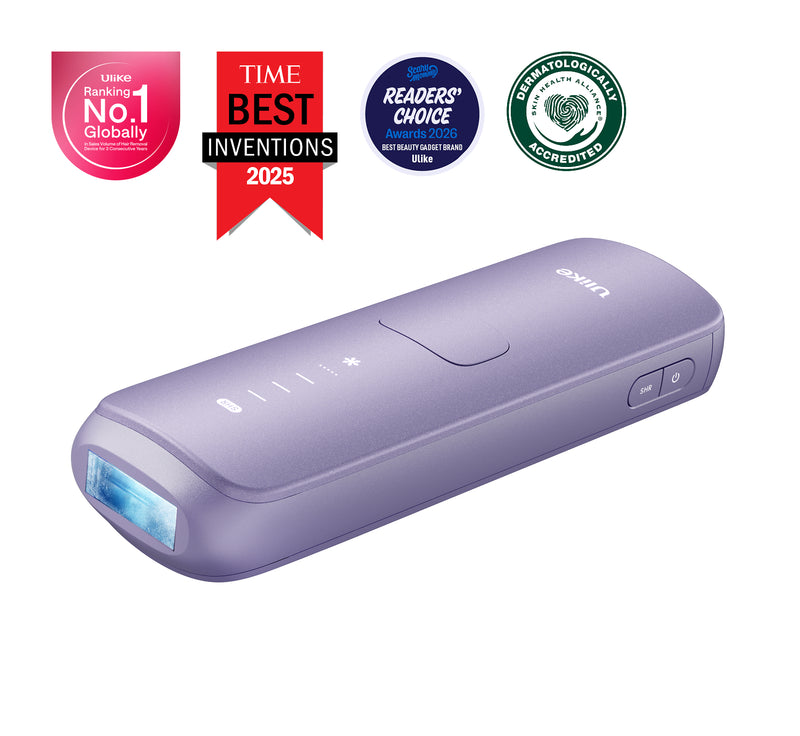
Ulike Air 10: IPL Hair Removal for Faster Treatments and Long-Term Value
The Ulike Air 10 is an advanced at-home IPL hair removal device built for faster treatments and long-lasting smooth skin. Featuring a wider treatment window and double light source, it helps cover larger areas efficiently while targeting stubborn hair for visible results in as little as two weeks.
Its built-in sapphire cooling system maintains a 65°F contact temperature to improve comfort during treatments, including sensitive areas. With 10-minute full-body sessions and FDA-cleared safety, the Air 10 offers a convenient option for reducing salon visits and long-term hair removal costs.
Ulike Air 4: IPL Hair Removal for Affordable At-Home Maintenance
The Ulike Air 4 is a more budget-conscious at-home IPL device designed for effective hair reduction with a comfortable treatment experience. Delivering 95.8% hair reduction in 4 weeks, it uses USHR multi-pulse technology to target stubborn hair while supporting smooth skin.
With 24J maximum energy, 7.2J/cm² energy density, and 64.4°F cooling, the Air 4 provides comfortable treatments. Its AutoGlide feature and 12-minute full-body sessions make it a convenient choice for users looking to maintain smooth skin and reduce long-term grooming costs at home.
Part 9: Conclusion
The cost of laser hair removal surgery in the United States depends on the treatment area, number of sessions, provider experience, technology, and location. Small areas may cost under $200 per session, while large areas and full body packages can run into the thousands for a complete series.
Professional laser hair removal offers speed, customization, and medical-grade technology, while at-home IPL devices may provide a more affordable path for long-term maintenance. The best choice is the one that fits your hair type, skin tone, safety needs, and budget. Book a consultation with a qualified laser hair removal provider to get a personalized quote before committing to a package.
Part 10: Frequently Asked Questions
Q1: How much is a full session of laser hair removal?
A full session of laser hair removal usually costs between $75 and $600 or more, depending on the body area. Large areas and full body appointments can cost significantly more than small facial or underarm sessions. Underarms, upper lip, and chin are lower-cost areas. Legs, back, chest, and Brazilian treatments cost more. Ask whether the quoted price includes both sides of the body, aftercare instructions, and any follow-up assessment.
Q2: Can you write off laser hair removal on taxes?
Usually, you cannot write off laser hair removal on taxes if it is cosmetic. The IRS generally does not allow deductions for personal appearance treatments that are not medically necessary. There may be unusual cases where a physician documents a medical reason, but tax rules are specific and depend on your situation. Do not assume a cosmetic treatment qualifies as a medical expense. If you think your treatment may be deductible, speak with a qualified tax professional and keep written medical documentation, receipts, and insurance communications.
Q3: Does Medicare pay for laser hair removal?
Medicare generally does not pay for laser hair removal when it is cosmetic. Most hair removal treatments are considered elective and are not covered under standard Medicare benefits. Coverage may be considered only in rare medically necessary circumstances, such as treatment connected to a covered medical condition or procedure. Even then, approval is not guaranteed. Contact Medicare or your Medicare Advantage plan before treatment, and ask the provider whether they have experience submitting documentation for medically necessary laser hair removal.