



 Ulike ReGlow Pro★ 5.0 (511)








Table of Contents
The Native Americans also known as Indigenous Americans represent 574 Indian Nations recognized federally. All these nations have their unique history and rich cultural and traditional practices. This diversity in the Native Americans allows the United States to become an interesting state to visit and live in.
The amalgam of various colors and hospitable people make the US an attractive state but as people visit it, the first thought that comes to mind about the Natives is why most of them don’t have beards. Most people assume that they do not have facial hair to begin with but this is not true. Let’s find out why?
Table of Contents:
- Part 1:Historical Context: Facial Hair Among Native Americans
- Part 2:: Genetic Factors and Facial Hair Growth
- Part 3: Regional and Tribal Variations
- Part 4: Cultural Practices and Grooming Habits
- Part 5: Modern Influences and Changing Trends
- Part 6: Some Common Stereotypes and Misconceptions
Part 1: Historical Context: Facial Hair Among Native Americans
It is a common concept that all the native americans in the past did not have facial hair and even if they had them, they used to pluck every single hair. It is true to some extent but the choice of keeping facial hair or removing them varied from tribe to tribe. Every tribe had their cultural practices and these practices are passed from generation to generation till today.

Part 2: Genetic Factors and Facial Hair Growth
The growth of facial hair varies from race to race based on genetics. For example, the level of testosterone in a person’s body depends upon his genetic makeup which further results in more or less hair growth. The genes not only control the number of hair but also the color and pattern.

Part 3: Regional and Tribal Variations

Genetic Inheritance
As described earlier, genetics plays a very important role in determining your appearance. In Native Americans, the presence of sleek, patchy hair may be due to genetics which leads them to prefer a clean shave over a beard.
Environmental Factors
This means if you live in Alaska, your facial hair growth will be a lot slower than those living in Florida. Moreover, those with lots of sugar in their diet have reduced and thin facial hair while those who use lots of red meat have faster growth of beards.
Intermingling with Other Populations
Another factor that contributes to these differences is the intermixing of Native Americans with other populations. If two Native Americans marry each other, the child is less likely to have facial hair while a child with One Native American Parent and one Mediterranean country’s parent will have faster and thicker growth of beard.
Hence, the intermingling of different populations leads to the intermixing of genes which leads to differences in facial hair growth across different American Regions. ;
Part 4: Cultural Practices and Grooming Habits
Traditional Grooming Practices
Obsidian

Use of Razor
Native Americans also used small metal blades attached to a handle to get rid of their facial hair. It required more care and practice as compared to obsidian so people preferred obsidian back in the day.
Contemporary Facial Hair Removal and Maintenance Methods
Shaving
Shaving is the most common and convenient hair removal method every man and woman is aware of. It involves the use of a shaving razor to cut hair just above the skin’s surface giving you smooth skin for at least 2-3 days.
Waxing
Wax involves the use of sticky material to get rid of hair till the roots. On the face, hard waxes are preferred as they are gentle and less painful. It allows you to grasp multiple hairs at a time and remove them.
Laser Hair Removal
Laser hair removal is a semi-long-lasting method of removing facial hair. Those Americans who want no beard at all go for Laser hair removal as it keeps your skin smooth for at least a year or even two.
In the past and even now, some Native Americans consider facial hair unmanly and gross so they prefer getting rid of them while other cultures see facial hair as a sign of wisdom and strength. So, these cultures only trim their beards to make them look neat.
Part 5: Modern Influences and Changing Trends

-
Knowing new cultures, interacting with people all around the world, and living with individuals with different mindsets have normalized things enough that both clean shaves and beards look entirely normal to everyone. That is how most Native Americans have left behind their typical thinking and started dividing their looks based on their personal preferences.You can see American actors like Morgan Freeman had a beard in most of his movies and in real life. The Titanic actor Leonardo Dicaprio has experimented with different beard styles throughout his acting career. Other than this, the common Americans have styled their beards in different ways. Some prefer goatees while others have either mutton chops or full beards. This shows that Americans have accepted beards and started trying different styles to match global trends and find their personal preferences.
Part 6: Some Common Stereotypes and Misconceptions
There are some misconceptions regarding facial hair in Native Americans. We will address those stereotypes in this section.
Native Americans are unable to Grow Beard
It is not entirely true that Native Americans cannot grow a beard. Their genetic makeup leads to sparse and thin facial hair but keeping the beard or shaving is totally up to them. So, it is not that they cannot grow beards, some of them just choose not to.
Native Americans Do Not Have Facial Hair
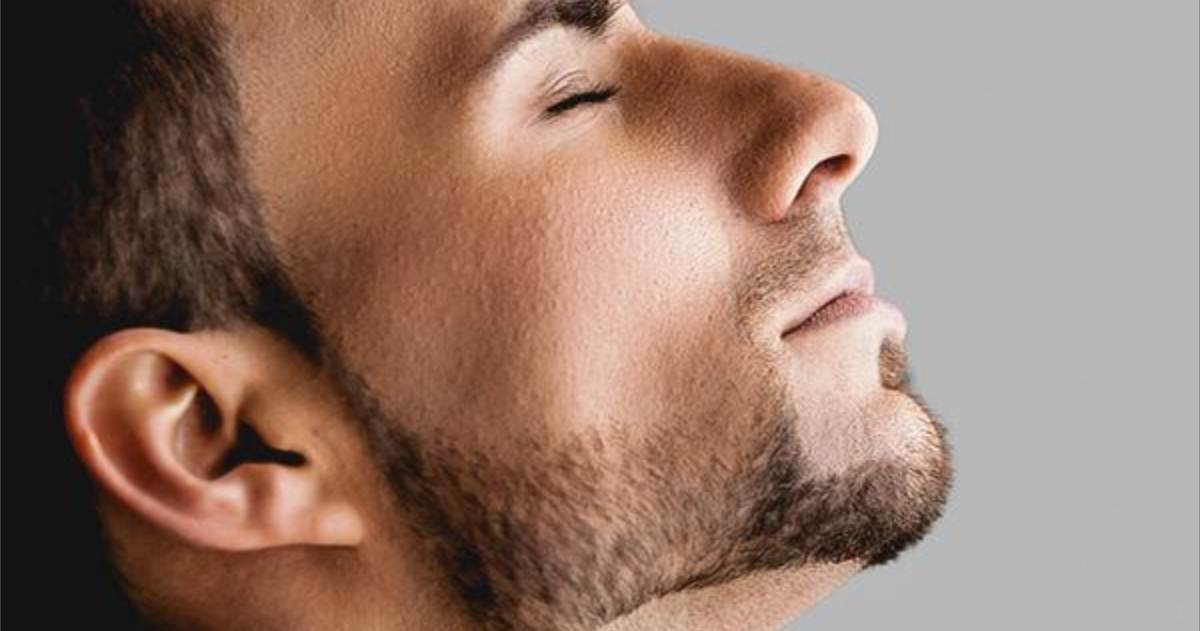
They have facial hair. These facial hairs are less in volume and are sleek and soft. Moreover, most Natives prefer to remove them immediately as they grow so it feels like they don’t have facial hair. But, in reality, they have facial and body hair just like all other humans.
Native Americans Do Not Like Growing Beard
It is completely dependent upon their individual preferences, their cultural practices, and their beliefs. Some Native Americans love growing beards while others don’t. So, it is a wrong concept that they do not like growing beards.
As most Native Americans are beardless people usually assume the above-mentioned misconceptions are true without research but it is important to know that if one person likes to clean-shave their face, it does not apply to everyone. Everyone is an individual and a whole person so you can expect variations even in the same race as the choices can vary from person to person independent of the race.
Native Americans are rich in culture and this cultural diversity makes them unique. So, instead of spreading and believing those misconceptions, we should appreciate their culture and accept diversity just like how we want the world to understand us.
Conclusion
Native Americans do have facial hair and their patterns can vary depending on genetic inheritance, environmental factors, and intermingling with other populations. But, it does not end here. It is because cultural practices and individual choices also play a big role in deciding the presence or elimination of facial hair in those Natives.
Every factor plays its part, but an individual’s choice matters the most. So, instead of making incautious assumptions about anyone or any race, we should respect all cultures equally and interact with all people in the same way without any discrimination. This will make the world a better place to live for everyone.