 Ulike ReGlow Pro★ 5.0 (511)


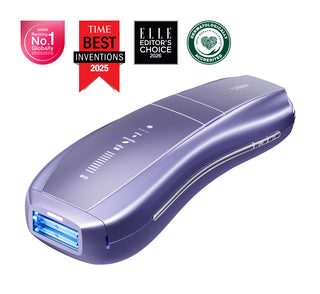
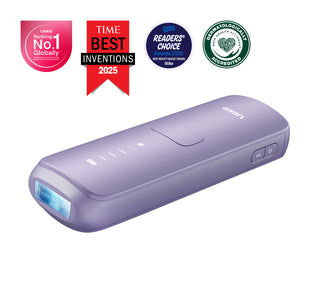


Table of Contents
Laser hair removal has become one of the most popular ways to reduce unwanted hair, offering a convenient alternative to shaving, waxing, and other temporary methods. However, many people still have one important question before starting treatment: does laser hair removal cause cancer?
The concern is understandable. Laser technology involves concentrated light energy, and many people associate radiation exposure with cancer risk. However, cosmetic hair removal devices use a different type of light energy compared with harmful forms of radiation such as X-rays or ultraviolet (UV) rays.
In this guide, we'll break down the science, explain why the does hair removal laser cause cancer concern keeps circulating, and show that laser hair removal causes skin cancer or increases cancer risk when used correctly.

Table of Contents:
- Part 1: Quick Answer: Can Laser Hair Removal Cause Cancer?
- Part 2: Why Do People Worry About Laser Hair Removal and Cancer?
- Part 3: How Does Laser Hair Removal Actually Work?
- Part 4: What Does the Scientific Evidence Say?
- Part 5: Can Laser Hair Removal Affect Moles or Skin Lesions?
- Part 6: Real Side Effects and Risks of Laser Hair Removal
- Part 7: Who Should Consult a Doctor Before Treatment?
- Part 8: Does IPL Hair Removal Cause Cancer?
- Part 9: Choosing a Safe At-Home IPL Hair Removal Device
- Part 10: Conclusion
- Part 11: Frequently Asked Questions
Part 1: Quick Answer: Can Laser Hair Removal Cause Cancer?
No. Current research shows laser hair removal does not cause cancer.
It uses non-ionizing light to target hair follicles, not DNA. This type of light is different from X-rays or gamma rays and does not have enough energy to damage genetic material.
Studies and long-term clinical use have not found any link between laser or IPL hair removal and cancer. There is no evidence that it increases skin cancer risk.
The treatment is generally safe, but correct settings and proper use are still important to avoid temporary skin reactions like redness or irritation.
Part 2: Why Do People Worry About Laser Hair Removal and Cancer?
The main reason people ask “Does laser hair removal cause cancer?” is the misunderstanding surrounding radiation.
The word radiation often sounds dangerous because it is associated with medical imaging, nuclear accidents, and cancer treatments. However, radiation simply describes energy traveling through space. Different types of radiation have very different effects on the body.
The electromagnetic spectrum includes both harmful and harmless forms of radiation.
- Ionizing Radiation: Ionizing radiation has enough energy to remove electrons from atoms. This process can damage DNA and potentially contribute to cancer development.
- Non-Ionizing Radiation: Hair removal lasers and IPL devices use non-ionizing light energy.
The National Cancer Institute explains that non-ionizing radiation does not carry enough energy to directly damage DNA in the same way as ionizing radiation. This type of energy does not have the same DNA-damaging ability as ionizing radiation. Cosmetic hair removal devices are designed to heat hair follicles rather than alter genetic material.
Understanding this difference explains why laser hair removal is not considered a cancer-causing treatment.
Part 3: How Does Laser Hair Removal Actually Work?
Before deciding whether laser hair removal is right for you, it helps to understand what actually happens during a session. The process is more scientific than it may seem at first glance. Next, we'll break down how light energy interacts with hair follicles and why this method can reduce hair growth over time.
How Laser Energy Targets Pigment in Hair Follicles
During a laser hair removal session, the device releases a concentrated pulse of light that is absorbed by melanin, the pigment responsible for hair color. Dermatologists explain that laser hair removal works by directing laser energy toward pigment in hair follicles, damaging the follicle to reduce future hair growth. The absorbed light energy changes into heat, which travels down the hair shaft toward the follicle's growth center, including structures such as the bulb and papilla.
The heat damages the follicle's ability to produce new hair during future growth cycles. Since the hair contains a higher concentration of melanin than the surrounding skin, most of the energy is directed toward the follicle rather than nearby tissue.
Over multiple treatments, many follicles become less active, resulting in slower hair growth and finer hair over time.
How Deeply Hair Removal Lasers Penetrate the Skin
Hair removal lasers are designed to reach only the depth needed to target hair follicles. Common professional laser technologies use wavelengths ranging from approximately 755 nm (Alexandrite) to 1064 nm (Nd:YAG), depending on the hair removal device and treatment requirements.
At these wavelengths, laser energy typically reaches only a few millimeters into the dermis, where hair follicles are located. It does not travel deep enough to reach muscles, bones, internal organs, or other structures beneath the skin.
This limited penetration is one reason laser hair removal works differently from high-energy radiation sources that may affect tissues throughout the body.
Why Laser Light Is Different from UV and Ionizing Radiation
Many concerns about whether laser hair removal causes cancer come from confusion between different types of radiation.
Ultraviolet (UV) radiation from sunlight has shorter wavelengths and higher photon energy than cosmetic hair removal lasers. Long-term UV exposure can damage DNA by creating changes such as thymine dimers, which are associated with skin cancer development.
Ionizing radiation, including X-rays and gamma rays, carries even more energy and can directly affect atomic structures, potentially causing DNA damage.
Hair removal lasers, however, operate using non-ionizing light energy in the red and near-infrared range. The energy level is not high enough to break the chemical bonds in DNA in the way UV or ionizing radiation can.
So, can laser hair removal give you cancer through the same process as UV exposure or X-rays? Based on current scientific understanding, there is no evidence supporting that mechanism. The technology works by heating hair follicles, not by altering genetic material.
Part 4: What Does the Scientific Evidence Say?
Current scientific evidence does not show that laser hair removal causes cancer. The procedure uses non-ionizing light energy, which targets melanin in hair follicles near the skin's surface rather than damaging DNA or affecting internal organs. Unlike UV rays and ionizing radiation, cosmetic laser energy does not have the same ability to create DNA changes linked to cancer development.
Published Research and Clinical Evidence
Studies published in dermatology journals, including a review of laser and IPL safety, have found no evidence that cosmetic hair removal increases cancer risk. Researchers have not established a causal link between laser hair removal sessions and skin cancer.
FDA Guidance and Medical Organization Positions
The FDA regulates laser products and establishes safety requirements for manufacturers of laser devices. Dermatology organizations, including the American Academy of Dermatology, recognize laser hair removal as a common cosmetic procedure with temporary risks such as redness, irritation, or pigment changes rather than cancer concerns.
Part 5: Can Laser Hair Removal Affect Moles or Skin Lesions?
Laser hair removal does not cause cancer in moles. However, lasers can sometimes change the appearance of pigmented areas.
For example, a mole exposed to laser energy may experience temporary pigment changes. In some cases, these changes could make it harder to monitor the mole visually.
Dermatologists generally recommend avoiding treatment directly over suspicious moles, unusual skin growths, or areas with unexplained changes.
If you have a history of melanoma, atypical moles, or other skin concerns, it is a good idea to speak with a dermatologist before starting laser hair removal.
Part 6: Real Side Effects and Risks of Laser Hair Removal
Although whether laser hair removal causes cancer is a common concern, cancer is not considered a known risk of the procedure.
However, laser hair removal can have temporary side effects, including skin irritation, pigment changes, and other treatment-related reactions.
Temporary Redness, Swelling, and Skin Irritation
Mild redness resembling a light sunburn is the most common reaction. Swelling around the follicle (perifollicular edema) is normal and typically resolves within hours. Applying a cool compress speeds recovery.
Burns and Blistering
Burns can occur if the laser settings are too aggressive for your skin tone or if the technician lacks proper training. Signs include:
- Persistent pain beyond the treatment session
- Blistering or crusting within 24–48 hours
- Whitening or darkening of the skin at the treatment site
Choosing a qualified, experienced provider significantly reduces this risk.
Changes in Skin Pigmentation
Hyperpigmentation (darkening) is more common in lighter skin types, while hypopigmentation (lightening) tends to occur in darker skin. Both are usually temporary and fade over weeks to months.
Scarring and Other Uncommon Complications
Scarring is rare but possible, especially in patients who are prone to keloids. Paradoxical hypertrichosis—increased hair growth near the treated area—has also been reported in a small number of cases, particularly on the face and neck.
Part 7: Who Should Consult a Doctor Before Treatment?
Certain groups should get medical clearance before proceeding:
- 1. People with a personal or family history of melanoma or atypical moles
- 2. Individuals currently taking photosensitizing medications (isotretinoin, certain antibiotics)
- 3. Anyone with active skin infections, eczema, or psoriasis in the target area
- 4. Pregnant individuals, due to insufficient safety data during pregnancy
- 5. Patients who have recently tanned or used self-tanners
If you have a history of skin cancer or atypical moles, schedule a skin check with a board-certified dermatologist before treatment.
Part 8: Does IPL Hair Removal Cause Cancer?
Intense Pulsed Light (IPL) devices are not technically lasers—they emit a broad spectrum of light filtered to target melanin—but they rely on the same non-ionizing energy principle. IPL does not produce UV or ionizing radiation. FDA-cleared at-home IPL devices meet safety standards for consumer use when you follow the manufacturer's guidelines. The cancer concern applies no more to IPL than it does to professional laser systems.
Part 9: Choosing a Safe At-Home IPL Hair Removal Device
If you prefer treating hair at home, choosing a reputable IPL device with appropriate safety features is important. Look for features such as skin tone detection, adjustable intensity settings, and cooling technology designed to improve comfort during treatment.
Ulike Air 10 for Fast, Comfortable Full-body Treatments
The Ulike Air 10 is designed for users who want full-body sessions without spending all evening in front of a mirror:
- IPL Technology: Intense Pulsed Light (IPL) with Dual Lights system for wider coverage
- Energy Output: Up to 26J energy output (SHR Mode) for coarse and stubborn hair areas
- Cooling System: Sapphire Ice-Cooling technology with approximately 18°C contact cooling
- Treatment Speed: Full-body treatment in around 10 minutes
- Treatment Modes: Fast Mode / Normal Mode / High Mode / SHR Mode for different body areas

Ulike Air 4 for Simple and Comfortable At-home IPL Hair Removal
The Ulike Air 4 offers a streamlined option for anyone new to at-home hair reduction:
- IPL Technology: Advanced IPL hair reduction technology with USHR Mode for thicker hair
- Energy Output: Up to 24J energy intensity (USHR Mode)
- Cooling System: Sapphire Ice-Cooling technology with approximately 18°C contact cooling
- Flash Speed: Around 0.4-second flash interval with AutoGlide function
- Treatment Modes: Soft Mode / Body Mode / Power Mode / USHR Mode
Before booking professional laser hair removal or using an at-home IPL hair removal device, check the recommended energy settings and whether the device is suitable for your skin tone and hair color.

Part 10: Conclusion
So, does laser hair removal cause cancer? Every credible piece of evidence points to the same conclusion: no. The non-ionizing light used in these devices cannot break DNA bonds or initiate the mutations behind cancer development. Can laser hair removal cause cancer through some other unknown mechanism? No published research suggests so, and the same laser technologies are actively used in medical settings to treat disease.
The real risks—burns, pigmentation changes, and temporary irritation—are manageable with proper technique. If you are considering at-home hair reduction, review the device instructions carefully and avoid treating irritated, sunburned, or suspicious skin.
Part 11: Frequently Asked Questions
Q1: Is laser hair removal 100% safe?
No procedure is 100% risk-free, but laser hair removal is considered very safe by dermatologists and the FDA. Minor side effects like redness and swelling are common and resolve quickly. Serious complications are rare and typically linked to untrained operators or incorrect device settings.
Q2: What are the risks of laser hair removal?
The most common risks include temporary skin irritation, mild burns, and pigmentation changes. Blistering and scarring can occur but are uncommon when treatment is performed by a qualified professional using appropriate settings for your skin type.
Q3: Does laser hair removal use harmful radiation?
No. Laser hair removal uses non-ionizing radiation—similar to visible light or infrared warmth—which lacks the energy to damage DNA. It is fundamentally different from ionizing radiation (X-rays, gamma rays) that is associated with cancer risk.