




Epilator vs. Shaver: What’s the Difference and Which is Better?


Averagely tall, shapely figured, and wasp-waisted with glossy skin are some of today’s standards for measuring beauty in women. However, to grow hairs outside of the head and pubic areas is, for many, very embarrassing.
Imagine dressing up in a suit ready for that business or contract, and someone is confused about your gender because of facial hair! Nothing spoils an otherwise good day than this. It’s frightening and embarrassing to look out of place in today’s self-conscious world.
Unfortunately, we can’t do much about our genetic makeup, which sometimes leaves hair growing in unwanted places on our bodies. A 2014 study by Javorsky et al . reveals that more women now grow hair in a male pattern, with ethnicity or race being a major predisposing factor.
But trust us, humans; we always have a way around our challenges. Even from prehistoric times, people have been getting rid of objectionable hair from every part of their bodies using various means.
The first recorded attempt by women to attain hairlessness was around 3000 B.C. Records had it that our ancestors mixed starch, water, arsenic sulfide, and quick lime to form a depilatory substance that helped them achieve their aim.
More recently, our choices have expanded to shaving, waxing, tweezing, threading, electrolysis, and the use of medications. The mechanism of action of each approach differs, and so also is the output.
But for this piece, I will pitch two of the most familiar hair-removing tools – epilators and shavers – against each other to see which is better.
What is Epilation?
You’ve probably heard several times that the best way to resolve an issue is to get to the root of it. Epilation removes hair straight from the roots inside the hair follicle.
Understanding epilation is crucial as it highlights a more thorough approach to hair removal compared to surface-level methods.
By focusing on the roots, epilation may provide longer-lasting results compared to shaving, which only cuts hair at the surface.
Understanding epilation not only informs your choices but also helps you appreciate the technology behind modern hair removal.
It also unveils the benefits of choosing epilation for a smoother skin experience that lasts longer than traditional shaving methods.
The follicles are two layers deep into the skin, making this hair removal method a bit painful, especially for a first-timer. The electrically operated machine which performs this type of hair removal is called an epilator.
Epilation is a method that removes hair from the root, which can lead to longer-lasting smoothness compared to shaving.
The process can lead to short-term discomfort, but many find the longer-lasting results worth it.
The epilator offers a unique solution for those seeking longer-lasting results, but may not be suitable for everyone.
While the epilator is effective for longer periods, it's essential to consider personal pain tolerance and skin sensitivity.
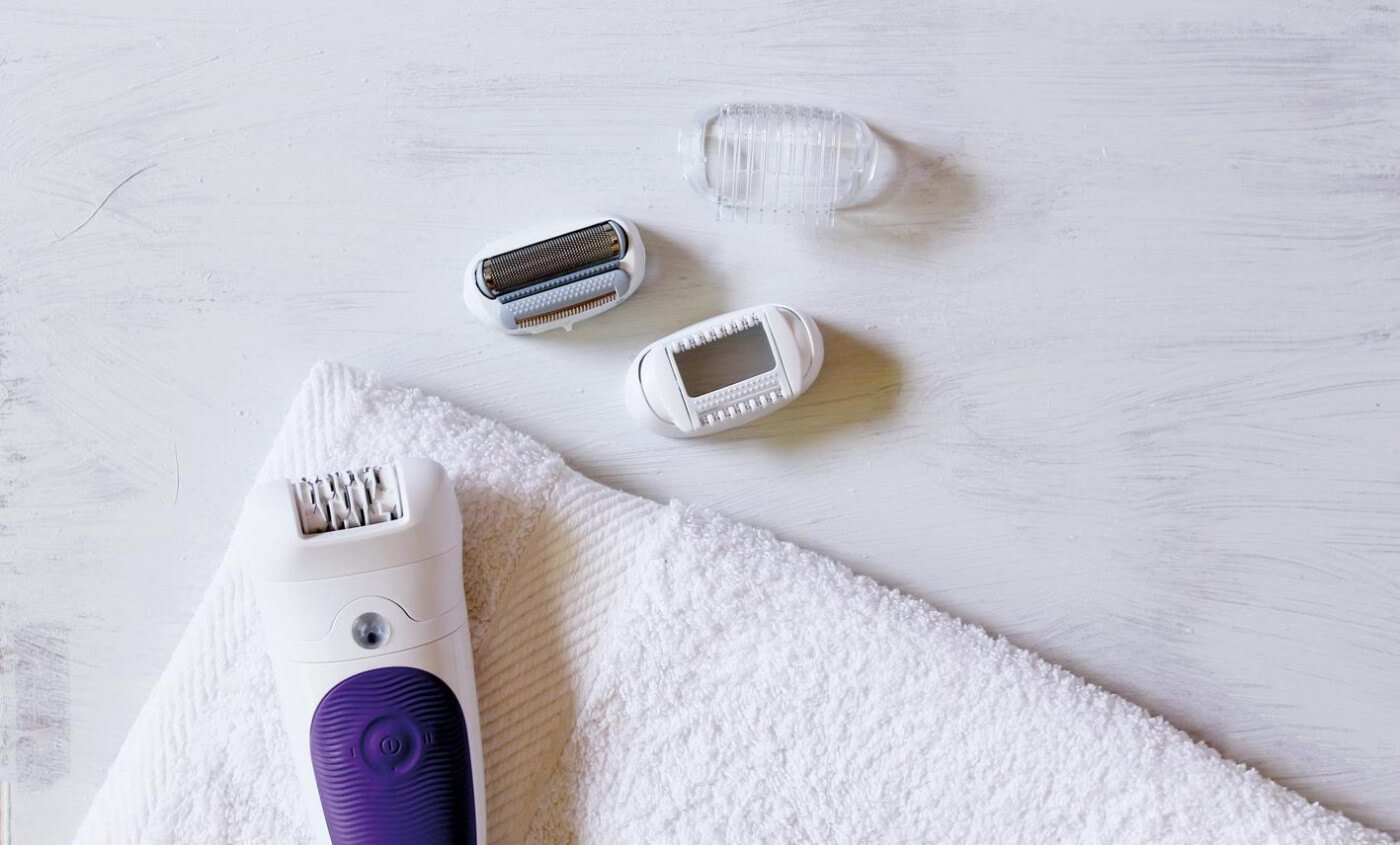
Most epilators are handheld and consist of mechanically rotating plastic heads with tweezers. As these heads turn, the tweezers adjust by opening and closing their ‘mouths’ in a way that grabs the hair on the skin, pulls, and discards them.
Depending on the part of the body you want to remove hair from, some epilators fit better than others. Today’s most advanced epilators can recognize and remove extremely short hairs (up to 0.5mm) that other similar methods like waxing will not even detect.
Hair removal by epilation sure has many benefits, which is probably why it is popular. So let’s consider these benefits before finding out their drawbacks.
Understanding the benefits of epilation can help users make informed choices about their hair removal options.
These benefits contribute to its popularity, but it’s equally important to weigh potential drawbacks for a balanced view.
While epilation has many benefits, it is also important to weigh its potential drawbacks, such as discomfort and skin sensitivity.

Pros of Epilation
- The process removes unwanted hair from the roots, making it more efficient than most other methods.
- It can take up to five weeks for hairs removed by epilation to regrow.
- Once you know how to use an epilator, you don’t need any further professional help to help you achieve a smooth hairless body.
- There is no risk of cutting your skin with an epilator because it doesn’t contain blades like shavers.
- An epilator is applicable for almost all skin types and parts.
- Hair regrowth after an epilation session is usually thinner, making the next faster and less painful.
- There are epilators suitable for men and women. Similarly, you can get a waterproof epilator usable in both wet and dry conditions.
- Epilators are generally cost-effective.
Understanding the benefits of epilation can help you make an informed choice for your hair removal needs.
By targeting the roots, epilation can lead to longer hair-free periods, making it a popular choice among many users.
Understanding that epilation can take up to five weeks for hair to regrow emphasizes its potential for long-lasting smoothness.
This regrowth period can vary based on individual hair growth cycles and epilation techniques.
In contrast to shaving, which typically requires more frequent maintenance, epilation can provide longer-lasting results.
This comparison highlights how epilation can be a more convenient option for those seeking less frequent hair removal.
This means you can enjoy smooth skin for an extended time, reducing the frequency of hair removal sessions.
This allows users to gain confidence in their hair removal routine, as they can achieve results without relying on professional services.
This accessibility makes epilation a convenient option for maintaining a hair-free appearance at home.
Using an epilator can save time and money, as it allows for hair removal without frequent salon visits.
This feature makes epilators a safer choice for those who may be inexperienced with hair removal techniques.
This aspect can be particularly beneficial for beginners or those hesitant about traditional shaving methods.
This means that users with different hair textures and sensitivities can benefit from epilation.
This versatility allows users to effectively address hair removal in various areas, enhancing its popularity.
This versatility makes epilators a popular choice among users with different grooming needs.
Epilators offer a range of features that cater to various hair types and personal preferences, enhancing their appeal.
This variety includes adjustable speed settings and attachments for different hair removal needs.
Thinner hair regrowth can significantly improve the speed and comfort of future epilation sessions.
This gradual change can lead to a more comfortable experience over time.
This variety makes it easier for individuals to choose an epilator that fits their specific needs.
This variety ensures that everyone can find an epilator that suits their specific grooming style and preferences.
Cost-effective options allow users to achieve smoother skin without frequent salon visits.
This affordability allows users to invest in a long-term hair removal solution without breaking the bank.
Cons of Epilation
- For people with low pain tolerance, epilation can be painful at first. However, after two or three episodes, they will likely not feel the pain again.
- Because of its painful response, epilation may not be appropriate for sensitive body areas like the genitals and face.
- Because of how epilators work, they make so much noise that it can be annoying.
- Epilating requires a great deal of patience to achieve the goal. It is slower than shaving.
Initial discomfort may deter some users, but many find it manageable with regular use.
As users become accustomed to the process, they often report a decrease in discomfort.
It is important to recognize that the \1 can lead to heightened discomfort during the epilation process.
Due to its intensity, epilation may be unsuitable for those particularly sensitive to pain or discomfort.
It's advisable to consider alternative methods for these sensitive areas to avoid discomfort.
The noise level produced by epilators can be particularly distracting in quiet environments.
This noise can be a consideration for those seeking a discreet or quiet hair removal method.
This slower pace can be a drawback for those who prefer quicker hair removal methods.
Due to the \1 of epilation, many users may find it necessary to set aside ample time for a thorough session, especially if they are new to the method.
What is Shaving?
Shaving has been around long before the conception of epilation and most other hair removal methods. The process involves cutting hair very close to the skin’s surface using a razor-made machine called a shaver.
Shaving is typically favored for its \1, making it a popular choice among many individuals.
Understanding the \1 of shaving helps appreciate its evolution and importance in personal grooming throughout the ages.
A Shaver works by oscillation to cut hairs brought close to them. Many are cordless, operating with batteries, while others require electricity. Some, by design, look so much like epilators, but their workings are different.
The design and mechanism of a shaver can vary significantly, affecting its \1 levels during use, which is important for users to consider.
Removing hairs by shaving is very fast and often nearly painless when done correctly. Besides, regardless of the texture or hair quantity, a good shaver will eliminate it within a quarter of an hour.
When performed with the right technique, shaving can be a \1 method for hair removal, making it appealing for many users.
The \1 of shaving make it a favored choice for those who lead busy lives and require quick hair removal solutions.
The \1 of shaving not only cater to busy lifestyles but also offer a practical solution for those needing regular grooming.
Since our focus is to compare shavers and epilators, it will be proper to look at the pros of this tool and method for hair removal.
Examining the pros of shaving provides insight into its \1 compared to epilation, helping consumers make informed choices based on their needs.
Understanding the \1 of shaving allows consumers to better assess their hair removal options and find what suits their personal grooming preferences.
Pros of Shaving
- Shaving is arguably the fastest hair-removing technique ever invented.
- The procedure is almost nearly painless, except there is an accidental cut in the process.
- Correctly handled, shavers are unlikely to give you ingrown hairs.
- You can use most shavers in both dry and wet conditions.
Fast hair removal is particularly beneficial for individuals with \1, making shaving a go-to method for many.
Shaving is often preferred due to its speed and efficiency, which is especially advantageous for busy individuals seeking quick grooming solutions.
While shaving is generally painless, \1 is crucial to minimize any risk of cuts and ensure a smooth experience.
To enhance the shaving experience, using quality products like shaving cream can further reduce the risk of cuts and irritation.
By avoiding ingrown hairs, shavers promote a \1, making them an attractive option for many users.
Avoiding ingrown hairs can also lead to more comfortable skin, making shaving a favorable choice for those with sensitive skin.
The ability to use shavers in both conditions provides users with \1, catering to diverse grooming preferences.
This adaptability allows users to choose their preferred method based on personal comfort and situational needs.
Cons of Shaving
- Because shavers contain razors, they carry the risk of cutting something other than hair while in operation.
- Hairs quickly regrow with greater thickness and quantity after shaving.
- Repeated shaving on sensitive skin can produce stumbles – which are embarrassing to those carrying it.
- Most shavers require a replacement of the razor after one or two usages.
Careful handling and attention during use are essential to minimize risks associated with razor blades, ensuring a safer shaving experience.
Being aware of the risk of cuts emphasizes the importance of \1 when using shavers, especially for beginners.
Shaving can result in hair regrowth that is not only \1 but can also feel more noticeable, prompting users to shave more frequently.
Shaving often leads to \1, which can be frustrating for many users.
Stubbles can be particularly bothersome, especially for those who prefer a \1 and may feel self-conscious about their appearance.
For those with \1, the discomfort from stubbles can be quite distressing.
Many shavers have a \1, requiring frequent replacements that can add to overall costs.
The \1 can accumulate, making shaving a less economical option over time for regular users.

Which is Better?
Having considered what both instruments and methods mean, we’ve now come to the big question of which of them is better.
To be fair to both methods, we will use five relevant parameters to judge the better between the two. These parameters and how they fare are in the table below:
|
Parameters |
Epilators |
Shavers |
Winner |
|
Hair removal effectiveness |
Removes from the root |
It cuts hair on the surface |
Epilator |
|
Associated risks |
Ingrown hairs; pain |
Skin cut during shaving |
Shaver |
|
Hair regrowth rate |
Slow |
Fast |
Epilator |
|
Maintenance requirements |
Little maintenance |
The blade has to be changed regularly |
Epilator |
|
Hair removal speed |
Slow |
Fast |
Shaver |
Shaver vs. Epilators: Final Verdict
It’s apparent that epilators excel more at getting the job done than shavers, though painful and with the risk of causing ingrown hairs. Shaving can offer a quick fix, but epilating is better for a long-lasting effect and thorough hair removal.
However, not all skin types are OK with epilating, and it’s probably not a good option for men. You should try it with a small area of your skin to know if it is good for you.
It's important to note that \1 due to varying skin sensitivities, so caution is advised.
Testing epilation on a small area is important because \1, and this allows you to gauge its suitability for your skin.
It’s essential to consider your skin type and personal preferences when choosing hair removal methods, as not every option works for everyone.
Understanding your \1 can help you select the most effective hair removal method, ensuring a more satisfactory experience.
Ulike IPL Hair Removal
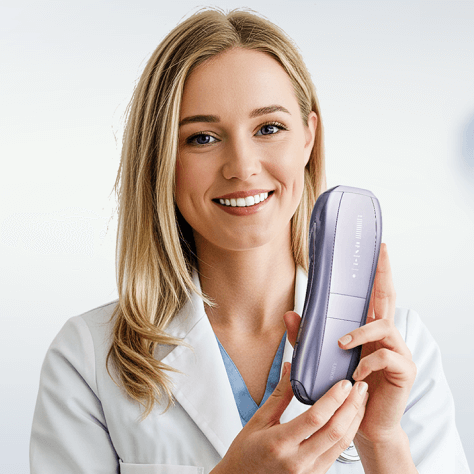
If you want an FDA-cleared, nearly painless, effective, and long-lasting hair removal tool, Ulike IPL Hair Removal is what you should get without further delay.
It has a global certification for safety at home, and you can operate it without expert assistance. In addition, this product promises a silky-smooth bikini line devoid of objectionable hair in about four weeks.
This product is designed for home use, allowing individuals to achieve professional-quality results in the comfort of their own space.
This home-use design not only saves time but also offers \1, making it easier to incorporate into your routine.
This home-use design makes it accessible for anyone, eliminating the need for salon visits.
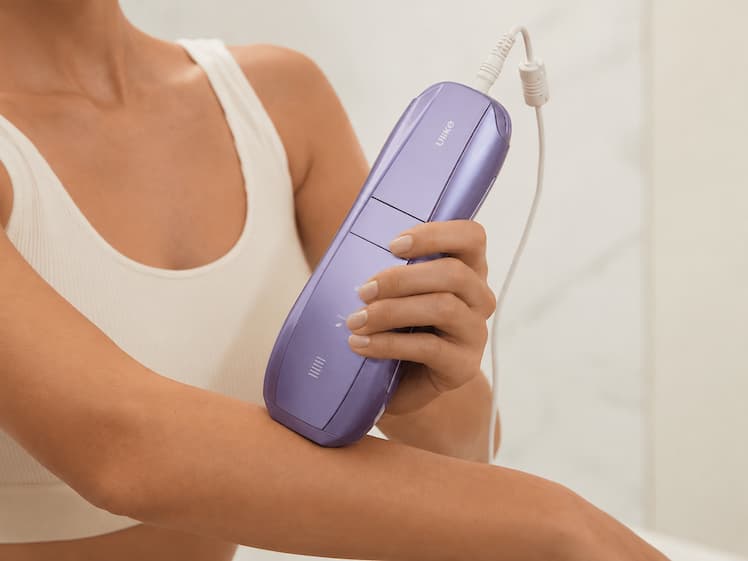
An impressive highlight of Ulike Sapphire IPL hair removal is its suitability for all body parts. It’s the solution to the bushy pits, annoying chin hair, and the elusive, spiky hairs in the bikini line.
This versatility makes it an excellent choice for those looking for a comprehensive hair removal solution.
Its suitability for all body parts means you can address hair in sensitive areas with ease.
Its ability to treat various areas of the body makes it a \1, catering to diverse hair removal needs and preferences.
This versatility not only meets individual preferences but also adapts to different hair types.
Au Revoir to pains because you want to maintain hairlessness! With Ulike, zapping has no place. The ingenious ice-cooling technology close to its surface makes everything comfortable as you watch yourself looking at the real you.
The \1 enhances comfort, transforming the hair removal process into a more enjoyable experience, free from discomfort.
By minimizing discomfort, this technology helps encourage more frequent use, aiding in achieving your hair removal goals.
The ice-cooling technology aims to enhance the experience, making hair removal less daunting and more approachable.
By using ice-cooling technology, this method may help alleviate the sensation of pain typically associated with hair removal.
Ice-cooling technology is designed to minimize discomfort, making the process more tolerable for users.
This technology can significantly improve the user's experience, making hair removal feel more comfortable and less intimidating.
Bottom Line
Hair removal methods that remove undesired hairs from their roots are the best. Modern options like the Ulike IPL device solve the problem of pain using super cooling technology. Moreover, it works for all body parts and most skin types.
You May Like:
Epilator vs. IPL Hair Removal: Which Method is Better for You?

Featured Products

Ulike Air 10
2 weeks to silky smooth skin.
96% Hair Density Reduction
The next-generation in simple,
lasting hair removal.

Best Underarm Hair Removal Options: What Should You Choose?
How Much Is Electrolysis Hair Removal? Let’s Break It Down

Laser to Remove Ingrown Hair: Does It Really Work?

Explore Beauty
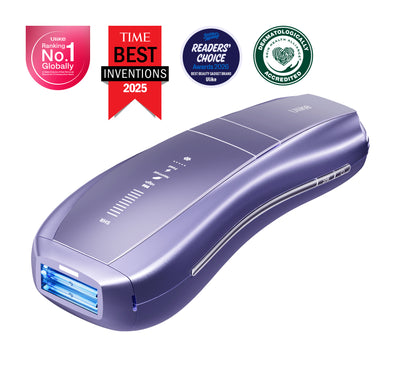
Ulike Air 10
2 weeks to silky smooth skin.
96% Hair Density Reduction in 2 Weeks
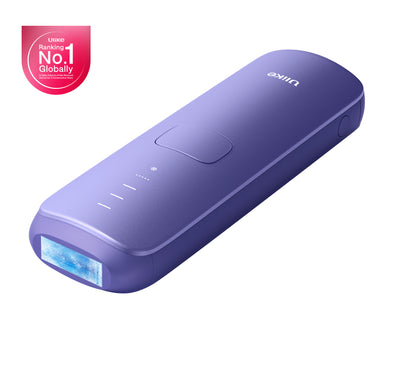
Ulike Air 3
3 weeks to silky smooth skin.
93% Hair Density Reduction in 4 Weeks
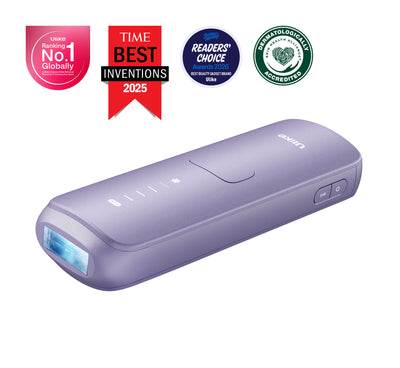
Ulike Air 4
4 weeks to silky smooth skin.
95.8% hair reduction in just 2 weeks*
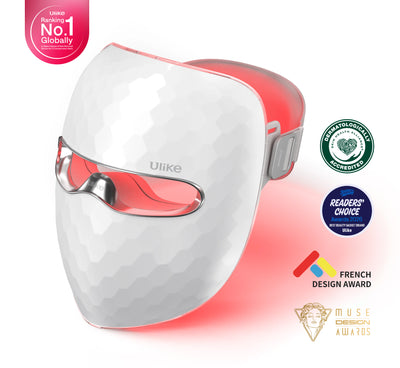
Ulike Reglow
Clearer skin in 2 weeks: Fewer breakouts
Smoother skin in 4 weeks: Fewer lines, firmer feel