 Ulike ReGlow Pro★ 5.0 (511)


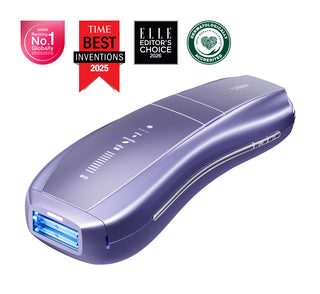
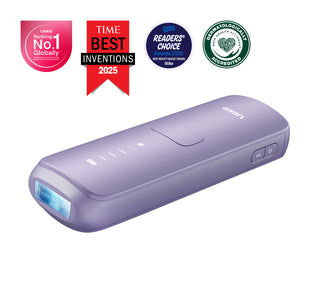


Table of Contents
Removing facial hair can become frustrating when shaving causes irritation, waxing feels uncomfortable, or new hairs appear soon after plucking. Face laser hair removal offers a longer-lasting way to reduce visible growth on areas such as the upper lip, chin, cheeks, sideburns, and jawline.
The process is more involved than booking one quick appointment. Your natural hair color, skin tone, hormones, treatment schedule, and choice of provider can all influence the outcome.
You should also approach the procedure with realistic expectations. Laser treatment can produce significant, long-term hair reduction, but some regrowth may occur. This guide explains how treatment works, what it costs in the US, how to prepare, and whether at-home IPL may suit your maintenance routine.

Table of Contents:
- Part 1: What Is Face Laser Hair Removal?
- Part 2: How Does Laser Facial Hair Removal Work?
- Part 3: Treatable Facial Areas
- Part 4: Who Is a Good Candidate for Facial Laser Hair Removal?
- Part 5: Pre-Treatment Preparation Steps
- Part 6: What to Expect During a Facial Laser Session
- Part 7: How Much Is Laser Hair Removal for Face?
- Part 8: Post-Treatment Care and Recovery
- Part 9: Results, Longevity, and Maintenance
- Part 10: Side Effects and Safety Considerations
- Part 11: At-Home IPL Solutions for Smoother Facial Skin
- Part 12: Conclusion
- Part 13: Frequently Asked Questions
Part 1: What Is Face Laser Hair Removal?
Put simply, face laser hair removal is a professional procedure that uses concentrated light to heat pigment inside facial hair follicles. This heat damages the follicle and reduces its ability to grow new hair.
Treatment usually requires several appointments because the laser works most effectively on hairs that are actively growing. Results often include slower growth and finer, less visible regrowth rather than the permanent removal of every strand.
Part 2: How Does Laser Facial Hair Removal Work?
To understand laser facial hair removal, think of the hair pigment as the laser’s target. The device sends a controlled beam of light into the skin, where melanin in the hair absorbs its energy.
That absorbed light changes into heat. The heat travels down the hair shaft and damages structures inside the follicle that support future growth. A trained provider adjusts the wavelength, pulse length, and energy to suit your skin tone and hair characteristics.
Hair grows in different stages, and the laser works best during the active growth phase. Because only some facial hairs are active during each appointment, most people need a series of treatments spaced several weeks apart.
Modern systems may use alexandrite, diode, or Nd:YAG technology. The right option depends partly on your complexion and the provider’s experience treating similar skin tones.
Part 3: Treatable Facial Areas
Once you understand the process, you can decide whether to target one small section or combine several areas. The time estimates below cover the active laser treatment and may not include cleansing, photography, numbing, or consultation.
- Upper lip — around 2 to 5 minutes: This compact area is quick to cover, although many people find the skin beneath the nose particularly sensitive.
- Chin — around 5 to 10 minutes: Chin treatment often focuses on darker, coarse hairs that return quickly after shaving or plucking.
- Jawline — around 10 to 15 minutes: The provider can reduce scattered growth or create a more defined border around wanted facial hair.
- Sideburns — around 5 to 10 minutes: Careful marking helps preserve the intended shape and prevents the laser from reaching wanted scalp hair.
- Cheeks — around 5 to 10 minutes: Laser may help with visible, pigmented hairs but usually offers limited results on fine, pale peach fuzz.
- Full face — around 20 to 30 minutes: Coverage may include the cheeks, chin, upper lip, jawline, and sideburns. Always confirm how the clinic defines a full-face appointment.
These times are approximate. The upper lip commonly takes only a few minutes, while wider areas naturally require longer coverage.
Part 4: Who Is a Good Candidate for Facial Laser Hair Removal?
With the treatment areas in mind, the next question is whether facial laser hair removal will work well for your hair and skin combination.
Dark, coarse facial hair generally responds more readily because it contains enough pigment to absorb the laser’s energy. Blonde, red, gray, and white hair usually responds less predictably because it contains less melanin.
People with darker skin tones may also receive laser treatment, but the provider must use suitable technology and carefully selected settings. Experience matters because the laser needs to heat the hair while limiting unnecessary energy absorption by the surrounding skin.
Hormonal conditions, including polycystic ovary syndrome, may cause new hairs to develop over time. Laser can still reduce existing growth, but additional sessions or regular maintenance may be necessary.
A consultation is especially important when facial hair appears suddenly, becomes much thicker, or develops alongside other symptoms. A healthcare professional can determine whether an underlying hormonal or medical issue needs evaluation.
Part 5: Pre-Treatment Preparation Steps
Before laser hair removal for face treatment, careful preparation can improve consistency and reduce avoidable irritation. Your provider should give you instructions based on the equipment and your skin.
- Limit tanning and sun exposure. A recent tan increases pigment in the skin, making it harder for the laser to distinguish between the skin and hair. Avoid tanning beds and sunless tanners as directed.
- Stop removing hair from the root. Waxing, threading, tweezing, and epilating pull the target from the follicle. Clinics commonly recommend avoiding these methods for several weeks before treatment.
- Shave instead. Your provider may ask you to shave the area one or two days before the appointment. Short surface hair helps the energy reach the follicle without burning longer hair above the skin.
- Review your products and medicines. Share details about prescription drugs, over-the-counter medicines, supplements, retinoids, recent isotretinoin use, cold sores, scarring, or keloids. Do not stop prescribed medication without medical advice.
You should also arrive with clean skin unless the clinic advises otherwise. Remove makeup, sunscreen, oils, perfume, and other products from the treatment area.
Part 6: What to Expect During a Facial Laser Session
When appointment day arrives, facial hair reduction treatment usually follows a simple in-office process. The provider first checks your skin, confirms the planned areas, and may mark the treatment boundaries.
You and everyone else in the treatment room will wear protective eyewear. The provider may then use cooling gel, chilled air, or a device with built-in cooling. Numbing gel may be offered for sensitive areas, although it needs time to take effect.
During treatment, the handpiece releases short pulses while the provider moves methodically across the skin. Many patients compare the sensation to warm pinpricks or a rubber band snapping against the face.
You may also notice a slight sulfur-like smell as the laser affects exposed hair. That does not necessarily indicate that the skin is burning.
Once the session ends, the provider may apply a cool compress or soothing product. Redness and mild swelling around the follicles are common, but most people can continue with their normal day.
Part 7: How Much Is Laser Hair Removal for Face?
Now for the budgeting question: how much is laser hair removal for face treatment in the US? Prices vary widely between cities, providers, and treatment areas.
Small zones such as the upper lip or chin commonly cost around $100 to $300 per session. Treating several facial areas or the full face may cost roughly $200 to $500 or more per appointment. One major national provider currently lists laser hair removal prices ranging from $99 to $649 per session across different treatment areas.
A broader national statistic lists an average of $697 for laser skin treatments, although that figure includes treatments beyond small facial areas and does not represent a fixed face-only price.
When comparing quotes, ask what the price includes:
- Consultation and patch testing
- Upper lip, chin, cheeks, or full-face boundaries
- Number of sessions in the package
- Expiration rules for prepaid treatments
- Maintenance appointments
- Fees for cancellations or rescheduling
Health insurance generally treats cosmetic hair removal as an elective service, so coverage is uncommon. Coverage may differ when treatment relates to a diagnosed medical condition, but you should confirm benefits directly with your insurer.
Part 8: Post-Treatment Care and Recovery
After the appointment, following the correct laser hair removal aftercare routine helps your skin settle. Redness, warmth, sensitivity, and small swollen bumps around the follicles may resemble a mild sunburn.
Apply a cool compress if your provider recommends one. Wash gently with lukewarm water and avoid rubbing, picking, or aggressively exfoliating the area.
Your provider may ask you to pause retinoids, exfoliating acids, scrubs, fragranced products, and other potentially irritating skincare. The exact waiting period depends on your skin reaction and treatment settings.
You may also need to temporarily avoid hot showers, saunas, intense exercise, swimming, and activities that create heat or friction. Follow the timeframe supplied by your provider instead of using a universal rule.
Sun protection is particularly important. Keep treated skin out of direct sunlight and use a broad-spectrum, water-resistant SPF 30 or higher once your provider allows it.
Part 9: Results, Longevity, and Maintenance
As your skin recovers, facial laser treatment results usually become clearer over the following days and weeks. Treated hairs may appear to continue growing before they loosen and shed.
The American Academy of Dermatology notes that patients may see around 10% to 25% hair reduction after the first treatment. Many people need between two and six sessions, although facial hair influenced by hormones may require a longer course.
Appointments are often scheduled every four to six weeks. This timing gives another group of follicles a chance to enter the active growth stage.
After the initial course, reduced growth may last for months or years. When hair returns, it often appears finer, lighter, or less dense. However, dormant follicles can become active, and hormonal changes can encourage new growth.
Maintenance varies by person. Some people book an occasional touch-up, while others need several appointments each year. The procedure is better described as long-term hair reduction than permanent removal.
Part 10: Side Effects and Safety Considerations
Although most reactions are mild, understanding facial laser hair removal side effects helps you recognize what is expected and what may require attention.
Temporary discomfort, redness, and swelling commonly last one to three days. Cooling the area and following aftercare instructions usually helps these effects settle.
Less common complications include:
- Blistering or burns
- Darkening or lightening of the skin
- Infection
- Scarring
- Cold sore outbreaks
- Persistent pain or inflammation
Choosing an experienced medical professional reduces risk. Ask how often the provider treats people with your skin tone, which laser they use, and how they select the settings. The American Academy of Dermatology recommends choosing a board-certified dermatologist for laser treatment because inappropriate use can cause burns, scars, and lasting pigment changes.
Contact the clinic if you develop blisters, significant swelling, worsening pain, drainage, or spreading redness. Prompt medical assessment may be appropriate when symptoms continue to worsen.
Part 11: At-Home IPL Solutions for Smoother Facial Skin
For people who prefer regular maintenance at home, at-home IPL hair removal provides another option. IPL uses multiple wavelengths of broad-spectrum light, while an in-office laser uses a more concentrated beam. The two methods should not be treated as identical.
Home IPL generally works best when pigmented hair contrasts with a compatible skin tone. It may perform poorly on light blonde, red, gray, or white hair. Some deeper skin tones may also fall outside a device’s safe compatibility range because the surrounding skin can absorb too much light.
Check the manufacturer’s skin-and-hair chart, patch-test the area, and follow the facial-use boundaries in the manual. Keep the device away from the eyes, eyelids, eyebrows, tattoos, dark moles, and any area the instructions exclude.
Ulike Air 10: Advanced IPL Technology for Faster, More Comfortable Facial Hair Maintenance
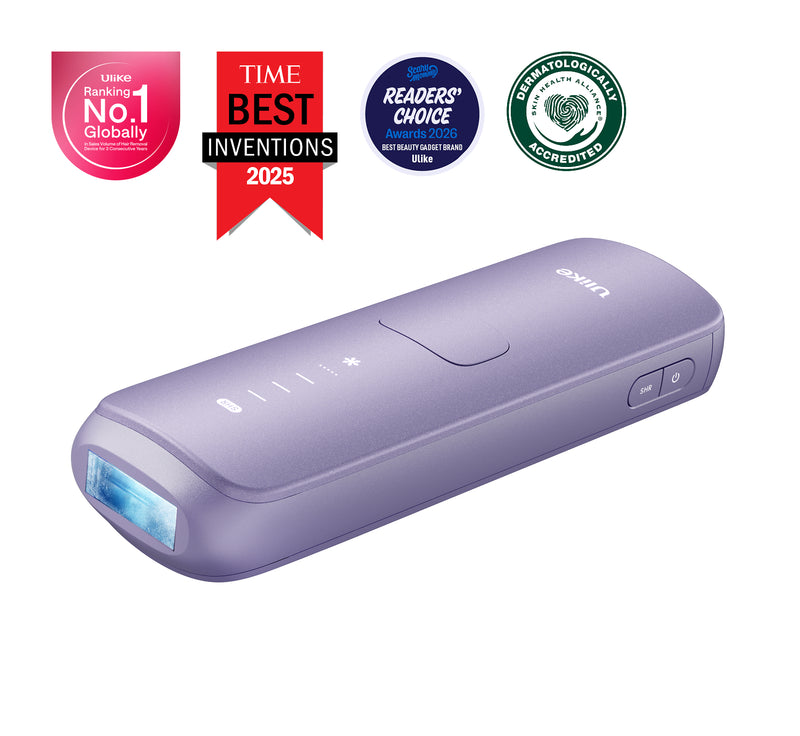
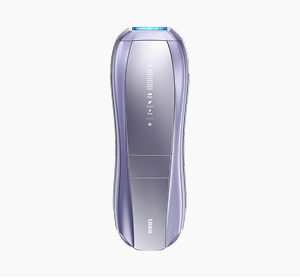
For users managing coarse chin or jawline growth, the Ulike Air 10 takes a performance-focused approach. Its Dual Lights, wider treatment window, SkinSensor, and high-energy SHR mode help distinguish it from simpler IPL devices. These features make it better suited to frequent, structured maintenance when speed and stubborn hair coverage matter.

- The Air 10 uses two light sources rather than one. In practical use, faster flashes and a wider window can reduce the time spent treating the jawline, chin, and sideburn area. They may also make it easier to maintain even spacing without repeatedly covering the same patch.
- SHR mode produces a four-pulse burst with up to 26 joules of cumulative energy. This mode is intended for resilient or coarse growth, making it particularly relevant for dense hair along the lower face.
- The SkinSensor detects skin tone, automatically adjusts output, and stops flashing on areas it identifies as too dark.
- Sapphire Ice Cooling maintains a listed contact temperature of around 65°F. That cooling can matter around the upper lip and chin, where repeated flashes may otherwise feel increasingly warm.
- AutoGlide provides continuous flashing, reducing repeated button presses.
Ulike Air 4: Gentle, Convenient IPL Hair Reduction for Regular Facial Touch-Ups
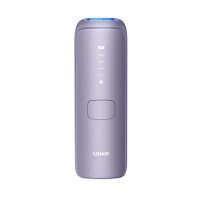
For routine touch-ups and mixed hair thickness, the Ulike Air 4 emphasizes adjustable treatment modes rather than the Air 10’s dual-light system and automatic skin sensing. Its four distinct modes let users move between gentler maintenance and more intensive treatment without relying on one output pattern for every area.

- Four Treatment Modes: Soft Mode uses faster flashes for fine hair and touch-ups. Body Mode balances speed and energy for fine-to-normal growth, while Power Mode increases intensity for thicker hair. USHR Mode delivers multi-pulse bursts for isolated coarse hairs. This range can be useful when the upper lip needs a gentler approach but the chin responds better to higher power.
- Energy and Flash Speed: The Air 4 offers up to 24 joules of maximum energy, an energy density of 7.2 J/cm², and a fastest listed flash interval of 0.4 seconds.
- Sapphire Ice Cooling: Keeps the flash window at a listed 64.4°F during extended use.
- AutoGlide: Starts continuous flashes with one press, so the user can guide the handset without holding the button throughout the session.
Part 12: Conclusion
Face laser hair removal can make sense when shaving, waxing, or tweezing no longer fits your routine. However, the quality of the consultation matters as much as the treatment itself. A skilled provider should assess your skin tone, hair pigment, growth pattern, medical history, and expectations before recommending a schedule.
At-home IPL may offer a practical maintenance option for compatible users, but it requires disciplined use and careful attention to safety instructions. It also differs from the focused laser systems used in clinics.
Rather than choosing solely by price or bold performance claims, consider the provider’s qualifications, device suitability, aftercare support, and the time you can realistically commit. A thoughtful decision is more likely to produce manageable, lasting results without placing unnecessary stress on your skin.
Part 13: Frequently Asked Questions
Q1: Is laser hair removal good for the face?
Yes, laser hair removal is a popular option for reducing unwanted facial hair over the long term. It can help minimize ingrown hairs, slow regrowth, and reduce the need for frequent shaving or waxing. The treatment generally works best on dark, coarse hair, although newer laser technologies can safely treat a wider range of skin tones when performed by a qualified provider.
Q2: Can you get laser hair removal with Hashimoto's disease?
Yes, people with Hashimoto's disease can usually undergo laser hair removal. However, it is important to have your thyroid condition well managed before starting treatment. Hormonal fluctuations caused by uncontrolled thyroid levels may encourage new hair growth, which can affect how well the treatment works and increase the need for maintenance sessions.
Q3: What are the disadvantages of laser on face?
Laser hair removal on the face may cause temporary redness, swelling, or mild skin irritation after treatment. Less common risks include pigmentation changes, blistering, scarring, or infection, especially if aftercare instructions are not followed. Multiple treatment sessions are usually required, and consistent sun protection is important to help reduce the risk of skin discoloration.