Facial Hair Removal 101: The Essential Handbook for Hair-Free Face
Hair Removal

Facial Hair Removal 101: The Essential Handbook for Hair-Free Face

While facial hair is natural, society considers women hairless. So, if any woman grows hair on her face, people make it a taboo, making women lose confidence. Also, sometimes excess facial hair grows as a disease presentation, which adds to the discomfort.  So, people go for several temporary and long-lasting methods of hair removal to achieve hairless skin that looks flawless, makes makeup application spotless, and improves skincare product absorption. Each hair removal method differs with respect to cost, effects, results, and pain. In this article, you will learn about facial hair removal.  Causes of Excess Facial Hair Excess facial hair can be due to: Identifying the causes of excess facial hair is crucial for addressing the issue effectively. Hormonal Imbalance Excess male hormone testosterone or a lack of female hormone estrogen to counterbalance it leads to the eruption of unwanted hair on the face. These hairs grow in the pattern of male facial hair growth, with the hair most obvious on the chin, upper lips, and jawlines.  Excess hair growth can also occur between the eyebrows, on the eyes, and in the nose. Medical conditions like polycystic ovarian syndrome, adrenal gland disorders, and ectopic hormonal production can lead to excess facial hair.  Understanding medical conditions is important as they can significantly influence hair growth patterns. Genetics At most times, excess hair is just in your genetics. This means your mother or father’s side of the family has genes to grow too much facial hair and those genetics have been transmitted to you. Such excess facial hair could be with or without some underlying disease which is determined by genetics.  For example, some genetic disorders like hirsutism and hypertrichosis run in families and they can be the culprit behind you having unwanted excess facial hair.  Genetic factors play a key role in determining your predisposition to excess facial hair. Medications As a side effect, the persistent use of some medications can stimulate hair follicles to produce thicker, longer, and more hair on the face.  Medication side effects can often be overlooked, yet they are a common cause of increased facial hair growth. Common medicines known to cause hirsutism include steroids in the form of oral contraceptive pills, anabolic hormones; minoxidil, a medicine used to treat baldness; and cyclosporin, a drug that suppresses the immune system can cause excess facial hair growth in women as well as men. Systemic and Skin Conditions Some systemic diseases that temper with hormone production, like POEMS and Cushing’s syndrome, can trigger excess hair growth.  Systemic diseases can disrupt hormonal balance, leading to unwanted hair growth. In addition, some skin conditions like acne, which makes hair more visible; porphyria Cutanea Tarda, in which skin is more sensitive to the sun and produces hair as a defense mechanism; and dermatomyositis, an autoimmune skin disease, can form a part of the etiology of excess facial hair growth.  Physiological Hormonal Changes If you notice excess facial hair growth as you enter puberty, exit adulthood, or are ready to welcome your newborn, it is the physiological hormonal changes giving way to the objectionable facial appearance. Hormonal changes during significant life stages can lead to temporary or persistent facial hair growth. There is an alteration in the type and quantity of reproductive hormones produced in conditions like puberty, menopause, and pregnancy. These hormones are the ones that determine secondary sexual characteristics like facial hair.  The Top 8 Facial Hair Removal Methods  Here are the top 8 facial hair removal methods that you can try to reduce excess facial hair safely: 1. IPL Hair Removal IPL hair removal is one of the most popular ways to remove objectionable hair at home. IPL hair removal technology uses light to target hair follicles, making it a popular choice for many seeking a more permanent solution. How it Works IPL hair removal uses a handheld device that might be powered by the main supply or a battery to deliver broad-spectrum light in a wavelength ranging from 500 nm to 1200 nm. This light destroys hair follicles after going to the hair roots through hair strands.  Benefits Significant hair regrowth reduction  Significant hair regrowth reduction means that many users experience a noticeable decrease in hair density over time. Results lasting for 6 months or so Results lasting for 6 months or so can vary based on individual hair growth cycles and treatment frequency. Super fast treatments  Super fast treatments allow for quick sessions, making it convenient for those with busy schedules. Cost-effective in the long term  Cost-effective in the long term as fewer treatments may be needed compared to traditional methods, leading to savings over time. Relatively nearly painless Relatively nearly painless methods of facial hair removal can make the experience more comfortable, appealing to those who may be sensitive to discomfort. Can be done at home  Can be done at home means that individuals have the flexibility and convenience to manage their facial hair removal routines without needing to visit a salon. Side Effects Mild stinging sensation  Mild stinging sensation is often temporary and may vary depending on individual sensitivity to hair removal methods. Skin redness and swelling  Skin redness and swelling are common reactions that may occur after hair removal but typically subside quickly. 2. Waxing Waxing is the use of a sticky substance that might be soft or hard to adhere to the hair.  Waxing can be an effective technique for achieving smooth skin, and understanding the types of wax used can enhance the experience. How it Works Waxing material, when pulled off the facial surface, removes hair from the roots. A homemade wax in the form of sugaring can be prepared. It is gentle on the delicate skin of the face.  Waxing material works effectively to remove hair from the roots, which can result in longer-lasting smoothness compared to other methods. In addition, waxing strips can be used for a quick and hassle-free waxing session.  Waxing strips are a convenient option for those looking for a quick and effective solution, making hair removal accessible for busy lifestyles. Benefits Is effective for 3 to 6 weeks This method can provide long-lasting results, making it a popular choice for those seeking to maintain a hair-free appearance. Exfoliates the skin Exfoliation can promote a smoother skin texture and may enhance the effectiveness of other skincare products. Hair grows back to be thinner and weaker over time Over time, this can lead to less frequent hair removal sessions, which can be a significant advantage for users. Side Effects Painful Discomfort levels may vary from person to person, and it is advisable to consider pain management options. This can lead to ingrown hair and hair follicle infection  Ingrown hairs can be frustrating, but proper aftercare can help minimize this risk. Can cause micro tears in the skin Micro tears can be particularly concerning for those with sensitive skin, so gentle techniques are recommended. 3. Threading Threading, as the name implies, involves using a thread to remove unwanted hair on the face. Threading is a precise technique that allows for greater control and detail, especially for shaping eyebrows. How it Works Mostly done for upper lips and eyebrows, a twisted thread grabs the hair near the skin surface and pulls it out of the roots as it is moved.  This technique is favored for its ability to create defined lines and shapes, making it ideal for facial grooming. It removes multiple strands of hair at one time and removes hair quickly and makes sure no hair is left behind.  This method is effective for achieving a smooth finish, as it efficiently targets multiple hairs simultaneously. Benefits Skin-friendly for the facial skin Gentle on the skin, this method minimizes irritation, making it suitable for most facial areas. Results last for a month or more Long-lasting results mean you can enjoy a hair-free face without frequent upkeep. There is absolutely no cost of threading  Cost-effective as it eliminates the need for ongoing salon treatments. Can grab every length of a hair strand Versatile in hair removal, it can effectively handle fine, short, or long hairs. Side Effects Painful and uncomfortable Expect some discomfort during the process, as this method can cause temporary pain. Not safe for sensitive skin Individuals with sensitive skin should consider alternatives to avoid adverse reactions. May grab the skin in addition to hair Be cautious, as this method can sometimes pull the skin, leading to potential irritation. 4. Shaving Shaving is a technique of hair removal similar to derma planning which can be done at home without the need for an aesthetician. Shaving is a popular choice among individuals seeking quick facial hair removal, offering a convenient at-home option. How it Works It is the use of a specific shaving razor designed for the face, pulling the skin tight, and trimming the hair from the skin surface with small strokes of the razor.  This method effectively trims hair while promoting smoother skin by using specific techniques to minimize irritation. Benefits Super fast hair removal takes only a minute or two for full face.  Speed is a key advantage of shaving, making it ideal for those with busy schedules who need quick results. Nearly painless Many find shaving to be a gentle method compared to other hair removal techniques, which may cause more discomfort. Can be used to remove dead skin cells and trapped impurities as well This technique not only removes hair but also helps rejuvenate the skin by eliminating dead skin cells. Extremely inexpensive  Affordability makes shaving a practical choice for individuals looking for effective hair removal without breaking the bank. Side Effects Can cause skin redness, bumps, ingrown hair, razor burns, infection, and cuts Blunt hair regrows back within a few days 5. Tweezing or Plucking Tweezer or plucking is one of the most used methods to remove unwanted facial hair. How it Works Tweezing is the use of a tweezer to grab and pull individual strands of hair from the skin manually. A Tweezer is a forceps-like tool made of metals.  Plucking is the removal of unwanted hair from the face by using a thread or a tweezer.  Benefits Results lasting for a month or so Perfect for chin hair and stray hair on the eyebrows  Hair removal with precision  Easy to maintain  Side Effects Can cause pain or discomfort  Time-consuming  This can lead to bumps on the skin 6. Hair Removal Creams Although commonly used for the body, hair removal creams are available for excess facial hair as well. How it Works They contain proteolytic chemicals that remove unwanted hair by breaking the protein bonds present in hair strands at a specific point. The results of depilatory creams last longer than shaving and shorter than waxing.  Benefits Cause no pain or discomfort  Takes 3 to 5 minutes for the facial hair removal  Some creams contain skin-soothing ingredients as well Side Effects Lingering chemical smell Can cause skin irritation, allergy, and chemical reaction  7. Laser Hair Removal Laser hair removal has been the dream procedure of women to go hair removal until the launch of IPL hair removal. How it Works Laser hair removal is a professional procedure in which the professional uses a diode of Nd: Yag laser machine which emits mono-chromatic rays of the light. These rays just like IPL, reach the hair follicles and burns them.  However, this beam is more intense and it treats one section of hair at one time as compared to IPL and can only be done at a laser clinic or salon.  Benefits Hairlessness lasting for a year and more Precise hair removal leaving skin intact  Non-invasive procedure  Safe for skin  Side Effects Painful with variable intensity  Skin redness, swelling, and photosensitivity  Laser burns, blisters, and scarring  8. Electrolysis  Electrolysis literally means the breakdown of unwanted hair using electricity.  How it Works It is the passage of the current using a thin filament-like wire into the hair. This current burns hair follicles in a way that they can never regenerate again.  Each session of electrolysis can take a while as individual hair strands are treated at one time. Also, it is expensive.  Benefit The only FA-cleared method of hairlessness lasting forever  Can be done on any hair color and any skin type  Suitable for small areas like the face Side Effects Skin discoloration Infection of hair follicles  Skin scarring  The 5 Best Methods to Remove Facial Hair Naturally At Home 1. Alum and Rose Water Although alum is used commonly for its astringent properties, it works as a hair removal agent as well. To remove hair with alum, take 1 tablespoon of finely grained alum powder and add 2 tablespoons of rose water into it to make a well-mixed solution.  Then apply this mixture to the area of the face you want to treat and wait for it to dry. When it is dry, repeat the application 2 to 3 times and rub it off the face gently. It will remove unwanted hair and also reduce its growth eventually.  2. Corn Starch and Egg White Corn starch and egg white make a peel-off mask to eradicate unwanted hair from the roots by pulling them out from the skin. To make this mask, squeeze out 1 egg white and mix 1 tablespoon of sugar and 1 tablespoon of cornstarch into it. Mix these contents thoroughly and apply them all over the face.  When this mask is dried, gently remove it in the direction opposite to the direction of hair growth.  3. Sugar, Honey, and Lemon Take about 2 tablespoons of sugar and add 1 tablespoon of honey and 1 tablespoon of sugar. Then heat it at low flame until a thick mixture is formed. This mixture can be used to remove unwanted hair from the face just like waxing. However, it needs no strips and is relatively nearly painless. 4. Gram Flour, Turmeric, and Rose Water  Gram flour can exfoliate the skin and also produce friction to eradicate facial hair. Turmeric works to soften the hair and reduce its regrowth, and rose water ensures that the skin is not irritated with constant rubbing. So, these three can make a magic potion to remove unwanted facial hair. Mix these ingredients in a ratio of 2:1:2 and make a pasty substance. Then apply it all over your skin. When it dries off, wet it again by spraying rose water. When it is damp, use the gentle pressure of your fingertips to rub this mask off in circular motions. Trying this mash twice a week for a few months can help you successfully remove unwanted hair. 5. Gelatin and Milk Unflavoured gelatin and milk can help you eradicate even the thickest of unwanted facial hair with its strong adherence properties. You can use equal amounts of gelatin and milk to heat it into a well-mixture facial peel-off mash.  Then apply it over your skin in a way that the unwanted hair is covered with a thin layer of this mask in the direction of hair growth. Wait for 20 to 30 minutes for the mask to dry and remove it from below upwards in a way that the mask moves in the direction opposite to the hair growth. Related reading 8 Best Hair Removal Creams for Face 2025 7 Supplements to Stop Facial Hair Growth Facial Hair Removal Is Good or Bad for Face Females? How To Take Care of Your Skin Before and After Facial Hair Removal Before Hair Removal A few tips and tricks can help in reducing the potential side effects of facial hair removal methods. So, you can follow the suggestions given below to take good care of your skin. Remove dead cells and impurities by weekly exfoliation  Always wash your face with a cleanser and dry it before using any hair removal method If you are wearing makeup or any skincare product, make sure to thoroughly remove it Go for the facial hair removal method best suited for your skin type Do a patch test every time you try a new method After Hair Removal The following measures can help you deal with the after-effects of facial hair removal. Wash your face with water to soothe the skin Ice the face to calm skin redness  Apply a good moisturizing cream or lotion on your face Stay indoors and wear sunscreen whenever you go outside Conclusion  Facial hair removal can be further divided into different types depending upon the location where it is done as in an in-salon and at home; the results it offers including temporary and long-lasting; and the techniques including natural and instrumental methods.  The best methods for facial hair removal are IPL which is convenient and long-lasting; laser which is semi-long-lasting and precise; electrolysis which is practically long-lasting; waxing which reduces hair regrowth slowly; threading which is inexpensive; shaving which is super fast, and hair removal creams which are a quick fix.  Which of these methods to choose is entirely dependent on your personal facial hair removal requirements and expectations.  Ulike Welcome to Ulike! We hope our expertise can bring value to you.
Nov 26, 2025
Share:

Up to 40% Off
& Free Gifts

Learn More
Table of Contents

While facial hair is natural, society considers women hairless. So, if any woman grows hair on her face, people make it a taboo, making women lose confidence. Also, sometimes excess facial hair grows as a disease presentation, which adds to the discomfort. 

So, people go for several temporary and long-lasting methods of hair removal to achieve hairless skin that looks flawless, makes makeup application spotless, and improves skincare product absorption. Each hair removal method differs with respect to cost, effects, results, and pain. In this article, you will learn about facial hair removal. 

Causes of Excess Facial Hair

Causes of Excess Facial Hair

Excess facial hair can be due to:

Identifying the causes of excess facial hair is crucial for addressing the issue effectively.

Hormonal Imbalance

Excess male hormone testosterone or a lack of female hormone estrogen to counterbalance it leads to the eruption of unwanted hair on the face. These hairs grow in the pattern of male facial hair growth, with the hair most obvious on the chin, upper lips, and jawlines. 

Excess hair growth can also occur between the eyebrows, on the eyes, and in the nose. Medical conditions like polycystic ovarian syndrome, adrenal gland disorders, and ectopic hormonal production can lead to excess facial hair. 

Understanding medical conditions is important as they can significantly influence hair growth patterns.

Genetics

At most times, excess hair is just in your genetics. This means your mother or father’s side of the family has genes to grow too much facial hair and those genetics have been transmitted to you. Such excess facial hair could be with or without some underlying disease which is determined by genetics. 

For example, some genetic disorders like hirsutism and hypertrichosis run in families and they can be the culprit behind you having unwanted excess facial hair. 

Genetic factors play a key role in determining your predisposition to excess facial hair.

Medications

Medications

As a side effect, the persistent use of some medications can stimulate hair follicles to produce thicker, longer, and more hair on the face. 

Medication side effects can often be overlooked, yet they are a common cause of increased facial hair growth.

Common medicines known to cause hirsutism include steroids in the form of oral contraceptive pills, anabolic hormones; minoxidil, a medicine used to treat baldness; and cyclosporin, a drug that suppresses the immune system can cause excess facial hair growth in women as well as men.

Systemic and Skin Conditions

Some systemic diseases that temper with hormone production, like POEMS and Cushing’s syndrome, can trigger excess hair growth. 

Systemic diseases can disrupt hormonal balance, leading to unwanted hair growth.

In addition, some skin conditions like acne, which makes hair more visible; porphyria Cutanea Tarda, in which skin is more sensitive to the sun and produces hair as a defense mechanism; and dermatomyositis, an autoimmune skin disease, can form a part of the etiology of excess facial hair growth. 

Physiological Hormonal Changes

If you notice excess facial hair growth as you enter puberty, exit adulthood, or are ready to welcome your newborn, it is the physiological hormonal changes giving way to the objectionable facial appearance.

Hormonal changes during significant life stages can lead to temporary or persistent facial hair growth.

There is an alteration in the type and quantity of reproductive hormones produced in conditions like puberty, menopause, and pregnancy. These hormones are the ones that determine secondary sexual characteristics like facial hair. 

The Top 8 Facial Hair Removal Methods 

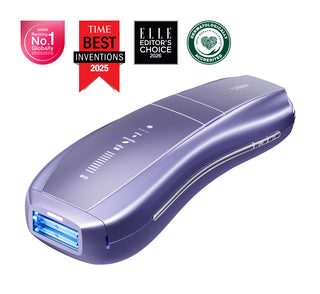
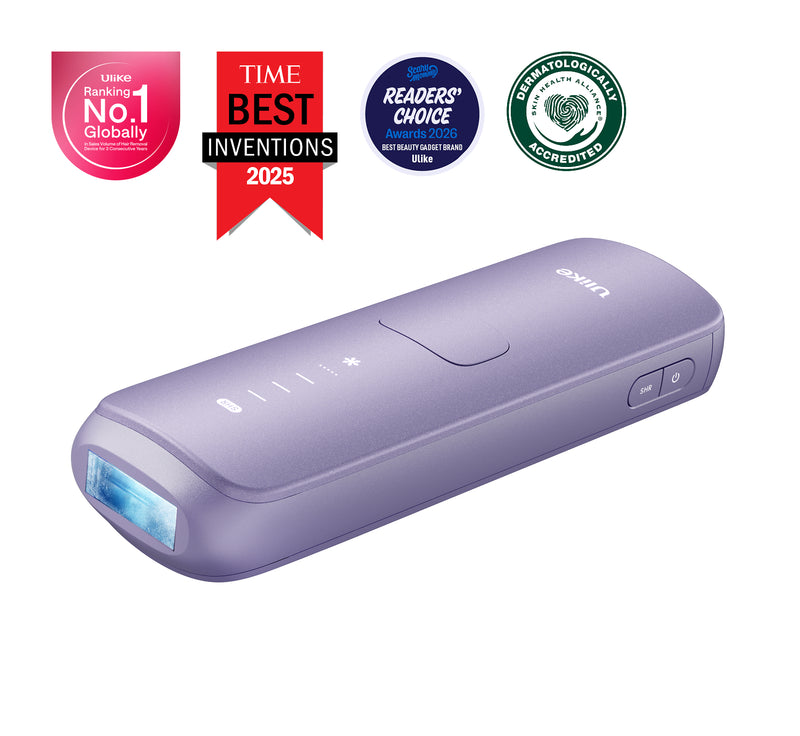
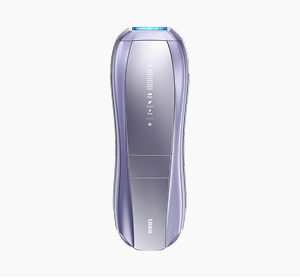
Ulike Air 10 FDA-Cleared

Here are the top 8 facial hair removal methods that you can try to reduce excess facial hair safely:

1. IPL Hair Removal

IPL hair removal is one of the most popular ways to remove objectionable hair at home.

IPL hair removal technology uses light to target hair follicles, making it a popular choice for many seeking a more permanent solution.

How it Works

IPL hair removal uses a handheld device that might be powered by the main supply or a battery to deliver broad-spectrum light in a wavelength ranging from 500 nm to 1200 nm. This light destroys hair follicles after going to the hair roots through hair strands. 

Benefits

  • Significant hair regrowth reduction 
  • Significant hair regrowth reduction means that many users experience a noticeable decrease in hair density over time.

  • Results lasting for 6 months or so
  • Results lasting for 6 months or so can vary based on individual hair growth cycles and treatment frequency.

  • Super fast treatments 
  • Super fast treatments allow for quick sessions, making it convenient for those with busy schedules.

  • Cost-effective in the long term 
  • Cost-effective in the long term as fewer treatments may be needed compared to traditional methods, leading to savings over time.

  • Relatively nearly painless
  • Relatively nearly painless methods of facial hair removal can make the experience more comfortable, appealing to those who may be sensitive to discomfort.

  • Can be done at home 
  • Can be done at home means that individuals have the flexibility and convenience to manage their facial hair removal routines without needing to visit a salon.

Side Effects

  • Mild stinging sensation 
  • Mild stinging sensation is often temporary and may vary depending on individual sensitivity to hair removal methods.

  • Skin redness and swelling 
  • Skin redness and swelling are common reactions that may occur after hair removal but typically subside quickly.

2. Waxing

2. Waxing

Waxing is the use of a sticky substance that might be soft or hard to adhere to the hair. 

Waxing can be an effective technique for achieving smooth skin, and understanding the types of wax used can enhance the experience.

How it Works

Waxing material, when pulled off the facial surface, removes hair from the roots. A homemade wax in the form of sugaring can be prepared. It is gentle on the delicate skin of the face. 

Waxing material works effectively to remove hair from the roots, which can result in longer-lasting smoothness compared to other methods.

In addition, waxing strips can be used for a quick and hassle-free waxing session. 

Waxing strips are a convenient option for those looking for a quick and effective solution, making hair removal accessible for busy lifestyles.

Benefits

  • Is effective for 3 to 6 weeks
  • This method can provide long-lasting results, making it a popular choice for those seeking to maintain a hair-free appearance.

  • Exfoliates the skin
  • Exfoliation can promote a smoother skin texture and may enhance the effectiveness of other skincare products.

  • Hair grows back to be thinner and weaker over time
  • Over time, this can lead to less frequent hair removal sessions, which can be a significant advantage for users.

Side Effects

  • Painful
  • Discomfort levels may vary from person to person, and it is advisable to consider pain management options.

  • This can lead to ingrown hair and hair follicle infection 
  • Ingrown hairs can be frustrating, but proper aftercare can help minimize this risk.

  • Can cause micro tears in the skin
  • Micro tears can be particularly concerning for those with sensitive skin, so gentle techniques are recommended.

3. Threading

Threading, as the name implies, involves using a thread to remove unwanted hair on the face.

Threading is a precise technique that allows for greater control and detail, especially for shaping eyebrows.

How it Works

Mostly done for upper lips and eyebrows, a twisted thread grabs the hair near the skin surface and pulls it out of the roots as it is moved. 

This technique is favored for its ability to create defined lines and shapes, making it ideal for facial grooming.

It removes multiple strands of hair at one time and removes hair quickly and makes sure no hair is left behind. 

This method is effective for achieving a smooth finish, as it efficiently targets multiple hairs simultaneously.

Benefits

  • Skin-friendly for the facial skin
  • Gentle on the skin, this method minimizes irritation, making it suitable for most facial areas.

  • Results last for a month or more
  • Long-lasting results mean you can enjoy a hair-free face without frequent upkeep.

  • There is absolutely no cost of threading 
  • Cost-effective as it eliminates the need for ongoing salon treatments.

  • Can grab every length of a hair strand
  • Versatile in hair removal, it can effectively handle fine, short, or long hairs.

Side Effects

  • Painful and uncomfortable
  • Expect some discomfort during the process, as this method can cause temporary pain.

  • Not safe for sensitive skin
  • Individuals with sensitive skin should consider alternatives to avoid adverse reactions.

  • May grab the skin in addition to hair
  • Be cautious, as this method can sometimes pull the skin, leading to potential irritation.

4. Shaving

Shaving1

Shaving is a technique of hair removal similar to derma planning which can be done at home without the need for an aesthetician.

Shaving is a popular choice among individuals seeking quick facial hair removal, offering a convenient at-home option.

How it Works

It is the use of a specific shaving razor designed for the face, pulling the skin tight, and trimming the hair from the skin surface with small strokes of the razor. 

This method effectively trims hair while promoting smoother skin by using specific techniques to minimize irritation.

Benefits

  • Super fast hair removal takes only a minute or two for full face. 
  • Speed is a key advantage of shaving, making it ideal for those with busy schedules who need quick results.

  • Nearly painless
  • Many find shaving to be a gentle method compared to other hair removal techniques, which may cause more discomfort.

  • Can be used to remove dead skin cells and trapped impurities as well
  • This technique not only removes hair but also helps rejuvenate the skin by eliminating dead skin cells.

  • Extremely inexpensive 
  • Affordability makes shaving a practical choice for individuals looking for effective hair removal without breaking the bank.

Side Effects

  • Can cause skin redness, bumps, ingrown hair, razor burns, infection, and cuts
  • Blunt hair regrows back within a few days

5. Tweezing or Plucking

Tweezer or plucking is one of the most used methods to remove unwanted facial hair.

How it Works

Tweezing is the use of a tweezer to grab and pull individual strands of hair from the skin manually. A Tweezer is a forceps-like tool made of metals. 

Plucking is the removal of unwanted hair from the face by using a thread or a tweezer. 

Benefits

  • Results lasting for a month or so
  • Perfect for chin hair and stray hair on the eyebrows 
  • Hair removal with precision 
  • Easy to maintain 

Side Effects

  • Can cause pain or discomfort 
  • Time-consuming 
  • This can lead to bumps on the skin

6. Hair Removal Creams

Although commonly used for the body, hair removal creams are available for excess facial hair as well.

How it Works

They contain proteolytic chemicals that remove unwanted hair by breaking the protein bonds present in hair strands at a specific point. The results of depilatory creams last longer than shaving and shorter than waxing. 

Benefits

  • Cause no pain or discomfort 
  • Takes 3 to 5 minutes for the facial hair removal 
  • Some creams contain skin-soothing ingredients as well

Side Effects

  • Lingering chemical smell
  • Can cause skin irritation, allergy, and chemical reaction 

7. Laser Hair Removal

Laser Hair Removal2

Laser hair removal has been the dream procedure of women to go hair removal until the launch of IPL hair removal.

How it Works

Laser hair removal is a professional procedure in which the professional uses a diode of Nd: Yag laser machine which emits mono-chromatic rays of the light. These rays just like IPL, reach the hair follicles and burns them. 

However, this beam is more intense and it treats one section of hair at one time as compared to IPL and can only be done at a laser clinic or salon. 

Benefits

  • Hairlessness lasting for a year and more
  • Precise hair removal leaving skin intact 
  • Non-invasive procedure 
  • Safe for skin 

Side Effects

  • Painful with variable intensity 
  • Skin redness, swelling, and photosensitivity 
  • Laser burns, blisters, and scarring 

8. Electrolysis 

Electrolysis literally means the breakdown of unwanted hair using electricity. 

How it Works

It is the passage of the current using a thin filament-like wire into the hair. This current burns hair follicles in a way that they can never regenerate again. 

Each session of electrolysis can take a while as individual hair strands are treated at one time. Also, it is expensive. 

Benefit

  • The only FA-cleared method of hairlessness lasting forever 
  • Can be done on any hair color and any skin type 
  • Suitable for small areas like the face

Side Effects

  • Skin discoloration
  • Infection of hair follicles 
  • Skin scarring 

The 5 Best Methods to Remove Facial Hair Naturally At Home

1. Alum and Rose Water

Although alum is used commonly for its astringent properties, it works as a hair removal agent as well. To remove hair with alum, take 1 tablespoon of finely grained alum powder and add 2 tablespoons of rose water into it to make a well-mixed solution. 

Then apply this mixture to the area of the face you want to treat and wait for it to dry. When it is dry, repeat the application 2 to 3 times and rub it off the face gently. It will remove unwanted hair and also reduce its growth eventually. 

2. Corn Starch and Egg White

Corn starch and egg white make a peel-off mask to eradicate unwanted hair from the roots by pulling them out from the skin. To make this mask, squeeze out 1 egg white and mix 1 tablespoon of sugar and 1 tablespoon of cornstarch into it. Mix these contents thoroughly and apply them all over the face. 

When this mask is dried, gently remove it in the direction opposite to the direction of hair growth. 

3. Sugar, Honey, and Lemon

Sugar, Honey, and Lemon

Take about 2 tablespoons of sugar and add 1 tablespoon of honey and 1 tablespoon of sugar. Then heat it at low flame until a thick mixture is formed. This mixture can be used to remove unwanted hair from the face just like waxing. However, it needs no strips and is relatively nearly painless.

4. Gram Flour, Turmeric, and Rose Water 

Gram flour can exfoliate the skin and also produce friction to eradicate facial hair. Turmeric works to soften the hair and reduce its regrowth, and rose water ensures that the skin is not irritated with constant rubbing. So, these three can make a magic potion to remove unwanted facial hair.

Mix these ingredients in a ratio of 2:1:2 and make a pasty substance. Then apply it all over your skin. When it dries off, wet it again by spraying rose water. When it is damp, use the gentle pressure of your fingertips to rub this mask off in circular motions.

Trying this mash twice a week for a few months can help you successfully remove unwanted hair.

5. Gelatin and Milk

Unflavoured gelatin and milk can help you eradicate even the thickest of unwanted facial hair with its strong adherence properties. You can use equal amounts of gelatin and milk to heat it into a well-mixture facial peel-off mash. 

Then apply it over your skin in a way that the unwanted hair is covered with a thin layer of this mask in the direction of hair growth. Wait for 20 to 30 minutes for the mask to dry and remove it from below upwards in a way that the mask moves in the direction opposite to the hair growth.

How To Take Care of Your Skin Before and After Facial Hair Removal

Before Hair Removal

A few tips and tricks can help in reducing the potential side effects of facial hair removal methods. So, you can follow the suggestions given below to take good care of your skin.

  • Remove dead cells and impurities by weekly exfoliation 
  • Always wash your face with a cleanser and dry it before using any hair removal method
  • If you are wearing makeup or any skincare product, make sure to thoroughly remove it
  • Go for the facial hair removal method best suited for your skin type
  • Do a patch test every time you try a new method

After Hair Removal

The following measures can help you deal with the after-effects of facial hair removal.

  • Wash your face with water to soothe the skin
  • Ice the face to calm skin redness 
  • Apply a good moisturizing cream or lotion on your face
  • Stay indoors and wear sunscreen whenever you go outside

Conclusion 

Facial hair removal can be further divided into different types depending upon the location where it is done as in an in-salon and at home; the results it offers including temporary and long-lasting; and the techniques including natural and instrumental methods. 

The best methods for facial hair removal are IPL which is convenient and long-lasting; laser which is semi-long-lasting and precise; electrolysis which is practically long-lasting; waxing which reduces hair regrowth slowly; threading which is inexpensive; shaving which is super fast, and hair removal creams which are a quick fix. 

Which of these methods to choose is entirely dependent on your personal facial hair removal requirements and expectations. 

Bimi logo 100x
Ulike
Welcome to Ulike! We hope our expertise can bring value to you.
Previous
The Whole Truth about Using Razors Shaving Your Face
Next
IPL Hair Removal Reviews: 6 Devices to Get Hair-Free Skin
Share:
The 10 Best Laser Devices for Men’s Body Hair Removal at Home

The 10 Best Laser Devices for Men’s Body Hair Removal at Home

Hair removal isn’t just for women. Some men do not wish to have unwanted hair on their face, unde...
Nov 24, 2025
5 Dermatologist Recommended At-Home Laser Hair Removal Devices 2025

5 Dermatologist Recommended At-Home Laser Hair Removal Devices 2025

With the advent of technology, you can now be free from waxing, shaving, or tweezing. The latest ...
Nov 24, 2025
Hair on Female Breast: Causes, How to Remove, And More

Hair on Female Breast: Causes, How to Remove, And More

While many of us were growing up, we were told that women are not supposed to have body hair. Onl...
Nov 24, 2025

Need guidance?

Get a free one-on-one consultation

TALK TO AN EXPERT

Explore Beauty

Ulike Air 10

2 weeks to silky smooth skin.

96% Hair Density Reduction in 2 Weeks

Ulike Air 3

3 weeks to silky smooth skin.

93% Hair Density Reduction in 4 Weeks

Leave a comment

All comments are moderated before being published.

This site is protected by hCaptcha and the hCaptcha Privacy Policy and Terms of Service apply.

Back to top