

3 Reasons for Hairy Toes and 7 Methods to Treat Them
Hair Removal

3 Reasons for Hairy Toes and 7 Methods to Treat Them

Hairy toes aren't something most people look forward to, especially for women. If you've noticed hair on toes, you might be wondering, "Why do I have hair on my toes?" — and whether it's a sign of a deeper health issue. While hair on toes, especially on female bodies, can feel embarrassing, it's more common than you might think, and it doesn't necessarily indicate bad health. Despite common myths, having hair on the toes isn't a sign of good circulation or a serious medical condition on its own. Various factors contribute to the development of toe hair, including genetics, hormonal changes, and even certain medications. In this article, we'll dip our toes into the reasons behind women hairy toes, clear up the circulation myth, and walk you through the best ways to remove unwanted hair toe growth — including at-home IPL options like Ulike. Table of Contents: Part 1: Why Are My Toes Hairy? Part 2: Are Hairy Toes a Sign of Good Circulation? Part 3: How to Get Rid of Toe Hair Part 4: Frequently Asked Questions Part 1: Why Are My Toes Hairy? Hair growth varies from person to person, and there are several reasons why some people develop noticeably long toe hair while others stay smooth. If you've typed "why do I have hair on my toes female" into Google late at night, here are the top three answers. Genetics and Hereditary Factors Genetics plays the single biggest role in determining hair growth patterns, including hair on toes, which women inherit from their families. If your parents or grandparents had hairy feet, there's a good chance you'll experience the same. This is because hair follicle development and androgen sensitivity are inherited traits, which is why hair on toes so often runs in families regardless of gender. Hormonal Imbalances Hormones like androgen and testosterone are responsible for the growth of thicker, darker body hair, including toe hair. Women with conditions such as polycystic ovary syndrome (PCOS) may experience an overproduction of these hormones, leading to excess hair growth and, in some cases, noticeably long toe hair. Puberty, pregnancy, and menopause can trigger similar temporary spikes for the same hormonal reasons. Medications That Cause Hirsutism Certain medications can trigger increased hair growth across the whole body, including your toes. Drugs such as anabolic steroids, danazol, and corticosteroids are known to cause excessive hair growth (hirsutism). If you think your medication may be the cause of hair on your toes, consult your doctor about potential alternatives. Note: Hair on your toes is completely normal and usually doesn't pose any health risk. Society often stigmatizes body hair, but there's no need to worry about women’s hairy toes unless it's causing you personal distress. Part 2: Are Hairy Toes a Sign of Good Circulation? You may have seen a viral claim — including a popular trend on social media — that growing toe hair proves you have great blood flow, and that smooth toes signal poor circulation. It's a catchy idea, but it oversimplifies the science. Contrary to popular belief, hair growth on the toes has little to do with blood circulation on its own. Good circulation is essential for overall health, especially cardiovascular wellness, but it doesn't directly determine how much hair you grow on your toes. Understanding the Real Link Between Circulation and Hair Growth Healthy circulation ensures that oxygen and nutrients reach every organ while removing toxins from the body. Hair follicles do need a blood supply to function at all, which is where the "good circulation" myth comes from — but adequate blood flow doesn't automatically mean more visible hair on toes. Some people have excellent circulation and still grow very little toe hair, while others have circulation issues and plenty of it. The main factors affecting hair growth are genetics and hormonal levels, not blood circulation. If you have elevated androgen or testosterone levels, you may notice increased hair on multiple parts of your body, including your toes. When Toe Hair Loss Might Actually Matter Here's the nuance most viral posts skip: it's the loss of toe hair, not the presence of it, that's worth paying attention to. Health resources referencing CDC guidance note that if your toes, feet, and lower legs start losing hair, it can occasionally be an early sign of poor blood circulation or diabetes. If you notice your toe hair thinning or disappearing along with cold feet, numbness, or slow-healing cuts, it's worth mentioning to a doctor — not because hairy toes are unhealthy, but because hair loss in that specific area can sometimes be a subtle early clue. Part 3: How to Get Rid of Toe Hair If you're looking to remove unwanted hair on your toes, whether it's a few strands of long toe hair or fuller coverage across your hairy feet, there are several methods to choose from, each offering varying levels of cost, comfort, and how long results last. At-Home Methods (Quick and Easy) Shaving Shaving is the most affordable and simplest method for removing toe hair. Use a high-quality razor and shaving cream, and shave in the direction of hair growth to prevent ingrown hairs. However, shaving only removes hair at the surface, so regrowth happens quickly. Sugaring and Waxing Waxing and sugaring involve removing hair from the root, offering longer-lasting results than shaving. Although waxing can be painful, especially in small areas like the toes, it prevents hair from regrowing as quickly. While not permanent, waxing is a relatively low-cost way to keep hair on toes at bay for several weeks. Threading Threading is a hair removal technique that uses a looped thread to pull hair from the root. It's a great option for small areas like toes, but it's not as long-lasting as waxing. Threading is also ideal for those with sensitive skin. Hair Removal Creams While hair removal creams are quick and easy, they can cause skin irritation, especially on sensitive areas like the toes. Additionally, some people experience skin discoloration. If you have sensitive skin, it's best to avoid this method. At-Home Long-Lasting Solution: IPL Devices IPL (Intense Pulsed Light) devices have become the go-to option for people who want a long-lasting reduction of hair on their toes without a clinic visit. Devices like the Ulike Air 10 target the pigment in each hair follicle to gradually disable it, and most users report visibly less toe hair within just a few weeks of consistent use. IPL devices work by targeting hair follicles directly, reducing hair regrowth over time rather than just cutting hair at the surface. A simple routine for using an IPL device on hair on toes, female or male skin: Shave the toe area first — IPL targets the follicle beneath the skin, not the surface hair. Start on a lower intensity setting, since the skin around toes and joints is thinner and more sensitive than legs or arms. Glide the device flash-by-flash over each toe, slightly overlapping to avoid missed spots of long toe hair. Treat every 1–2 weeks during the first phase, then space sessions out as regrowth slows. Skip waxing or harsh exfoliants for 48 hours after treatment, and use a gentle moisturizer instead. It's important to follow the manufacturer's instructions and use IPL devices safely. Avoid waxing or using harsh products immediately after treatment — opt for soothing moisturizers to keep your skin healthy. Clinical Hair Removal Methods Electrolysis Treatment Electrolysis is a professional, long-lasting method of hair removal. It involves inserting a small electric current into the hair follicle to destroy it. This method can only be performed by a licensed technician in a clinic and offers permanent hair removal after multiple sessions. Laser Hair Removal Laser hair removal is another clinical option that targets hair follicles using focused light. It's a precise, long-lasting treatment that requires several sessions for optimal results. Although it's more expensive than at-home options, it's one of the most effective ways to remove toe hair for good. If you'd rather stay at home, laser hair removal-style results are also achievable over time with a consistent IPL routine. Note: Both electrolysis and laser treatments are safe, but they require consultations with a licensed dermatologist or professional technician to ensure effectiveness and safety. The Final Verdict Hair on your toes is completely normal and doesn't indicate any serious health problem, except in cases of hormonal imbalance. If you're concerned about hairy toes, especially if they’re causing you discomfort or self-consciousness, there are various methods available to help you manage them. Whether you opt for at-home solutions like shaving or an IPL device routine, or decide to pursue professional treatments like electrolysis or laser hair removal, you can easily manage unwanted hair toe growth and achieve smooth, hair-free toes. Remember, self-acceptance is key. Embrace your body as it is, but feel free to explore hair removal options if it's something you'd prefer to address. Consult a dermatologist or professional if you have any concerns, especially if you suspect your hair growth might be related to a medical condition. Part 4: Frequently Asked Questions Q1: Why do I have hair on my toes? Hair on toes grows for the same reasons hair grows anywhere else on your body: genetics, hormone levels (especially androgens and testosterone), and sometimes medication side effects. If your family members have hairy toes, you're more likely to have them too — it isn't caused by hygiene or health problems. Q2: Is it normal for women to have hairy toes? Yes. Women’s hairy toes are completely normal and very common, even though they’re talked about less than other body hair. Hormonal shifts during puberty, pregnancy, or menopause, as well as conditions like PCOS, can make hair on toes in women more noticeable, but on its own, it isn't a sign of a health problem. Q3: Does having hair on my toes mean I have good circulation? Not exactly. While hair follicles do need a blood supply to survive, the amount of toe hair you have is driven mainly by genetics and hormones, not circulation quality. What is worth watching is the opposite pattern: a noticeable loss of toe hair over time, paired with cold feet or slow-healing cuts, which can occasionally point to a circulation issue worth discussing with a doctor. Q4: Why did I suddenly get long toe hair? A new patch of long toe hair is usually linked to a hormonal shift — puberty, pregnancy, menopause, or a condition like PCOS can all increase androgen levels and thicken existing hair. Certain medications, including steroids and some hormone therapies, can have the same effect. It's rarely a cause for concern, but a doctor can rule out hormonal causes if you're unsure. Q5: What's the best way to remove hair on toes at home? For a quick fix, shaving or a hair removal cream works in minutes. For longer-lasting results without a clinic visit, an IPL device like the Ulike Air 10 reduces regrowth over repeated sessions and is designed to be safe on smaller, sensitive areas like the toes when used as directed. Q6: Is Ulike safe to use for toe hair removal? Yes, when used according to the manufacturer's instructions. Ulike IPL devices are designed for safe at-home use on the face and body, including delicate areas like the toes, as long as you patch-test first, use an appropriate intensity setting, and avoid treating over broken skin, moles, or tattoos. As with any hair removal method, stop and consult a professional if you notice unusual irritation.
Jul 13, 2026
Share:

Up to 40% Off
Limited stock. Limited time.

Buy Now
Table of Contents

Hairy toes aren't something most people look forward to, especially for women. If you've noticed hair on toes, you might be wondering, "Why do I have hair on my toes?" — and whether it's a sign of a deeper health issue. While hair on toes, especially on female bodies, can feel embarrassing, it's more common than you might think, and it doesn't necessarily indicate bad health.


Despite common myths, having hair on the toes isn't a sign of good circulation or a serious medical condition on its own. Various factors contribute to the development of toe hair, including genetics, hormonal changes, and even certain medications. In this article, we'll dip our toes into the reasons behind women hairy toes, clear up the circulation myth, and walk you through the best ways to remove unwanted hair toe growth — including at-home IPL options like Ulike.


Table of Contents:

Part 1: Why Are My Toes Hairy?

Why Are My Toes Hairy?

Hair growth varies from person to person, and there are several reasons why some people develop noticeably long toe hair while others stay smooth. If you've typed "why do I have hair on my toes female" into Google late at night, here are the top three answers.

Genetics and Hereditary Factors

Genetics plays the single biggest role in determining hair growth patterns, including hair on toes, which women inherit from their families. If your parents or grandparents had hairy feet, there's a good chance you'll experience the same. This is because hair follicle development and androgen sensitivity are inherited traits, which is why hair on toes so often runs in families regardless of gender.

Hormonal Imbalances

Hormones like androgen and testosterone are responsible for the growth of thicker, darker body hair, including toe hair. Women with conditions such as polycystic ovary syndrome (PCOS) may experience an overproduction of these hormones, leading to excess hair growth and, in some cases, noticeably long toe hair. Puberty, pregnancy, and menopause can trigger similar temporary spikes for the same hormonal reasons.

Medications That Cause Hirsutism

Certain medications can trigger increased hair growth across the whole body, including your toes. Drugs such as anabolic steroids, danazol, and corticosteroids are known to cause excessive hair growth (hirsutism). If you think your medication may be the cause of hair on your toes, consult your doctor about potential alternatives.


Note: Hair on your toes is completely normal and usually doesn't pose any health risk. Society often stigmatizes body hair, but there's no need to worry about women’s hairy toes unless it's causing you personal distress.

Part 2: Are Hairy Toes a Sign of Good Circulation?

You may have seen a viral claim — including a popular trend on social media — that growing toe hair proves you have great blood flow, and that smooth toes signal poor circulation. It's a catchy idea, but it oversimplifies the science.


Contrary to popular belief, hair growth on the toes has little to do with blood circulation on its own. Good circulation is essential for overall health, especially cardiovascular wellness, but it doesn't directly determine how much hair you grow on your toes.

Understanding the Real Link Between Circulation and Hair Growth

Healthy circulation ensures that oxygen and nutrients reach every organ while removing toxins from the body. Hair follicles do need a blood supply to function at all, which is where the "good circulation" myth comes from — but adequate blood flow doesn't automatically mean more visible hair on toes. Some people have excellent circulation and still grow very little toe hair, while others have circulation issues and plenty of it. The main factors affecting hair growth are genetics and hormonal levels, not blood circulation. If you have elevated androgen or testosterone levels, you may notice increased hair on multiple parts of your body, including your toes.

When Toe Hair Loss Might Actually Matter

Here's the nuance most viral posts skip: it's the loss of toe hair, not the presence of it, that's worth paying attention to. Health resources referencing CDC guidance note that if your toes, feet, and lower legs start losing hair, it can occasionally be an early sign of poor blood circulation or diabetes. If you notice your toe hair thinning or disappearing along with cold feet, numbness, or slow-healing cuts, it's worth mentioning to a doctor — not because hairy toes are unhealthy, but because hair loss in that specific area can sometimes be a subtle early clue.

Part 3: How to Get Rid of Toe Hair

If you're looking to remove unwanted hair on your toes, whether it's a few strands of long toe hair or fuller coverage across your hairy feet, there are several methods to choose from, each offering varying levels of cost, comfort, and how long results last.

At-Home Methods (Quick and Easy)

Shaving

Shaving is the most affordable and simplest method for removing toe hair. Use a high-quality razor and shaving cream, and shave in the direction of hair growth to prevent ingrown hairs. However, shaving only removes hair at the surface, so regrowth happens quickly.

Sugaring and Waxing

Waxing and sugaring involve removing hair from the root, offering longer-lasting results than shaving. Although waxing can be painful, especially in small areas like the toes, it prevents hair from regrowing as quickly. While not permanent, waxing is a relatively low-cost way to keep hair on toes at bay for several weeks.

Threading

Threading is a hair removal technique that uses a looped thread to pull hair from the root. It's a great option for small areas like toes, but it's not as long-lasting as waxing. Threading is also ideal for those with sensitive skin.

Hair Removal Creams

While hair removal creams are quick and easy, they can cause skin irritation, especially on sensitive areas like the toes. Additionally, some people experience skin discoloration. If you have sensitive skin, it's best to avoid this method.

At-Home Long-Lasting Solution: IPL Devices

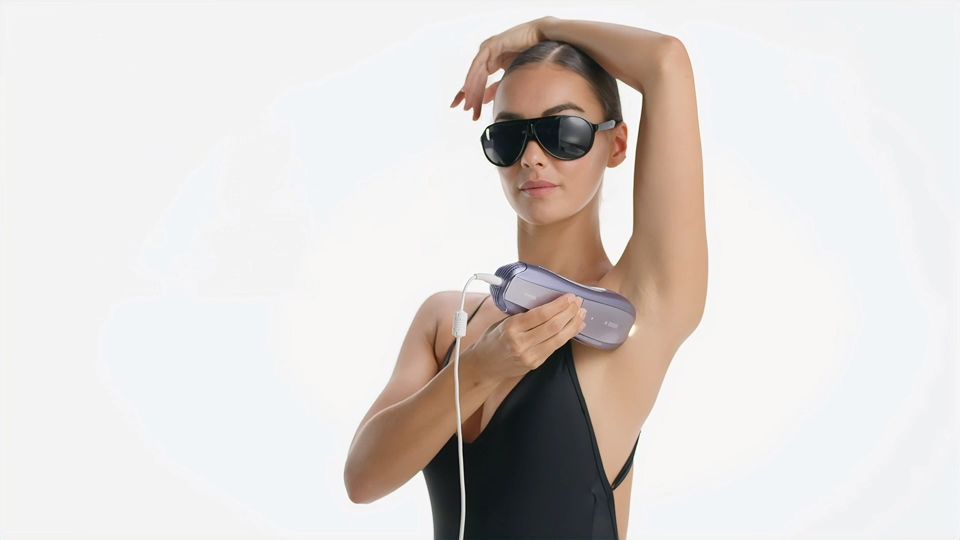
IPL (Intense Pulsed Light) devices have become the go-to option for people who want a long-lasting reduction of hair on their toes without a clinic visit. Devices like the Ulike Air 10 target the pigment in each hair follicle to gradually disable it, and most users report visibly less toe hair within just a few weeks of consistent use. IPL devices work by targeting hair follicles directly, reducing hair regrowth over time rather than just cutting hair at the surface.


A simple routine for using an IPL device on hair on toes, female or male skin:

  • Shave the toe area first — IPL targets the follicle beneath the skin, not the surface hair.
  • Start on a lower intensity setting, since the skin around toes and joints is thinner and more sensitive than legs or arms.
  • Glide the device flash-by-flash over each toe, slightly overlapping to avoid missed spots of long toe hair.
  • Treat every 1–2 weeks during the first phase, then space sessions out as regrowth slows.
  • Skip waxing or harsh exfoliants for 48 hours after treatment, and use a gentle moisturizer instead.

It's important to follow the manufacturer's instructions and use IPL devices safely. Avoid waxing or using harsh products immediately after treatment — opt for soothing moisturizers to keep your skin healthy.

Clinical Hair Removal Methods

Electrolysis Treatment

Electrolysis is a professional, long-lasting method of hair removal. It involves inserting a small electric current into the hair follicle to destroy it. This method can only be performed by a licensed technician in a clinic and offers permanent hair removal after multiple sessions.

Laser Hair Removal

Laser hair removal is another clinical option that targets hair follicles using focused light. It's a precise, long-lasting treatment that requires several sessions for optimal results. Although it's more expensive than at-home options, it's one of the most effective ways to remove toe hair for good. If you'd rather stay at home, laser hair removal-style results are also achievable over time with a consistent IPL routine.


Note: Both electrolysis and laser treatments are safe, but they require consultations with a licensed dermatologist or professional technician to ensure effectiveness and safety.

How to get rid of toe hair?

The Final Verdict

Hair on your toes is completely normal and doesn't indicate any serious health problem, except in cases of hormonal imbalance. If you're concerned about hairy toes, especially if they’re causing you discomfort or self-consciousness, there are various methods available to help you manage them.


Whether you opt for at-home solutions like shaving or an IPL device routine, or decide to pursue professional treatments like electrolysis or laser hair removal, you can easily manage unwanted hair toe growth and achieve smooth, hair-free toes.


Remember, self-acceptance is key. Embrace your body as it is, but feel free to explore hair removal options if it's something you'd prefer to address. Consult a dermatologist or professional if you have any concerns, especially if you suspect your hair growth might be related to a medical condition.

Part 4: Frequently Asked Questions

Q1: Why do I have hair on my toes?

Hair on toes grows for the same reasons hair grows anywhere else on your body: genetics, hormone levels (especially androgens and testosterone), and sometimes medication side effects. If your family members have hairy toes, you're more likely to have them too — it isn't caused by hygiene or health problems.

Q2: Is it normal for women to have hairy toes?

Yes. Women’s hairy toes are completely normal and very common, even though they’re talked about less than other body hair. Hormonal shifts during puberty, pregnancy, or menopause, as well as conditions like PCOS, can make hair on toes in women more noticeable, but on its own, it isn't a sign of a health problem.

Q3: Does having hair on my toes mean I have good circulation?

Not exactly. While hair follicles do need a blood supply to survive, the amount of toe hair you have is driven mainly by genetics and hormones, not circulation quality. What is worth watching is the opposite pattern: a noticeable loss of toe hair over time, paired with cold feet or slow-healing cuts, which can occasionally point to a circulation issue worth discussing with a doctor.

Q4: Why did I suddenly get long toe hair?

A new patch of long toe hair is usually linked to a hormonal shift — puberty, pregnancy, menopause, or a condition like PCOS can all increase androgen levels and thicken existing hair. Certain medications, including steroids and some hormone therapies, can have the same effect. It's rarely a cause for concern, but a doctor can rule out hormonal causes if you're unsure.

Q5: What's the best way to remove hair on toes at home?

For a quick fix, shaving or a hair removal cream works in minutes. For longer-lasting results without a clinic visit, an IPL device like the Ulike Air 10 reduces regrowth over repeated sessions and is designed to be safe on smaller, sensitive areas like the toes when used as directed.

Q6: Is Ulike safe to use for toe hair removal?

Yes, when used according to the manufacturer's instructions. Ulike IPL devices are designed for safe at-home use on the face and body, including delicate areas like the toes, as long as you patch-test first, use an appropriate intensity setting, and avoid treating over broken skin, moles, or tattoos. As with any hair removal method, stop and consult a professional if you notice unusual irritation.

Previous
Laser Hair Removal Guide: Everything You Need to Kown!
Next
How to Get Rid of Mustache Shadow: Causes, Remedies, and Professional Solutions
Share:

Featured Products

Ulike Air 10

Ulike Air 10

2 weeks to silky smooth skin.

96% Hair Density Reduction

The next-generation in simple,

lasting hair removal.

 $259.00 $349.00
Learn More
At Home Laser Hair Removal: How to Choose and Use the Right Device

At Home Laser Hair Removal: How to Choose and Use the Right Device

Choosing the right at home laser hair removal device can help reduce unwanted hair without frequ...
Jul 27, 2026
Best At-Home Hair Removal Device for PCOS Patients — A Buying Guide

Best At-Home Hair Removal Device for PCOS Patients — A Buying Guide

If you're managing PCOS-related hair growth, you already know it doesn't behave like ordinary unw...
Jul 20, 2026
IPL vs Electrolysis for Small Areas - Which Is Better for Chin and Upper Lip?

IPL vs Electrolysis for Small Areas - Which Is Better for Chin and Upper Lip?

Quick Answer: For small, precise areas like the chin and upper lip, IPL vs electrolysis for smal...
Jul 16, 2026
Ulike Air 10

Ulike Air 10

The next-generation in simple,

lasting hair removal.

Learn More

Explore Beauty

Ulike Air 10

2 weeks to silky smooth skin.

96% Hair Density Reduction in 2 Weeks

Ulike Air 3

3 weeks to silky smooth skin.

93% Hair Density Reduction in 4 Weeks

Ulike Air 4

4 weeks to silky smooth skin.

95.8% hair reduction in just 2 weeks*
Ulike Reglow

Clearer skin in 2 weeks: Fewer breakouts
Smoother skin in 4 weeks: Fewer lines, firmer feel

Leave a comment

All comments are moderated before being published.

Back to top