

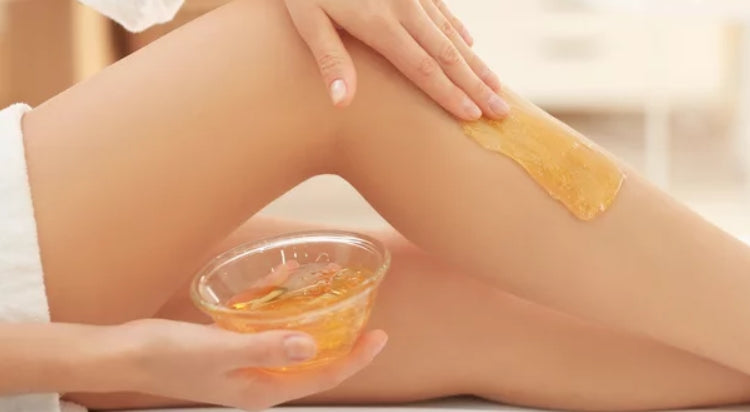
Hard Wax vs Soft Wax: What are the Differences?
Hair Removal

Hard Wax vs Soft Wax: What are the Differences?

To get rid of unwanted hair on your body, you can use different techniques, where waxing remains one of the hottest choices. This method applies warm wax to the skin and removes it quickly once it hardens. This eventually pulls hair off your skin, and due to such massive pulling speed, hair takes a lot of time to regrow. Regarding hard wax vs. soft wax, in hard wax, you need to apply a thick wax layer and let it harden. While in the soft wax method, a thin layer of wax is applied. The hardened wax is pulled using a cloth or a paper strip. Table of Contents: Part 1: What is Hard Wax? Part 2: What is Soft Wax? Part 3: Difference Between Hard Wax and Soft Wax Part 4: FAQs Part 1: What is Hard Wax? Hard wax is best suited for sensitive skin, where a thick layer of wax is applied. The wax wraps each hair and ensures a tight grip. As a result, it gives a relatively weaker grip on the skin, which makes it ideal for sensitive areas like the face, bikini line, underarms, etc. Composition and Ingredients Colophonium (Rosin): It’s used to give the wax a sticky texture, which helps it get a tight grip on the hair. Beeswax: This is a wax thickening agent. Paraffin or Microcrystalline Wax: This gives wax good flexibility. Oils and Fats: Vegetable fat or mineral oils can help reduce skin irritation. Additives: Titanium Dioxide is used to make the wax more opaque. Colorants and Fragrances: Colors and fragrances are used to give the product a great aesthetic appeal, so more people will love the product. Pros and Cons Advantages of Hard Wax It minimizes skin irritation as it binds each hair tightly, leaving a weak grip on the skin. This technique is implemented for short and coarse hair. The chances of ingrown hair are reduced drastically. It has a strip-less application. Disadvantages of Hard Wax This technique can take a lot of time as compared to soft waxing. You might find hard waxing a little more expensive. Hard waxing is better suited for advanced users and novices will find it difficult to get the right consistency and temperature. How to Use Hard Wax?Preparation Clean the waxing area with cold water and soap. Dust the waxing area with baby powder to get rid of excess moisture. Heat the wax using a wax warmer to get a honey-like consistency. Put some wax on your wrist to check the temperature. It should be warm, not hot. Application Use a spatula and spread a thick layer of wax. Wait until the wax cools and hardens. Hold the skin taut and pull the hardened wax. Wipe off any remaining wax particles and apply a post-wax lotion. Part 2: What is Soft Wax? Compared to hard vs. soft wax, this technique requires a thin layer of wax on the skin. A thin wax strip is also used to pull off the wax from the skin to implement this technique. Soft waxing is better for large areas, so you can use it on your arms and legs. Composition and Ingredients Resins: Resins give the wax a sticky feature, which lets it make a tight grip to the skin and hair. Oils: Oils are used to give a spreadable consistency to the wax. Titanium Dioxide: It gives the wax more consistency, which helps in reducing skin irritation. Preservatives & Antioxidants: These agents increase the shelf life of the wax. Pros and Cons Advantages of Soft Wax It can quickly cover large areas like arms, legs, back, chest, etc.. Soft waxing is a very cost-effective option and doesn’t even take much time. You can use soft waxing to remove fine hair. Even novices can use soft waxing. In fact, there are soft waxing kits available, which makes it even more convenient for beginners. Disadvantages of Soft Wax Soft wax makes a tight grip on the skin as well, so you’re more likely to get skin irritation. Incorrect execution can cause ingrown hair. Soft waxing might be ineffective on certain areas like your bikini line or face. How to Use Soft Wax?Preparation Wash the waxing surface with cold water, or simply take a bath. Dry the waxing surface and dust it with some baby powder. Melt the wax until it’s smooth and spreadable. Application Use a spatula to spread the wax. Make sure that the wax layer is thin. Let the wax cool down. Once cooled, press a waxing paper strip on the wax and rub your palms on it. Hold your skin taut and pull the strip quickly, parallel to your skin. Wash off the surface and/or wipe it with a smooth towel. Apply some soothing lotion for an even softer skin. Part 3: Difference Between Hard Wax and Soft Wax Application Method and Technique Furthermore, in hard waxing, you must pull the hardened wax with your hands while holding the skin taut. While, in the soft waxing method, you need to use a waxing paper strip to remove the thin wax layer from your body. Hair Removal Efficiency and Effectiveness Hard waxing is highly efficient in removing coarse and short hair, while soft waxing is effective against thin and long hair. Also, hard waxing has a weaker grip to the skin than soft waxing. Pain Level and Discomfort During the Waxing Process Whether hard wax or soft wax, both adhere to hair tightly. However, the level of pain in hard waxing is often less than in soft waxing because hard wax has a weaker grip on the skin. Since soft wax makes a strong grip on hair and skin, it can prove to be a little more painful. Since soft waxing is more about the quick pull of wax, the duration of sensation and discomfort will be less. Hard waxing is not as swift as soft waxing, so the sensation duration can be longer. Suitable Body Areas for Each Type of Wax Hard wax becomes perfect for bikini lines, underarms, and faces, while soft waxing is great for wide areas like arms, legs, chest, etc. Temperature Requirements and Sensitivity to Heat When you do had waxing, you need to keep the temperature warm. Along with that, the consistency also needs to be neither too liquid nor too solid. But if you’re using soft wax, a thin layer needs to be applied, that’s why, you need to keep the wax a little more liquid and more warm. Part 4: FAQs Is Hard or Soft Wax Better for Beginners? If you’re a beginner, then you should go with soft wax, because it’s beginner-friendly, plus, it also has a very simple and straightforward application and is easy to remove. Is Hard Wax Better Than Soft Wax for Ingrown Hairs? Just in case if you are concerned about ingrown hair, then Hard wax is great in preventing them. Do They Use Hard or Soft Wax for Brazilian? For Brazilians, hard wax vs. soft wax is usually interchangeable, but you will notice that most professionals prefer hard waxing. Part 5: Final Verdict Hard wax is preferable for beginners than soft wax. If you can’t handle discomfort, soft waxing is ideal. Remember that the best approach relies on your tastes; no matter what others say, you should check whether you can withstand discomfort. Mariela
Nov 26, 2025
Share:

Up to 40% Off
& Free Gifts

Learn More
Table of Contents

To get rid of unwanted hair on your body, you can use different techniques, where waxing remains one of the hottest choices. This method applies warm wax to the skin and removes it quickly once it hardens. This eventually pulls hair off your skin, and due to such massive pulling speed, hair takes a lot of time to regrow. Regarding hard wax vs. soft wax, in hard wax, you need to apply a thick wax layer and let it harden. While in the soft wax method, a thin layer of wax is applied. The hardened wax is pulled using a cloth or a paper strip.

Table of Contents:

Part 1: What is Hard Wax?

Hard Wax
Hard wax is best suited for sensitive skin, where a thick layer of wax is applied. The wax wraps each hair and ensures a tight grip. As a result, it gives a relatively weaker grip on the skin, which makes it ideal for sensitive areas like the face, bikini line, underarms, etc.

Composition and Ingredients

  • Colophonium (Rosin): It’s used to give the wax a sticky texture, which helps it get a tight grip on the hair.
  • Beeswax: This is a wax thickening agent.
  • Paraffin or Microcrystalline Wax: This gives wax good flexibility.
  • Oils and Fats: Vegetable fat or mineral oils can help reduce skin irritation.
  • Additives: Titanium Dioxide is used to make the wax more opaque.
  • Colorants and Fragrances: Colors and fragrances are used to give the product a great aesthetic appeal, so more people will love the product.

Pros and Cons

Advantages of Hard Wax

  1. It minimizes skin irritation as it binds each hair tightly, leaving a weak grip on the skin.
  2. This technique is implemented for short and coarse hair.
  3. The chances of ingrown hair are reduced drastically.
  4. It has a strip-less application.

Disadvantages of Hard Wax

  1. This technique can take a lot of time as compared to soft waxing.
  2. You might find hard waxing a little more expensive.
  3. Hard waxing is better suited for advanced users and novices will find it difficult to get the right consistency and temperature.

How to Use Hard Wax?
how to use
Preparation

  1. Clean the waxing area with cold water and soap.
  2. Dust the waxing area with baby powder to get rid of excess moisture.
  3. Heat the wax using a wax warmer to get a honey-like consistency.
  4. Put some wax on your wrist to check the temperature. It should be warm, not hot.

Application

  1. Use a spatula and spread a thick layer of wax.
  2. Wait until the wax cools and hardens.
  3. Hold the skin taut and pull the hardened wax.
  4. Wipe off any remaining wax particles and apply a post-wax lotion.

Part 2: What is Soft Wax?

soft wax
Compared to hard vs. soft wax, this technique requires a thin layer of wax on the skin. A thin wax strip is also used to pull off the wax from the skin to implement this technique. Soft waxing is better for large areas, so you can use it on your arms and legs. Composition and Ingredients
  • Resins: Resins give the wax a sticky feature, which lets it make a tight grip to the skin and hair.
  • Oils: Oils are used to give a spreadable consistency to the wax.
  • Titanium Dioxide: It gives the wax more consistency, which helps in reducing skin irritation.
  • Preservatives & Antioxidants: These agents increase the shelf life of the wax.

Pros and Cons

Advantages of Soft Wax

  1. It can quickly cover large areas like arms, legs, back, chest, etc..
  2. Soft waxing is a very cost-effective option and doesn’t even take much time.
  3. You can use soft waxing to remove fine hair.
  4. Even novices can use soft waxing. In fact, there are soft waxing kits available, which makes it even more convenient for beginners.

Disadvantages of Soft Wax

  1. Soft wax makes a tight grip on the skin as well, so you’re more likely to get skin irritation.
  2. Incorrect execution can cause ingrown hair.
  3. Soft waxing might be ineffective on certain areas like your bikini line or face.

How to Use Soft Wax?
Preparation

  1. Wash the waxing surface with cold water, or simply take a bath.
  2. Dry the waxing surface and dust it with some baby powder.
  3. Melt the wax until it’s smooth and spreadable.

Application

  1. Use a spatula to spread the wax. Make sure that the wax layer is thin.
  2. Let the wax cool down. Once cooled, press a waxing paper strip on the wax and rub your palms on it.
  3. Hold your skin taut and pull the strip quickly, parallel to your skin.
  4. Wash off the surface and/or wipe it with a smooth towel.
  5. Apply some soothing lotion for an even softer skin.

Part 3: Difference Between Hard Wax and Soft Wax

Application Method and Technique

Furthermore, in hard waxing, you must pull the hardened wax with your hands while holding the skin taut. While, in the soft waxing method, you need to use a waxing paper strip to remove the thin wax layer from your body.

Hair Removal Efficiency and Effectiveness

Hard waxing is highly efficient in removing coarse and short hair, while soft waxing is effective against thin and long hair. Also, hard waxing has a weaker grip to the skin than soft waxing.

Pain Level and Discomfort During the Waxing Process

Whether hard wax or soft wax, both adhere to hair tightly. However, the level of pain in hard waxing is often less than in soft waxing because hard wax has a weaker grip on the skin. Since soft wax makes a strong grip on hair and skin, it can prove to be a little more painful.

Since soft waxing is more about the quick pull of wax, the duration of sensation and discomfort will be less. Hard waxing is not as swift as soft waxing, so the sensation duration can be longer.

Suitable Body Areas for Each Type of Wax

Hard wax becomes perfect for bikini lines, underarms, and faces, while soft waxing is great for wide areas like arms, legs, chest, etc.

Temperature Requirements and Sensitivity to Heat

When you do had waxing, you need to keep the temperature warm. Along with that, the consistency also needs to be neither too liquid nor too solid. But if you’re using soft wax, a thin layer needs to be applied, that’s why, you need to keep the wax a little more liquid and more warm.

Part 4: FAQs

Is Hard or Soft Wax Better for Beginners?

If you’re a beginner, then you should go with soft wax, because it’s beginner-friendly, plus, it also has a very simple and straightforward application and is easy to remove.

Is Hard Wax Better Than Soft Wax for Ingrown Hairs?

Just in case if you are concerned about ingrown hair, then Hard wax is great in preventing them.

Do They Use Hard or Soft Wax for Brazilian?

For Brazilians, hard wax vs. soft wax is usually interchangeable, but you will notice that most professionals prefer hard waxing.

Part 5: Final Verdict

Hard wax is preferable for beginners than soft wax. If you can’t handle discomfort, soft waxing is ideal. Remember that the best approach relies on your tastes; no matter what others say, you should check whether you can withstand discomfort.

Mariela
Previous
Laser Hair Removal and Pregnancy (Ultimate Guide)
Next
Eyebrow Waxing: A Step-By-Step Guide 
Share:
The 10 Best Laser Devices for Men’s Body Hair Removal at Home

The 10 Best Laser Devices for Men’s Body Hair Removal at Home

Hair removal isn’t just for women. Some men do not wish to have unwanted hair on their face, unde...
Nov 24, 2025
5 Dermatologist Recommended At-Home Laser Hair Removal Devices 2025

5 Dermatologist Recommended At-Home Laser Hair Removal Devices 2025

With the advent of technology, you can now be free from waxing, shaving, or tweezing. The latest ...
Nov 24, 2025
Hair on Female Breast: Causes, How to Remove, And More

Hair on Female Breast: Causes, How to Remove, And More

While many of us were growing up, we were told that women are not supposed to have body hair. Onl...
Nov 24, 2025

Need guidance?

Get a free one-on-one consultation

TALK TO AN EXPERT

Explore Beauty

Ulike Air 10

2 weeks to silky smooth skin.

96% Hair Density Reduction in 2 Weeks
Ulike Air 3

3 weeks to silky smooth skin.

93% Hair Density Reduction in 4 Weeks

Leave a comment

All comments are moderated before being published.

This site is protected by hCaptcha and the hCaptcha Privacy Policy and Terms of Service apply.

Back to top