 Ulike ReGlow Pro★ 5.0 (511)


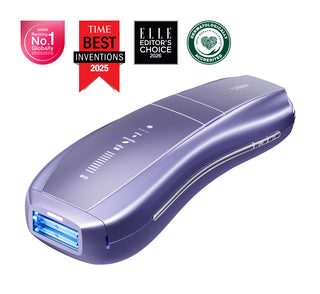
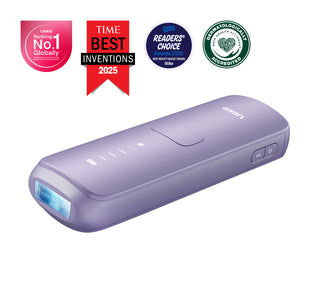


Table of Contents
Table of Contents:
- Part 1: Best Electrolysis Devices for Small Areas (Chin, Upper Lip)
- Part 2: Can At-Home IPL Replace Electrolysis for Small, Precise Areas?
- Part 3: Cost, Pain & Longevity Compared
- Part 4: Frequently Asked Questions
Part 1: Best Electrolysis Devices for Small Areas (Chin, Upper Lip)
People searching for the best electrolysis devices for small areas like the chin or upper lip are usually choosing between two very different delivery methods, not between specific product models. Understanding that difference matters more than any single device's spec sheet, since the chin and upper lip are small enough that technique and follicle-by-follicle accuracy tend to matter more than the brand of equipment behind it.

Professional electrolysis, performed by a licensed electrologist, is widely regarded as the more thorough option for small, detailed areas. A trained electrologist inserts a fine probe into each follicle and applies a targeted current, then removes the hair with tweezers. Because the chin and upper lip typically have a limited number of follicles clustered close together, an experienced electrologist can work through the area methodically, follicle by follicle, regardless of hair color or thickness — something light-based methods cannot always guarantee. Session length is another consideration: because these small facial zones involve fewer follicles than larger areas like the legs or underarms, individual appointments tend to be shorter, but they still need to be repeated over several weeks or months to catch hairs at different stages of the growth cycle.
Home electrolysis devices exist as a lower-cost alternative. These handheld tools also use a fine probe to deliver current into the follicle, but the user controls insertion depth, angle, and timing without professional training. On small, visible areas like the chin or upper lip, this precision requirement makes home electrolysis a demanding option: results depend heavily on technique, patience, and consistency, and outcomes vary far more than with a trained provider. For most people, a home electrolysis device is best treated as a secondary, budget-conscious option rather than a like-for-like replacement for professional treatment.
Neither category is inherently "better" than light-based hair removal — they simply work on a different principle. For a deeper look at how epilators and electrolysis devices compare in mechanism, cost, and long-term results, see our epilator vs electrolysis guide.
Part 2: Can At-Home IPL Replace Electrolysis for Small, Precise Areas?
When it comes to IPL vs electrolysis for small areas, at-home IPL devices like the Ulike Air 10 can be genuinely useful on the chin and upper lip, but they have real, hair-color-dependent limits worth understanding before you rely on them instead of electrolysis.
Ulike Air 10 uses broadband light energy that's absorbed by melanin in the hair shaft and follicle, heating the follicle enough to disrupt future growth over repeated sessions. This mechanism explains why it performs best on dark brown to black hair against light-to-medium skin: there's enough contrast for the device to target the follicle efficiently. On the chin and upper lip specifically — areas where hair is often finer, and sometimes lighter, than hair on the legs or arms — results are less predictable, and very light, gray, white, or blonde hair typically won't respond well at all, since there isn't enough melanin for the light to grab onto.
Precision is the second limitation. The chin and upper lip are small, curved areas close to the lips, nose, and jawline. This device includes a smaller treatment window designed for facial use, which helps, but angling any handheld IPL device precisely around these contours still takes more care than treating a flat area like the underarm, and it remains less exact than a professional electrologist working hair-by-hair.
Regulatory context matters too. In the United States, at-home light-based hair removal devices are sold as an FDA-regulated Class II device, meaning the manufacturer completed a 510(k) premarket notification before bringing the product to market. That regulatory pathway covers safety and performance testing, but it doesn't guarantee the device will work equally well on every hair color or skin tone.
Skin tone itself is a factor independent of hair color. Because light energy is absorbed differently depending on Fitzpatrick skin type, people with deeper skin tones generally need lower intensity settings to reduce the risk of skin irritation, and may see less contrast between skin and hair overall.

Taken together, Ulike Air 10 is a reasonable, lower-cost, lower-pain option for people with dark, coarse chin or upper lip hair who want to reduce regrowth at home. It is not a substitute for electrolysis when hair is light-colored, very fine, or when a guaranteed long-term result is the goal. For other small, detail-oriented areas of the body, our guide to hair removal for hands, fingers, feet, and toes covers similar precision considerations.
Part 3: Cost, Pain & Longevity Compared
When comparing IPL vs electrolysis for small areas side by side, the practical differences show up most clearly in cost, comfort, and how long results last, rather than in how convenient each method feels day to day. The table below summarizes how the two methods stack up on the chin and upper lip specifically, followed by a closer look at why each row plays out the way it does.
| Electrolysis | IPL (Ulike Air 10) | |
|---|---|---|
| Suitable areas | Any area, any hair color — including chin, upper lip, and eyebrow edges | Facial and body areas with dark, coarse hair; chin and upper lip with some limitations on light or fine hair |
| Pain per session | Moderate to high — a brief sting or heat sensation at each follicle as the probe is inserted | Mild — a warm, snapping sensation across the treatment window; generally more tolerable |
| Cost | Billed per visit; small-area sessions (chin, upper lip) are commonly priced in the range salons typically quote for short appointments, repeated over several months | One-time device purchase, with no recurring per-session fee afterward |
| Longevity | Considered long-term or permanent once a follicle is fully treated, though occasional touch-ups may be needed for new hairs | Gradual, long-term reduction; regrowth is typically slower and finer, with maintenance sessions recommended a few times a year |
Cost is where the two methods diverge most. Professional electrolysis is billed per session, and small areas like the chin or upper lip are usually quoted at the lower end of a salon's price list since each visit is short — but sessions are repeated regularly over months, so the total cost adds up over a full course of treatment. IPL flips that structure: the Ulike Air 10 is a one-time purchase, and there's no per-session fee afterward, which is why many people find it a more budget-friendly starting point, even though it delivers reduction rather than permanent removal.
Pain also differs by mechanism rather than by area. Electrolysis works follicle-by-follicle, so a small area like the chin can still involve dozens of brief insertions, each producing a quick sting. IPL treats a wider surface per flash, and its sensation is typically described as a warm snap rather than a sting — milder for most users, though sensitivity still varies by individual and by how close the area is to the lips or nostrils.
Longevity is the clearest philosophical difference. Electrolysis is considered permanent once a follicle has been fully destroyed, so a treated hair generally does not grow back, though new hairs can still emerge from follicles that weren't reached in earlier sessions. IPL devices work by damaging the follicle enough to slow, thin, and lighten regrowth over time — a long-term reduction strategy that typically requires occasional maintenance sessions to sustain results, rather than a one-time permanent fix.
Part 4: Frequently Asked Questions
Q1: Which electrolysis hair removal devices are most recommended for small areas?
There isn't a single "best device" for small areas like the chin or upper lip — the more useful distinction is delivery method. Professional electrolysis, performed by a licensed electrologist, is generally recommended for small, precise areas because it treats each follicle individually regardless of hair color, and it doesn't rely on the user's own steady hand. Home electrolysis devices are a lower-cost, more hands-on alternative, but they demand careful technique, patience, and consistent practice, so they're best viewed as a secondary option rather than a full substitute for professional treatment on visible facial areas.
Q2: Can at-home IPL replace electrolysis for the chin or upper lip?
Not entirely, but it can work as a maintenance option in specific cases. Ulike Air 10 is designed for dark, coarse hair on light-to-medium skin and performs less predictably on white, gray, blonde, or very fine hair — all common on the chin and upper lip. For this reason, IPL vs electrolysis for small areas often comes down to hair color: dark, coarse hair tends to respond well to this device, while light or fine hair still calls for electrolysis.
Q3: Is electrolysis permanent while IPL is not?
Yes, with an important caveat. Electrolysis destroys a follicle's ability to regrow hair, which is why it's classified as a long-term hair removal method once a follicle is fully treated. IPL devices like the Ulike Air 10 work differently: they damage the follicle enough to slow and lighten regrowth over repeated sessions, producing long-term reduction rather than a permanent result. That's the core technical difference behind IPL vs electrolysis for small areas — one method targets full follicle destruction; the other targets gradual follicle suppression.
Q4: Which is more painful, IPL or electrolysis?
Electrolysis is generally reported as more uncomfortable per session, since the probe delivers current directly into each follicle one at a time, producing a brief sting or heat sensation that repeats across every hair treated. IPL, including the Ulike Air 10, is typically described as milder — closer to a light snapping or warm sensation across the treatment area — though it's not entirely pain-free, and comfort still varies by individual, hair density, and how close the treatment area is to sensitive spots like the lips or nostrils.