 Ulike ReGlow Pro★ 5.0 (511)


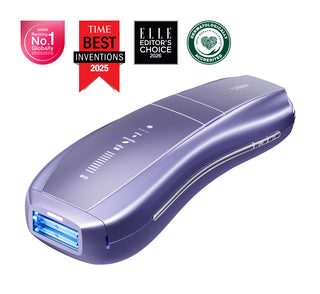
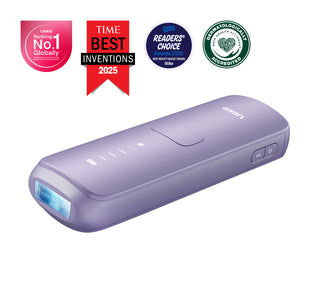


Table of Contents
Unwanted hair can be managed with shaving, waxing, creams, or longer-term reduction treatments. Laser treatment stands apart because it directs light energy below the skin’s surface rather than simply cutting or pulling out visible hair.
So, how does laser hair removal work? The device sends controlled laser pulses toward pigment inside the hair. That light changes into heat and damages structures involved in future growth. Hair usually returns more slowly, sparsely, and finely after a treatment course.
Results depend on hair color, skin tone, body area, hormones, equipment, and provider experience. Laser treatment can produce lasting reduction, but it does not promise that every treated follicle will stop producing hair permanently.

Table of Contents:
- Part 1: Quick Answer: How Laser Hair Removal Works
- Part 2: The Science Behind Laser Hair Removal
- Part 3: Why Are Multiple Sessions Needed?
- Part 4: Ideal Candidates for Laser Hair Removal
- Part 5: How Does IPL Hair Removal Work Compared to Laser?
- Part 6: Laser vs. Electrolysis at a Glance
- Part 7: What to Expect Before, During, and After Treatment
- Part 8: Risks and Side Effects to Know
- Part 9: At-Home IPL Devices for Convenient Hair Reduction
- Part 10: Conclusion
- Part 11: Frequently Asked Questions
Part 1: Quick Answer: How Laser Hair Removal Works
For anyone searching laser hair removal how does it work, the basic process is straightforward: pigment in the hair absorbs laser light and converts it into heat. That heat travels into the follicle and damages cells responsible for producing new hair.
Treatment works best while hair is actively growing, so several appointments are usually needed to reach follicles at the right stage.
Part 2: The Science Behind Laser Hair Removal
At the center of the treatment is a controlled interaction between light, pigment, and heat. Understanding these three elements makes it easier to see how laser hair removal works without affecting every structure in the treatment area.
Selective Photothermolysis Explained
First, selective photothermolysis means using a chosen wavelength and pulse duration to heat a specific target. In hair removal, that target is melanin inside the hair shaft and follicle.
The pulse should last long enough to transfer useful heat into the follicle but remain controlled enough to limit heat spread. When the settings match the person’s skin and hair, the follicle receives more thermal energy than nearby tissue.
How the Laser Targets Melanin
Next, melanin acts like a light absorber. Dark, coarse hair generally contains more melanin than blonde, gray, white, or red hair, giving the laser a clearer target.
After melanin absorbs the beam, light energy becomes heat. The heated hair transfers some of that energy downward into the follicle, where it can impair growth-related cells. The hair may remain visible briefly before shedding over the following days or weeks.
Why the Surrounding Skin Stays Safe
Meanwhile, a trained provider protects the surrounding skin by choosing an appropriate wavelength, pulse length, spot size, and energy level. Contact cooling, chilled air, or cooling gel may further reduce surface heat.
A laser is non-ionizing radiation, unlike X-rays. However, it can still cause thermal injury when settings are unsuitable or the device is used incorrectly. “Targeted” therefore means risk is reduced, not eliminated.
Part 3: Why Are Multiple Sessions Needed?
Now that the heat-targeting process is clear, the next question is why one appointment rarely treats every hair. The reason lies in the natural hair-growth cycle.
Hair follicles move independently through three broad stages:
- Anagen: The active growth stage, when hair stays connected to growth structures and responds best to treatment.
- Catagen: A short transition stage in which growth slows and the follicle begins changing.
- Telogen: A resting stage that ends when the old hair sheds.
Only part of the hair in one area is actively growing during an appointment. Later sessions target follicles that enter anagen afterward. Many treatment plans schedule appointments several weeks apart, although timing differs by body area, hair pattern, and provider assessment.
A completed series may substantially reduce growth, but hormonal changes and previously inactive follicles can lead to later regrowth. Occasional maintenance sessions may therefore be useful.
Part 4: Ideal Candidates for Laser Hair Removal
With that schedule in mind, suitability depends on more than having unwanted hair. A consultation should consider the contrast between hair and skin, medical history, recent sun exposure, medications, and expected results.
Dark, coarse hair often responds strongly because it supplies abundant pigment. Very light blonde, white, gray, and some red hairs may respond poorly because they contain less melanin.
People with darker skin tones may also receive laser hair removal, but equipment selection and practitioner experience become especially important. Modern treatment options have expanded the range of suitable candidates, although careful settings are needed to reduce burns and pigment changes.
Discuss treatment first if you:
- Are pregnant or trying to become pregnant.
- Have active irritation, infection, open wounds, or sunburn.
- Recently used tanning products or developed a tan.
- Have a history of keloids or pigment changes.
- Take isotretinoin, photosensitizing medicines, or other relevant drugs.
- Experience recurrent cold sores or genital herpes near the treatment area.
Part 5: How Does IPL Hair Removal Work Compared to Laser?
Although the terms are often used interchangeably online, laser and IPL are different light-based technologies. So, how does IPL hair removal work when compared with a professional laser?
A laser produces a concentrated beam within a narrow wavelength range. IPL produces broad-spectrum pulses that pass through filters before reaching the skin. Both methods rely largely on melanin absorbing light and converting it into follicle-heating energy.
IPL can cover a relatively wide area and is commonly used in home devices. Clinic lasers give providers more control over wavelength, pulse duration, and energy delivery, making them suitable for customized professional treatment.
IPL is officially classified as a light-based, non-laser technology in the United States. Device suitability still varies by skin tone and hair color, so users should follow the approved skin chart and instructions for their particular model.
Part 6: Laser vs. Electrolysis at a Glance
Beyond light-based methods, electrolysis offers another approach to long-term hair removal. To understand how does electrolysis hair removal work, picture each follicle being treated separately rather than a beam covering several hairs at once.
An electrologist inserts a fine probe into the follicle opening and applies electrical energy. That energy may create heat, a chemical reaction, or both, damaging the follicle’s growth cells.
| Feature | Laser Hair Removal | Electrolysis |
|---|---|---|
| Energy used | Concentrated light | Electrical current |
| Treatment approach | Covers multiple follicles with each pulse | Treats one follicle at a time |
| Best-known advantage | Faster coverage of large areas | Can treat nearly any hair color |
| Hair considerations | Works best when hair has sufficient pigment | Does not rely on hair pigment |
| Typical sensation | Warm pinpricks or snapping feeling | Brief heat, sting, or pinch |
| Time commitment | Usually faster for legs, back, and other broad areas | Can take longer because each hair is treated individually |
| Expected outcome | Long-term or permanent hair reduction | Permanent removal of successfully treated follicles |
Laser may be more practical for dense growth across large areas. Electrolysis may suit small areas, scattered remaining hairs, or light-colored hairs that do not respond well to light-based treatment.
Part 7: What to Expect Before, During, and After Treatment
Once you decide to book a consultation, preparation can influence both comfort and safety. Your provider should give personalized directions based on the laser, body area, skin tone, and medical history.
| Stage | What commonly happens |
|---|---|
| Before | Avoid tanning and protect the area from strong sun exposure. Stop waxing, plucking, or threading because the follicle needs to contain hair. Shaving is usually allowed and may be requested shortly before treatment. |
| During | The provider cleans the area and supplies protective eyewear. A cooling system may contact the skin before, during, or after each pulse. Treatment can feel like warm pinpricks or a rubber band snapping. |
| After | Mild redness, warmth, and swelling around follicles may appear. A cool compress can ease discomfort. Protect the treated area from sunlight and follow instructions about exercise, skin products, and bathing. |
Tell the provider about recent tanning, scarring tendencies, keloids, herpes outbreaks, isotretinoin, and other prescription or over-the-counter medicines. Daily broad-spectrum, water-resistant SPF 30 or higher may be recommended before and after treatment.
Treatment time can range from several minutes for a small facial area to an hour or longer for extensive areas. The treated hair does not always disappear immediately. It may look as though it is growing before gradually shedding from the follicle.
Part 8: Risks and Side Effects to Know
Even though laser hair removal is noninvasive, the device intentionally creates heat inside pigmented structures. Temporary skin reactions are therefore possible after treatment.
Common short-term effects include:
- Redness around the follicles.
- Mild swelling or tenderness.
- Warmth, itching, or a sunburn-like feeling.
- Temporary darkening or lightening of the skin.
Less common complications include blistering, burns, crusting, infection, scarring, and longer-lasting pigment changes. Cold sores may also reactivate when a susceptible facial area is treated.
Risk can increase with recent tanning, unsuitable settings, inadequate cooling, poor technique, or treatment by an inexperienced operator. A U.S. board-certified dermatologist can assess skin type, hair characteristics, medications, and medical conditions before choosing treatment settings.
Be cautious with strong numbing creams purchased online. High-concentration topical pain products marketed for cosmetic procedures have caused serious harm, particularly when applied over large areas or covered with plastic. Use only products and quantities approved by your healthcare professional.
Part 9: At-Home IPL Devices for Convenient Hair Reduction
For people who prefer privacy and flexible scheduling, an at-home IPL device can make consistent maintenance easier. These devices usually deliver lower energy than professional systems, so success depends heavily on repeated use and following the treatment calendar.
Before buying, check the device’s skin-tone and hair-color chart. IPL generally needs visible pigment in the hair, and some devices are unsuitable for deeper skin tones or very light hair. You should also compare cooling, flash speed, treatment-window size, automatic skin sensing, and available intensity modes.
Home IPL should be viewed as a gradual hair-reduction method rather than a direct substitute for individually customized medical treatment.
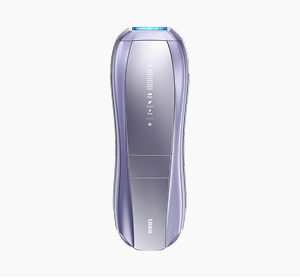
Ulike Air 10: High-Performance IPL for Efficient Full-Body Hair Reduction
For users treating several large areas, the Ulike Air 10 focuses on faster coverage and stronger multi-pulse delivery. Its wider window and dual-light design reduce the number of placements needed across legs, arms, the stomach, or other suitable areas.
The Air 10 is particularly useful for people who want a structured full-body routine and need extra capability for coarse or persistent hair.

Dual Lights and SHR Mode
• The device uses two light sources to increase coverage and flash speed. Its SHR mode delivers four rapid pulses with up to 26 joules of cumulative energy. This repeated-pulse approach is designed to address stubborn growth while spreading energy across a short sequence rather than one isolated burst.
SkinSensor Protection
• A built-in sensor checks skin tone and adjusts flash intensity. It can stop energy delivery when an area falls outside the device’s supported range. This feature is useful when treating body areas with slightly different tones, although users must still follow the compatibility chart.
Cooling and Full-Body Speed
• Sapphire Ice Cooling keeps the contact window near 65°F during use. AutoGlide provides continuous flashing, reducing repeated button presses and hand fatigue. A full-body session is listed at about 10 minutes.
• Controlled testing cited for the device reported 96% hair-density reduction in the bikini area after two weeks of recommended SHR use. Individual results vary with consistency, hair type, skin tone, and treatment area.
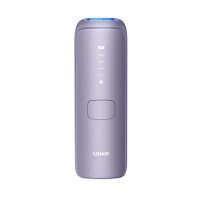
Ulike Air 4: Simple, Comfortable IPL Hair Removal for Smooth-Skin Maintenance
For users who value straightforward controls and regular touch-ups, the Ulike Air 4 offers a simpler balance of power, cooling, and selectable modes. It is well suited to people maintaining legs, arms, underarms, or the bikini line without needing the Air 10’s automatic skin-sensing system or wider dual-light configuration.
Its main strength is flexibility: users can select a gentler setting for fine hair and sensitive areas or raise the energy for thicker growth.

Four Treatment Modes
• Soft Mode uses faster flashes for fine hair, broad areas, and maintenance. Body Mode balances speed and intensity for normal growth. Power Mode raises the intensity for thicker hair, while USHR Mode sends rapid multi-pulse bursts for more persistent areas.
Core Performance
• The Air 4 provides up to 24 joules of cumulative energy, energy density up to 7.2 J/cm², four adjustable levels, and flash intervals as short as 0.4 seconds. AutoGlide starts continuous flashes with one press, which helps maintain a steady rhythm across larger areas.
Long-Session Cooling
• Its sapphire contact window stays near 64.4°F for up to 30 minutes of use. Listed full-body treatment time is approximately 12 minutes. Controlled testing reported 95.8% hair-density reduction after four weeks, although personal outcomes may differ.
Part 10: Conclusion
Understanding how does laser hair removal work helps you set realistic expectations before choosing a clinic or home device. The method does not simply burn away visible hair. It uses carefully delivered light to heat pigment and interfere with the follicle’s ability to produce future growth.
A good decision starts with your own hair color, skin tone, treatment area, medical history, budget, and willingness to follow a schedule. Professional laser treatment offers customized settings and clinical oversight, while home IPL provides greater control over timing and privacy.
Whichever route you choose, prioritize compatible equipment, clear instructions, sun protection, and qualified medical guidance when you have sensitive skin, active conditions, or a history of treatment reactions.
Part 11: Frequently Asked Questions
Q1: Can I shower after laser hair removal?
Yes, you can shower after laser hair removal, but it is best to wait until your skin feels less sensitive, typically at least a few hours after treatment. Use cool or lukewarm water instead of hot water, and wash with a gentle, fragrance-free cleanser. Avoid hot showers, steam rooms, saunas, and vigorous scrubbing for the first 24 to 48 hours, as heat and friction can increase irritation.
Q2: What happens if I stop laser hair removal after 4 sessions?
If you stop laser hair removal after four sessions, you'll likely notice less hair than before treatment, but many follicles will remain active. Most people need around six to eight sessions or more for optimal long-term reduction. Hair that grows back is often finer, lighter, and slower to return, but untreated follicles can continue producing hair because not all were targeted during their active growth phase.
Q3: How many times do you have to laser before hair stops growing?
Most people need six to eight laser hair removal sessions, spaced about four to eight weeks apart, to achieve significant long-term hair reduction. The exact number depends on factors such as the treatment area, hair color, skin tone, and hormones. While laser treatment can greatly reduce hair growth, it does not guarantee complete removal, and occasional maintenance sessions may be needed to manage future regrowth.