





How Hair Removal Improves Athletic Performance?

When athletes think of improving their performance, they tend to focus on the physical aspects. However, removing unwanted hair from their body can also play a critical role in optimizing an athlete’s skills and improving their overall performance. From shaving off seconds when running track to streamlining swimming techniques, having smooth skin has been proven to give athletes that little bit of extra edge which can make all the difference between winning and losing.
Table of Contents:
- Part 1: The Role of Hair in Human Physiology
- Part 2: Historical Context of Hair Removal in Sports
- Part 3: Types of Hair Removal Techniques Used by Athletes
- Part 4: Aerodynamic Benefits
- Part 5: Hygienic Advantages
- Part 6: Thermoregulatory Effects
- Part 7: Psychological Factors
- Part 8: Potential Risks
Understanding the physiological role of hair can provide insights into its impact on athletic performance.
Hair serves various physiological functions, including protection and sensory input, that can influence athletic capabilities.
By exploring the physiological role of hair, we can better understand how it may influence factors like heat regulation and friction during athletic activities.
Understanding these functions can reveal how hair's presence or absence may affect performance through improved aerodynamics and thermal regulation.
The historical significance of hair removal in sports highlights changing perceptions and practices among athletes.
This significance reflects a dynamic evolution of athlete grooming standards that align with both performance goals and societal norms.
The historical significance emphasizes how athletes have adapted their grooming practices over time to enhance performance and meet cultural expectations.
These adaptations have often been driven by a desire to maximize competitive advantage and align with the aesthetic ideals of the time.
Different athletes may prefer various hair removal techniques based on their specific needs and disciplines.
Each athlete's choice of hair removal techniques may reflect personal preference, effectiveness, and the demands of their sport.
Factors such as skin sensitivity and the nature of the sport can lead athletes to choose between methods like shaving, waxing, or laser treatments.
Individual preferences for skin sensitivity can influence the effectiveness and comfort of hair removal methods, impacting overall performance.
Removing hair can enhance aerodynamics, potentially improving speed and efficiency in certain sports.
In sports where aerodynamics is critical, removing hair can reduce drag and enhance overall performance on the field or track.
For athletes, the aerodynamic benefits of hair removal may contribute to marginal gains that can be crucial in competitive environments.
The aerodynamic benefits of hair removal can be significant, especially in precision sports where every fraction of a second matters.
Maintaining hygiene through hair removal can lead to improved comfort and reduced risk of skin irritations during intense training and competition.
By ensuring improved comfort, hair removal can help athletes focus better on their performance without distractions from skin issues.
Hair removal may offer hygienic benefits, reducing the risk of skin irritation and infection during intense physical activity.
The potential hygienic benefits of hair removal can encourage athletes to maintain better overall skin health during training and competition.
By minimizing skin irritation, athletes can better focus on their performance without distractions.
Effective hair removal can aid in thermoregulation, helping athletes maintain optimal body temperature during performance.
By improving thermoregulation, athletes can perform at their best in various weather conditions.
Maintaining optimal body temperature is crucial for athletic performance, as it can enhance endurance and efficiency.
Staying within an optimal body temperature range can prevent fatigue and improve overall athletic output.
The psychological aspect of hair removal can boost confidence and enhance focus for some athletes.
For many athletes, the psychological aspect of grooming can lead to a more positive mindset before competitions.
Athletes may experience a mental boost that translates into better performance and achievement.
This mental boost can help athletes push their limits and achieve personal bests in their sport.
It is important to consider the potential risks associated with hair removal techniques, including skin sensitivity and injury.
Being aware of these potential risks helps athletes choose the most suitable hair removal method for their skin type.
Understanding these potential risks allows athletes to make informed decisions about hair removal practices.
This understanding can lead to better personalized choices that enhance both comfort and performance.
The Role of Hair in Human Physiology

Hair plays a significant role in the human body and its physiology. It acts as a protective barrier from UV radiation, external abrasions, as well as extreme temperatures. Moreover, it affects how heat moves across the body – for instance, when swimming, having less hair reduces the drag on the body – paving the way for faster swimming times. Having thinner hair leads to improved aerodynamics. This advantage can be seen while running track or participating in cycling races. It has been reported that athletes with more facial hair are perceived as being more aggressive while playing sports- thus improving their overall performance.
Historical Context of Hair Removal in Sports

Hair removal for athletes has been practiced for centuries, dating back to ancient civilizations like the Greeks and Romans. Back then, it was believed that removing all body hair aided athletes in achieving faster running speeds from having less air resistance on their bodies during competitions. Over time, different cultures have adopted various methods and processes for hair removal such as waxing, threading, shaving, tweezing, and depilatory creams to prepare their competitors to dramatically increase their performance levels.
Types of Hair Removal Techniques Used by Athletes
The type of hair removal technique used by athletes largely depends on the activity they are planning to participate in and the amount of body hair they have to remove. Below we will look at five popular methods of hair removal employed by competitive athletes today.
-
Shaving
Shaving is one of the most common hair removal methods among athletes, often chosen for its speed and convenience.
This method is often preferred due to its affordability and ease of use, making it accessible for most athletes.
Its efficiency allows athletes to prepare quickly, making it ideal for pre-competition grooming.
Additionally, its quick application is particularly beneficial for athletes on tight schedules.

One of the most common forms of hair removal athletes use is shaving with a razor or electric shaver. This method offers great precision, convenience, and speed but can leave behind irritation and unsightly stubble when not done properly. Professional swimmers tend to opt for this method due to their need for a smooth consistent skin surface while competing in pools with chlorinated water. It reduces friction significantly thus aiding in faster swimming times.
-
Waxing
Waxing has become an increasingly popular method amongst athletes for longer-lasting results. It’s also becoming increasingly viable due to the development of advanced cooling systems which reduce pain associated with waxing processes drastically. Alongside facial contouring waxing is commonly used on certain parts of runners’ bodies such as their legs and arms. This helps them achieve a more streamlined appearance while participating in events like marathons or triathlons where the slightest details can make all the difference between winning or losing.
-
Depilatories

Creams-based depilation techniques offer excellent results albeit with potential side effects such as skin irritations particularly when used incorrectly or too often. They take effect almost immediately but unfortunately wear off rapidly as well leaving you to start from scratch pretty soon after your last application session was completed!
-
Threading
Threading is another form of professional hair removal option quite popular amongst high-profile female athletes engaged in various sports including figure skating, ballet dancing, and synchronized swimming at a competitive level for instance– its main advantages are accuracy, minimal discomfort, and the minor chance for skin damage inflicted post-procedure.
-
Laser Hair Removal
Last but not least, laser hair removal has been gaining increased acceptance within athletic circles thanks to its low maintenance & no pain features plus relatively long-term outcome periods associated (depending on the desired area treated). However, this treatment does require an initial time investment every 2-3 months during which sessions must be attended weekly for best results according to medical experts located around the world! Last but not least, laser hair removal has been gaining increased acceptance within athletic circles thanks to its low maintenance & no pain features plus relatively long-term outcome periods associated (depending on the desired area treated). However, this treatment does require an initial time investment every 2-3 months during which sessions must be attended weekly for best results according to medical experts located around the world!
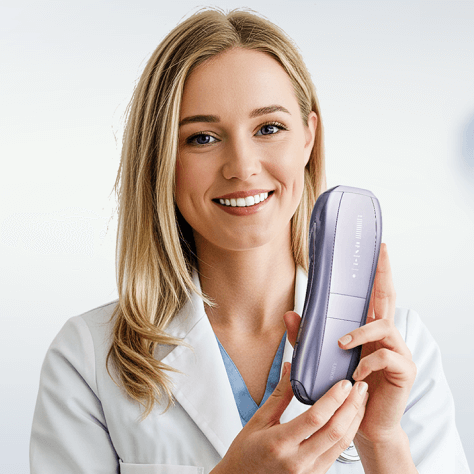
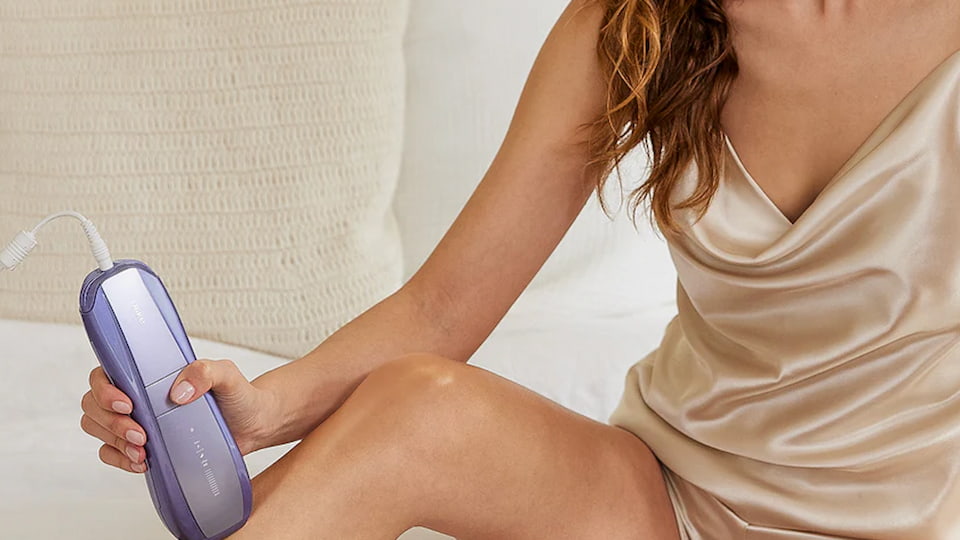
We recommend trying Ulike Air 10 IPL Hair Removal Device in your hair removal journey.
Aerodynamic Benefits

Removing body hair can improve an athlete’s performance in a variety of sports, from running to swimming. Shaving as little as 1 mm from the skin surface could reduce aerodynamic drag by up to 8%. This means that athletes who practice regular hair removal could potentially shave valuable seconds or even minutes off their race times!
Less hair on the body translates into improved hydrodynamic performance when swimming, allowing swimmers to move through the water faster and with more precision thanks to less friction.
Reduced body hair can significantly enhance a swimmer's speed and efficiency, as it minimizes drag in the water.
By enhancing speed and reducing resistance in water, athletes can achieve better results during competitions.
Minimizing drag through reduced body hair can lead to faster swim times, making hair removal a common practice among competitive swimmers.
For athletes, this focus on efficiency can be crucial, especially in high-stakes events where every second counts.
Accurately calibrated wind tunnel tests carried out on runners who had just shaved their legs showed a 5% reduction in overall air resistance compared to those who did not shave at all.
These findings highlight the importance of hair removal for athletes seeking to optimize their performance in various sports.
Shaving legs not only enhances a runner's aerodynamics but also contributes to a more streamlined performance, which can be crucial in competitive scenarios.
Shaving legs has been shown to lead to measurable improvements in running performance, demonstrating the impact of hair removal on athletic efficiency.
This was attributed to cleaner airflow around smoother shapes such as legs with lower amounts of hair clogging up streamlines and thus negatively impacting the total time taken for a run, especially during long-distance events where every second counts!
Aerodynamic efficiency is crucial for athletes, especially in competitive sports where milliseconds can determine the outcome.
Understanding aerodynamic efficiency is essential for any athlete, as it can greatly influence performance outcomes in high-stakes competitions.
Also, sprinting becomes more difficult after periods without any shaving due to increased levels of dragging your feet instead causing them to fatigue prematurely – forcing you to stop midway through the event if left untreated!
Without regular shaving, athletic performance can suffer, leading to unnecessary fatigue and reduced competitiveness.
Increased drag from hair can lead to premature fatigue, which is particularly detrimental in sprinting events.
Reducing drag is vital for maintaining speed and energy levels during races, emphasizing the importance of hair removal in sprinting disciplines.
Hygienic Advantages

Hair removal helps athletes with proper hygiene management both pre and post-events and activities as many of them use open or semi-open public facilities when engaging in sports-related endeavors– thus having less hair can potentially reduce chances for catching illnesses such as lice, ringworm, and staph infections just to name few.
Dirt and sweat accumulation is also prevented by getting rid of excess unwanted hairs which if left untouched could end up leading to more serious health issues in the future if not dealt with properly now! It should also be mentioned that irritation & itching sensations felt while exercising due to accumulated sweat seem drastically lowered by implementing hair removal processes beforehand – allowing athletes to perform better without any distractions whatsoever!
Thermoregulatory Effects

The process of hair removal has also been found to affect thermoregulation within the human body significantly due to its direct effect on heat transfer and dissipating mechanisms throughout our systems. When engaging in sports-related activities, having less hair allows for improved blood flow resulting in better oxygenation & nutrient transportation within various muscle groups – enabling athletes to achieve optimal levels of performance during aerobic exercises such as marathons, triathlons, etc!
Furthermore, removing hair from the face can also potentially reduce overheating issues suffered during warmer climates which would explain why professional swimmers opt for this option while competing under those types of conditions internationally!
By minimizing hair, athletes may experience greater comfort and reduced friction, which can be crucial during intense competitions.
Hair removal techniques can significantly enhance comfort during physical activities, particularly in hot environments, making it a common practice among athletes.
Swimmers often face challenges in maintaining optimal body temperature, making hair removal a strategic choice in their preparation.
These challenges highlight the need for strategic planning in an athlete's routine to maintain peak performance.
Additional air pockets created as a result of smooth surfaces produced with clean-shaven bodies allow athletes to get needed cooling effects when temperatures reach high levels outdoors or inside sporting arenas – thus benefiting them greatly with regards to how their body reacts to the chemically and physically same environment routinely experienced by competitive sports enthusiasts around the world today!
Psychological Factors

Finally, having a shaved body has been linked to improved psychological states and self-confidence that can positively affect an athlete’s performance. Having less hair on the body can make athletes feel lighter and more agile when participating in activities or events. It also allows them to move quicker due to less drag on their bodies – making it easier for them to perform at their peak levels without worry of feeling uncomfortable or awkward during competition.
Also, increased levels of self-confidence accompany the hair removal process over time. This has been linked as well with greater motivation & focus among many athletes which can help tremendously when aiming at achieving certain goals ranging from breaking personal records to competing internationally!
Potential Risks

Although hair removal has been found to have numerous benefits for athletes, there are still potential risks associated with removing body hair. Waxing, in particular, can lead to irritations or redness on the skin due to the ripping of hairs directly from their follicles. In some cases, this painful sensation can even leave scars if done improperly or without enough preparation beforehand.
Laser hair removal is also known to cause pigmentation and other skin conditions if not applied correctly by a professional – thus proper procedures must always be followed when engaging in this type of treatment!
Seeking professional treatment is crucial to avoid complications, ensuring safe and effective results from laser hair removal procedures.
Investing in qualified professionals ensures proper care and minimizes the risk of adverse effects during hair removal procedures.
Ensuring safety during hair removal treatments is essential to avoid complications like skin pigmentation, highlighting the importance of professional application.
Hair removal can pose potential complications if not approached carefully. Understanding these risks can help ensure a safer experience.
It is crucial to consult with a qualified professional who can guide you through safe practices and recommend appropriate methods tailored to your skin type, thus minimizing risks associated with hair removal.
A professional's guidance is invaluable, as they can suggest the most effective and safe techniques based on individual needs and skin characteristics.
Moreover, allergies-related depilatory creams and lotions must also be taken into account as shocking sensations a few hours after application can surely disrupt any kind of already established routine athlete is engaged in to maximize their overall performance when needed so don’t forget those before heading out of competition either!
Conclusion
Hair removal can be a powerful tool for athletes to optimize their performance levels and reduce friction when engaging in various sports-related activities. Improved aerodynamics, hygienic advantages, thermoregulatory effects, and psychological factors associated with this process have been proven to give athletes an edge in the competitive arena.
Several hair removal techniques can be used including shaving, waxing, depilatory creams, threading, and laser hair removal. However, potential risks still exist so individuals should educate themselves on the procedure first before going through any of these treatments. Good luck & happy training everybody!

Featured Products

Ulike Air 10
2 weeks to silky smooth skin.
96% Hair Density Reduction
The next-generation in simple,
lasting hair removal.
At Home Laser Hair Removal: How to Choose and Use the Right Device

Best At-Home Hair Removal Device for PCOS Patients — A Buying Guide

IPL vs Electrolysis for Small Areas - Which Is Better for Chin and Upper Lip?

Explore Beauty
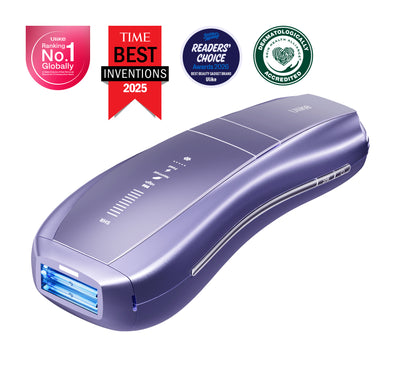
Ulike Air 10
2 weeks to silky smooth skin.
96% Hair Density Reduction in 2 Weeks
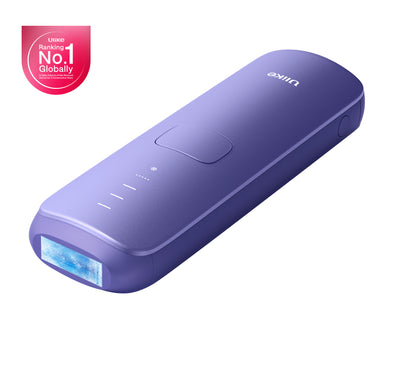
Ulike Air 3
3 weeks to silky smooth skin.
93% Hair Density Reduction in 4 Weeks
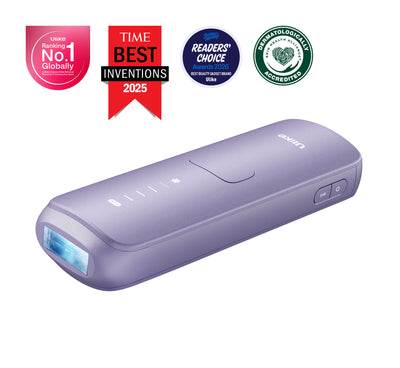
Ulike Air 4
4 weeks to silky smooth skin.
95.8% hair reduction in just 2 weeks*
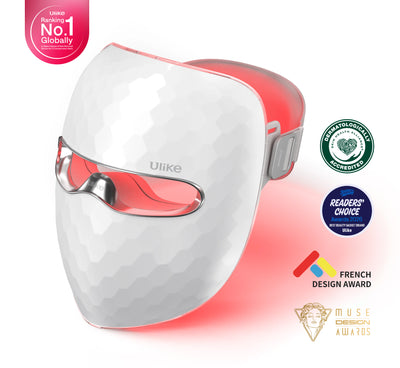
Ulike Reglow
Clearer skin in 2 weeks: Fewer breakouts
Smoother skin in 4 weeks: Fewer lines, firmer feel