




How Long Does Laser Hair Removal Last? Results and Maintenance

If you are tired of shaving, waxing, or constantly dealing with unwanted hair, laser hair removal is one of the most popular options for achieving long-lasting hair reduction. But before booking a first session, you might be wondering: how long does laser hair removal last?
While results can vary, many people enjoy smoother skin for months or even years after completing a recommended treatment course. This guide explains what affects laser hair removal results, why hair may return, and how to maintain smoother skin for longer.

Table of Contents:
- Part 1: The Short Answer: How Long Laser Hair Removal Results Last
- Part 2: How Laser Hair Removal Works
- Part 3: Is Laser Hair Removal Permanent?
- Part 4: Results by Body Area: Face vs. Body
- Part 5: Key Factors That Affect How Long Laser Hair Removal Lasts
- Part 6: Tips to Make Your Laser Hair Removal Results Last Longer
- Part 7: Best At-Home IPL Devices for Long-Lasting Hair Reduction at Home
- Part 8: Conclusion
- Part 9: Frequently Asked Questions
Part 1: The Short Answer: How Long Laser Hair Removal Results Last
Laser hair removal results can last several months to several years after completing a recommended treatment course. Many people experience a significant reduction in hair growth, and any hair that returns is often finer, lighter, and less noticeable than before. However, laser hair removal is generally considered a long-term hair reduction treatment rather than a guarantee that every hair will be permanently removed.
How long your results last depends on several factors, including the treatment area, hair color and thickness, skin tone, hormones, the type of laser used, and whether you complete the recommended number of sessions. Body areas such as the legs, underarms, and bikini line often maintain results longer, while hormonally sensitive areas like the face may require more frequent maintenance.
Part 2: How Laser Hair Removal Works
Laser hair removal uses concentrated light energy to target melanin (the pigment) in the hair follicle. During treatment, the laser device is placed against the skin and sends controlled pulses of light into the treatment area. The hair absorbs this energy, which is converted into heat and damages the follicle, reducing its ability to produce new hair.
What happens during a laser hair removal session?
Before treatment, the area is usually shaved so the laser can reach the follicle beneath the skin without excess hair on the surface absorbing the energy. During the session, you may feel a warm snapping or tingling sensation as each laser pulse is delivered. Many modern devices also include cooling systems to help make treatment more comfortable.
After the session, the treated hairs do not disappear immediately. Instead, they usually shed naturally over the following days or weeks as the damaged follicles release the hair. Temporary redness, swelling, or a warm sensation around the follicles can occur and typically settles after treatment.
Why multiple sessions are needed
Laser treatment works most effectively when a hair is in the anagen (active growth) phase. However, not all hairs grow at the same time. Each hair moves through four stages of growth:
- Anagen (growing phase): The hair actively grows and remains connected to the follicle, making it the stage when laser treatment is most effective.
- Catagen (transitional phase): Growth slows as the hair separates from the follicle.
- Telogen (resting phase): The follicle enters a resting period before the hair is shed.
- Exogen (shedding phase): The old hair falls out, allowing a new growth cycle to begin.
Because only some hairs are in the anagen phase during each session, one treatment cannot target every follicle. Multiple sessions spaced several weeks apart allow the laser to treat new groups of actively growing hairs over time.
Part 3: Is Laser Hair Removal Permanent?
Laser hair removal can provide long-lasting hair reduction, but it does not mean that every hair is permanently removed forever. Some treated follicles may stop producing hair for a long time, while others may become active again due to natural hair cycles, hormonal changes, or individual differences.
The most realistic expectation is less hair, slower regrowth, and easier maintenance rather than completely hair-free skin permanently.
After completing a full treatment course, many people experience:
- Fewer visible hairs in the treated area
- Slower hair growth
- Finer and lighter regrowth
- Less frequent shaving or waxing
- Possible maintenance appointments
Permanent hair removal vs. permanent hair reduction
The difference comes down to how the results are measured:
- Permanent hair removal: A treated hair follicle can no longer produce hair. This is the result typically associated with methods such as electrolysis, which targets individual follicles.
- Permanent hair reduction: A long-term decrease in the number of hairs that grow back after treatment. This is the more accurate way to describe laser hair removal.
So, how long does the laser hair removal last? Laser results can last for months or even years, but maintenance treatments may still be needed, especially in areas affected by hormones, such as the face, chin, or neck.
Part 4: Results by Body Area: Face vs. Body
How long laser hair removal lasts can depend heavily on where you are treating. Areas with thicker, darker hair often respond well because the laser can more easily target pigment in the follicle. However, facial hair is more likely to be affected by hormonal changes, which can make long-term results less predictable.
Body areas (legs, underarms, bikini line, back)
Body areas such as the legs, underarms, bikini line, chest, and back often maintain laser hair removal results for longer than facial areas. After completing a recommended treatment course, many people enjoy several years of reduced hair growth, although occasional maintenance treatments may still be needed.
These areas often respond well because they typically have thicker, darker hair that contains more pigment for the laser to target. If hair does return, it is usually less dense, finer, and slower-growing than before. Some people may only need occasional touch-ups on areas where noticeable regrowth appears rather than repeating the entire initial treatment course.
Facial areas (chin, upper lip, neck)
Facial laser hair removal can still provide significant long-term reduction, but results are often less predictable than on many body areas. Areas such as the chin, upper lip, jawline, and neck are more sensitive to hormonal changes, which can activate new or previously inactive follicles over time.
After treatment, some people may enjoy smoother skin for months to several years, but facial areas are more likely to require maintenance sooner than body areas. This does not necessarily mean the treatment was unsuccessful—it may simply reflect ongoing hormonal influences on facial hair growth.
Part 5: Key Factors That Affect How Long Laser Hair Removal Lasts
Laser hair removal results can vary significantly from person to person. Understanding the influencing factors can help you set more realistic expectations and get the most out of your treatment course.
Hair color and skin tone
Laser hair removal works by targeting melanin, the pigment in the hair follicle. Because of this, the contrast between your hair color and skin tone can affect how effectively the laser can target the follicle. Darker, coarser hair typically responds best because it contains more pigment to absorb the laser energy.
Hair colors with less pigment, such as blonde, gray, white, and some red hair, may be more difficult to treat because they provide less of a target for the laser. This does not mean treatment is impossible in every case, but results may be more limited compared with darker hair.
Skin tone also plays an important role. Since the laser targets pigment, the right device and settings must be selected carefully to treat different skin tones safely and effectively. Working with an experienced provider who understands how to treat your skin type can help reduce the risk of side effects and improve results.
Hormonal fluctuations
Hormones can influence how long laser hair removal results last, especially in areas where hair growth is more hormone-sensitive. Conditions or life stages that affect hormone levels, such as pregnancy, menopause, or certain hormone-related conditions, may stimulate new hair growth even after successful treatment.
This is why facial areas such as the chin, upper lip, jawline, and neck often require more maintenance than many body areas.
Number of completed sessions
Completing the recommended number of laser hair removal sessions is one of the most important factors affecting how long your results last. Laser treatment works best when a hair follicle is in the anagen (active growth) phase, but only a portion of your hairs are in this stage at any one time.
Most people need around six or more sessions to achieve noticeable long-term hair reduction, although the exact number varies depending on the treatment area, hair color, hair thickness, skin tone, laser type, and individual response.
Treatment schedules are usually spaced several weeks apart rather than performed back-to-back. This allows time for new groups of hairs to enter the active growth phase and become suitable targets for the laser.
It can be tempting to stop treatment once the skin looks smoother after a few sessions. However, early improvement does not always mean all responsive follicles have been treated. Some hairs may simply be between growth cycles and have not yet reached the stage where the laser can effectively target them.
Hair thickness and growth patterns
Hair thickness and growth patterns also affect how long laser hair removal results last. Thick, coarse hairs usually absorb more laser energy than fine hairs, which can make them easier to target. However, areas with dense or mixed hair growth may require more carefully timed sessions to achieve consistent results.
Different body areas also grow hair differently. For example, underarm and bikini hair is often thicker and more concentrated, while facial areas may contain a mixture of coarse and finer hairs. As treatment progresses and the remaining hair becomes finer, your provider may adjust settings or treatment intervals to match your changing hair pattern.
Part 6: Tips to Make Your Laser Hair Removal Results Last Longer
Once you have invested in treatment, a few practical habits can protect your skin and help your provider treat the follicles effectively.
- Complete the recommended course. Missing appointments or ending early can leave more follicles untreated. Ask your provider when to return rather than selecting intervals yourself.
- Shave instead of removing the root. Waxing, plucking, threading, and epilating remove the structure the laser needs to target. Follow your clinic’s shaving instructions before each session.
- Limit tanning and sun exposure. A tan changes the amount of pigment in your skin and may affect the treatment settings your provider can use. Apply broad-spectrum SPF 30 or higher as directed.
- Follow aftercare instructions. Avoid irritating products, excessive heat, and friction while the skin settles. Mild redness and swelling can occur shortly after treatment.
- Schedule maintenance when needed. You do not have to wait for the entire area to return. Treating scattered regrowth may help preserve an even result.
Most importantly, choose an experienced, appropriately qualified professional who regularly treats your skin tone. Poorly selected settings can increase the risk of burns, scarring, or lasting color changes.
Part 7: Best At-Home IPL Devices for Long-Lasting Hair Reduction at Home
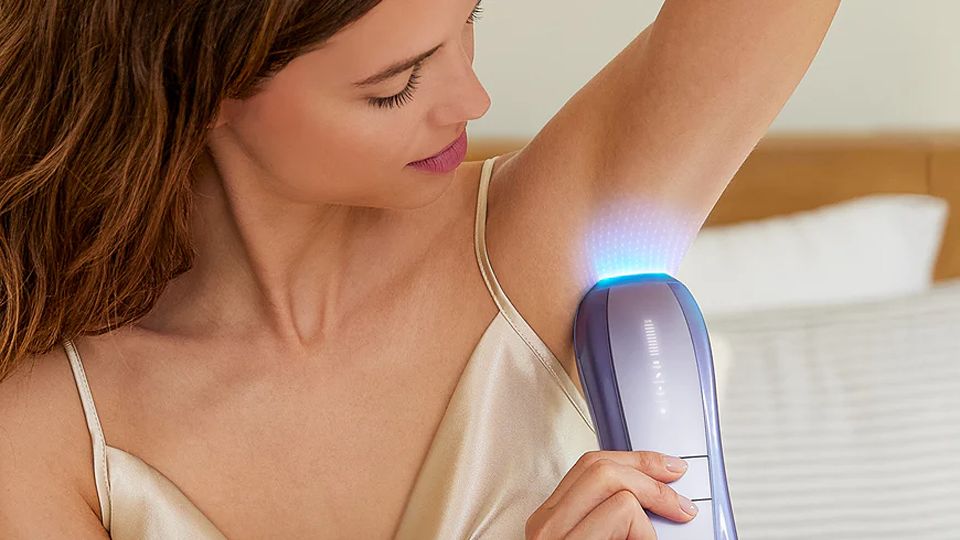
If you want to manage unwanted hair without regular clinic visits, at-home IPL (Intense Pulsed Light) can be a convenient option for long-term hair reduction.
While at-home IPL devices are not the same as professional laser treatments, they follow a similar principle: light energy is absorbed by the pigment in the hair and converted into heat, which helps reduce the follicle’s ability to produce new hair.
Unlike professional laser hair removal, which uses a focused wavelength of light, IPL uses a broader spectrum of light to target pigment in the hair. With consistent use, IPL can help slow hair regrowth and make maintenance easier over time.
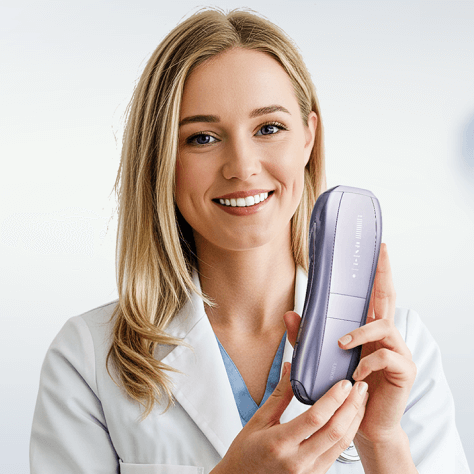
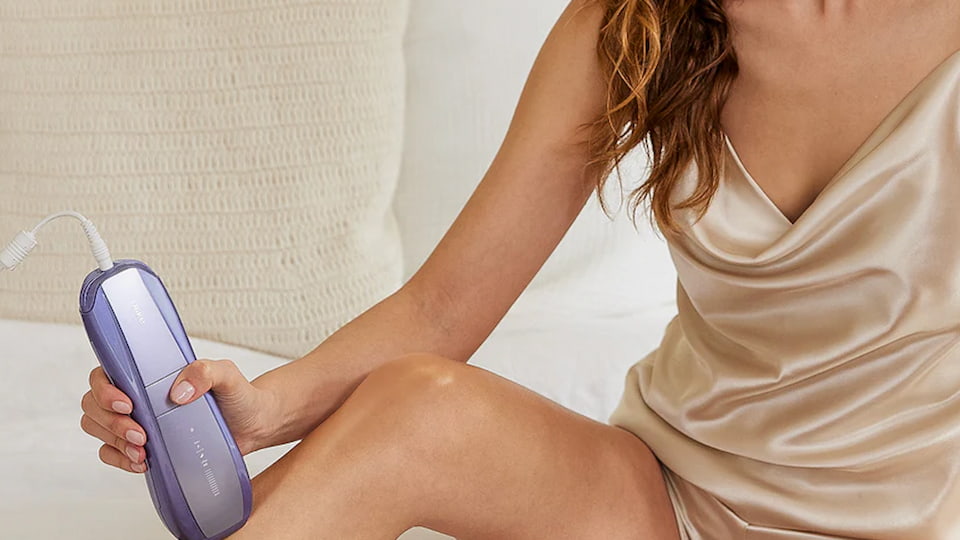
For those looking for a more flexible routine, Ulike offers two IPL options designed for different needs. The Air 10 focuses on faster coverage and more automated treatment support, while the Air 4 provides a simpler way to enjoy comfortable IPL treatments at home.
Ulike Air 10
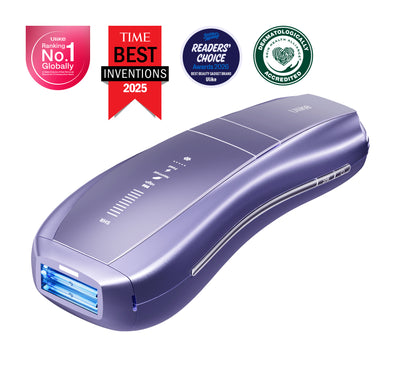
The Ulike Air 10 is designed for users who want faster full-body treatments and more intelligent features during their routine. Its Dual Lights system helps cover more skin with each pass, while SkinSensor automatically adjusts energy output based on skin tone, making it easier to maintain consistent treatment across different areas.
According to SGS laboratory testing, you can achieve up to 96% hair density reduction after just 14 days when using the Air 10 in SHR mode.
Here is what makes it practical for everyday use:
- Dual Lights with a wider treatment window: Covers more skin with each flash, helping reduce the time needed when treating larger areas such as legs, arms, or the body.
- SkinSensor automatic adjustment: Detects skin tone and adjusts energy output accordingly, making it easier to move between areas with different pigmentation.
- SHR Mode with up to 26J per four-pulse burst: Provides a stronger treatment option for stubborn hair in areas such as the underarms, bikini line, chest, and beard area.
- Sapphire Ice Cooling at approximately 65°F: Keeps the treatment surface cool against the skin, helping improve comfort during repeated flashes or higher-intensity treatments.
- AutoGlide mode with around 10-minute full-body sessions: Enables continuous flashing while moving across larger areas, making regular treatments easier to fit into your routine.

Ulike Air 10
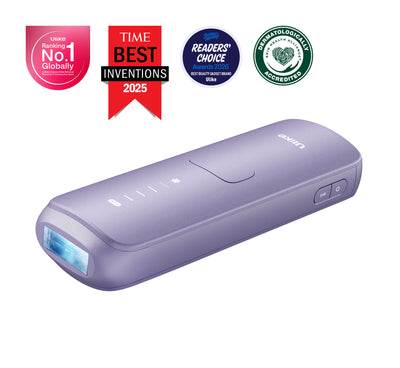
The Ulike Air 4 is a straightforward option for people who want an easy-to-follow IPL routine with essential features for comfortable home treatments. Its multiple treatment modes allow you to adjust the approach based on the area being treated, while sapphire cooling helps make regular sessions more comfortable.
- Four treatment modes: Allows you to choose between gentler settings for finer hair and stronger options for thicker growth, making the device adaptable across different body areas.
- Up to 24J energy output: Provides effective light energy for compatible hair and skin types while giving users flexibility between comfort and intensity.
- 0.4-second fastest flash interval: Helps speed up treatments across larger areas, so full-body routines feel more manageable.
- Sapphire Ice Cooling at approximately 64.4°F: Helps maintain a cooler treatment surface, supporting comfort during repeated use.
- AutoGlide mode: Reduces the need to repeatedly press the flash button, making longer sessions easier to complete.

Part 8: Conclusion
How long does laser hair removal last? The answer depends on your hair type, treatment area, hormones, and how consistently you complete your treatment plan. While laser hair removal can provide long-lasting hair reduction for months or even years, some regrowth and occasional maintenance treatments are a normal part of the process.
For those who prefer a more flexible approach to managing hair regrowth at home, IPL devices can offer a convenient alternative for long-term hair reduction when used consistently. Ulike’s at-home IPL devices, including the Air 10 and Air 4, are designed to help you maintain smoother skin with a comfortable, easy-to-follow routine from home.
By choosing the right method and setting realistic expectations, you can find a hair removal approach that fits your lifestyle and long-term goals.
Part 9: Frequently Asked Questions
Q1: Can laser hair removal last forever?
Laser hair removal can provide long-term hair reduction, but it is unlikely to last forever for everyone. Many people enjoy smoother skin for months or even years after completing the recommended sessions. If hair returns, it is usually finer, lighter, and less noticeable than before. Occasional maintenance treatments may help preserve results, especially in areas affected by hormonal changes.
Q2: What happens if I shave 2 hours before laser?
Shaving only two hours before a laser hair removal appointment is generally not ideal. Freshly shaved skin may have minor irritation or tiny abrasions that can increase sensitivity during treatment. Most clinics recommend shaving about 24 hours before your session, allowing the skin to recover while leaving the hair follicle intact for the laser to target effectively. Always follow your provider's specific pre-treatment instructions.
Q3: What I wish I knew before laser hair removal?
Before laser hair removal, it helps to know that proper aftercare is just as important as the treatment itself. Wear loose-fitting clothing, avoid strenuous exercise and excessive sweating for 24–48 hours, and keep treated skin away from direct sun exposure for several weeks. Once your provider advises it, gentle exfoliation can help reduce ingrown hairs and encourage treated hairs to shed naturally.
Featured Products

Ulike Air 10
2 weeks to silky smooth skin.
96% Hair Density Reduction
The next-generation in simple,
lasting hair removal.
At Home Laser Hair Removal: How to Choose and Use the Right Device

Best At-Home Hair Removal Device for PCOS Patients — A Buying Guide

IPL vs Electrolysis for Small Areas - Which Is Better for Chin and Upper Lip?

Explore Beauty
Ulike Air 10
2 weeks to silky smooth skin.
96% Hair Density Reduction in 2 Weeks
Ulike Air 3
3 weeks to silky smooth skin.
93% Hair Density Reduction in 4 Weeks
Ulike Air 4
4 weeks to silky smooth skin.
95.8% hair reduction in just 2 weeks*
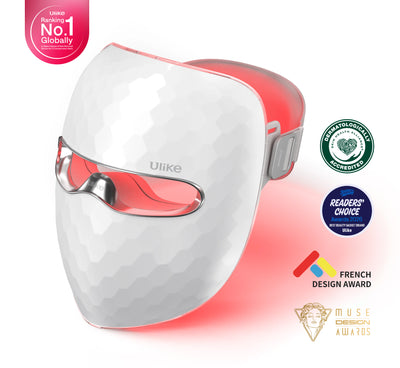
Ulike Reglow
Clearer skin in 2 weeks: Fewer breakouts
Smoother skin in 4 weeks: Fewer lines, firmer feel