 Ulike ReGlow Pro★ 5.0 (511)


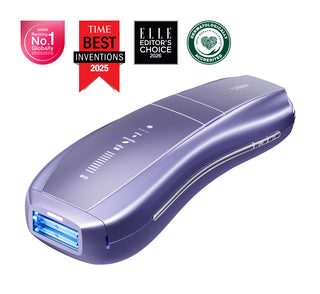
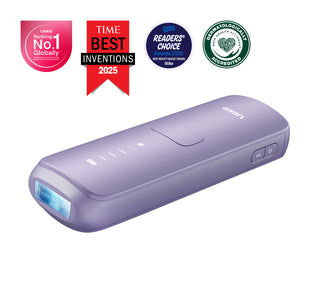


Table of Contents
For many men, male pubic hair removal is a sensitive but very common topic. Whether the goal is hygiene, comfort, sports performance, or personal preference, finding a safe and effective way to handle hair removal for men’s pubic area matters more than most guys admit out loud.
Managing hair in your intimate regions poses a unique set of challenges. The delicate skin in this area makes the thought of a razor, an epilator, or even a laser device down there a genuinely daunting prospect — and if you’ve ever searched for hair removal pubic area males tips at 1 a.m., you already know how much conflicting advice is out there.
But don’t worry. There’s a lot to consider when it comes to taming your genital hair, and this guide breaks it all down step by step.
In this in-depth guide, we’ll cover the most popular methods for pubic hair removal for men, walk through the real risks and what to consider before you start, and give you a full tutorial on using the top-rated Ulike laser IPL hair removal device — including the newest Ulike Air 10 — safely from the comfort of your own home.
Table of Contents:
- Part 1: Why Does Pubic Hair Grow?
- Part 2: Disadvantages of Ungroomed Pubic Hair
- Part 3: Popular Techniques for Pubic Hair Removal
- Part 4: Ulike Air 10: A Safe and Effective Solution for Male Pubic Hair Removal
- Part 5: Post-Grooming Care
- Part 6: Risks and Considerations for Male Pubic Hair Removal
- Part 7: Frequently Asked Questions (FAQ)
Part 1: Why Does Pubic Hair Grow?
Pubic hair growth is a completely natural process triggered by increased hormone secretion during puberty. It isn’t just cosmetic — the hair serves real functions, including reducing friction, protecting sensitive skin from irritation, and trapping bacteria and microorganisms that can otherwise spread infection.
That said, plenty of men still choose to trim, shape, or fully remove it, and there’s no “correct” answer. It comes down to comfort, hygiene goals, and personal style.
Part 2: Disadvantages of Ungroomed Pubic Hair
- Natural but Not Always Ideal — pubic hair is entirely normal, but it comes with a few practical downsides.
- Trap for Sweat and Dirt — ungroomed hair can trap sweat and dirt, leading to unpleasant odor and hygiene concerns.
- Aesthetic and Hygiene Concerns — excess hair pennis growth (hair around the base and shaft of the penis) can make the area harder to keep clean and may raise the risk of irritation, rashes, or ingrown hairs.
- Prioritize Cleanliness — regularly cleaning and grooming the area is one of the simplest ways to stay comfortable and confident.
Part 3: Popular Techniques for Pubic Hair Removal
Shaving

Shaving is one of the most common and accessible methods of male genital hair removal. It’s important to approach it with caution to avoid cuts, irritation, and ingrown hairs. Before you begin:
- Trim the hair with scissors or an electric trimmer first.
- Soak in warm water or shower to soften the hair and open pores.
- Apply a shaving cream or gel for lubrication.
- Shave in the direction of hair growth with a clean, sharp razor.
- Rinse the razor often and moisturize the skin afterward.
Trimming
If shaving isn’t your preferred method, trimming is a great, low-risk alternative — and one of the simplest answers to “how to get rid of testicle hair” without going fully bare. Invest in a pair of grooming scissors or a body trimmer designed for sensitive areas, then:
- Trim the hair when it’s dry to prevent accidental nicks.
- Stand in a well-lit area, using a mirror if needed for visibility.
- Start with longer guard settings and gradually go shorter until you reach your desired length.
- Clean the scissors or trimmer with rubbing alcohol after each use.
Also read: Trimming vs. Shaving: Is Trimming Better than Shaving?
Depilatory Creams
Depilatory creams, often called hair removal creams, offer a hassle-free option for hair removal pubic area males grooming. These products contain compounds that dissolve hair at the skin’s surface, making it easy to wipe away for a smooth result without cuts or razor burn. When using depilatory creams:
- Select a cream formulated for sensitive skin.
- Patch-test a small area first to check for reactions.
- Apply evenly, following the product instructions.
- Leave it on for the recommended duration only.
- Wipe away with a damp cloth or sponge.
- Rinse thoroughly and moisturize afterward.
Also read: The 10 Best Bikini Hair Removal Creams (2024)
Waxing
Waxing delivers longer-lasting results than shaving or depilatory creams by pulling hair out from the root. If you choose to wax:
- Consider a professional for your first session to minimize discomfort.
- Make sure hair is long enough to adhere to the wax (about 1/4 inch).
- Cleanse and dry the area before applying wax.
- Apply in the direction of hair growth, then remove against the grain.
- Follow up with a soothing lotion or aloe vera gel.
Also read: Waxing Sideburns: Step-by-Step Guide, Results, and Other Ways
The Long-Lasting Solution: Ulike Air 10
Shaving, trimming, creams, and waxing all work — but they’re temporary, and most need to be repeated every few days or weeks. If you’re looking for the best way to get rid of hair on testicles and the surrounding area for good, an at-home IPL device is the closest thing to a permanent fix without a clinic visit.
That’s where the Ulike Air 10 comes in — Ulike’s most advanced IPL hair removal handset, purpose-built to make how to remove hair from pennis permanently at home a realistic, comfortable routine rather than a painful chore.
Part 4: Ulike Air 10: A Safe and Effective Solution for Male Pubic Hair Removal

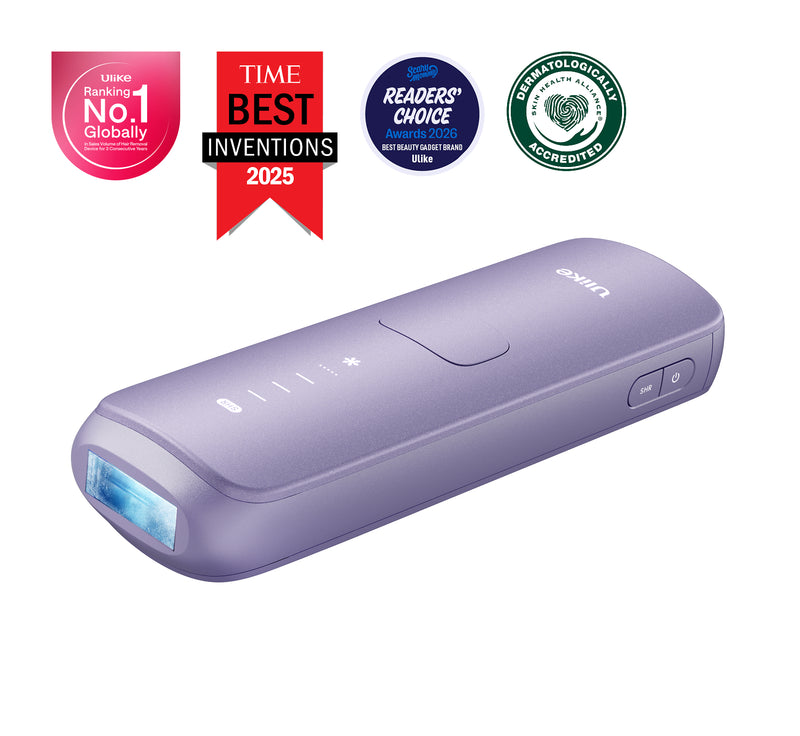
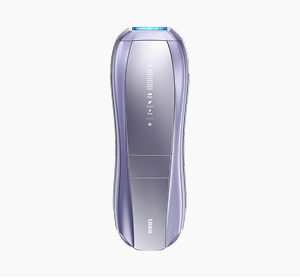
The Ulike Air 10 uses Dual Light IPL technology paired with Sapphire Ice-Cooling™ to target and disable hair follicles at the root, resulting in long-lasting hair reduction — many users see visibly less regrowth within a few weeks of consistent use. Its SkinSensor technology automatically reads skin tone and adjusts power output, which matters a lot in a sensitive area like the groin.
Here’s a step-by-step guide on how to use the Ulike Air 10 for male pubic hair removal:
- Trim existing hair. Before your first session, trim pubic hair down to a short length with scissors or an electric trimmer — IPL works best on short stubble, not long hair.
- Clean your skin. Wash the area thoroughly with mild soap and water to remove dirt, oils, or residue.
- Choose the right setting. The Ulike Air 10 offers multiple intensity modes. Start on the lowest setting and increase gradually as your skin adjusts. Avoid jumping straight to the highest setting in this sensitive area.
- Patch-test on your arm first. Before treating the groin, test the device on a small area of your arm to confirm your skin doesn’t react adversely.
- Patch-test on your arm first. Before treating the groin, test the device on a small area of your arm to confirm your skin doesn’t react adversely.

- Position the device. Hold it at a 90-degree angle against the skin so the treatment window is flush with the hair you’re targeting. Avoid any direct contact with mucous membrane areas.
- Trigger the light pulse. Press the button to emit a flash, then glide the device across the treatment area, slightly overlapping each pass.
- Control your time. Treat each section for the recommended number of pulses — generally up to 3 passes per spot — without repeatedly re-treating the same patch of skin in one session. Stick to the recommended treatment schedule for the best long-term results.
Individual results vary, and most people need several sessions over a few weeks to see full hair reduction. Always read and follow the instructions included with your Ulike Air 10 for the safest, most effective outcome. For more detail on how the technology works, see Ulike’s guide to laser hair removal at home.
Part 5: Post-Grooming Care
However you remove hair, aftercare determines whether your skin stays comfortable or turns red and irritated:
- Moisturize. A gentle, unscented moisturizer or aloe vera gel calms the skin and locks in hydration.
- Avoid tight clothing. Loose-fitting underwear right after grooming reduces friction on freshly treated skin.
- Exfoliate regularly. A few times a week, gentle exfoliation helps prevent ingrown hairs and keeps follicles clear — especially important after shaving or waxing.
Part 6: Risks and Considerations for Male Pubic Hair Removal
Pubic hair removal is a personal choice, but it’s worth knowing the risks before you start:
- Skin irritation. Shaving, waxing, or depilatory creams can cause redness, itching, or ingrown hairs. Keep the area clean and moisturized afterward to minimize this.
- Allergic reactions. Some people are sensitive to chemicals in creams or wax. Always patch-test first.
- Pain or discomfort. Waxing and laser hair removal can cause temporary discomfort. Follow proper technique, adjust intensity settings, and consult a professional if needed.
- Infections. Unclean tools or poor hygiene during hair removal raise infection risk — always sanitize your tools.
- Individual preference. Everyone’s comfort level is different. Choose the method that fits your skin, pain tolerance, and lifestyle.
If you have a pre-existing skin condition or ongoing concerns, check with a dermatologist before trying any new pubic hair removal for men method.
Final Thoughts
There’s no single “right” way to handle male genital hair removal — it comes down to your comfort level, budget, and how much upkeep you’re willing to do. Shaving and trimming are quick and cheap but need constant repeating. Waxing and creams last longer but come with their own prep and aftercare. For men who are tired of the whole cycle, the Ulike Air 10 offers a genuinely long-lasting, at-home alternative — no appointments, no recurring razor purchases, just a simple routine you control. Explore the full Ulike IPL hair removal lineup to find the option that fits your routine.
Part 7: Frequently Asked Questions
Q1: Is it normal to have hair on your balls (hair pennis / penic hair)?
Yes — hair on the scrotum and testicles, sometimes searched online as “hair pennis” or “penic hair,” is completely normal. Growth patterns vary by person, and this hair serves a protective function by reducing friction and shielding sensitive skin.
Q2: What’s the best way to get rid of hair on testicles?
For short-term results, careful shaving or trimming works well, but the skin around the testicles is thin and prone to nicks, so a body trimmer with a skin guard is safer than a standard razor. For a longer-lasting answer, an at-home IPL device like the Ulike Air 10 targets the follicle directly, reducing regrowth over repeated sessions instead of just cutting hair at the surface.
Q3: How can I get rid of testicle hair without shaving?
Trimming, depilatory creams, waxing, and IPL are all shave-free options. Trimming is the lowest-risk starting point; creams and waxing last longer between sessions; and IPL devices such as the Ulike Air 10 are designed to reduce hair growth over time so you need fewer sessions overall.
Q4: How do I remove hair from pennis permanently at home?
No home method offers a truly “instant permanent” result overnight — but at-home IPL is the closest option available without visiting a clinic. Devices like the Ulike Air 10 use Dual Light IPL technology to disable hair follicles with consistent use, typically over several weeks, for long-lasting hair reduction. Always trim first, patch-test on your arm, and follow the manufacturer’s recommended schedule.
Q5: Can IPL work on penis hair?
IPL devices like the Ulike Air 10 can be used on the pubic area, including the base of the penis and scrotum area. Follow the recommended usage instructions closely and avoid direct contact with mucous membrane areas.
Q6: What are the disadvantages of shaving the penis head?
Shaving the penis head can cause irritation, razor burn, or cuts due to how sensitive and thin the skin is there. Use a clean, sharp razor, go slowly, and moisturize afterward to reduce these risks — or consider a shave-free alternative like trimming or IPL for that specific area.