




How to Shave Before IPL for Better Results

Learning how to shave before IPL is a vital step for anyone looking to get the most out of their treatment. When you shave correctly, you ensure that the intense pulsed light can travel directly to the hair follicles without obstruction. If you leave stubble behind, the flash of energy is often absorbed by hair above the skin surface rather than targeting the root, which reduces the effectiveness of your treatment.
Proper preparation is the foundation of a successful hair removal journey. Whether you use an at-home device or visit a clinic for professional care, the goal remains the same: calm skin, a close shave, and no extra irritation before your IPL sessions begin. Taking this time to prepare helps your skin stay comfortable and ensures every pulse of light works as intended.
Key Takeaways
- Clear the Path: Shaving removes surface hair, allowing the IPL energy to penetrate directly to the hair follicle for maximum effectiveness.
- Perfect Timing: For best results, aim to shave 12 to 24 hours before your session to ensure skin is smooth but has had enough time to calm any minor irritation.
- Gentle Technique: Use a sharp razor, warm water, and a light touch to achieve a close shave without compromising or scraping the skin surface.
- Safety First: Never perform IPL on skin that is sunburned, tanned, or irritated by recent shaving; always prioritize the specific guidelines provided by your device manual or clinical professional.
Why shaving matters before IPL
IPL technology works by targeting the melanin within the hair follicle. When visible hair is left above the skin surface, it can dissipate light energy before it reaches the root, which often leads to discomfort and reduces the efficacy of your treatment area. A fresh shave ensures the light is directed exactly where it is needed most.
Shaving is the preferred method because it does not disturb the follicle, whereas waxing or plucking removes the hair from the root, leaving nothing for the IPL to target. Proper shaving is essential for achieving long-term permanent hair reduction and successful hair reduction results. To ensure your hair removal process is both safe and effective, always remember to apply sunscreen to the skin and perform a patch test before beginning any new IPL routine. If you want a quick refresher on how the light interacts with hair growth, see how IPL hair removal works.
The best IPL prep leaves the skin smooth, calm, and free of visible hair above the surface.
Shaving also significantly improves your comfort during the session. Long hair can become singed or tugged when the flash hits it, which can make the treatment feel harsher than necessary. Many clinics and manufacturers require clean, bare skin before starting to ensure the best possible outcome. A consistent prep routine, combined with sun-safe habits and gentle skincare, helps keep the skin in an optimal state for your session, as further detailed in this IPL prep guide.
When to shave before your session
Most people achieve the best results when they shave within 12 to 24 hours before their session. This timing provides a close shave while minimizing the risk of skin irritation, as it prevents new stubble from appearing before your appointment. It also allows any mild razor redness to subside, ensuring your skin is calm and ready for the light energy.
However, your specific device or clinic may provide different recommendations, so always prioritize those instructions first. Individuals with sensitive skin often prefer shaving the day before their appointment to give their skin extra time to settle, while others find they do perfectly well shaving on the morning of their session.
The core objective is to ensure your skin looks smooth and free from inflammation. Understanding your hair growth cycle is essential for effective hair removal, as the light targets the pigment at the root. If you notice any nicks, cuts, or bumps after shaving, wait until the area has completely healed before proceeding, as IPL should never be performed on compromised skin.
It is also important to consider your recent sun exposure. Tanned or sunburned skin is not suitable for treatment, so it is vital to apply sunscreen daily to your treatment area in the days leading up to your session. If you are preparing for an at-home treatment, consistent skin protection is key to avoiding adverse reactions. For more tailored advice, you can follow this skin-prep guide. Additionally, reviewing a step-by-step IPL guide can help you align your shaving schedule with the rest of your routine for your specific IPL device.
How to shave for a smoother IPL treatment
A good shave for your hair removal routine should be close, gentle, and consistent. You do not need a perfect, barber-style finish, but you do need skin that feels settled and hair that sits just below the surface. Properly prepping for your IPL device ensures the light energy reaches the root of the hair follicle at the correct intensity level, which helps you avoid skin irritation and achieve the best results.

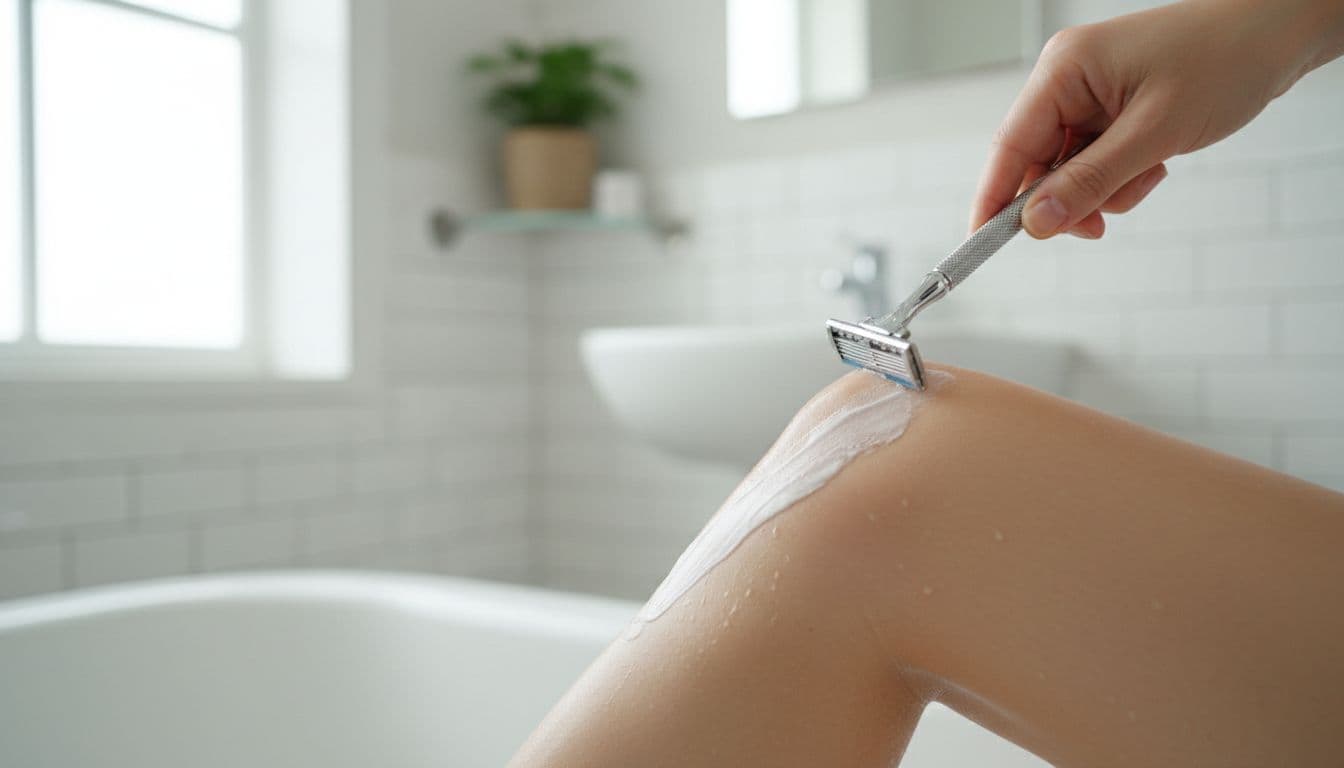
Start with warm water and a mild cleanser to soften the hair and remove any traces of oil, sunscreen, or lotion. Then, use a clean, sharp razor. A dull blade scrapes the surface and can leave more irritation than hair.
A light shaving gel or cream is especially helpful on the legs, underarms, and bikini line. Use short strokes and avoid pressing too hard. If you have sensitive skin, one slow pass is always better than three rough ones.
A few habits can improve your hair removal process:
- Shave on clean skin to help the razor glide smoothly and prevent ingrown hairs.
- Rinse the blade often to prevent clogging, as any visible hair left on the surface can interfere with the light energy.
- Avoid dry shaving unless your device or clinic specifically instructs you to do so.
- Moisturize after shaving with a plain, fragrance-free lotion if your skin feels tight.
- Skip strong products like retinoids or exfoliating acids if they tend to sting.
- Use cooling technology or a cool compress if you have sensitive skin to calm the area before beginning your session.
For facial areas, stay extra gentle. The upper lip, chin, and jawline can become irritated faster than your legs. A light touch and a fresh blade matter more in these spots than speed.
If you want the simplest rule, use this one: shave close enough that you cannot feel stubble when you run your hand over the skin. That is usually close enough for your treatment to be effective and comfortable.
Sensitive skin, coarse hair, and tricky areas
Not every area shaves the same way. Some skin gets red fast, some hair is thick and wiry, and some spots are just awkward to reach. The trick is to match your hair removal method to the area, rather than forcing one approach everywhere.
For sensitive skin, keep the routine plain. Use lukewarm water, a fragrance-free shave product, and one careful pass. If your skin tends to sting, avoid shaving immediately after a hot shower or after exfoliating. Give yourself time to cool down first, or look for an IPL device that includes cooling technology to soothe your sensitive skin during the treatment.
Coarse hair requires patience. Because thick hair can dull a blade quickly, a fresh razor is essential to effectively target the hair follicles. Similar to the preparation required for professional laser hair removal, shaving the area thoroughly ensures the light energy reaches the root. Shave in the direction of hair growth first, then only go against the grain if your skin tolerates it, as this helps you achieve the necessary smooth surface without causing skin irritation or ingrown hairs.
Tricky areas require a slower hand. The bikini line, knees, ankles, underarms, and the back of the thighs often have curves and folds that require extra attention. Before you begin, check your skin tone compatibility with your device to ensure safe usage. Stretch the skin gently with one hand, shave in small, controlled sections, and check your work in good light. Missing a small patch is better than scraping the skin to chase one stubborn spot.
Here is a quick guide for the spots that often cause trouble:
- Underarms: Shave in different directions if the hair growth pattern varies, but keep pressure light to avoid nicks.
- Bikini line: Trim longer hair first if needed, then shave with care to prevent ingrown hairs.
- Knees and ankles: Bend the joint so the skin stays flat, providing a smooth surface for your razor.
- Face: Use a gentle razor and skip any product that leaves the skin feeling raw or inflamed.
If you deal with razor bumps often, do not try to over-shave. A close, comfortable shave is always better for your overall hair removal results than a perfect one that leaves the skin upset and irritated.
At-home IPL vs professional IPL prep
The basics are similar, but the details can change depending on your approach. An at-home treatment puts more of the prep work on you, while a clinic visit may include a technician's guidance and a more controlled setup.
A quick comparison makes the difference easier to see.
| Area | At-home IPL | Professional IPL |
|---|---|---|
| Shaving timing | Often the day before or day of treatment, depending on the IPL device | Usually a short window before the appointment, based on clinic instructions |
| Who shaves | You do it yourself | You may be asked to arrive shaved, or the clinic may help with prep |
| Skin check | You assess skin tone and the treatment area yourself | The provider checks skin tone, hair, and treatment area |
| Safety sensor | You ensure the device makes full contact with the skin | The technician adjusts the machine accordingly |
| Patch test | You perform this according to the manual | The technician handles this during the consultation |
| Intensity level | You choose settings based on comfort | The provider adjusts intensity for safety and effectiveness |
| Prep extras | Clean skin, no stubble, no irritation | Clean skin, no sunburn, and clinic-specific rules |
The main takeaway is simple. An at-home IPL device gives you more control, so your shave needs to be deliberate to ensure effective hair removal. Professional sessions may feel more guided, but you still need to show up with calm, well-prepped skin. Whether you choose home devices or professional laser hair removal, both methods aim for consistent hair reduction and require proper aftercare to protect your skin.
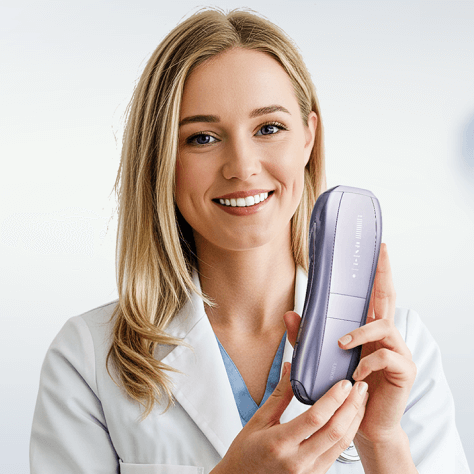
If you are using a home handset, the device guide should be your first stop. Ulike's how to use your IPL device page is a great resource for the full hair removal prep flow, especially if you are new to the routine. If the clinic or device manual provides instructions that differ from general advice, always prioritize those specific guidelines for the best results.
Frequently Asked Questions
Can I wax or pluck instead of shaving before my IPL session?
No, you should never wax or pluck before an IPL treatment. IPL works by targeting the pigment in the hair root, so you need the hair follicle to remain intact beneath the skin for the light energy to find its target.
Is it okay to shave immediately before I start my IPL device?
While some users do this, it is generally recommended to shave at least 12 hours before your session. This buffer period allows any immediate redness or minor razor sensitivity to subside, ensuring your skin is calm and comfortable before applying light energy.
What should I do if I accidentally nick my skin while shaving?
If you have any cuts, nicks, or open bumps on the treatment area, you must skip that spot during your IPL session. Never apply IPL to compromised or broken skin, as it can cause significant irritation or injury.
Do I need to shave even if my hair is very fine or light-colored?
Yes, shaving is a requirement for all hair types when using IPL. It ensures that the device's light energy is not absorbed by surface hair, which prevents singeing and ensures that the energy is directed safely and effectively toward the root.
Conclusion
The best way to shave before IPL is simple: keep the shave close, gentle, and timed well. Establishing a consistent shaving routine is the essential first step toward achieving effective permanent hair reduction. Smooth skin ensures the light energy reaches the hair root directly, and keeping the skin calm makes your entire hair removal session more comfortable.
If you remember one thing, make it this: a careful shave is an integral part of your treatment, not just a separate chore. As you progress through your IPL sessions, monitor your hair regrowth and prioritize proper aftercare to ensure the best possible results. While the process shares similarities with professional laser hair removal, following these specific preparation steps is vital for optimal hair reduction. Always follow your device or clinic instructions, watch for irritation, and give sensitive skin enough time to settle before you begin.
Featured Products

Ulike Air 10
2 weeks to silky smooth skin.
96% Hair Density Reduction
The next-generation in simple,
lasting hair removal.

How to Switch from Plucking Chin Hair to IPL

Electrolysis vs Laser Hair Removal: Which Is Better?
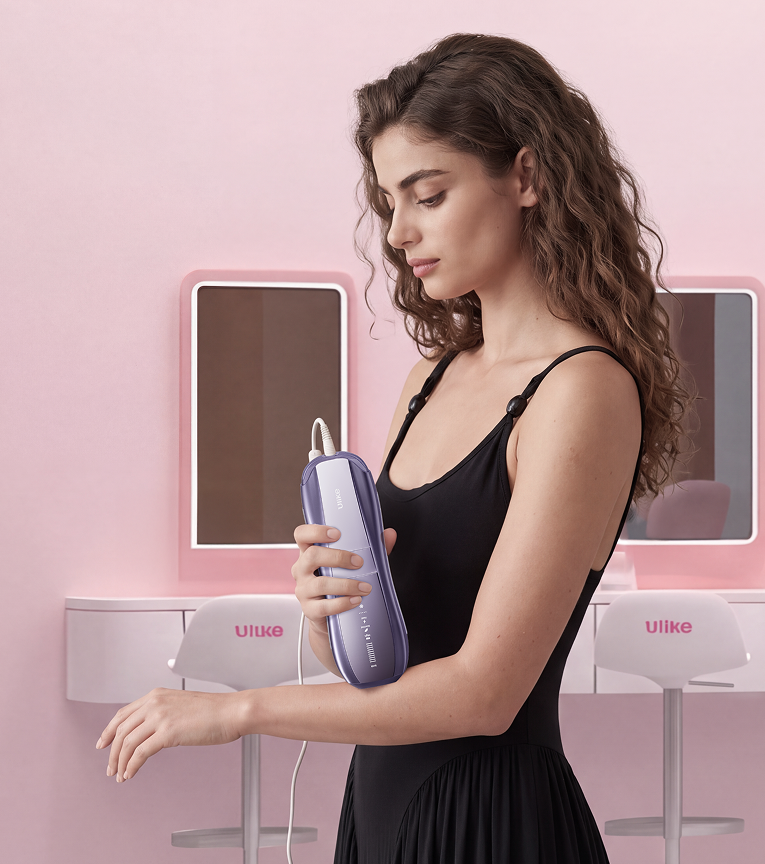
Best Female Facial Hair Remover: Which One Suits You?

Explore Beauty
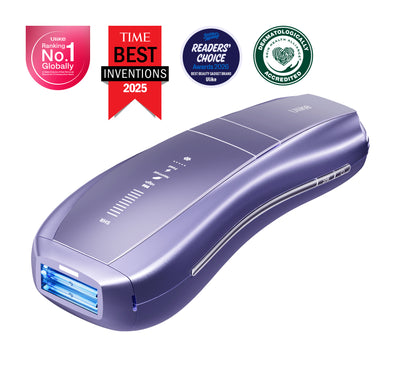
Ulike Air 10
2 weeks to silky smooth skin.
96% Hair Density Reduction in 2 Weeks
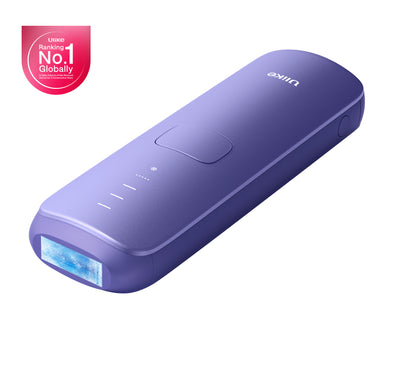
Ulike Air 3
3 weeks to silky smooth skin.
93% Hair Density Reduction in 4 Weeks
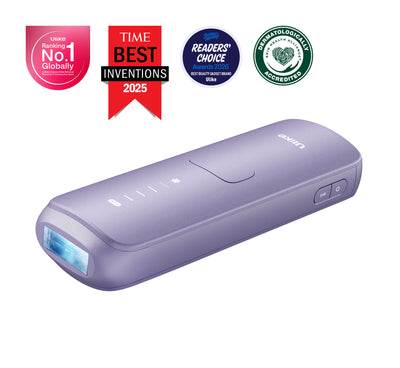
Ulike Air 4
4 weeks to silky smooth skin.
95.8% hair reduction in just 2 weeks*
Ulike Reglow
Clearer skin in 2 weeks: Fewer breakouts
Smoother skin in 4 weeks: Fewer lines, firmer feel