



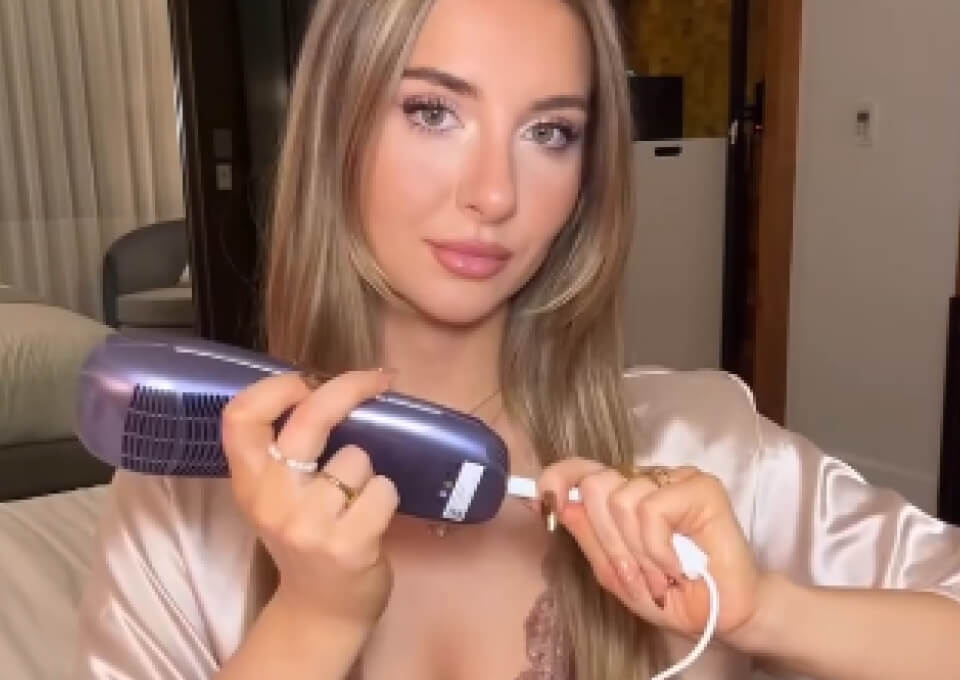
IPL Chin Hair Removal for the Jawline: What to Expect

Chin and jawline hair can feel more stubborn than it looks. A few dark hairs can cast a shadow, grow back fast, and turn into a daily mirror check. IPL hair removal uses intense pulsed light to target these areas effectively.
That is why IPL chin hair removal gets so much attention. It can help, but facial hair is not the same as leg hair, and the best long-lasting results depend on your hair color, skin tone, hormones, and how carefully you treat the area.
Key Takeaways
- IPL works best on dark chin and jawline hair against lighter skin tones; light, fine, gray, or red hair responds poorly, and deeper skin tones need devices designed for them to avoid irritation.
- Hormonal factors like PCOS can trigger regrowth, so IPL offers long-term reduction rather than permanent removal—combine with medical advice if growth changes suddenly.
- Safety first: Use face-safe, FDA-cleared devices, shave before treatment, patch test, avoid sun exposure, and skip if skin is irritated or tanned.
- Expect gradual results over 6-12 sessions with at-home IPL (slower than professional), followed by maintenance; at-home suits mild cases with steady routines.
- At-home IPL is convenient and cost-effective for small areas like the jawline but requires patience versus higher-intensity professional laser or IPL.
Why chin and jawline hair is often harder to treat
The chin and jawline sit in a frustrating middle ground. The area is small, but the hair can be coarse terminal hair, deeply rooted, and easy to notice, unlike finer vellus hair on other facial areas. Even when the number of hairs is low, the contrast against skin can make growth look heavier than it is. Temporary options like shaving provide management but fall short for long-term control.
Hormones also play a big role here. Facial hair on the chin and jawline is often androgen-sensitive, which means shifts in hormone levels can increase hormonal growth over time. That is common with PCOS, and it can also happen around perimenopause or after other hormone changes.
Because of that, IPL hair removal on this part of the face often needs a longer view. You may get a good response from IPL hair removal, then notice hair regrowth as new hairs show up later because new follicles were triggered by hormones. That does not mean the treatment failed. It means the cause of growth and the removal method are not always the same problem.
If your hair growth changed suddenly, grew much thicker, or came with acne, irregular periods, scalp hair thinning, or weight changes, a medical check is smart. A dermatologist or primary care clinician can help sort out whether the growth pattern fits PCOS or another cause.
Sudden coarse facial hair growth deserves a medical look, especially if it comes with other hormone-related symptoms.
That context matters because chin hair is not always "just cosmetic." Sometimes it is, and sometimes it is a clue.
How IPL works on facial hair, and who gets the best results
Intense pulsed light (IPL) uses broad-spectrum light. The melanin in darker hair absorbs that light, then the heat disrupts the hair follicle over time. If you want a plain-language overview of the process, Philips' guide to how IPL works explains the melanin target clearly.
For chin and jawline hair, IPL hair removal works best with dark hair on lighter skin tones. That contrast helps the light find the hair more easily while lowering the chance that surrounding skin absorbs too much energy. Many newer at-home devices include skin tone sensors and face attachments, but contrast still matters.
Results get less predictable when the hair is blonde, gray, white, red, or very fine. Those hairs carry less melanin, so IPL may not "see" them well. In practical terms, that can mean slower progress, patchy reduction, or no meaningful change at all. If most of your facial hair falls into that group, other methods, including electrolysis, may make more sense.
Skin tone matters too. Some home IPL hair removal devices are safe only within a limited skin tone range. On deeper skin tones, excess melanin in the skin can compete with the hair for light absorption. That raises the risk of irritation or pigment changes if the device is not designed for your skin tone. Always check the manufacturer's chart before using any device on your face.
If you are comparing models, a guide to best at-home IPL facial hair removal devices can help you sort through face-safe features, window size, and comfort settings. Look for options like the Braun Silk-Expert at-home device, which offers a precision head suited for the jawline and multiple intensity levels for added safety.
The bottom line is simple: IPL hair removal can work well on the chin and jawline, but it works best when hair and skin are a good match.
At-home IPL vs professional treatment for the chin and jawline
At-home IPL devices appeal to many people because the chin and jawline area is small, similar to the bikini line, and easy to reach. You can treat a few chin hairs in minutes with an at-home device, stay consistent, and avoid repeated clinic visits. The tradeoff is intensity levels. At-home IPL hair removal is gentler than professional treatment, so visible results often take more patience.
Professional treatment gives you an in-person assessment, which can matter for stubborn facial hair and sensitive skin. A clinic may use IPL hair removal, but many offices prefer laser for facial areas because it can be more targeted. If your hair is coarse, your skin is sensitive, or you have a history of pigmentation changes, getting that assessment can be worth the cost.
This quick comparison helps set expectations across hair removal methods:
| Option | Best fit | Main tradeoff |
|---|---|---|
| At-home IPL | Mild to moderate chin or jawline hair, steady routine, lower long-term cost | Takes longer and needs careful self-treatment |
| Professional IPL | People who want supervised sessions and higher intensity levels than at-home devices | Office visits add cost, and results still need multiple sessions |
| Professional laser | Coarser facial hair or cases where a clinic recommends a more targeted option | Usually the highest upfront cost |
For many people, the bigger issue is not home versus clinic. It is whether the hair is hormone-driven and whether the at-home device suits facial use. A roundup of top-rated facial hair removal machines including the Braun Silk-Expert can help if you are still weighing device options.
Meanwhile, if facial hair is linked to PCOS, medical treatment and hair removal often work better together than either one alone.
Safety steps that matter on the face
Facial skin is less forgiving than a shin or forearm, especially for IPL hair removal on the treatment area. That is why technique matters as much as the device itself.
First, make sure the device is FDA-cleared for facial areas in your market. Some are meant for the body only. Others are safe only below the cheekbones. Look for models with cooling technology to enhance comfort on sensitive skin. Keep the flash well away from the eyes, eyelids, and eyebrows, and never use IPL on the eye area.

Before your first full session, patch test a small spot and wait 24 to 48 hours. Do the same if you increase the setting, tan, or start a new skincare routine. A simple step-by-step outline of facial IPL safety steps can be useful if you want a checklist.
Hair prep matters too. Shaving the chin or jawline before treatment is key. Do not wax, thread, or pluck first, because IPL needs pigment in the follicle to work. Also start with clean, dry skin. Remove makeup, sunscreen, and self-tanner. If your skin is irritated, sunburned, or peeling from acids or retinoids, wait until it calms down.
Sun exposure deserves extra caution. Avoid treating tanned skin, which can affect results based on your skin tone, and protect the area with broad-spectrum sunscreen as part of aftercare following sessions. Facial pigment changes are more likely when skin is inflamed and exposed to sun exposure at the same time.
Stop treatment and get advice if you develop blistering, marked swelling, crusting, or dark or light patches that do not fade. Check with a dermatologist before starting if you have melasma, a history of post-inflammatory hyperpigmentation, active acne lesions in the area, or you take photosensitizing medication.
What results usually look like, and why maintenance is normal
Most people do not get a smooth, final result after two or three sessions. Hair grows in cycles, and IPL hair removal only works well when a hair is in the anagen phase of the hair follicle. That is why facial treatment takes repetition. According to this facial hair removal overview, many people need about 6 to 12 sessions for visible results.
On the chin and jawline, progress often shows up as slower hair regrowth first. Then the hair may become softer, finer, or more patchy. Some hairs stop returning for long stretches. Others keep coming back, especially when hormones are part of the picture.
That is where expectations matter. IPL hair removal is best framed as long-term hair reduction, not a promise of permanent hair removal. Maintenance sessions are common, and they are especially common for hormone-sensitive facial hair. If you have PCOS, you may still do well with IPL hair removal, but you should expect periodic touch-ups along with shaving as needed.
If your facial hair is pale, red, gray, or very fine, the issue may not be patience. It may be that the treatment is not a good match. In that case, a dermatologist can help you choose another hair removal method for the treatment area instead of asking the same method to do a job it is unlikely to do well.
Frequently Asked Questions
Is IPL hair removal safe for the chin and jawline?
Facial skin is sensitive, so choose FDA-cleared devices with face attachments and cooling tech, never near eyes. Always shave first, patch test 24-48 hours prior, and avoid sun or irritated skin to prevent burns or pigment changes. Stop and see a dermatologist if blistering or unusual marks appear.
Who gets the best IPL results on facial hair?
Dark hair on lighter skin tones sees the strongest reduction as melanin contrast helps target follicles effectively. Lighter, fine, gray, or red hair often shows minimal change, and deeper tones risk side effects without suitable devices. Check manufacturer skin tone charts and consider electrolysis for poor IPL matches.
How many sessions does IPL take for chin hair, and are results permanent?
Most need 6-12 sessions spaced over weeks for noticeable slowdown, finer regrowth, and patchiness, as hair cycles vary. It's long-term reduction, not permanent—hormone-driven hair like from PCOS often requires maintenance touch-ups alongside shaving.
At-home IPL or professional treatment for jawline hair?
At-home devices suit mild-moderate hair with quick, consistent self-treatments at lower cost, but results build slowly due to gentler intensity. Professional IPL or laser offers targeted power and assessment for stubborn cases, though it means clinic visits and higher expense. Pick based on your routine, budget, and hair coarseness.
What if my chin hair growth seems hormone-related?
Sudden thickening or new coarse hairs with symptoms like acne or irregular periods may signal PCOS—get a medical check from a dermatologist. IPL can still reduce visible hair effectively, but address hormones for better control, as regrowth may continue without underlying treatment.
Final thoughts
IPL hair removal can be a good option for facial hair on the chin and jawline when your skin tone matches dark hair well, the device is face-safe, and your expectations are grounded. It tends to work best on dark hair with lighter skin tones, and it often needs repeat sessions plus maintenance for long-lasting results toward permanent hair removal while managing hair regrowth.
For hormone-related growth, including PCOS, good results are still possible, but regrowth is part of the picture. The smartest approach is steady treatment, careful skin protection, and medical advice when the hair pattern changes or your skin reacts badly.
Featured Products

Ulike Air 10
2 weeks to silky smooth skin.
96% Hair Density Reduction
The next-generation in simple,
lasting hair removal.

How to Switch from Plucking Chin Hair to IPL

Electrolysis vs Laser Hair Removal: Which Is Better?
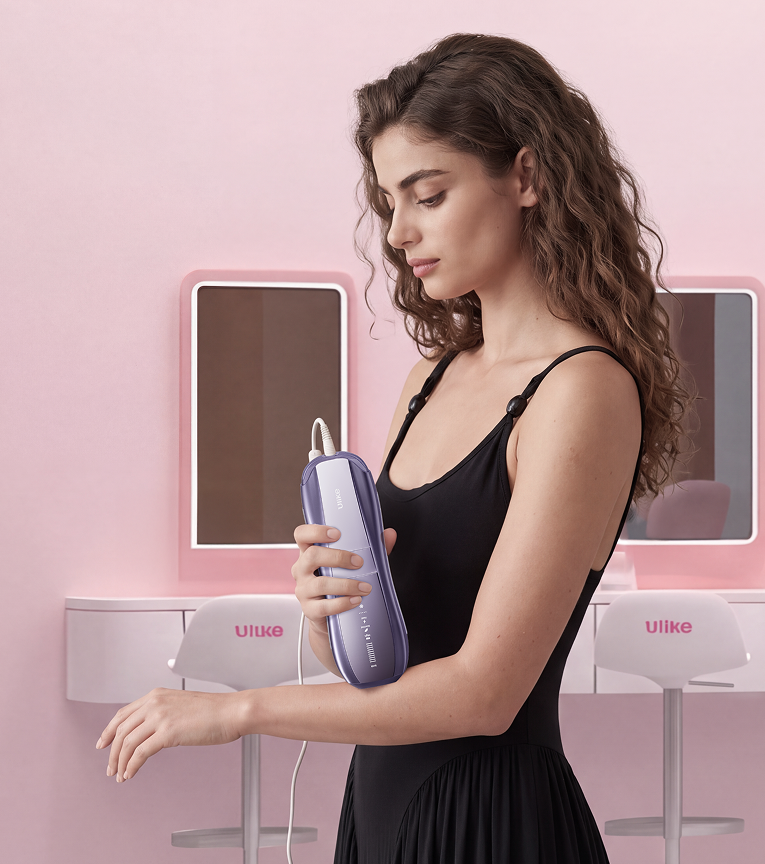
Best Female Facial Hair Remover: Which One Suits You?

Explore Beauty
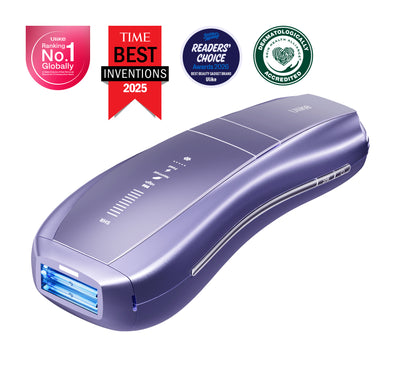
Ulike Air 10
2 weeks to silky smooth skin.
96% Hair Density Reduction in 2 Weeks
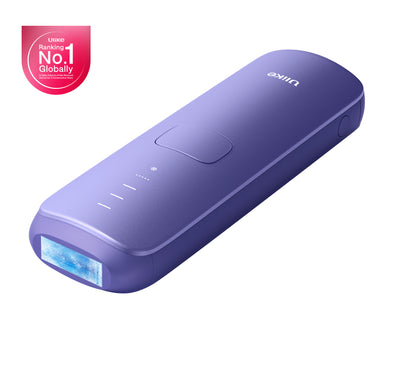
Ulike Air 3
3 weeks to silky smooth skin.
93% Hair Density Reduction in 4 Weeks
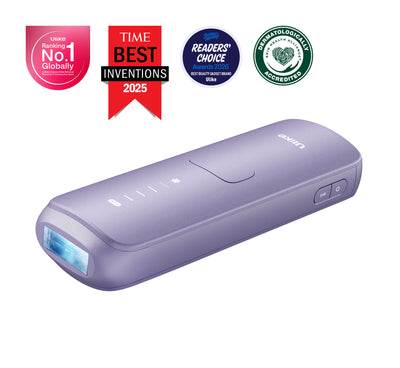
Ulike Air 4
4 weeks to silky smooth skin.
95.8% hair reduction in just 2 weeks*
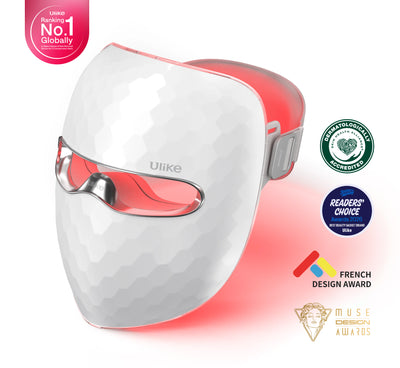
Ulike Reglow
Clearer skin in 2 weeks: Fewer breakouts
Smoother skin in 4 weeks: Fewer lines, firmer feel