IPL vs Laser: How Effective are They?
Hair Removal

IPL vs Laser: How Effective are They?

Laser hair removal and at-home IPL devices are the 2 most important options to choose from if you wish to achieve a reduction in hair growth over any part of the body for a long period of time.  Laser hair removal and at-home IPL devices are recognized for their effectiveness in achieving long-lasting hair reduction across various body areas. Unlike other forms of hair removal, it is known that this hair reduction method is quite effective and can be used even for larger body surfaces. But if you have wondered how effectively they reduce hair growth, it’s worth looking into various randomized trials and what researchers found. A systematic review of multiple randomized clinical trials studied the comparison of lasers and IPL for hair reduction in a total of 223 patients. A systematic review is one of the most reliable study designs in the field of scientific research. They found that average long-term hair reduction with Nd: YAG laser ranged from 30-73.61%, Alexandrite laser 35-84.25%, Diode laser 32.5-69.2%, and IPL 27-52.7%.  These findings are similar to the clinical research done to evaluate the efficacy of Ulike Air 3. A 63% decrease in hair count and a 93% decrease in hair density was found after its use for 4 weeks. The results indicate that the Ulike Air 3 may provide significant improvements in hair reduction, with a 63% decrease in hair count and a 93% decrease in hair density reported. Based on this data, lasers definitely seem to be slightly more effective in hair reduction. But one cannot overlook that similar results can be obtained with a reliable and good IPL device such as the Ulike Air 3 within the comforts of your home. References Efficacy of lasers and light sources in long-term hair reduction: a systematic review. Journal of Cosmetic and Laser Therapy: official publication of the European Society for Laser Dermatology Dr. Sanober Doctor Sanober Pezad Doctor is a double-board certified dermatologist, & a leading expert in Integrative and holistic Dermatology. She is the face behind the popular YouTube channel- Healthy Aging with Dr. Doctor. She is also the founder & creator of ‘AGEnesis™- The Holistic Aging Blueprint’ & ‘Baby SkinWise™- the World's 1st Audiovisual Skincare Guide for Parents‘.
May 14, 2026
Share:

Up to 40% Off
& Free Gifts

Learn More
Table of Contents

Laser hair removal and at-home IPL devices are the 2 most important options to choose from if you wish to achieve a reduction in hair growth over any part of the body for a long period of time. 

Laser hair removal and at-home IPL devices are recognized for their effectiveness in achieving long-lasting hair reduction across various body areas.

Unlike other forms of hair removal, it is known that this hair reduction method is quite effective and can be used even for larger body surfaces. But if you have wondered how effectively they reduce hair growth, it’s worth looking into various randomized trials and what researchers found.

A systematic review of multiple randomized clinical trials studied the comparison of lasers and IPL for hair reduction in a total of 223 patients. A systematic review is one of the most reliable study designs in the field of scientific research. They found that average long-term hair reduction with Nd: YAG laser ranged from 30-73.61%, Alexandrite laser 35-84.25%, Diode laser 32.5-69.2%, and IPL 27-52.7%. 

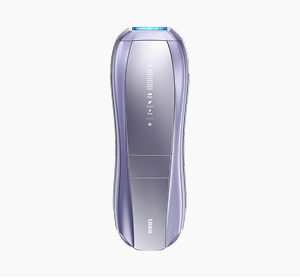
These findings are similar to the clinical research done to evaluate the efficacy of Ulike Air 3. A 63% decrease in hair count and a 93% decrease in hair density was found after its use for 4 weeks.

The results indicate that the Ulike Air 3 may provide significant improvements in hair reduction, with a 63% decrease in hair count and a 93% decrease in hair density reported.

Based on this data, lasers definitely seem to be slightly more effective in hair reduction. But one cannot overlook that similar results can be obtained with a reliable and good IPL device such as the Ulike Air 3 within the comforts of your home.

References

  1. Efficacy of lasers and light sources in long-term hair reduction: a systematic review. Journal of Cosmetic and Laser Therapy: official publication of the European Society for Laser Dermatology
Dr. Sanober Doctor MD 150x150
Dr. Sanober Doctor
Sanober Pezad Doctor is a double-board certified dermatologist, & a leading expert in Integrative and holistic Dermatology. She is the face behind the popular YouTube channel- Healthy Aging with Dr. Doctor. She is also the founder & creator of ‘AGEnesis™- The Holistic Aging Blueprint’ & ‘Baby SkinWise™- the World's 1st Audiovisual Skincare Guide for Parents‘.
Previous
Does Waxing Remove Hair Permanently? You Should Know
Next
10 Armpit Hair Removal Methods and Tips for You (2025)
Share:
IPL Body Hair Removal: What to Expect Before You Start

IPL Body Hair Removal: What to Expect Before You Start

IPL body hair removal works gradually, with at-home devices gentler than clinic treatments. Resul...
May 27, 2026
How to Remove Body Hair Safely at Home Without Irritation

How to Remove Body Hair Safely at Home Without Irritation

Safe body hair removal at home starts with the right method, patch tests, and gentle aftercare. R...
May 26, 2026
Body Hair Removal Methods: How to Choose the Right One

Body Hair Removal Methods: How to Choose the Right One

Compare body hair removal methods by pain, cost, results, and upkeep, with tips for sensitive ski...
May 25, 2026

Need guidance?

Get a free one-on-one consultation

TALK TO AN EXPERT

Explore Beauty

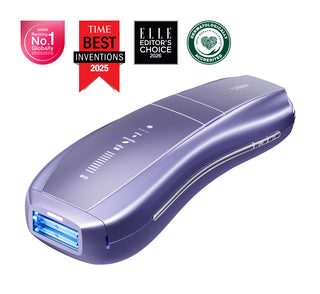
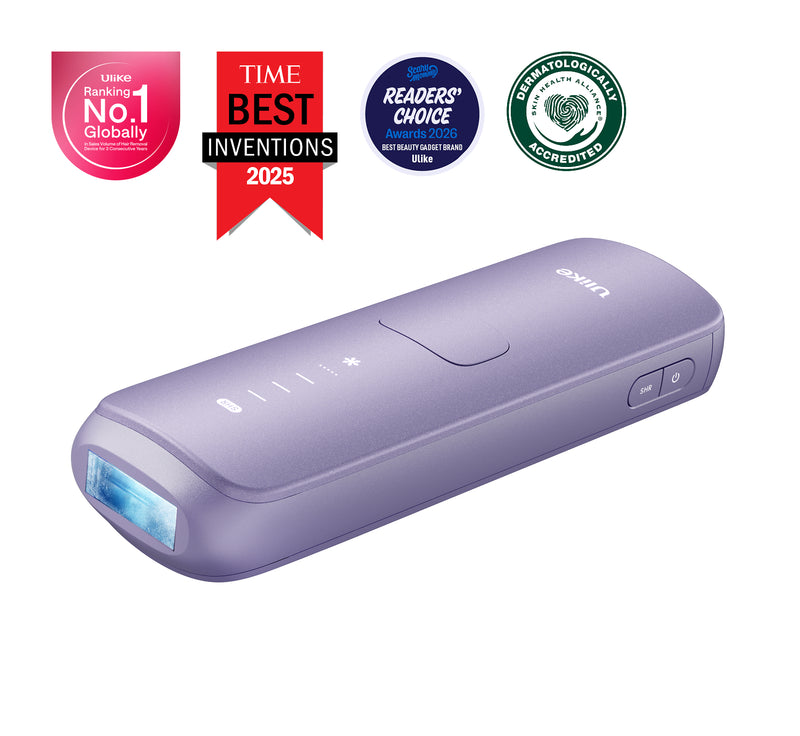
Purple laser hair remover with Ulike branding and awards on a white background

Ulike Air 10

2 weeks to silky smooth skin.

96% Hair Density Reduction in 2 Weeks

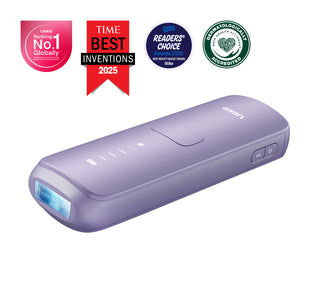
Ulike Air 3

3 weeks to silky smooth skin.

93% Hair Density Reduction in 4 Weeks

Ulike X

3 weeks to silky smooth skin.

94% hair reduction in just 2 weeks*

Ulike Reglow LED face mask red light therapy device

Ulike Reglow

Clearer skin in 2 weeks: Fewer breakouts
Smoother skin in 4 weeks: Fewer lines, firmer feel

Leave a comment

All comments are moderated before being published.

Back to top