




Is electrolysis Hair Removal Painful? Is It Safe or Dangerous?


Electrolysis is the only FDA-cleared long-lasting hair removal method. Other methods like IPL and even professional laser hair removal are nearly long-lasting, succeeding only at delaying but not denying a possible regrowth. Of course, people have different reasons for wanting to eliminate hairs they consider objectionable on their body long-lastingly. For some, it’s because such strands grow in unwanted places like the face or armpits. Some others pursue long-lasting hair removal for beauty purposes.
For someone like me who came from a family with a long history of hirsutism, I started removing hair from my body as early as my teen years. The hair never gave me a break, nor did I give it a break; we were at each other’s throats. I felt as if all the nutrients from my daily meals were being channeled to hair growth.
In a quest to defeat my unruly hair growth, my dermatologist recommended electrolysis hair removal, which was the game changer for me. However, so many drawbacks made me dread every electrolysis hair removal appointment. It took my determination to rid myself of unwanted body hair to go through all the sessions.
So, if you have plans to go through electrolysis hair removal like me, then this article is for you. Let’s see what you are signing up for.
Table of Contents:
- Part 1: What is Electrolysis Hair Removal?
- Part 2: Is Electrolysis Hair Removal Painful?
- Part 3: Is Electrolysis Safe or Dangerous?
- Part 4: How to Choose an Electrologist
- Part 5: Does Electrolysis Long-lastingly Remove Hair?
- Part 6: Who Should Avoid Electrolysis?
- Part 7: What Should You Do After Electrolysis?
- Part 8: Electrolysis Hair Removal At Home
- Part 9: Electrolysis vs. IPL
- Part 10: To Conclude
Understanding electrolysis hair removal is crucial to making an informed decision about the procedure.
Pain perception during electrolysis can vary among individuals, so it's important to know what to expect.
Evaluating safety is essential when considering any hair removal method, including electrolysis.
Choosing a qualified electrologist can significantly affect the effectiveness and comfort of your electrolysis experience.
Identifying who should avoid electrolysis helps ensure that the procedure is suitable for your specific needs.
Understanding potential risks can help you make a more informed choice regarding electrolysis treatment.
What is Electrolysis Hair Removal?

Electrolysis hair removal is the removal of hair through the passage of an electric current into a hair follicle to destroy it. The current causes a buildup of chemicals (galvanic), a buildup of heat (thermolysis), or a combination of both in the hair follicle to destroy it. Electrolysis is done by a qualified electrologist, who passes the current through a fine needle that acts as a wire into a hair follicle.
The needle or wire is usually finer than your hair, penetrating your hair follicles without damaging your skin. Electrolysis may sound electrifying, but nothing feels electrifying about the process. The current is just enough to damage your hair follicle and nothing more.
Is Electrolysis Hair Removal Painful?
The answer depends on the part of your body being treated, your tolerance to pain, and your cycle (for women). But generally, the pain is mild compared to hair removal methods like waxing and tweezing, which can be very painful. If you have tried those methods, electrolysis might be so nearly painless that you can get 40 winks while your electrologist is at work.
Electrolysis on different body parts feels different because all body parts do not have the same number of nerve endings. The more nerves on a part, the more the pain. The upper lips, for instance, feel more painful than other parts, followed by a neck and tingling sensation on the chest.
You will most likely not feel pain in your stomach region when the electrologist gets there. The arms and legs are not very sensitive either. However, the fingers and toes may feel very sensitive because it’s a body part.
Electrolysis may cause varying levels of sensitivity across different body parts, so it's essential to discuss any concerns with your electrologist for a tailored approach.
Another thing we cannot ignore is an individual’s tolerance to pain. Some people find even a mild pinch very painful; such people may also find electrolysis very painful. But for people with average to high tolerance for pain, electrolysis can be described as mildly painful to nearly painless.
Women’s tolerance to pain tends to fluctuate with their menstrual cycle. Most women have a low tolerance for pain during their flows. So, you might want to check your electrolysis schedule and ensure it does not collide with the likely dates for your flows.
Is Electrolysis Safe or Dangerous?

From medical and beauty standpoints, electrolysis is safe. Currently, it is the only long-lasting hair removal method that the FDA has cleared, so it’s a safe option. The sole risk that you might face is skin redness, tenderness, swellings, and other minor irritations that go away on their own.
Another risk factor is getting an infection since your pores will be opened. But these risks will most likely not occur if you choose a good electrologist. A greater percentage of your safety lies in the hands of your electrologist, which is why you need to choose a certified and experienced electrologist.
How to Choose an Electrologist
Because your electrolysis results depend on your electrologist, choosing a good electrologist is the first step in electrolysis hair removal. To ensure that you entrust your skin to the right personnel, here are the things to look out for;
Track Record
Considering how many people look forward to long-lastingly achieving smooth, silky, and hairless skin, a good electrologist must have gained quite a reputation for being good at what they do. Check for the success rate of their sessions with past clients and what the clients have to say about them. If you’re considering an organization that provides such services, read online reviews about them on reputable platforms like Trustpilot.
Qualification

Being a good dermatologist does not make one a good electrologist. This is why you might want to ensure that your electrologist is qualified to perform electrolysis on people. Most qualified personnel are not scared of displaying their qualifications on the walls of their offices. So, you will likely see the electrologist’s certificate framed on the wall for all to see if they’re truly qualified.
Environment
One thing to remember is that you may expose your body during the sessions, depending on the part. So, ensuring that the place is hygienic enough is very important. Look out for hygienic practices among the staff, like using disposables and how often they change them.
Recommendation
You can ask people who have gone through electrolysis to recommend their electrologists. If you can get your dermatologist to recommend one, that would be nice, too, because I believe that, just like my dermatologist, yours would want to recommend only the best for you.
Go for Consultation
Take advantage of the free consultation offered by most clinics with electrologists. It will allow you to know more about your soon-to-be electrologist, and in addition, you can ask about other details like;
Consultations are a great opportunity to ask questions and clarify any doubts you may have about the procedure and the electrologist's qualifications.
- How many electrolysis sessions you might need
- How long each session will last
- How painful or pain-free each session will be
- How long the electrologists have been treating people, and how many people they have treated?
- How much the treatment will cost
- Insurance policies concerning electrolysis hair removal
Understanding the number of sessions needed can help you plan your time and budget effectively.
Knowing the duration of each session allows you to schedule your appointments more conveniently.
Discussing pain levels can help set realistic expectations about the comfort you might experience during treatment.
Inquiring about the electrologist's experience is essential for ensuring you receive safe and effective treatment.
Clarifying the treatment cost upfront is important to avoid any surprises in your budget.
Understanding insurance coverage can help you assess the overall affordability of electrolysis hair removal.
Does Electrolysis Long-lastingly Remove Hair?
Yes, electrolysis is the only known method of removing hair long-lastingly that is FDA-cleared. It damages the cells in charge of hair growth inside your hair follicles to ensure that no hair growth occurs there subsequently.
Who Should Avoid Electrolysis?
Even though electrolysis has been declared safe for everyone, there are a few exceptions to this. People with skin infections or injured skin are advised not to undergo electrolysis until they heal. Other categories include people with diabetes, seizures, and cancer. People in this category must seek their doctors’ opinions before undergoing an electrolysis.
People living with blood diseases such as HIV and hepatitis are to let the electrologist know their status to apply extra precautions. There may be a law against electrolysis in such people in some places because of the risk of infection. But if there is no such law, a good electrologist should be able to take appropriate precautions to prevent infections.
What Should You Do After Electrolysis?
On your part, there are precautionary measures to take to avoid infection after an electrolysis. Because electrolysis makes your skin tender and opens the pores, it increases your risk of skin damage and disease. To prevent these, ensure to do the following;
- Avoid sunbathing, sauna, or any other heat treatment on the skin.
- Keep the skin away from soaps, makeup, and perfume for 24 hours.
- Avoid scratching, touching, or wearing any tight clothes over the area.
- Avoid swimming for at least 24 hours.
- You will likely get what you are meant to apply on the treated area from the electrologist to avoid infection. Stick to it and avoid applying any other thing.
Sun exposure and heat treatments can irritate the skin after electrolysis, so it's crucial to avoid them for optimal recovery.
Keeping the skin free from irritants, such as soaps and makeup, helps minimize the risk of irritation and promotes healing.
Avoiding tight clothing is important as it can cause friction and discomfort on the treated area, potentially leading to irritation.
Swimming should be avoided to prevent exposure to bacteria in water, which can lead to infections in the treated area.
Following the advice of your electrologist is essential, as they provide specific aftercare instructions to ensure proper healing and avoid complications.
Electrolysis Hair Removal At Home
There are hand-held electrolysis devices that you can use to remove hair at home. However, due to the nature of this procedure, you need to apply extra caution while using them to avoid damaging your skin. Furthermore, it is very slow, another reason to leave electrolysis for certified electrologists.
There are faster and more efficient alternatives to at-home electrolysis devices like an IPL, allowing you to remove hair like a professional at home.
At-home electrolysis devices may not deliver results as quickly or efficiently as professional treatments, making alternatives like IPL more appealing for home use.
Electrolysis vs. IPL

Electrolysis seems to be the sure plug for people who are looking for long-lasting hair removal. But considering all the stress of looking for a good electrologist, the risk of infection, and the lack of privacy, is it worth it for you? While you are pondering on that, here are the advantages of an IPL over electrolysis.
- Privacy
Privacy during hair removal procedures can be a significant factor for many individuals, influencing their choice between different methods.
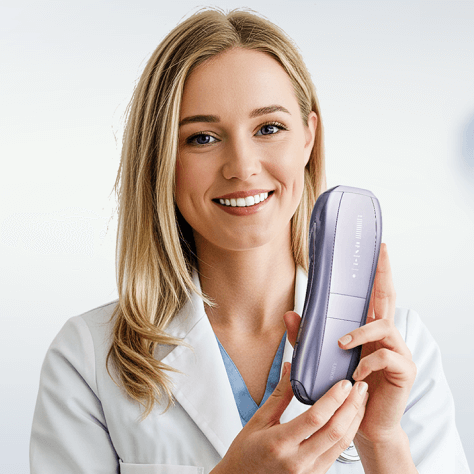
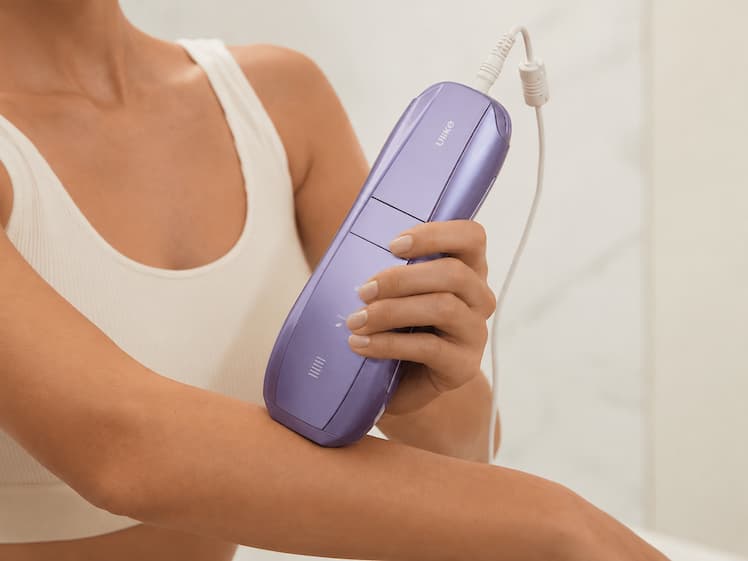
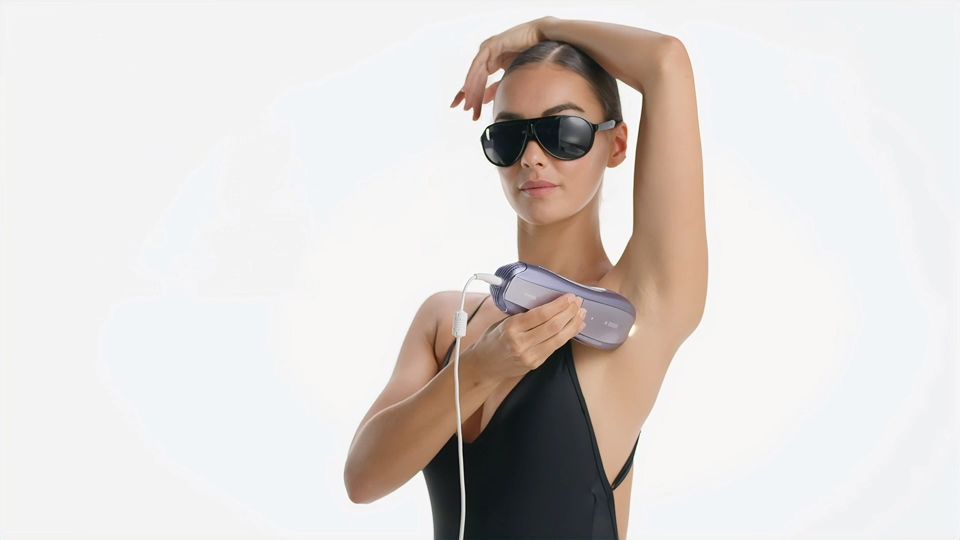
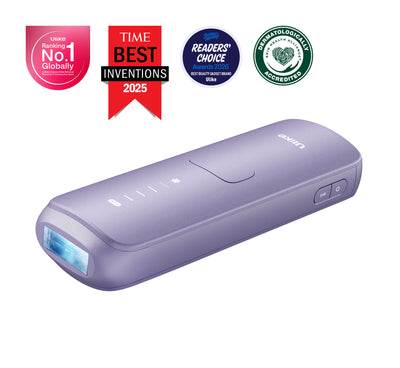
If you have issues exposing your body to strangers like I do, you understand why I shunned electrolysis on my bikini line. Instead, I got the Ulike Sapphire Air3 IPL Hair Removal Handset that came highly recommended by my friends. Ulike IPL will allow you to groom your bikini line and other body parts in privacy and stay hairless for six months before repeating it.
- It treats skin issues and kills germs
Electrolysis and IPL can both be effective for various skin conditions, but their specific benefits may differ based on individual needs.
IPL helps to reduce the occurrence of acne and treat other skin issues like hyperpigmentation. It is also a sure plug for people who want to exfoliate their skin and keep it germ-free.
While IPL is effective for treating skin issues, consulting a skincare professional is advisable for personalized treatment plans.
- Ease
Ease of use is a crucial factor when selecting a hair removal method, especially for beginners looking for efficient solutions.
Trying to master an at-home electrolysis device may look like rocket science. But an IPL device is so easy to use that even a first-timer will not have issues with it.
While at-home electrolysis requires more skill and patience, IPL devices simplify the process, making them accessible to everyone.
- Saves Time
With IPL, it’s a goodbye to electrolysis appointments. You can use a few minutes of the time you spend trying to book an appointment to remove hair from your body and save yourself from the stress of visiting a clinic.
- Little or no Pain
Electrolysis may offer a more comfortable experience than other hair removal methods, making it a popular choice for many individuals.
Most premium IPL devices, like the Ulike IPL device I mentioned earlier, have a cooling system that makes hair removal nearly painless. So, the era of dreading an electrolysis session due to pain is over. Just get an IPL device, and hair removal will be a smooth ride.
- Cost
Cost can vary significantly based on the provider and the area treated, so it’s important to consider your budget when choosing a method.
The cost of getting full electrolysis sessions on parts of your body, like the leg, is more than enough to get a premium IPL handset, and you will use it not only on your leg but on every part of your body.
- No risk of infection
No risk of infection is a key advantage, as it means you can enjoy the benefits of hair removal without worrying about complications.
There is no piecing of your hair follicle with a needle or wire. So you are not at risk of contracting an infection from a sharp object. It’s just you and your private IPL device.
Why Choose Ulike IPL Hair Removal Handset?

In my discussion about IPL devices above, I mentioned that Ulike is one of the most dependable and practical IPL devices you can get instead of electrolysis. Of course, this isn’t a bogus claim. Check the bullet points below to know why this brand leads while others follow.
- The sapphire ice-cooling technology of this device keeps your skin’s temperature at 50°F throughout your treatment session to ensure you feel almost no discomfort.
- As an FDA-cleared and dermatologist-recommended handset, you have the guarantee of safety that it won’t hurt or damage your skin.
- The 21J energy of the IPL means that as early as three weeks, you can start seeing a significant reduction in your hair quantity and density.
- You can use the Ulike IPL from head to toe.
Cooling technology not only enhances comfort but also helps to protect the skin during the hair removal process.
FDA-cleared devices provide an added layer of assurance, ensuring that users can trust in their safety and effectiveness.
IPL technology is designed to target hair follicles effectively, leading to noticeable results in a short time frame.
Ulike IPL devices are versatile, allowing for hair removal on various body parts, including sensitive areas.
To Conclude
Just like me, so many people will find the pain from electrolysis very mild till it gets to more sensitive areas like the upper lip. But even with that, electrolysis is not as painful or messy as manual hair plucking and waxing. Many people even find it nearly painless, as discussed earlier; plus, it’s also a safe and long-lasting solution to unwanted hair.
However, it takes lots of time as each hair strand has to be worked on separately and costs quite a figure. You also have the issue of lack of privacy and the risk of infection. These are enough reasons to consider other hair removal options like an IPL device.

Featured Products

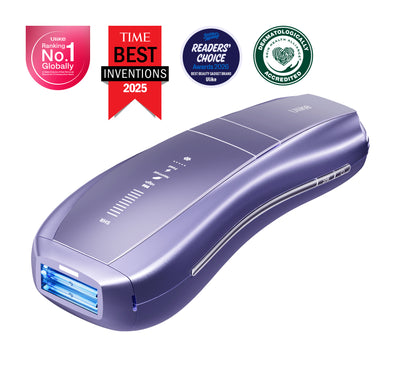
Ulike Air 10
2 weeks to silky smooth skin.
96% Hair Density Reduction
The next-generation in simple,
lasting hair removal.

Best Underarm Hair Removal Options: What Should You Choose?
How Much Is Electrolysis Hair Removal? Let’s Break It Down
Laser to Remove Ingrown Hair: Does It Really Work?

Explore Beauty
Ulike Air 10
2 weeks to silky smooth skin.
96% Hair Density Reduction in 2 Weeks
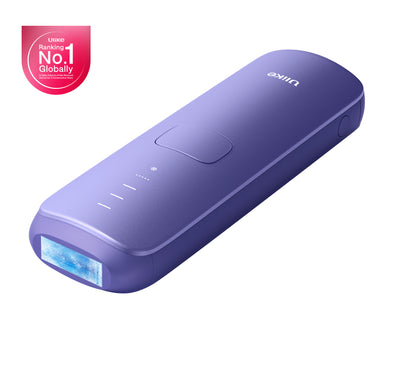
Ulike Air 3
3 weeks to silky smooth skin.
93% Hair Density Reduction in 4 Weeks
Ulike Air 4
4 weeks to silky smooth skin.
95.8% hair reduction in just 2 weeks*
Ulike Reglow
Clearer skin in 2 weeks: Fewer breakouts
Smoother skin in 4 weeks: Fewer lines, firmer feel