



Is Plucking Facial Hair Bad? 5 Reasons You Need to Stop
Hair Removal

Is Plucking Facial Hair Bad? 5 Reasons You Need to Stop

Are you considering plucking hair from your face and wondering whether plucking facial hair is bad for your skin? Welcome — your face is precious and certainly not an experimental ground for every hair removal method. If you care about how you look, this article is worth your full attention. Whether you're dealing with a few stray hairs on your chin, curious about why women grow facial hair in the first place, or you're a guy wondering if tweezing beard hair is a smart grooming habit, we'll walk through what plucking really does to your skin and follicles — and what works better long term. While I'll assume you already know what plucking is if you're asking these questions, it's worth revisiting the basics for first-timers. What is hair plucking, and how is it done? The next section covers this. Table of Contents: Part 1: What is Hair Plucking? Part 2: Why Do Women Grow Facial Hair? Part 3: Is Plucking Facial Hair Bad? 5 Reasons to Reconsider Part 4: Plucking Beard Hair vs. Tweezing Beard Hair — Good or Bad? Part 5: Helpful Tips If You Must Pluck Chin, Upper Lip, or Mustache Hair Part 6: Excellent Alternatives to Plucking Part 7: Frequently Asked Questions (FAQ) Part 1: What is Hair Plucking? Hair plucking is a removal method that involves using objects like tweezers to hold and uproot hair strands from their follicles. Some people simply call this plucking hairs, tweezing, or root removal. A more local form of plucking involves using your fingers to pull body hairs out from their roots. The common areas on the face where women apply this method include the eyebrows, chin, and upper lip. Unless you apply topical anesthesia, there's no way you won't feel some discomfort from this hair removal approach. It's beneficial in that it is very cheap and can leave you hairless for at least four weeks. However, considering the pain and other setbacks associated with it, is it really an appropriate facial hair removal method? One of the most common follow-up questions is Does plucking hair make it thinner over time — we'll answer that directly in Part 3. Let's first look at whether this method is worth the risk. Part 2: Why Do Women Grow Facial Hair? Before diving into the risks of plucking, it helps to understand why do women grow facial hair in the first place — because the cause often determines the best long-term solution. Hormones (the most common cause): Androgens are often called "male hormones," but every woman produces them too. When androgen levels rise — or when hair follicles become more sensitive to them — fine, barely visible facial hair (often called peach fuzz) can turn coarser and darker on the chin, upper lip, and jawline. PCOS and other hormonal conditions: Polycystic ovary syndrome is one of the most common medical causes of noticeable facial hair growth in women, alongside conditions like thyroid imbalances and, less commonly, adrenal or ovarian disorders. Genetics and ethnicity: Hair density and thickness patterns are inherited, and some ethnic backgrounds naturally have more visible facial hair than others. Age and menopause: Shifting hormone levels around menopause can cause new or coarser facial hair to appear, even in women who never had noticeable growth before. Medication side effects: Certain steroids, hormonal treatments, and other medications can stimulate thicker facial hair growth as a side effect. A sudden, rapid change in facial hair growth is worth mentioning to a doctor, since it can occasionally signal an underlying hormonal issue. For everyday, garden-variety facial hair, though, you have plenty of safe removal options — you can read more about the common causes of excess facial hair and how to manage them. The bigger question for most women is simply which removal method is safest — which brings us to plucking. Part 3: Is Plucking Facial Hair Bad? 5 Reasons to Reconsider From this heading alone, you can probably guess where we land: Is plucking facial hair bad? In most cases, yes — plucking is not a great long-term method for the face. Here are five research-backed reasons, and you can independently verify most of them. 1. It's Very Painful There's no need to sugar-coat this: plucking or tweezing is not nearly painless, especially when you're plucking hairs from sensitive areas like the chin or upper lip. Every pull sends a small shock through the nerve endings in your skin, and some people can't finish the process without a topical numbing cream. Why go through that when there are less painful alternatives that are just as effective? 2. Inflammation and Irritation Do you dislike skin issues like redness, inflammation, and irritation? Then it's best to eschew plucking. A large share of people who use this method develop one or more of these skin issues, and the odds are even higher for anyone prone to allergies or sensitive skin. The face is, of all places, the last spot you want to invite inflammation — it can take a real toll on your confidence. 3. Hyperpigmentation Pulling hair out from their follicles stimulates melanin production — the pigment that gives color to skin and hair. More pulling means more stimulation, which can lead to dark spots or patches on the skin, especially for people with deeper skin tones. Once again, the face is not the ideal place to risk this side effect. 4. Ingrown Hairs If you pluck your facial hair, there is a real possibility that the direction of regrowth changes, causing the new hair to curl back into the skin. The result is an unsightly, painful, itchy bump or cyst. Is that something you want to risk? Probably not — and it applies just as much to plucking chin and jawline hair as it does to eyebrows. 5. Unpredictable Regrowth — Does Plucking Hair Make It Thinner? This is one of the most-searched questions about the method, so let's be precise: does plucking hair make it thinner? Not permanently, in most cases. Regrown hair can look finer or lighter at first because the follicle is recovering from trauma and has to restart its growth cycle from scratch — but the follicle itself is still active and will typically return to its normal thickness over time. What plucking can do, with frequent, repeated trauma to the same follicle over months or years, is damage it enough to slow regrowth or, rarely, stop it altogether — which is very different from a reliable "thinning" effect. In the meantime, you're left with unpredictable regrowth: some hairs come back faster, some slower, and the inconsistency is what makes plucking such an unreliable long-term strategy. If you're hoping for real, lasting thinness or hairlessness rather than a gamble, it's best to leave plucking behind. Part 4: Plucking Beard Hair vs. Tweezing Beard Hair — Good or Bad? It's not just women who reach for tweezers. Plenty of men use tweezing to clean up stray beard hair along the neckline, cheek line, or a patchy spot in the mustache. So — is plucking beard hair good or bad? The honest answer: it depends on frequency and technique. Pulling out the occasional stray hair to sharpen a beard's edges carries a similar, relatively low, one-off risk to any single pluck — some discomfort, a small chance of irritation. The real problem is habitual, repeated plucking of beard hair in the same spots, which carries the exact same risks covered above: folliculitis (infected, inflamed follicles), ingrown hairs, patchy or uneven regrowth, and hyperpigmentation, especially on coarser or curlier beard hair, which is more prone to curling back into the skin. There's also a behavioral side worth mentioning. For some people, picking or plucking at facial hair stops being a grooming choice and becomes a hard-to-stop habit tied to stress or anxiety — a pattern sometimes discussed alongside other body-focused repetitive behaviors. If you notice you're plucking beard hair compulsively, daily, or to the point of visible bald patches, it's worth talking to a dermatologist or mental health professional rather than trying to power through it alone. For everyday beard maintenance, a trimmer or safety razor for shaping, combined with a longer-lasting removal method for hairs you actually want gone for good, will treat your skin far better than a daily tweezing habit. Part 5: Helpful Tips If You Must Pluck Chin, Upper Lip, or Mustache Hair Plucking may not be the best approach for facial hair, but you may still have your reasons for doing it. If that's the case, these tips can help reduce the side effects — whether you're plucking chin hair daily, dealing with the odd stray strand, or plucking upper lip hair and mustache hair that female grooming routines call for. Exfoliate and Keep Your Face Clean Before plucking, use a gentle cleanser and warm water to remove oil, dirt, and makeup residue. For dead skin cells, a mild exfoliant does the trick. Doing both significantly lowers your risk of ingrown hairs. Sanitize and Sterilize All Tools The go-to tool for hair plucking is a pair of tweezers, though some people use other locally-made tools. Whichever you use, disinfect it by boiling or wiping it with 70% ethanol. For your skin, a topical antiseptic before plucking reduces your risk of infection or inflammation. Take It Easy — and Skip the Daily Habit The best way to minimize injury and ingrown hairs is to pull one strand at a time, gently. Pull the skin taut first, then pull in the direction of hair growth. If the hair is too short, wait until it's a bit longer before plucking. Generally, it's not safe to pluck hairs close to your nose, eyes, or mouth because of the higher infection risk. And if you find yourself plucking chin hair daily, that's a signal to slow down — daily trauma to the same follicles is exactly what leads to the ingrown hairs and hyperpigmentation covered in Part 3. Space sessions out and let the skin recover between them. A Note on Upper Lip and Mustache Hair The skin above the lip is thinner and more sensitive than most of the face, so plucking upper lip hair or plucking mustache hair, a female grooming target, tends to sting more and irritate more easily. If this is an area you tweeze often, consider spacing sessions further apart, always working in the direction of growth, and switching to a gentler long-term method (Part 6) if you notice recurring redness or bumps. Moisturize and Soothe Aloe vera is a common go-to moisturizer after waxing or plucking — it's effective and calms the skin. A cold compress can also reduce pain and swelling. In the first few days after plucking, avoid sun exposure and makeup, since both can aggravate the skin and slow recovery. Part 6: Excellent Alternatives to Plucking There is no need to endure pain when removing unwanted facial hair in this day and age. Plenty of alternatives exist, each with its own pros and cons. Shaving Shaving is the simplest way to remove facial hair, even though it's temporary. You may get tired of shaving every few days, but it has the least downside and can be done at home with no special skill. Electric shavers and clean razors both work. It's the safest method, even if it means only a few days of hair-free skin at a time. Depilatory Creams Hair removal creams — depilatory creams — dissolve unwanted hair in minutes, leaving smooth skin behind. They're relatively cheap, generally harmless, and easy to apply. Many have a strong odor that lingers, though, and the ingredients can be too harsh for hair very close to the eyes or nose. Sugaring Similar to waxing, sugaring is an age-old Egyptian method of pulling body hair out from the root using a heated mix of sugar, lime, and water. It's slightly gentler than waxing since it uses natural ingredients, but it's still not painless and can cause similar skin issues. Threading Threading is another root-based method that uses a twisted cotton thread to lift and pull hairs out — popular for eyebrows and upper lip shaping. It skips chemicals and heat, but like plucking, it still pulls from the follicle, so similar redness and irritation are possible. See our full guide to threading facial hair for a step-by-step walkthrough and its pros and cons. Intense Pulsed Light (IPL) A more recent and sophisticated method that is particularly well-suited to the face is IPL. It sends beams of light deep into the skin to target the hair follicle and disrupt its growth cycle. Leading hair removal brands make devices based on this principle that are safe to use at home. If you want a recommendation, the Ulike Air 10 IPL Hair Removal device is a strong choice for the face and body. It's Ulike's fastest and most advanced IPL device, with Dual Lights and a salon-inspired SHR mode that make hair removal nearly painless, plus a built-in SkinSensor that auto-adjusts energy output to your skin tone. It's FDA-cleared, and board-certified dermatologists attest to its efficiency. With consistent use, visible results show in as little as two weeks, and regrowth keeps slowing the longer you stick with it. To use it well: start on clean, shaved skin (IPL targets the hair root beneath the surface, not the visible strand, so you shave first rather than pluck or wax), let the SkinSensor confirm the right intensity for your skin tone, and glide the device over the treatment area following the recommended schedule — typically every other day for the first four weeks, then tapering to a maintenance session every couple of weeks as results build. The main downside is patience: IPL needs a few weeks of consistent sessions before you see a real difference, and the device itself has a higher up-front cost than a pack of drugstore tweezers. For most people dealing with recurring chin, upper lip, or jawline hair, though, it pays for itself many times over compared to a lifetime of plucking. If bleaching to disguise hair between sessions is more your speed for special occasions, our guide to facial hair bleaching covers that option too, and our roundup of 13 ways to remove facial hair long-lastingly compares IPL against every other method side by side. Electrolysis If you want to put an end to an endless hair removal cycle, an electrolysis session is worth considering. This is the only FDA-cleared technique for permanently stopping hair growth. You can't do it yourself — a trained electrologist passes a weak electric current through a tiny needle into each hair follicle, destroying it and ending regrowth at that spot. The downsides: it's expensive, usually requires several sessions, and causes minor discomfort during treatment. But once it's done, you can take a permanent break from that annoying facial hair. Conclusion It's apparent that not all hair removal methods are ideal for the face. Plucking is generally not recommended for facial hair, given the downsides we've covered — the pain, the risk of ingrown hairs and hyperpigmentation, and the unpredictable regrowth. As we've seen, there are better alternatives, and IPL is the best of them for most people. Electrolysis is also effective but pricier, less convenient, and not an at-home option. That said, it's worth remembering that facial hair isn't a flaw you're obligated to fight. It's completely fine, even as a woman, to leave it be. But if it's getting in the way of your makeup routine or your confidence, it's best to have the Ulike IPL device on hand to remove it professionally, at home, whenever you like. You can also browse our full facial hair removal blog hub for more guides on shaving, waxing, threading, and bleaching. Part 7: Frequently Asked Questions Q1: Is plucking facial hair bad for your skin? In most cases, yes. Is plucking facial hair bad comes down to how often you do it and where: occasional plucking carries mild risk, but frequent plucking on the same spots raises your chances of ingrown hairs, folliculitis, and hyperpigmentation, especially on facial skin, which is thinner and more visible than the rest of the body. Q2: Does plucking hair make it grow back thinner? Not reliably. The idea that plucking hair makes it thinner is a common myth — regrowth can look finer at first simply because the follicle is recovering and restarting its growth cycle, but it typically returns to its normal thickness. Only repeated, long-term follicle damage produces a lasting change, and that comes with a real risk of scarring rather than a controlled thinning effect. Q3: Why do women grow facial hair? Why do women grow facial hair most often comes down to androgen hormones, genetics, PCOS or other hormonal conditions, age-related changes like menopause, or certain medications. It's a normal and common experience — hirsutism alone affects roughly 5–10% of women — and it's a cosmetic preference, not a flaw, to remove it or not. Q4: Is plucking beard hair good or bad? Plucking beard hair good or bad depends on frequency: an occasional stray hair is low-risk, but daily or habitual tweezing beard hair in the same spots raises the risk of ingrown hairs, infected follicles, and patchy regrowth, just as it does for facial hair on women. Q5: Can I pluck chin hair every day? Plucking chin hair daily is not recommended. Constant trauma to the same follicles increases your odds of inflammation, ingrown hairs, and dark spots over time. Spacing sessions out, or switching to a method built for repeated use, is gentler on your skin. Q6: What's a better long-term alternative to tweezing facial hair? For most people, IPL hair removal is the best long-term trade-off between cost, convenience, and results. A device like the Ulike Air 10 targets the follicle directly with light energy instead of pulling on it, so there's no ingrown-hair or hyperpigmentation risk from the plucking motion itself, and results build with consistent at-home use instead of a daily tweezing habit. Browse the full Ulike IPL hair removal lineup to compare devices.
Jul 13, 2026
Share:

Up to 40% Off
Limited stock. Limited time.

Buy Now
Table of Contents

Are you considering plucking hair from your face and wondering whether plucking facial hair is bad for your skin? Welcome — your face is precious and certainly not an experimental ground for every hair removal method. If you care about how you look, this article is worth your full attention.


Whether you're dealing with a few stray hairs on your chin, curious about why women grow facial hair in the first place, or you're a guy wondering if tweezing beard hair is a smart grooming habit, we'll walk through what plucking really does to your skin and follicles — and what works better long term.


While I'll assume you already know what plucking is if you're asking these questions, it's worth revisiting the basics for first-timers. What is hair plucking, and how is it done? The next section covers this.


Table of Contents:

Part 1: What is Hair Plucking?

What is Hair Plucking?

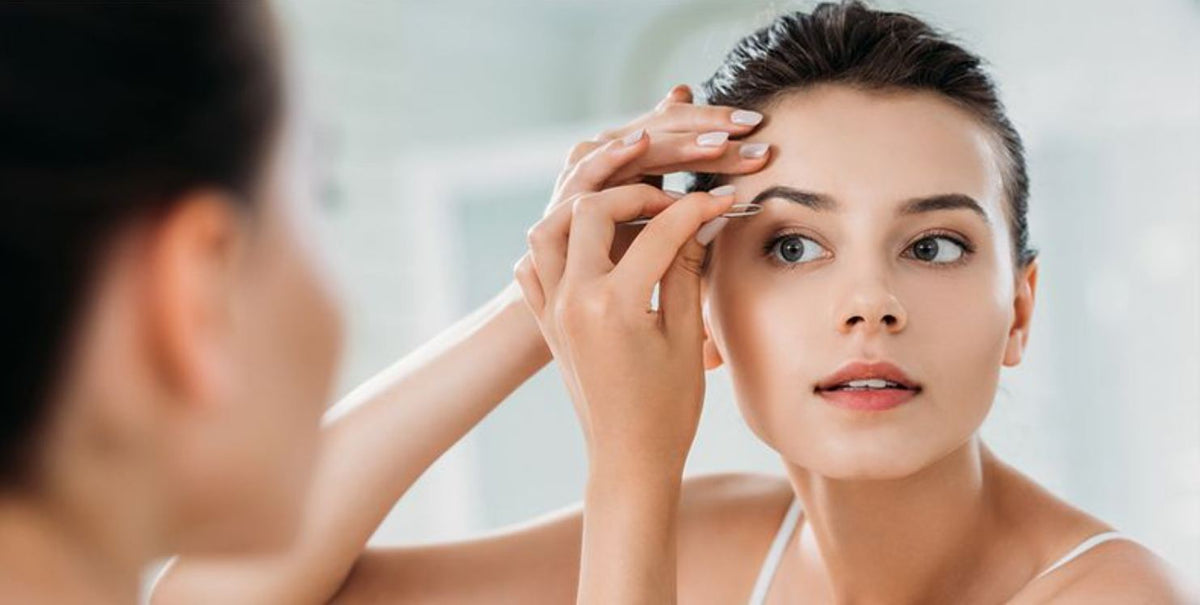
Hair plucking is a removal method that involves using objects like tweezers to hold and uproot hair strands from their follicles. Some people simply call this plucking hairs, tweezing, or root removal. A more local form of plucking involves using your fingers to pull body hairs out from their roots. The common areas on the face where women apply this method include the eyebrows, chin, and upper lip.


Unless you apply topical anesthesia, there's no way you won't feel some discomfort from this hair removal approach. It's beneficial in that it is very cheap and can leave you hairless for at least four weeks. However, considering the pain and other setbacks associated with it, is it really an appropriate facial hair removal method? One of the most common follow-up questions is Does plucking hair make it thinner over time — we'll answer that directly in Part 3. Let's first look at whether this method is worth the risk.

Part 2: Why Do Women Grow Facial Hair?

Before diving into the risks of plucking, it helps to understand why do women grow facial hair in the first place — because the cause often determines the best long-term solution.

  • Hormones (the most common cause): Androgens are often called "male hormones," but every woman produces them too. When androgen levels rise — or when hair follicles become more sensitive to them — fine, barely visible facial hair (often called peach fuzz) can turn coarser and darker on the chin, upper lip, and jawline.
  • PCOS and other hormonal conditions: Polycystic ovary syndrome is one of the most common medical causes of noticeable facial hair growth in women, alongside conditions like thyroid imbalances and, less commonly, adrenal or ovarian disorders.
  • Genetics and ethnicity: Hair density and thickness patterns are inherited, and some ethnic backgrounds naturally have more visible facial hair than others.
  • Age and menopause: Shifting hormone levels around menopause can cause new or coarser facial hair to appear, even in women who never had noticeable growth before.
  • Medication side effects: Certain steroids, hormonal treatments, and other medications can stimulate thicker facial hair growth as a side effect.

A sudden, rapid change in facial hair growth is worth mentioning to a doctor, since it can occasionally signal an underlying hormonal issue. For everyday, garden-variety facial hair, though, you have plenty of safe removal options — you can read more about the common causes of excess facial hair and how to manage them. The bigger question for most women is simply which removal method is safest — which brings us to plucking.

Part 3: Is Plucking Facial Hair Bad? 5 Reasons to Reconsider

From this heading alone, you can probably guess where we land: Is plucking facial hair bad? In most cases, yes — plucking is not a great long-term method for the face. Here are five research-backed reasons, and you can independently verify most of them.

1. It's Very Painful

There's no need to sugar-coat this: plucking or tweezing is not nearly painless, especially when you're plucking hairs from sensitive areas like the chin or upper lip. Every pull sends a small shock through the nerve endings in your skin, and some people can't finish the process without a topical numbing cream. Why go through that when there are less painful alternatives that are just as effective?

2. Inflammation and Irritation

5 Reasons You Shouldn’t Pluck Your Facial Hair

Do you dislike skin issues like redness, inflammation, and irritation? Then it's best to eschew plucking. A large share of people who use this method develop one or more of these skin issues, and the odds are even higher for anyone prone to allergies or sensitive skin. The face is, of all places, the last spot you want to invite inflammation — it can take a real toll on your confidence.

3. Hyperpigmentation

Pulling hair out from their follicles stimulates melanin production — the pigment that gives color to skin and hair. More pulling means more stimulation, which can lead to dark spots or patches on the skin, especially for people with deeper skin tones. Once again, the face is not the ideal place to risk this side effect.

4. Ingrown Hairs

Ingrown Hair

If you pluck your facial hair, there is a real possibility that the direction of regrowth changes, causing the new hair to curl back into the skin. The result is an unsightly, painful, itchy bump or cyst. Is that something you want to risk? Probably not — and it applies just as much to plucking chin and jawline hair as it does to eyebrows.

5. Unpredictable Regrowth — Does Plucking Hair Make It Thinner?

This is one of the most-searched questions about the method, so let's be precise: does plucking hair make it thinner? Not permanently, in most cases. Regrown hair can look finer or lighter at first because the follicle is recovering from trauma and has to restart its growth cycle from scratch — but the follicle itself is still active and will typically return to its normal thickness over time. What plucking can do, with frequent, repeated trauma to the same follicle over months or years, is damage it enough to slow regrowth or, rarely, stop it altogether — which is very different from a reliable "thinning" effect. In the meantime, you're left with unpredictable regrowth: some hairs come back faster, some slower, and the inconsistency is what makes plucking such an unreliable long-term strategy. If you're hoping for real, lasting thinness or hairlessness rather than a gamble, it's best to leave plucking behind.

Part 4: Plucking Beard Hair vs. Tweezing Beard Hair — Good or Bad?

It's not just women who reach for tweezers. Plenty of men use tweezing to clean up stray beard hair along the neckline, cheek line, or a patchy spot in the mustache. So — is plucking beard hair good or bad?


The honest answer: it depends on frequency and technique. Pulling out the occasional stray hair to sharpen a beard's edges carries a similar, relatively low, one-off risk to any single pluck — some discomfort, a small chance of irritation. The real problem is habitual, repeated plucking of beard hair in the same spots, which carries the exact same risks covered above: folliculitis (infected, inflamed follicles), ingrown hairs, patchy or uneven regrowth, and hyperpigmentation, especially on coarser or curlier beard hair, which is more prone to curling back into the skin.


There's also a behavioral side worth mentioning. For some people, picking or plucking at facial hair stops being a grooming choice and becomes a hard-to-stop habit tied to stress or anxiety — a pattern sometimes discussed alongside other body-focused repetitive behaviors. If you notice you're plucking beard hair compulsively, daily, or to the point of visible bald patches, it's worth talking to a dermatologist or mental health professional rather than trying to power through it alone.


For everyday beard maintenance, a trimmer or safety razor for shaping, combined with a longer-lasting removal method for hairs you actually want gone for good, will treat your skin far better than a daily tweezing habit.

Part 5: Helpful Tips If You Must Pluck Chin, Upper Lip, or Mustache Hair

Plucking may not be the best approach for facial hair, but you may still have your reasons for doing it. If that's the case, these tips can help reduce the side effects — whether you're plucking chin hair daily, dealing with the odd stray strand, or plucking upper lip hair and mustache hair that female grooming routines call for.

Exfoliate and Keep Your Face Clean

Exfoliation

Before plucking, use a gentle cleanser and warm water to remove oil, dirt, and makeup residue. For dead skin cells, a mild exfoliant does the trick. Doing both significantly lowers your risk of ingrown hairs.

Sanitize and Sterilize All Tools

The go-to tool for hair plucking is a pair of tweezers, though some people use other locally-made tools. Whichever you use, disinfect it by boiling or wiping it with 70% ethanol. For your skin, a topical antiseptic before plucking reduces your risk of infection or inflammation.

Take It Easy — and Skip the Daily Habit

The best way to minimize injury and ingrown hairs is to pull one strand at a time, gently. Pull the skin taut first, then pull in the direction of hair growth. If the hair is too short, wait until it's a bit longer before plucking. Generally, it's not safe to pluck hairs close to your nose, eyes, or mouth because of the higher infection risk. And if you find yourself plucking chin hair daily, that's a signal to slow down — daily trauma to the same follicles is exactly what leads to the ingrown hairs and hyperpigmentation covered in Part 3. Space sessions out and let the skin recover between them.

A Note on Upper Lip and Mustache Hair

The skin above the lip is thinner and more sensitive than most of the face, so plucking upper lip hair or plucking mustache hair, a female grooming target, tends to sting more and irritate more easily. If this is an area you tweeze often, consider spacing sessions further apart, always working in the direction of growth, and switching to a gentler long-term method (Part 6) if you notice recurring redness or bumps.

Moisturize and Soothe

Apply Moisturizer

Aloe vera is a common go-to moisturizer after waxing or plucking — it's effective and calms the skin. A cold compress can also reduce pain and swelling. In the first few days after plucking, avoid sun exposure and makeup, since both can aggravate the skin and slow recovery.

Part 6: Excellent Alternatives to Plucking

There is no need to endure pain when removing unwanted facial hair in this day and age. Plenty of alternatives exist, each with its own pros and cons.

Shaving

Shaving is the simplest way to remove facial hair, even though it's temporary. You may get tired of shaving every few days, but it has the least downside and can be done at home with no special skill. Electric shavers and clean razors both work. It's the safest method, even if it means only a few days of hair-free skin at a time.

Depilatory Creams

Hair removal creams — depilatory creams — dissolve unwanted hair in minutes, leaving smooth skin behind. They're relatively cheap, generally harmless, and easy to apply. Many have a strong odor that lingers, though, and the ingredients can be too harsh for hair very close to the eyes or nose.

Sugaring

Excellent Alternatives to Plucking

Similar to waxing, sugaring is an age-old Egyptian method of pulling body hair out from the root using a heated mix of sugar, lime, and water. It's slightly gentler than waxing since it uses natural ingredients, but it's still not painless and can cause similar skin issues.

Threading

Threading is another root-based method that uses a twisted cotton thread to lift and pull hairs out — popular for eyebrows and upper lip shaping. It skips chemicals and heat, but like plucking, it still pulls from the follicle, so similar redness and irritation are possible. See our full guide to threading facial hair for a step-by-step walkthrough and its pros and cons.

Intense Pulsed Light (IPL)

A more recent and sophisticated method that is particularly well-suited to the face is IPL. It sends beams of light deep into the skin to target the hair follicle and disrupt its growth cycle. Leading hair removal brands make devices based on this principle that are safe to use at home.


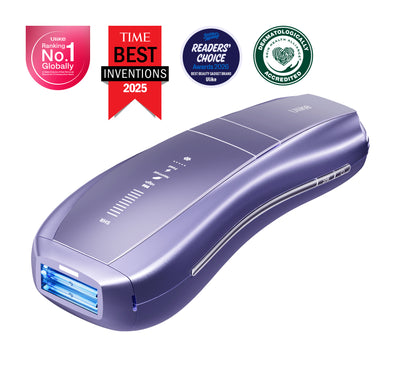
If you want a recommendation, the Ulike Air 10 IPL Hair Removal device is a strong choice for the face and body. It's Ulike's fastest and most advanced IPL device, with Dual Lights and a salon-inspired SHR mode that make hair removal nearly painless, plus a built-in SkinSensor that auto-adjusts energy output to your skin tone. It's FDA-cleared, and board-certified dermatologists attest to its efficiency. With consistent use, visible results show in as little as two weeks, and regrowth keeps slowing the longer you stick with it.


To use it well: start on clean, shaved skin (IPL targets the hair root beneath the surface, not the visible strand, so you shave first rather than pluck or wax), let the SkinSensor confirm the right intensity for your skin tone, and glide the device over the treatment area following the recommended schedule — typically every other day for the first four weeks, then tapering to a maintenance session every couple of weeks as results build. The main downside is patience: IPL needs a few weeks of consistent sessions before you see a real difference, and the device itself has a higher up-front cost than a pack of drugstore tweezers. For most people dealing with recurring chin, upper lip, or jawline hair, though, it pays for itself many times over compared to a lifetime of plucking.


If bleaching to disguise hair between sessions is more your speed for special occasions, our guide to facial hair bleaching covers that option too, and our roundup of 13 ways to remove facial hair long-lastingly compares IPL against every other method side by side.

Electrolysis

If you want to put an end to an endless hair removal cycle, an electrolysis session is worth considering. This is the only FDA-cleared technique for permanently stopping hair growth. You can't do it yourself — a trained electrologist passes a weak electric current through a tiny needle into each hair follicle, destroying it and ending regrowth at that spot.


The downsides: it's expensive, usually requires several sessions, and causes minor discomfort during treatment. But once it's done, you can take a permanent break from that annoying facial hair.

Conclusion

It's apparent that not all hair removal methods are ideal for the face. Plucking is generally not recommended for facial hair, given the downsides we've covered — the pain, the risk of ingrown hairs and hyperpigmentation, and the unpredictable regrowth. As we've seen, there are better alternatives, and IPL is the best of them for most people. Electrolysis is also effective but pricier, less convenient, and not an at-home option.


That said, it's worth remembering that facial hair isn't a flaw you're obligated to fight. It's completely fine, even as a woman, to leave it be. But if it's getting in the way of your makeup routine or your confidence, it's best to have the Ulike IPL device on hand to remove it professionally, at home, whenever you like. You can also browse our full facial hair removal blog hub for more guides on shaving, waxing, threading, and bleaching.

Part 7: Frequently Asked Questions

Q1: Is plucking facial hair bad for your skin?

In most cases, yes. Is plucking facial hair bad comes down to how often you do it and where: occasional plucking carries mild risk, but frequent plucking on the same spots raises your chances of ingrown hairs, folliculitis, and hyperpigmentation, especially on facial skin, which is thinner and more visible than the rest of the body.

Q2: Does plucking hair make it grow back thinner?

Not reliably. The idea that plucking hair makes it thinner is a common myth — regrowth can look finer at first simply because the follicle is recovering and restarting its growth cycle, but it typically returns to its normal thickness. Only repeated, long-term follicle damage produces a lasting change, and that comes with a real risk of scarring rather than a controlled thinning effect.

Q3: Why do women grow facial hair?

Why do women grow facial hair most often comes down to androgen hormones, genetics, PCOS or other hormonal conditions, age-related changes like menopause, or certain medications. It's a normal and common experience — hirsutism alone affects roughly 5–10% of women — and it's a cosmetic preference, not a flaw, to remove it or not.

Q4: Is plucking beard hair good or bad?

Plucking beard hair good or bad depends on frequency: an occasional stray hair is low-risk, but daily or habitual tweezing beard hair in the same spots raises the risk of ingrown hairs, infected follicles, and patchy regrowth, just as it does for facial hair on women.

Q5: Can I pluck chin hair every day?

Plucking chin hair daily is not recommended. Constant trauma to the same follicles increases your odds of inflammation, ingrown hairs, and dark spots over time. Spacing sessions out, or switching to a method built for repeated use, is gentler on your skin.

Q6: What's a better long-term alternative to tweezing facial hair?

For most people, IPL hair removal is the best long-term trade-off between cost, convenience, and results. A device like the Ulike Air 10 targets the follicle directly with light energy instead of pulling on it, so there's no ingrown-hair or hyperpigmentation risk from the plucking motion itself, and results build with consistent at-home use instead of a daily tweezing habit. Browse the full Ulike IPL hair removal lineup to compare devices.

Previous
Do Firefighters Have to Shave Body Hair? (& FAQ)
Next
How to Get Rid of a 5 O'Clock Shadow on Woman?
Share:

Featured Products

Ulike Air 10

Ulike Air 10

2 weeks to silky smooth skin.

96% Hair Density Reduction

The next-generation in simple,

lasting hair removal.

 $259.00 $349.00
Learn More
IPL vs Electrolysis for Small Areas - Which Is Better for Chin and Upper Lip?

IPL vs Electrolysis for Small Areas - Which Is Better for Chin and Upper Lip?

Quick Answer: For small, precise areas like the chin and upper lip, IPL vs electrolysis for smal...
Jul 16, 2026
What Is IPL Hair Removal? How Ulike's Sapphire Technology Works

What Is IPL Hair Removal? How Ulike's Sapphire Technology Works

IPL hair removal (Intense Pulsed Light) is an at-home hair removal method that uses broad-spectru...
Jul 1, 2026
Home IPL Laser Hair Removal — 2026 Complete Buying Guide

Home IPL Laser Hair Removal — 2026 Complete Buying Guide

Smooth, stubble-free skin used to mean repeated salon appointments and mounting professional lase...
Jul 1, 2026
Ulike Air 10

Ulike Air 10

The next-generation in simple,

lasting hair removal.

Learn More

Explore Beauty

Ulike Air 10

2 weeks to silky smooth skin.

96% Hair Density Reduction in 2 Weeks

Ulike Air 3

3 weeks to silky smooth skin.

93% Hair Density Reduction in 4 Weeks
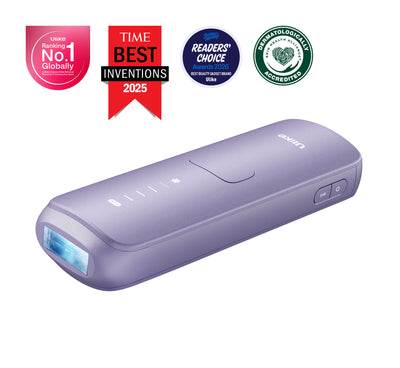
Ulike Air 4

4 weeks to silky smooth skin.

95.8% hair reduction in just 2 weeks*
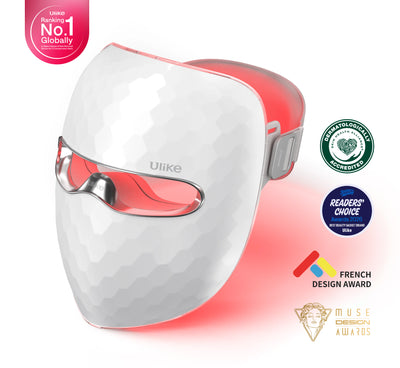
Ulike Reglow

Clearer skin in 2 weeks: Fewer breakouts
Smoother skin in 4 weeks: Fewer lines, firmer feel

Leave a comment

All comments are moderated before being published.

Back to top