PhotoEpilation: Definition, Safety, Benefits, and, More
Hair Removal

PhotoEpilation: Definition, Safety, Benefits, and, More

Epilation, or the removal of hair from roots, is categorized into two based on the lifespan of the effects. These include temporary epilation with an electrical or battery-powered epilator that removes hair from the roots and semi-permanent epilators that destroy the roots of the hair. Photoepilation comes under the heading of semi-permanent hair removal. Many prefer it as an option, but the term is fresh and, hence, seems to be unknown, isn't it? So, let us analyze photoepilation and what it has in store for you. Further, we will talk about safety and side effects of the same.  This article will help you under the in-depth details of photoepilation and finally make a decision on whether to go for it or not. Table of Contents: Part 1: Photoepilation Hair Removal: How Does It Work? Part 2: Is Photoepilation Safe? Part 3: Photoepilation vs Laser Epilation Part 4: Photoepilation at Home Part 1: Photoepilation Hair Removal: How Does It Work? Photo epilation, as the name implies, is the combination of two words. These are “Photo” meaning light and “Epilation” meaning removal of hair from the roots. The additional details of photoepilation are mentioned below. Definition of Photoepilation Photo epilation is defined as “The use of light technology to achieve long-lasting or semi-permanent hair growth reduction by destruction of the hair roots and follicles.” In general, there are different types of technologies that come under the heading of photoepilation. These include, Intense Pulsed Light or IPL technology Light Amplification by Stimulated Emission of Radiation or LASERhair removal technology Although both laser and IPL are a part of photoepilation, professional IPL treatments are regarded as photoepilation on a commercial level and laser is used as a separate entity. The Mechanism of Working In photo epilation, a probe with multiple wavelengths of light is used to emit radiation. The light is emitted in well-controlled pulses. The working principle of these radiations is given as, The rays have an ability to target the melanin allowing them to absorb into the hair strands which are darker than the rest of the skin Through the hair follicles, these reach the hair follicles where they turn into heat Consequently, the heat burns the hair roots and reduces the hair regrowth rate and speed As the inclination towards pigment allows Photoepilation rays to absorb into the skin as well, the pulsed mechanism prevents this.   Part 2: Is Photoepilation Safe? Photoepilation is an FDA-Cleared method for permanent hair growth reduction provided that, A standard Photoepilation machine is used. Treatment is customized to the patient, treatment area, and his/her skin type. The esthetician has both license and expertise How Professional Clinics Ensure Safety? In professional clinics, the esthetician or photoepilation experts ensure that the patient gets the desired results with little side effects. To do so, professional clinics, Use a high-quality photo epilation machine. Guide the patient about tips to enhance the results and reduce the side effects. Adjust the intensity settings according to the area of the skin and skin color. Apply protective gear like safety goggles to the eyes and a cooling gel to the skin. Regularly update the skills and knowledge of all personnel performing the procedure. Safety of photoepilation for Dark Skin Tones and Sensitive Skin Photoepilation can be used for a wide range of skin tones and types other than black or dark brown skin. In darker skin tones and sensitive skin types, the patient has to take some precautions for skin safety. These precautions are given as, Protection of the skin from UV rays and tanning by regular application of sunblock Patch test to check the skin reaction Use of low-intensity wavelengths Proper pre and post-care of the skin Use of photoepilation machines with an integrated cooling system Potential After-Effects of Photoepilation Just like most cosmetic procedures, the side effects of photoepilation include, An immediate redness of the skin that settles after some time Mild discomfort in the treatment area Skin irritation and inflammation Rarely, skin burns or hyperpigmentation Moreover, remember that all side effects of photoepilation are temporary and go away in a few days with proper skincare. Part 3: Photoepilation vs Laser Epilation Photoepilation is based on two types of technologies including laser and IPL. Below is a comparison of both. Working Mechanism In laser epilation, a single wavelength of light is used to target hair follicles while leaving skin untouched. In contrast, a broad-spectrum beam of light forms the basis of photoepilation and it only targets the pigment regardless of the area. This allows photoepilation to be used for skin-rejuvenation as well but laser is limited to hair removal. Energy Output The wavelength of light is set for different types of laser hair removal machines and ranges from 755nm to around 1200nm depending upon the type of laser used. Similarly, the range of wavelength of photoepilation machines is 590nm to 1200nm. However, a different type of machine needs to be used for different wavelengths in laser while the wavelength can be changed in a single machine in photoepilation. Furthermore, the energy output of laser hair removal machines is about 100+ J/cm2 while it is in the range of 10-50 J/cm2 for photoepilation. Differences in the Treatment However, there are several subtle differences between both techniques The laser selectively targets the hair follicles and uses highly selective modes of hair removal, while photoepilation may not be very precise in hair removal but treats other skin problems as well Photoepilation is less costly, more comfortable, and comparatively painless than laser The laser takes a lot longer to treat because of the small window compared to the adequately wide wax window job of photoepilation Part 4: Photoepilation at Home Professional photoepilation machines are more comfortable as compared to lasers. However, the inconvenience stays the same. Therefore, there are many high-quality and safe IPL hair removal devices that you can use at home to destroy the hair follicles conveniently. Advantages of At-Home Devices The advantages of at-home photoepilation devices are given as, At-home photoepilation devices are safe for DIY hair removal Such devices have built-in mechanisms like skin tone sensors and UV filters to improve safety Some photoepilation devices come with integrated ice-cooling technology to reduce the discomfort greatly The results of at-home photoepilation come quicker as the number of sessions per week is more Disadvantages of At-Home Photoepilation Devices The drawbacks of at-home photoepilation devices include, Choosing a safe and standard IPL device can be challenging At-home photoepilation devices can cause skin redness, inflammation, and irritation if it is not used properly Tips to Choose Safe and Effective Photoepilation Devices As choosing an at-home photoepilation can be difficult, follow these tips to get a safe and effective device for yourself, Check if the device is FDA-cleared Search about the safety mechanisms of the device IPL devices have a compatibility chart displayed to help you check if it will work for your skin Look at the energy output of the IPL device as the devices with higher energy show results within 3 weeks. Go for trust-worthy IPL brands with proven results Based on the tips mentioned above, we have found Ulike Air 10 IPL hair removal handset as a reliable at-home photoepilation option. Conclusion Photoepilation offers an innovative way to eradicate unwanted hair and dull-looking skin. This is because its broad spectrum kills the hair follicles and assists in enhancing the skin tone by impacting the skin. On the other hand, laser epilation highly targets the roots of the hair for destruction without touching the skin. Also, photoepilation can be done at home or in a clinic. Besides, it is much more convenient to use at-home IPL, although this form of clinical photoepilation has wide applicability.

Nov 26, 2025
Share:

Up to 40% Off
& Free Gifts

Learn More
Table of Contents

Epilation, or the removal of hair from roots, is categorized into two based on the lifespan of the effects.

These include temporary epilation with an electrical or battery-powered epilator that removes hair from the roots and semi-permanent epilators that destroy the roots of the hair. Photoepilation comes under the heading of semi-permanent hair removal.

Many prefer it as an option, but the term is fresh and, hence, seems to be unknown, isn't it? So, let us analyze photoepilation and what it has in store for you.

Further, we will talk about safety and side effects of the same.  This article will help you under the in-depth details of photoepilation and finally make a decision on whether to go for it or not.

Table of Contents:

Part 1: Photoepilation Hair Removal: How Does It Work?

Part 1: Photoepilation Hair Removal: How Does It Work?

Photo epilation, as the name implies, is the combination of two words. These are “Photo” meaning light and “Epilation” meaning removal of hair from the roots. The additional details of photoepilation are mentioned below.

Definition of Photoepilation

Photo epilation is defined as

“The use of light technology to achieve long-lasting or semi-permanent hair growth reduction by destruction of the hair roots and follicles.”

In general, there are different types of technologies that come under the heading of photoepilation. These include,

  • Intense Pulsed Light or IPL technology
  • Light Amplification by Stimulated Emission of Radiation or LASERhair removal technology

Although both laser and IPL are a part of photoepilation, professional IPL treatments are regarded as photoepilation on a commercial level and laser is used as a separate entity.

The Mechanism of Working

In photo epilation, a probe with multiple wavelengths of light is used to emit radiation. The light is emitted in well-controlled pulses.

The working principle of these radiations is given as,

  • The rays have an ability to target the melanin allowing them to absorb into the hair strands which are darker than the rest of the skin
  • Through the hair follicles, these reach the hair follicles where they turn into heat
  • Consequently, the heat burns the hair roots and reduces the hair regrowth rate and speed

As the inclination towards pigment allows Photoepilation rays to absorb into the skin as well, the pulsed mechanism prevents this.  

Part 2: Is Photoepilation Safe?

Part 2: Is Photoepilation Safe?

Photoepilation is an FDA-Cleared method for permanent hair growth reduction provided that,

  • A standard Photoepilation machine is used.
  • Treatment is customized to the patient, treatment area, and his/her skin type.
  • The esthetician has both license and expertise

How Professional Clinics Ensure Safety?

In professional clinics, the esthetician or photoepilation experts ensure that the patient gets the desired results with little side effects. To do so, professional clinics,

  • Use a high-quality photo epilation machine.
  • Guide the patient about tips to enhance the results and reduce the side effects.
  • Adjust the intensity settings according to the area of the skin and skin color.
  • Apply protective gear like safety goggles to the eyes and a cooling gel to the skin.
  • Regularly update the skills and knowledge of all personnel performing the procedure.

Safety of photoepilation for Dark Skin Tones and Sensitive Skin

Photoepilation can be used for a wide range of skin tones and types other than black or dark brown skin. In darker skin tones and sensitive skin types, the patient has to take some precautions for skin safety.

These precautions are given as,

  • Protection of the skin from UV rays and tanning by regular application of sunblock
  • Patch test to check the skin reaction
  • Use of low-intensity wavelengths
  • Proper pre and post-care of the skin
  • Use of photoepilation machines with an integrated cooling system

Potential After-Effects of Photoepilation

Just like most cosmetic procedures, the side effects of photoepilation include,

  • An immediate redness of the skin that settles after some time
  • Mild discomfort in the treatment area
  • Skin irritation and inflammation
  • Rarely, skin burns or hyperpigmentation

Moreover, remember that all side effects of photoepilation are temporary and go away in a few days with proper skincare.

Part 3: Photoepilation vs Laser Epilation

Photoepilation is based on two types of technologies including laser and IPL. Below is a comparison of both.

Working Mechanism

In laser epilation, a single wavelength of light is used to target hair follicles while leaving skin untouched. In contrast, a broad-spectrum beam of light forms the basis of photoepilation and it only targets the pigment regardless of the area.

This allows photoepilation to be used for skin-rejuvenation as well but laser is limited to hair removal.

Energy Output

The wavelength of light is set for different types of laser hair removal machines and ranges from 755nm to around 1200nm depending upon the type of laser used. Similarly, the range of wavelength of photoepilation machines is 590nm to 1200nm.

However, a different type of machine needs to be used for different wavelengths in laser while the wavelength can be changed in a single machine in photoepilation.

Furthermore, the energy output of laser hair removal machines is about 100+ J/cm2 while it is in the range of 10-50 J/cm2 for photoepilation.

Differences in the Treatment

However, there are several subtle differences between both techniques

  • The laser selectively targets the hair follicles and uses highly selective modes of hair removal, while photoepilation may not be very precise in hair removal but treats other skin problems as well
  • Photoepilation is less costly, more comfortable, and comparatively painless than laser
  • The laser takes a lot longer to treat because of the small window compared to the adequately wide wax window job of photoepilation

Part 4: Photoepilation at Home

Part 4: Photoepilation at Home

Professional photoepilation machines are more comfortable as compared to lasers. However, the inconvenience stays the same.

Therefore, there are many high-quality and safe IPL hair removal devices that you can use at home to destroy the hair follicles conveniently.

Advantages of At-Home Devices

The advantages of at-home photoepilation devices are given as,

  • At-home photoepilation devices are safe for DIY hair removal
  • Such devices have built-in mechanisms like skin tone sensors and UV filters to improve safety
  • Some photoepilation devices come with integrated ice-cooling technology to reduce the discomfort greatly
  • The results of at-home photoepilation come quicker as the number of sessions per week is more

Disadvantages of At-Home Photoepilation Devices

The drawbacks of at-home photoepilation devices include,

  • Choosing a safe and standard IPL device can be challenging
  • At-home photoepilation devices can cause skin redness, inflammation, and irritation if it is not used properly

Tips to Choose Safe and Effective Photoepilation Devices

As choosing an at-home photoepilation can be difficult, follow these tips to get a safe and effective device for yourself,

  • Check if the device is FDA-cleared
  • Search about the safety mechanisms of the device
  • IPL devices have a compatibility chart displayed to help you check if it will work for your skin
  • Look at the energy output of the IPL device as the devices with higher energy show results within 3 weeks.
  • Go for trust-worthy IPL brands with proven results

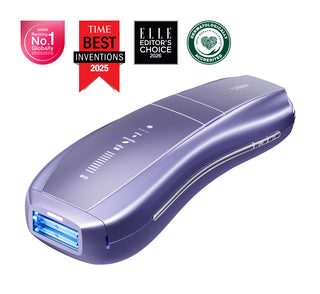
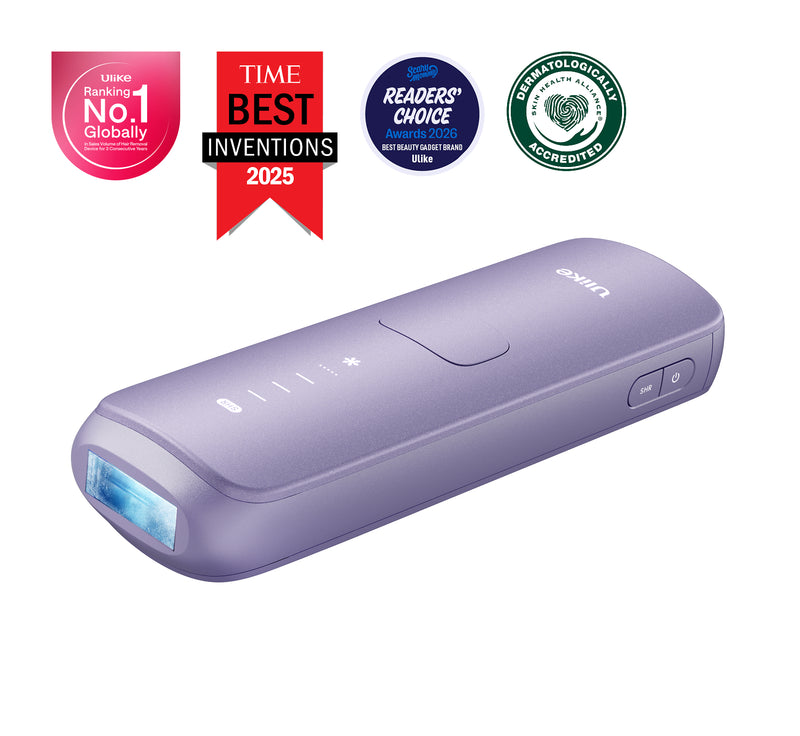
Based on the tips mentioned above, we have found Ulike Air 10 IPL hair removal handset as a reliable at-home photoepilation option.

Conclusion

Photoepilation offers an innovative way to eradicate unwanted hair and dull-looking skin. This is because its broad spectrum kills the hair follicles and assists in enhancing the skin tone by impacting the skin.

On the other hand, laser epilation highly targets the roots of the hair for destruction without touching the skin.

Also, photoepilation can be done at home or in a clinic. Besides, it is much more convenient to use at-home IPL, although this form of clinical photoepilation has wide applicability.

Previous
Does At-Home Laser Hair Removal Actually Work?
Next
How Do Bodybuilders Remove Their Hair– Grooming for Men!
Share:
The 10 Best Laser Devices for Men’s Body Hair Removal at Home

The 10 Best Laser Devices for Men’s Body Hair Removal at Home

Hair removal isn’t just for women. Some men do not wish to have unwanted hair on their face, unde...
Nov 24, 2025
5 Dermatologist Recommended At-Home Laser Hair Removal Devices 2025

5 Dermatologist Recommended At-Home Laser Hair Removal Devices 2025

With the advent of technology, you can now be free from waxing, shaving, or tweezing. The latest ...
Nov 24, 2025
Hair on Female Breast: Causes, How to Remove, And More

Hair on Female Breast: Causes, How to Remove, And More

While many of us were growing up, we were told that women are not supposed to have body hair. Onl...
Nov 24, 2025

Need guidance?

Get a free one-on-one consultation

TALK TO AN EXPERT

Explore Beauty

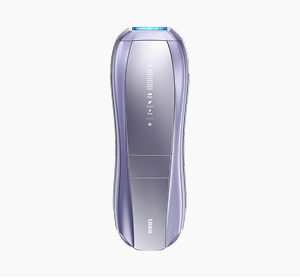
Ulike Air 10

2 weeks to silky smooth skin.

96% Hair Density Reduction in 2 Weeks

Ulike Air 3

3 weeks to silky smooth skin.

93% Hair Density Reduction in 4 Weeks

Ulike X

3 weeks to silky smooth skin.

94% hair reduction in just 2 weeks*

Ulike Reglow

Leave a comment

All comments are moderated before being published.

This site is protected by hCaptcha and the hCaptcha Privacy Policy and Terms of Service apply.

Back to top