





Plucking Chin Hair: Associated Damage, and the Alternative Methods

Although many women have thin hair, it is thin, fine, and light-colored vellus hair which offers no damage to the confidence of women. However, some grow thick, dark, and long hair on the chin. It could be a few strands or many, and it sometimes underlines an adrenal gland pathology like Cushing's syndrome or a hormonal disorder like PCOS.

Women remove this undesired hair with multiple methods like shaving, tweezing, waxing, and laser hair removal. Here, let's particularly talk about plucking chin hair because it has been the go-to method of dealing with chin hair for women for centuries. We'll walk through the correct technique, the real risks of plucking chin hair damage, whether plucked hair grows back, what it means for women with PCOS, and how it compares to other chin hair removal methods — including modern at-home IPL devices like the Ulike Air 10 — so you can decide if plucking still deserves a place in your routine.
Table of Contents:
- Part 1: What Is Chin Hair Plucking?
- Part 2: Step-by-Step Guide to Plucking Chin Hair
- Part 3: Is Plucking Chin Hair Bad? Benefits & Disadvantages
- Part 4: PCOS and Plucking Chin Hair — Damage & Dark Spots Explained
- Part 5: Does Plucked Hair Grow Back? Will Plucked Hair Grow Back Thicker?
- Part 6: How to Get Rid of Dark Spots on Chin Due to Hair Plucking
- Part 7: How to Clear Scarring From Plucking Chin Hair
- Part 8: Alternative Methods for Plucking Chin Hair
- Part 9: Frequently Asked Questions
Part 1: What Is Chin Hair Plucking?
Chin hair is outgrown hair just under your chin. You might notice a single hair erupting in this region, or it might give way to several stray strands. Tweezing chin hair (also called plucking) is the most-used method for removing chin hair because it allows a few hair strands to be removed instantly with precision.

In plucking, a tweezer is used to grip the hair and remove it from the root with a single, forceful snap. Done correctly, it eliminates the whole hair strand, which makes results last for a while. However, it can also break the hair mid-way and stimulate irregular regrowth with blunt, coarse ends — one of the reasons people ask whether plucking chin hair damage is real.
Part 2: Step-by-Step Guide to Plucking Chin Hair
Here is a step-by-step guide to safely plucking hair on chin, designed to reduce the intensity of the adverse effects of plucking.

Step 1: Skin Preparation
First, use micellar water or toner to remove all cosmetics or other products on your face. Then wash it with a gentle cleanser and lukewarm water.
After washing, place a warm washcloth over your chin and wait a few minutes. This helps open the pores and makes plucking easier. Let your face air dry, and you can dust a small amount of talcum powder over the area to absorb moisture.
Step 2: Preparation of the Tool
Choose a good tweezer with well-aligned arms and optimally filed tips. Clean the tweezer with an alcohol-based cleanser to remove microbes and dust particles — this reduces the chance of infection.
Step 3: The Right Technique
The right technique starts with the right tool. A tweezer with a slanted, straight tip works best for chin hair, and the grip should be secure so it doesn't slip out of your hands.
Plucking should always be done in a well-lit room to ensure precision and safety.
Step 4: Removal of Chin Hair
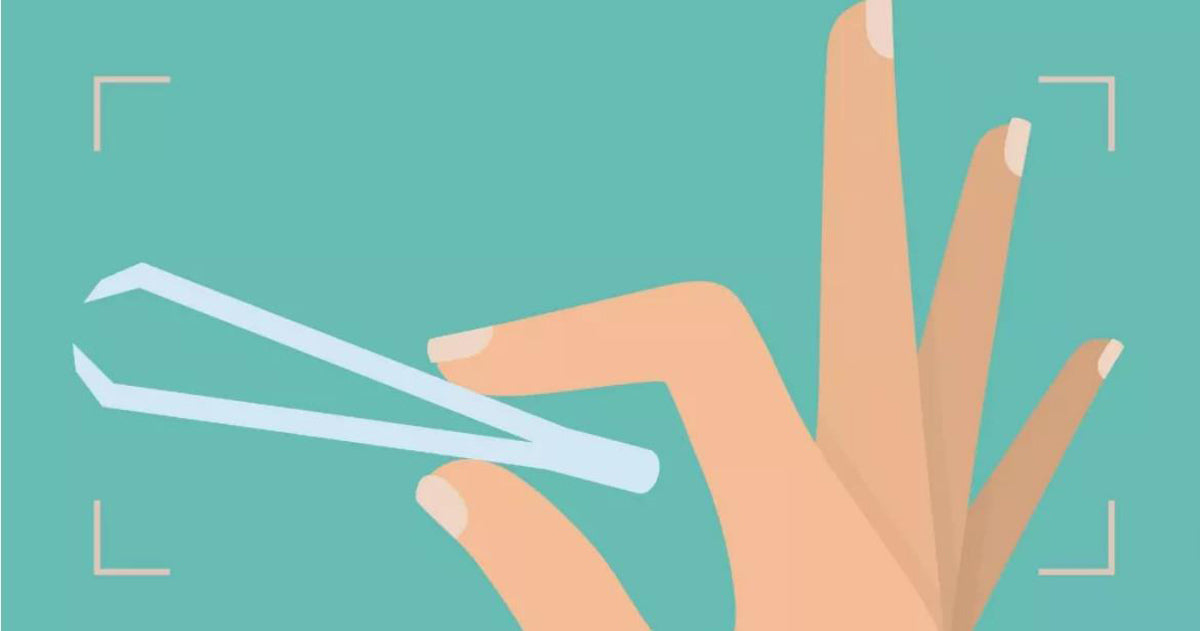
Work on the hair one strand at a time. Grab the hair with the tweezer close to its base, just above the skin — hold the hair, not the skin. Then remove it in the direction of hair growth, quickly, in one go. This pulls the strand out cleanly instead of breaking it.
Step 5: Calming the Skin
Once you've removed all the hair strands, wash your face with cold water to soothe the skin, then apply aloe vera gel to reduce redness.
If pain doesn't subside or inflammation is severe, apply a cold compress or a topical cortisone cream.
Part 3: Is Plucking Chin Hair Bad?

Benefits
Below are the benefits of using a tweezer to pluck chin hair. These benefits make it one of the most common methods of chin hair removal.
- Cheap: All you need for plucking chin hair is a tweezer. A high-quality tweezer is inexpensive, and one durable tweezer can go a long way.
- Precise: Since there are usually only a few hair strands in the chin area, they can be precisely removed one at a time.
- Lasts for a Month or More: If hair is plucked from the root, results can last 3 to 6 weeks. If it breaks under the skin, results only last around 2 weeks.
- Suitable for All Skin and Hair Types: Plucking works for all skin types and hair colors, and — with the right technique and pre- and post-care — can even be done on sensitive skin.
- Minimal Equipment Required: Unlike other hair removal methods that need multiple products, plucking only requires a tweezer.
Disadvantages

- Pain: Pulling each strand of unwanted chin hair separately can be genuinely painful, and the pain doesn't always subside with repeated sessions.
- Ingrown Hair: If a strand isn't pulled out completely, it can grow back inside the top layer of skin, causing an ingrown hair that's difficult to remove.
- Skin Irritation and Inflammation: Redness, itching, pain, tenderness, and swelling are common side effects of plucking facial hair.
- Folliculitis: This is an infection of the hair follicle that can occur when microbes enter the skin pores via a tweezer used under unsterilized conditions.
- Hyperpigmentation: Plucking triggers inflammation, and that inflammation can lead to post-inflammatory darkening of the skin — a key part of plucking chin hair damage.
- Scarring: Repeated plucking, or attempting to pluck an ingrown hair, can lead to scarring in the chin area.
Part 4: PCOS and Plucking Chin Hair — Damage & Dark Spots Explained
For many women, chin hair isn't just genetics — it's hormonal. Polycystic ovary syndrome (PCOS) raises androgen levels, which can trigger hirsutism: thicker, darker, faster-growing hair on the chin, jawline, and upper lip. This is why so many people specifically search for pcos plucking chin hair damage — plucking interacts differently with PCOS-driven hair than with the occasional stray strand.
Why PCOS makes plucking riskier:
- Faster, coarser regrowth: Because androgens keep pushing hair follicles into an active growth phase, PCOS-related chin hair tends to return faster and coarser, which means more frequent plucking sessions and more repeated trauma to the same patch of skin.
- More inflammation, more damage: Skin that is plucked over and over in the same small area is more prone to micro-tears, ingrown hairs, and folliculitis — compounding the everyday plucking chin hair damage described above.
- PCOS dark spots on chin due to hair plucking: Hormonal skin is already more reactive, so repeated inflammation from plucking is more likely to leave behind post-inflammatory hyperpigmentation — stubborn dark spots that can take months to fade without targeted treatment.
If you have PCOS-related hirsutism, dermatologists generally recommend treating the root hormonal cause with your doctor, while choosing a hair removal method that limits repeated trauma to the same follicles. This is one of the main reasons many women with PCOS eventually move from tweezing chin hair to a gentler, more consistent method like at-home IPL — for example, the Ulike Air 10, which uses a built-in SkinSensor to automatically adjust energy output for more sensitive, reactive skin, reducing the irritation cycle that leads to dark spots in the first place.
Part 5: Does Plucked Hair Grow Back? Will Plucked Hair Grow Back Thicker?
- Do plucked hairs grow back? Yes. Plucking removes the hair from the follicle, but it doesn't destroy the follicle itself, so the hair typically regrows within 3 to 8 weeks. That's why plucking is considered a temporary hair removal method, not a permanent one, no matter how often it's repeated.
- Will plucked hair grow back thicker or darker? This is one of the most searched questions about tweezing, and the honest answer is "it's more nuanced than yes or no." Individual plucked hairs don't become biologically thicker just from being pulled out — but research on densely packed follicles has found that plucking many hairs close together in a small area can trigger a coordinated inflammatory signal that stimulates neighboring follicles to grow new hair, which can make a treated patch look like it has more hair overall over time. Separately, dermatologists note that regrowing hair can sometimes look coarser simply because it's growing back with a blunt, freshly cut-style tip rather than a natural tapered end.
- Does plucked hair regrow permanently gone with enough plucking? Not usually. Plucking can weaken a follicle over time with very consistent, correct technique, and some people do see finer regrowth in certain areas like eyebrows — but this isn't reliable or fast for coarse chin hair, and there's no guarantee a follicle stops producing hair for good. If your goal is long-term or permanent hair reduction rather than short-term upkeep, an IPL device such as the Ulike Air 10 targets the hair follicle directly with light energy, which is designed to reduce regrowth over repeated sessions in a way that plucking alone cannot.
Part 6: How to Get Rid of Dark Spots on Chin Due to Hair Plucking
Dark spots form because of the post-inflammatory release of melanin in the skin — this is especially common with pcos dark spots on chin due to hair plucking, since hormonal skin is already prone to reacting strongly to trauma. The instant way to relieve dark spots on the chin from hair plucking is a hydrocortisone cream, which reduces inflammation and helps prevent further darkening.
If you already have stubborn dark spots, use skin-exfoliating and brightening agents to increase cellular turnover and even out skin tone. Products containing mandelic acid, kojic acid, lactic acid, vitamin C, and vitamin A are effective. Always wear sunscreen daily to prevent UV rays from making the dark spots worse.
Part 7: How to Clear Scarring From Plucking Chin Hair
Excess plucking, recurrent tweezing, and repeatedly interfering with ingrown hairs can damage the skin and form scars. Scarring can also be caused by infection, so it's important to protect your skin from the sun and treat any underlying infection. Apply a topical antibacterial and steroid cream, and wear sunscreen generously.
Additionally, use products that nourish and hydrate the skin, like aloe vera, green tea, and essential oils with skin-healing properties. Gently exfoliate the area, apply a silicone sheet to support healing, and consider topical retinoids to help clear the scar over time.
Part 8: Alternative Methods for Plucking Chin Hair
Below are the main alternatives to plucking chin hair. Let's compare the pros and cons of each against plucking.

Plucking vs. Shaving Chin Hair
The easiest method for removing facial hair is shaving.

Method: Shaving uses a sharp safety razor with a tilted head in small strokes to trim unwanted hair, in contrast to plucking, which pulls hair from the root with a tweezer. Shaving also removes the superficial layer of dead skin cells, which plucking does not. Shaving is a better choice when the whole chin area is covered in hair, while plucking is best for a few stray strands.
Benefits
| Shaving | Plucking |
|
|
Side Effects
| Shaving | Plucking |
|
|
Plucking vs. Waxing Chin Hair

Another effective method for removing unwanted chin hair is waxing or sugaring. It stands shoulder to shoulder with plucking, since it also removes hair from the root.
Method: Waxing uses an adhering material that sticks to hair strands and removes them from the root with force. Soft wax with strips can work on chin hair, but hard wax is usually gentler and better suited for the face. Plucking, on the other hand, is manual removal with a tweezer — angled tweezers tend to work best for chin hair.
Benefits
| Waxing | Plucking |
|
|
Side Effects
| Waxing | Plucking |
|
|
Plucking vs. IPL Chin Hair Removal
Finally, there's a longer-lasting method of hair removal to consider: an at-home IPL (laser-style) device.
Method: IPL hair removal involves shaving the area to be treated — like the chin — then flashing light onto it. This light travels through the pores to the hair root and works at the "cause" of unwanted chin hair by targeting the follicle itself. Although non-invasive, this method goes deeper than plucking. Plucking, by contrast, simply removes the hair strand with no lasting effect on the follicle underneath.
Benefits of IPL hair removal
| IPL hair removal | Plucking |
|
|
Side Effects
| IPL hair removal | Plucking |
|
|
The Best Method of Chin Hair Removal
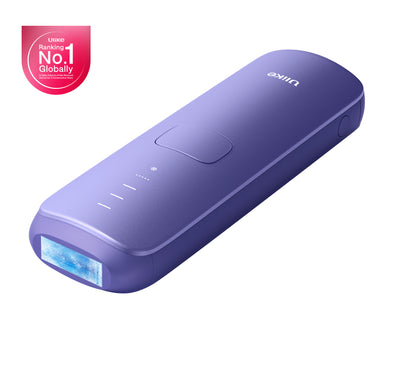
Looking at everything above, IPL hair removal comes out ahead of tweezing chin hair for most people who want lasting results rather than a 3-to-6-week upkeep cycle — as long as it fits your budget. If you're ready to move past the cycle of plucking, ingrown hairs, and dark spots, the Ulike Air 10 is currently Ulike's most advanced at-home IPL hair removal device.
Why the Ulike Air 10 is worth a look:
- Dual Lights + SHR Mode: A wider treatment window and salon-inspired SHR mode are designed for visible hair reduction in as little as 2 weeks, with most users seeing their full results by the end of a 12-week cycle.
- 26-joule power output: Built to work on stubborn, coarse hair — including the thicker strands that hormonal or PCOS-related chin hair often produces.
- SkinSensor technology: Automatically reads your skin tone and adjusts the energy output, which is especially useful for the more reactive, plucking-irritated skin discussed in Part 4.
- Sapphire Ice-Cooling: Keeps the treatment head cool for a near-painless experience, unlike the sharp pain of tweezing strand by strand.
How to get started: Shave (don't pluck or wax) the treatment area first, do a patch test, then follow the device's recommended schedule — generally every other day for the first 4 weeks, tapering to once or twice a month for maintenance. Full setup and usage details, along with current offers, are available on the official Ulike website and on the Ulike Air 10 product page.
Conclusion
Chin hair can take a toll on self-confidence, and removing it the wrong way — or with the wrong technique — adds risk to your skin. We've covered plucking chin hair in depth, including the everyday side effects like hyperpigmentation and scarring, and the added risks tied to pcos plucking chin hair damage and pcos dark spots on chin due to hair plucking.
If you're tired of the cycle of tweezing, redness, and dark spots, it's worth researching gentler, longer-lasting methods. Devices like the Ulike Air 10 are designed to be easier on the skin than repeated plucking while working toward more lasting hair reduction — so you can spend less time at the mirror with a tweezer and more time feeling confident in your skin.
Part 9: Frequently Asked Questions
Q1: Does plucking chin hair make it grow back more?
For some people, yes. While removing hair from the root in areas like the legs can make regrowth appear finer over time, research suggests that repeatedly plucking chin hair can stimulate follicles in a way that produces darker, thicker hair, and may even increase the number of visible strands in a densely plucked area.
Q2: Will plucked hair grow back? Does it ever stop growing?
Plucking makes hair disappear for a while — typically it won't resurface for up to 4–6 weeks — but it's ultimately going to return, and in some cases it can come back thicker. So no, plucking the chin does not stop hair growth long-term; it only delays it.
Q3: Do plucked hairs grow back the same, or does plucked hair regrow differently?
In most cases, do plucked hairs grow back the same as before — same color, similar thickness — unless the area is plucked very densely and repeatedly, which can occasionally trigger extra regrowth nearby. Does plucked hair regrow permanently thinner or gone entirely is uncommon and not something you should count on for coarse chin hair.
Q4: Is plucking chin hair riskier if I have PCOS?
Yes. Because PCOS-related hair tends to be thicker and grows back faster, the repeated trauma from tweezing chin hair adds up more quickly, increasing the odds of ingrown hairs, folliculitis, and pcos plucking chin hair damage in general. Many women with PCOS find more consistent, less irritating results with an IPL device like the Ulike Air 10, which is built to work across a broader range of skin tones and hair textures.
Q5: How do I get rid of PCOS dark spots on chin due to hair plucking?
Start with a gentle hydrocortisone cream to calm inflammation, then introduce brightening actives like vitamin C, kojic acid, or mandelic acid once the skin has settled, along with daily sunscreen. Just as importantly, reducing the number of times you re-traumatize the same patch of skin by plucking helps prevent new dark spots from forming — which is where switching from tweezing to an IPL device such as the Ulike Air 10 can help long term.
Q6: What's a better long-term alternative to tweezing chin hair?
If you're plucking the same few chin hairs every few weeks, an at-home IPL device is generally the most effective long-term swap. The Ulike Air 10 is designed to target hair at the follicle with visible reduction in as little as 2 weeks and continued improvement over a 12-week course, without the repeated skin trauma that comes with tweezing.
Featured Products

Ulike Air 10
2 weeks to silky smooth skin.
96% Hair Density Reduction
The next-generation in simple,
lasting hair removal.

Best Underarm Hair Removal Options: What Should You Choose?

How Much Is Electrolysis Hair Removal? Let’s Break It Down

Laser to Remove Ingrown Hair: Does It Really Work?

Explore Beauty

Ulike Air 10
2 weeks to silky smooth skin.
96% Hair Density Reduction in 2 Weeks
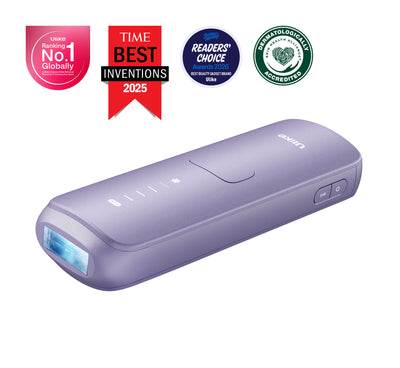
Ulike Air 3
3 weeks to silky smooth skin.
93% Hair Density Reduction in 4 Weeks
Ulike Air 4
4 weeks to silky smooth skin.
95.8% hair reduction in just 2 weeks*
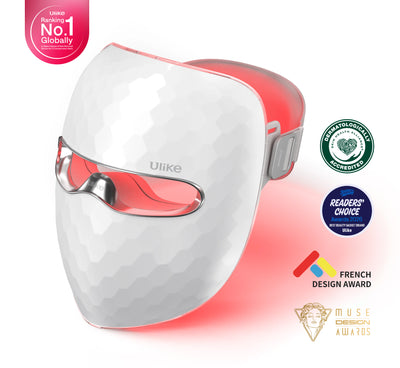
Ulike Reglow
Clearer skin in 2 weeks: Fewer breakouts
Smoother skin in 4 weeks: Fewer lines, firmer feel