

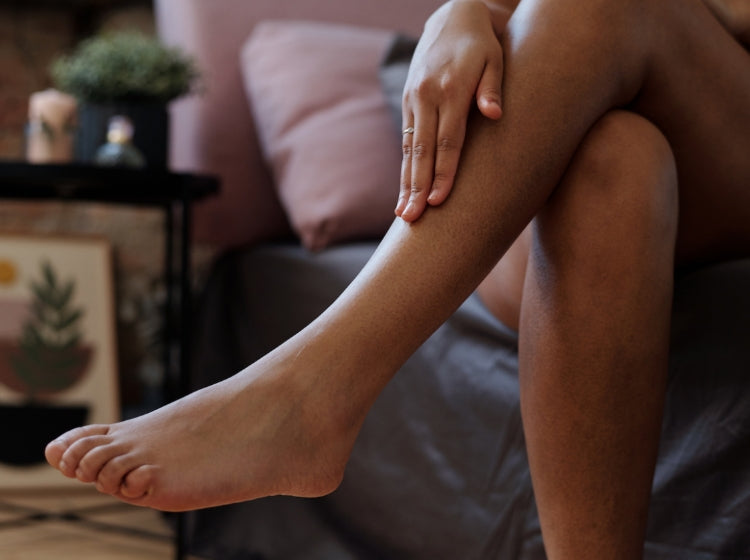
Post Laser Hair Removal Care: What Should You Do?

Laser hair removal can leave your skin feeling warm, slightly red, or a little sensitive after a session, similar to a mild sunburn. The way you care for your skin afterward can make a difference in how comfortable the recovery period feels. Effective post laser hair removal care does not require a complicated routine — it usually starts with keeping the area cool, avoiding irritation, and protecting your skin while it calms down.
Everyone’s recovery can be different depending on the treatment area, skin type, hair characteristics, and laser settings. This guide covers simple steps for the first 48 hours, the following week, and the time between appointments to help you care for your skin with confidence.

Table of Contents:
- Part 1: Quick Answer: What Should You Do After Laser Hair Removal?
- Part 2: What to Do After Laser Hair Removal
- Part 3: What Not to Do After Laser Hair Removal
- Part 4: How Long Does Redness Last After Laser Hair Removal?
- Part 5: Post Laser Hair Removal Care for the First Week
- Part 6: Hair Shedding and What to Expect Between Sessions
- Part 7: Laser Hair Removal vs. At-Home IPL Aftercare
- Part 8: At-Home IPL Options for a Convenient Future Hair Removal Routine
- Part 9: Conclusion
- Part 10: Frequently Asked Questions
Part 1: Quick Answer: What Should You Do After Laser Hair Removal?
If you are wondering what to do after laser hair removal, cool the area gently, use bland fragrance-free products if your practitioner permits them, avoid heat and friction, and protect the skin from direct sun. Wait until redness and sensitivity have settled before resuming shaving, exfoliation, active skincare, strenuous exercise, or other hair-removal methods.
Part 2: What to Do After Laser Hair Removal
For practical after laser hair removal care, pay closest attention to the first 24–48 hours. A few low-effort steps can limit avoidable irritation and make recovery more comfortable as the treated skin settles.
Apply Cool Compresses to Soothe the Skin
Start with a clean, soft washcloth dampened with cool water. Rest it on the area for several minutes, remove it, and repeat if needed. If you use a cold pack, wrap it in a cloth so it does not touch the skin directly. Cooling can ease temporary heat, tenderness, and follicle swelling without rubbing the area.
Moisturize with Gentle, Fragrance-Free Products
Choose a simple, fragrance-free moisturizer or soothing gel, provided your practitioner has not asked you to keep the area product-free. Avoid essential oils, perfume, and long ingredient lists while the skin is reactive. The best skincare after facial hair removal usually starts with a mild cleanser and bland moisturizer, not multiple serums. Gentle hydration and loose clothing are also useful recovery measures for sensitive skin.
Protect Treated Skin from Sun Exposure
Stay out of direct sun where practical and cover the area with soft clothing. Once your provider says sunscreen is suitable, use a broad-spectrum, water-resistant SPF 30 or higher and reapply as directed, especially outdoors. Sun protection after laser hair removal matters because recently treated skin can be more vulnerable to irritation and unwanted light or dark marks.
Wear Loose, Breathable Clothing
Pick soft, roomy fabrics for areas such as the legs, bikini line, back, or underarms. Tight waistbands, fitted gym wear, and rough seams can trap heat or repeatedly rub sensitive follicles. Loose cotton or another breathable fabric reduces friction and allows sweat to evaporate. If an outfit presses on the treated area, switch to something more relaxed for a day or two.
Part 3: What Not to Do After Laser Hair Removal
Knowing what not to do after laser hair removal is just as useful as knowing what to apply. The main aim is to avoid heat, friction, irritating ingredients, and hair-removal methods that disturb treated follicles.
Skip Hot Showers, Saunas, and Intense Exercise
Use cool or lukewarm water and pause saunas, steam rooms, hot tubs, and vigorous workouts for at least 24–48 hours, or longer if your clinic advises it. Heat and heavy sweating can intensify stinging and redness. Gentle walking is usually more comfortable, but let the skin’s response guide you. If it still feels hot or sore, give it more recovery time.
Avoid Harsh Skincare Products and Retinoids
Pause retinoids, scrubs, exfoliating acids, strong vitamin C formulas, benzoyl peroxide, and alcohol-heavy products on the treated area. These ingredients may be useful in a normal routine, but recently treated skin can react differently. Restart one product at a time only after the skin looks and feels normal. For prescriptions, ask the prescriber or treating clinic when to resume.
Avoid Waxing and Plucking, and Pause Depilatory Creams While Skin Recovers
Waxing, threading, epilating, and tweezing pull hair from the follicle, which can interfere with the target needed for a later laser session. Depilatory creams can also irritate newly treated skin, so pause them until the area has recovered and your practitioner permits use. If you need to manage regrowth between appointments, shaving is generally the preferred option once tenderness and redness have resolved.
Hold off on Deodorant After Underarm Treatments
Deodorant, antiperspirant, and fragranced body sprays can sting freshly treated underarms. Keep the area clean and dry, then wait until it is calm before applying them again—often 24–48 hours, depending on your reaction and clinic instructions. Temporary redness, swelling, and irritation are reasons to delay deodorant a little longer.
Part 4: How Long Does Redness Last After Laser Hair Removal?
Some redness after laser hair removal is expected, especially around individual follicles. The treated area may also feel warm, tender, or slightly itchy soon after the appointment.
Mild redness and swelling often improve within several hours and usually settle within one to three days. A sunburn-like appearance, small raised bumps around follicles, and mild sensitivity can fall within a typical recovery range, provided they gradually improve. As per laser hair removal safety guidance, these common effects generally last one to three days.
Contact your clinic if the reaction worsens rather than settles. Blisters, open skin, spreading redness, pus, severe or increasing pain, marked swelling, fever, or new scarring need prompt medical advice. Persistent lightening or darkening of the skin also deserves professional review.
Part 5: Post Laser Hair Removal Care for the First Week
Your plan for laser hair removal care after each appointment should change as sensitivity fades. Use this simple timeline as a starting point, while giving your clinic’s instructions priority.
Days 1–2: Focus on Cooling and Calming the Skin
Keep showers lukewarm, use cool compresses when needed, and avoid rubbing or scratching. Wear loose clothing and choose only products approved by your practitioner. Skip strenuous workouts, pools, steam rooms, and other sources of heat or friction. Check the area occasionally, but resist touching every bump; follicular swelling can look noticeable before it settles.
Days 3–7: Gradually Return to Your Regular Skincare Routine
If redness and tenderness have gone, slowly bring back your usual cleanser, moisturizer, makeup, deodorant, and daily activities. Add one item at a time so you can identify anything that stings. Keep sun protection consistent. A calm post laser hair removal routine should respond to the skin in front of you, not force a fixed schedule when sensitivity remains.
When to Resume Exfoliation and Shaving
Wait until the skin is free from heat, swelling, pain, and significant redness. Then shave with a clean, sharp razor, gentle shaving gel, and light pressure. Exfoliation should return later and start mildly; avoid scrubbing just to speed up shedding. Some clinics recommend waiting several days, so use their timeline when it is more cautious than general online advice.
Part 6: Hair Shedding and What to Expect Between Sessions
Changes in hair after laser hair removal do not happen all at once. Treated hairs may remain visible before loosening, while follicles outside the active growth phase can produce later regrowth.
The Shedding Timeline
Shedding often begins within about one to three weeks. During that period, treated hairs may look as though they are still growing, but some are being pushed toward the skin’s surface. Patchy loss is common because the laser affects hairs in a responsive growth stage. Session results and timing vary by body area, hair texture, skin tone, and treatment settings.
What to Do While Treated Hairs Naturally Shed
Let the hairs release on their own. Wash gently, pat dry, and avoid picking, tweezing, waxing, or forceful scrubbing. Once the skin has fully recovered and your practitioner allows exfoliation, a soft washcloth or mild exfoliant may help remove loose hairs. Shaving can manage visible stubble without pulling the follicle, but stop if the razor causes burning or fresh irritation.
When Should You Contact Your Dermatologist?
Get advice if redness or pain keeps increasing, the skin blisters, or you notice crusting, drainage, spreading warmth, red streaks, or signs of scarring. Contact the treating clinic or a board-certified dermatologist for non-urgent concerns. In the US, urgent care is appropriate when you cannot reach the clinic and symptoms are progressing; fever, severe swelling, or rapidly spreading redness needs timely medical assessment.
Part 7: Laser Hair Removal vs. At-Home IPL Aftercare
Professional laser systems and home IPL devices both use light to heat pigment associated with hair, but they are not the same technology. A laser uses a concentrated wavelength, while IPL delivers a broader range of light; the FDA classifies IPL as a powered light-based, non-laser instrument (US device classification).
That difference affects power, treatment technique, suitable skin and hair combinations, and the instructions you receive. Clinic laser aftercare is based on the professional device and settings used. Home IPL care should follow that device’s manual, including its skin-tone chart, patch-test guidance, schedule, and restricted treatment areas. Do not use IPL over skin that is still irritated from a professional session. Wait until it is healthy, then confirm timing with your practitioner if the treatment areas overlap.
Part 8: At-Home IPL Options for a Convenient Future Hair Removal Routine
Once your skin is healthy, an at-home IPL hair removal device can support a separate, repeat-use hair-reduction routine for suitable skin and hair tones. Although shoppers sometimes call it a laser hair removal machine, IPL is not a laser. Check compatibility, patch test as instructed, shave first, and follow the schedule and aftercare in the device manual.
Ulike Air 10 for Fast, Comfortable Full-Body IPL Treatments
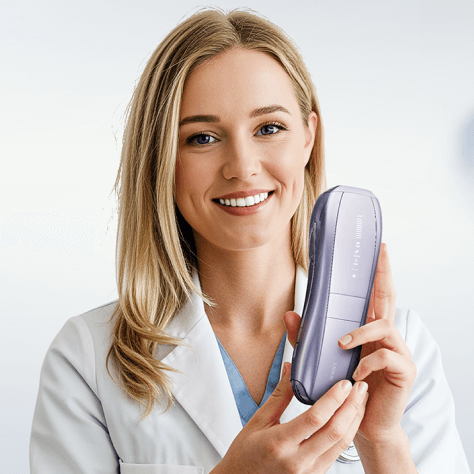
For users who want faster full-body hair reduction, the Ulike Air 10 combines efficient coverage with enhanced comfort. Its Dual Lights help cover larger areas, while AutoGlide enables continuous flashing as you move across the skin. With a stated 10-minute full-body treatment time, Air 10 is suitable for users treating areas such as legs, arms, and other compatible body areas in a single session. Individual treatment times and results can vary.
Best for: Faster full-body treatments and stubborn hair.
Key features:
- Dual Lights help provide wider coverage for more efficient IPL sessions.
- Four treatment modes — Fast, Normal, High, and SHR — allow users to adjust intensity based on different needs.
- SHR mode uses rapid multi-pulse delivery with up to 26J of cumulative energy through a four-pulse burst.
- SkinSensor technology detects skin tone and helps optimise treatment settings for a safer experience.
- Sapphire Ice Cooling keeps the treatment surface near 65°F (18°C) to help reduce heat sensation during use.
With faster coverage, automatic flashing, and cooling technology, Ulike Air 10 is designed for users who want a more efficient at-home IPL routine while maintaining comfort during treatment.

Ulike Air 4 for Simple and Gentle At-Home IPL Hair Reduction
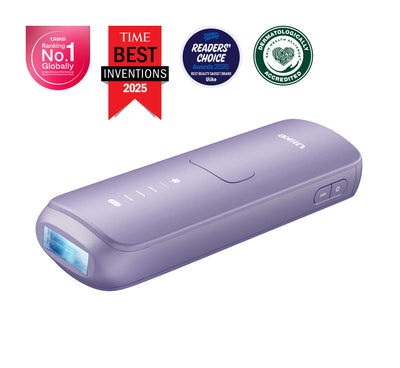
For users who prefer an easy-to-follow IPL routine, the Ulike Air 4 offers a practical balance of comfort and performance. Its four treatment modes make it easier to select the right intensity for different areas and hair types, while AutoGlide enables continuous flashing with one press. With a stated 12-minute full-body treatment time, Air 4 is suitable for regular at-home hair reduction routines. Individual treatment times and results can vary.
Best for: Simple routines and comfortable everyday hair reduction.
Key features:
- Four modes — Soft, Body, Power, and USHR — help match treatment intensity with different areas and hair types.
- Delivers up to 24J of energy with an energy density of 7.2J/cm².
- AutoGlide provides continuous flashing with intervals as fast as 0.4 seconds.
- USHR mode uses multi-pulse delivery designed for thicker and more stubborn hair.
- Sapphire Ice Cooling keeps the treatment surface near 64.4°F (18°C) to improve comfort during longer sessions.
With simple mode selection, automatic flashing, and built-in cooling, Ulike Air 4 is a suitable choice for users looking for a comfortable and straightforward IPL experience at home.

Part 9: Conclusion
Effective post laser hair removal care does not require an elaborate shelf of products. It requires patience, a light touch, and attention to how your skin changes from day to day. If a product stings, an activity brings the heat back, or redness starts increasing, pause and reassess instead of pushing through.
Your practitioner’s instructions should remain the deciding guide because laser type, settings, and treatment area affect recovery. Keep those instructions nearby, plan sun protection before leaving home, and contact the clinic when a reaction falls outside the expected mild, improving pattern. Once your skin is fully calm, you can return to your usual routine gradually and make informed choices about future professional sessions or compatible home IPL use.
Part 10: Frequently Asked Questions
Q1: What is the best thing to do after laser hair removal?
Cool the treated area with a clean, damp compress and use a plain, fragrance-free moisturizer or soothing aloe gel if your practitioner permits it. Avoid heat, friction, heavy sweating, and irritating skincare for 24 to 48 hours. Keep the area out of direct sunlight and apply broad-spectrum SPF 30+ once your skin tolerates sunscreen. Follow any treatment-specific instructions provided by your clinic.
Q2: What should you not do after getting laser hair removal?
Avoid hot showers, saunas, steam rooms, intense exercise, swimming, and direct sunlight while the skin remains sensitive. Pause retinoids, exfoliating acids, scrubs, fragranced products, and deodorant on treated underarms for 24 to 48 hours or as instructed. Do not wax, tweeze, or epilate between sessions because these methods remove hair from the follicle. Wait until irritation settles before shaving.
Q3: How long does it take to heal after laser hair removal?
Mild redness, follicular swelling, warmth, and tenderness usually improve within several hours to three days. Your skin may need longer if a sensitive or large area was treated. Treated hairs commonly shed over one to three weeks, but this is separate from skin healing. Follow-up sessions are often scheduled four to six weeks apart to target different hair-growth stages, not because the skin normally takes that long to recover.
Q4: How long should you wait to shower after laser hair removal?
You can usually shower later the same day unless your practitioner gives different instructions. Use cool or lukewarm water, keep the shower brief, and wash the treated area with a mild cleanser without scrubbing. Pat the skin dry using a clean, soft towel. Avoid hot showers, baths, steam rooms, and hot tubs for around 24 to 48 hours because heat can worsen redness, stinging, and sensitivity.
Featured Products

Ulike Air 10
2 weeks to silky smooth skin.
96% Hair Density Reduction
The next-generation in simple,
lasting hair removal.

Best Underarm Hair Removal Options: What Should You Choose?
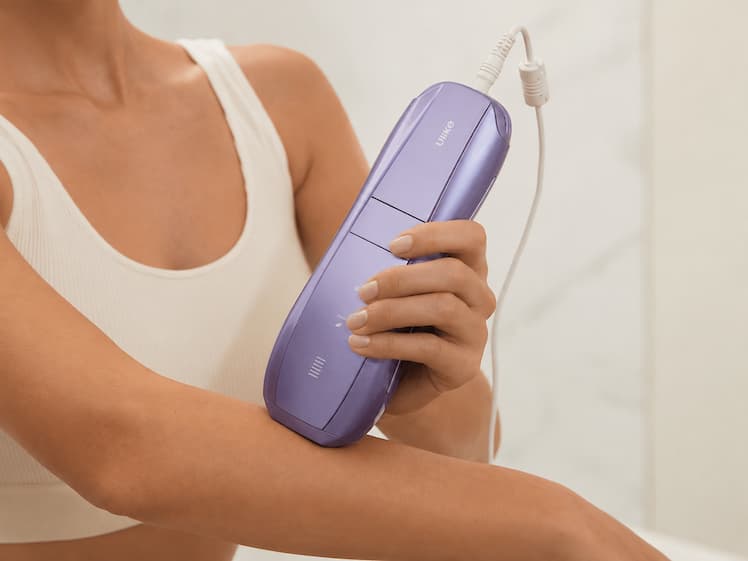
How Much Is Electrolysis Hair Removal? Let’s Break It Down
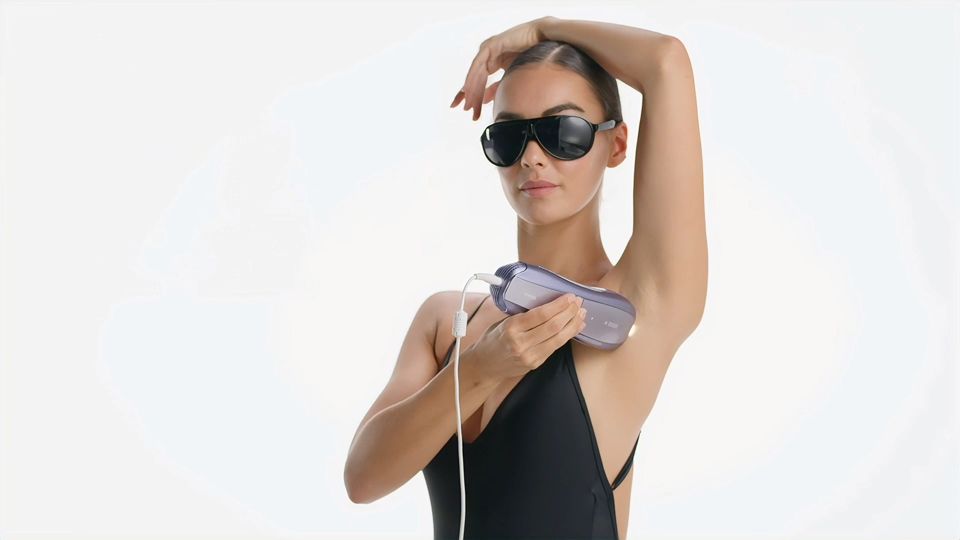
Laser to Remove Ingrown Hair: Does It Really Work?

Explore Beauty
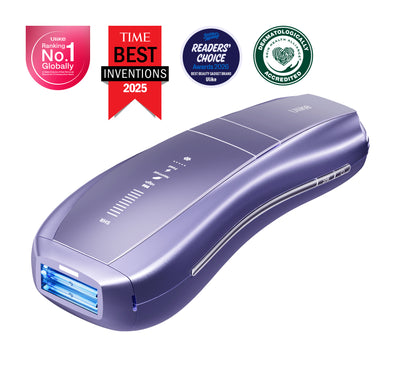
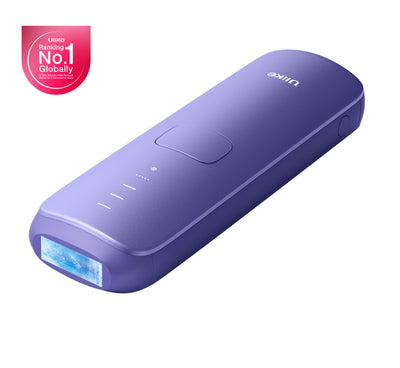
Ulike Air 10
2 weeks to silky smooth skin.
96% Hair Density Reduction in 2 Weeks
Ulike Air 3
3 weeks to silky smooth skin.
93% Hair Density Reduction in 4 Weeks
Ulike Air 4
4 weeks to silky smooth skin.
95.8% hair reduction in just 2 weeks*
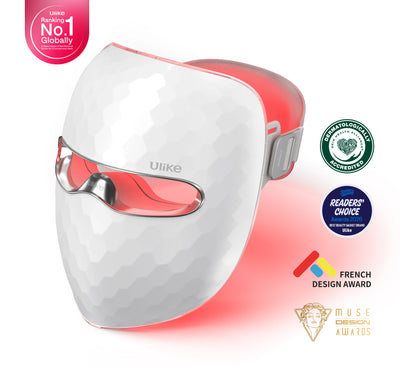
Ulike Reglow
Clearer skin in 2 weeks: Fewer breakouts
Smoother skin in 4 weeks: Fewer lines, firmer feel