 Ulike ReGlow Pro★ 5.0 (511)


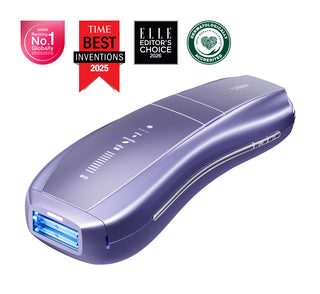
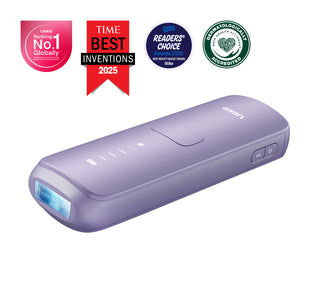


Table of Contents
Shaving every few days, dealing with razor bumps, booking waxes, and seeing stubble return almost immediately can get frustrating. If you want a longer-term way to reduce unwanted hair without constant upkeep, pulsed light hair removal may be worth considering.
Also called IPL, this light-based method targets melanin in the hair shaft and affects the follicle to slow future growth over time. You’ll learn how IPL works, how effective it is, and who it works best for. This guide also covers safety tips, at-home use, and how to choose a device based on your skin tone, hair color, and treatment area.

Table of Contents:
- Part 1: What Is Intense Pulsed Light Hair Removal?
- Part 2: How Does Intense Pulsed Light Hair Removal Work?
- Part 3: IPL vs. Laser Hair Removal: What’s the Difference?
- Part 4: Is Pulsed Light Hair Removal Effective?
- Part 5: Is At-Home Pulsed Light Hair Removal Safe?
- Part 6: Best Pulsed Light Hair Removal Devices for At-Home Use
- Part 7: How to Use a Pulsed Light Hair Removal Device at Home
- Part 8: Conclusion
- Part 9: Frequently Asked Questions
Part 1: What Is Intense Pulsed Light Hair Removal?
Intense pulsed light hair removal is a noninvasive hair reduction method that uses broad-spectrum light to target melanin in the hair. The goal is not instant hair removal, but gradual reduction in hair growth after repeated treatments.
Intense pulsed light as a hair reduction method
If you’re wondering, what is intense pulsed light hair removal, the simplest answer is this: IPL sends flashes of light into the skin, where the energy is absorbed by melanin, the pigment that gives hair its color. That light energy converts into heat, which helps reduce follicle activity and slow future hair growth.
The difference between hair reduction and permanent removal
IPL is best described as long-term hair reduction, not guaranteed permanent hair removal. Many people see finer, slower, and patchier regrowth after consistent use, but some hair may eventually return.
Maintenance treatments are usually needed every few weeks or months. Results depend on your hair color, skin tone, hormones, treatment schedule, and device strength.
Part 2: How Does Intense Pulsed Light Hair Removal Work?
Intense pulsed light hair removal works by using light energy to heat the pigment inside hair and affect the follicle beneath the skin. The process is gradual because only some hairs are in the ideal growth phase during each session.
How IPL targets hair follicles step by step
IPL works in a fairly straightforward sequence:
- 1. You shave the treatment area so the light can reach the follicle instead of burning surface hair.
- 2. The device releases a flash of broad-spectrum light.
- 3. Melanin in the hair absorbs that light.
- 4. The absorbed light turns into heat.
- 5. Heat affects the root area and weakens the follicle.
- 6. Treated hair sheds over time and may grow back thinner or more slowly.
Why multiple treatments are needed for long-term hair reduction
Multiple treatments are needed because IPL does not affect every hair equally in one session. Hairs grow at different times, and only hairs connected to an active follicle respond best.
Most at-home IPL routines require weekly sessions during the initial treatment phase, depending on the device instructions. After the initial phase, maintenance sessions may be spaced out monthly or as needed.
Part 3: IPL vs. Laser Hair Removal: What’s the Difference?
IPL and laser hair removal both use light energy to target pigment in the hair and reduce future hair growth, but they use different types of light. People sometimes refer to IPL as “pulse light laser hair removal” because the treatments seem similar, but IPL is not actually a laser. IPL uses a broad spectrum of light wavelengths, while laser hair removal machine uses a more targeted wavelength of laser light.
Cost can be another major difference. Many mainstream at-home IPL devices fall around the $200–$500 range as a one-time purchase, although prices vary by model.
Professional laser hair removal is generally charged by session and treatment area. Typical U.S. prices range from about $35–$99 for smaller areas such as the chin or upper lip to $200–$450 for larger areas such as the legs or back, and around six professional treatments are commonly needed.
| Feature | IPL Hair Removal | Laser Hair Removal |
|---|---|---|
| Light type | Broad spectrum of light wavelengths | More targeted wavelength of laser light |
| Main target | Melanin in the hair and follicle | Melanin in the hair and follicle |
| Common use | Widely available in at-home devices as well as professional treatments | Primarily professional treatments, with some home-use devices |
| Treatment schedule | Varies by device; at-home IPL usually requires an initial routine followed by maintenance | Around 6 professional treatments are commonly needed |
| Best for | At-home convenience and treating larger body areas | Targeted, professionally administered hair reduction |
| Results | Can provide significant long-term hair reduction with repeated use | Professional treatments can produce substantial hair reduction over a series of sessions |
| Comfort | Varies by device and setting; often feels like warmth or a light snap | Can feel like warm pinpricks or a rubber-band snap; sensation varies by laser and settings |
| Cost | One-time device purchase; many mainstream at-home IPL devices cost roughly $200–$500 upfront | Charged per session; individual U.S. sessions can range from under $100 for small areas to $200–$450+ for larger areas |
Part 4: Is Pulsed Light Hair Removal Effective?
Yes, pulsed light hair removal can be effective for reducing hair growth when used correctly and consistently. Results are gradual, and the best outcomes usually occur when there is strong contrast between skin tone and hair color.
How long does it take to see IPL results?
Many people notice reduced regrowth after 3 to 8 weeks of consistent at-home IPL hair removal device use. Some areas respond faster than others, especially underarms and lower legs.
More noticeable results often appear after 8 to 12 weeks or longer. If your device recommends a specific schedule, follow that instead of increasing frequency on your own.
How long do IPL hair removal results last?
IPL results can last for months with maintenance, but they are not always permanent. Hair that returns is often finer, lighter, or less dense than before.
Factors that affect IPL effectiveness
Several factors influence how well IPL works:
- Hair color and thickness
- Skin tone and melanin level
- Device energy output
- Treatment consistency
- Correct skin preparation
- Hormonal changes
- Treatment area
- Whether the device is suitable for your skin tone
Hair and skin tones that respond best to IPL
IPL typically works best when there is strong contrast between skin tone and hair color, such as lighter skin with dark blonde, brown, or black hair. Some newer devices support a wider range of skin tones, but compatibility varies.
Body areas suitable for IPL treatment
IPL is commonly used on areas such as the legs, arms, underarms, and bikini line. Some devices also support areas like the stomach, chest, back, or face, depending on the manufacturer’s instructions. Always follow your device’s manual for approved treatment zones.
Part 5: Is At-Home Pulsed Light Hair Removal Safe?
Yes, properly regulated at-home IPL devices are generally safe when used as directed. Risks usually come from incorrect intensity settings, unsuitable skin tones, unsafe treatment areas, or skipping patch tests.
Common temporary side effects
Mild side effects can happen, especially during early sessions. These usually fade within hours to a day.
Common temporary effects include:
- Warmth or tingling
- Mild redness
- Slight swelling around follicles
- Dryness
- Temporary sensitivity
- A mild snapping sensation during flashes
Stop using the device and consult a healthcare professional if you experience blistering, severe pain, persistent redness, or unusual pigment changes.
Burns, irritation, and pigmentation risks
Burns and pigmentation changes are more likely when IPL is used on tanned skin, sunburned skin, tattoos, dark spots, or skin tones not supported by the device.
Areas to avoid when using IPL
Do not use IPL over tattoos, permanent makeup, moles, open wounds, irritated skin, or active infections. Avoid the eye area, eyebrows, nipples, genitals, and inside the nose or ears.
Simple aftercare checklist
Good aftercare helps keep skin calm after IPL:
- Apply a gentle, fragrance-free moisturizer.
- Use cool compresses if skin feels warm.
- Avoid hot showers, saunas, and intense workouts for 24 hours.
- Skip exfoliating acids, retinoids, and scrubs for a day or two.
- Wear broad-spectrum SPF 30 or higher on exposed treated areas.
- Do not wax or pluck between IPL sessions.
Part 6: Best Pulsed Light Hair Removal Devices for At-Home Use
The best device depends on your skin tone, hair color, budget, comfort needs, and treatment areas. Prioritize safety features, then compare speed, cooling, intensity levels, and attachments.
Ulike Air 10 for faster treatments and full-body hair reduction
The Ulike Air 10 is designed for users who want efficient full-body hair reduction with a more comfortable IPL experience. It works well for larger areas such as legs, arms, back, and stomach, especially for users who prefer shorter sessions or are sensitive to heat.
- Up to 96% hair reduction in 2 weeks: Suitable for users looking for faster visible hair reduction.
- SHR Mode: Uses Ulike’s pulse delivery technology designed for efficient coverage on larger treatment areas such as legs and arms.
- Ice Cooling Technology: Helps reduce heat sensation during flashes for a more comfortable experience.
- SkinSensor: Detects skin tone and helps support safer treatment adjustments.
- Dual Lights: Improves coverage efficiency and is designed for multi-area full-body treatments.

Ulike Air 4 for beginners looking for simple and comfortable IPL treatments
The Ulike Air 4 is designed as an easy-to-use at-home IPL option for first-time users. It is suitable for those who want a straightforward routine for areas such as the face, underarms, arms, or legs, with a focus on comfort and ease of use.
- Up to 95.8% hair reduction in 4 weeks: Suitable for users who prefer gradual hair reduction through consistent treatments.
- Sapphire Ice Cooling: Helps minimize heat sensation during use for improved comfort.
- AutoGlide: Enables smoother treatment by reducing the need for repeated manual flashes.
- 12-minute full-body treatment: Designed for quick routine maintenance.
- Multi-Mode Power: Offers multiple intensity settings to match different areas and comfort preferences.

Features to consider when choosing an IPL device
When comparing devices, do not choose based on price alone. The best option should match your skin and hair profile.
Key features to compare include:
- FDA clearance or appropriate safety certification
- Built-in skin tone sensors
- Multiple intensity levels
- Cooling technology for comfort
- Glide mode for larger areas
- Precision mode for bikini line or face
- Treatment window size
- Flash lifespan
- Clear skin tone and hair color compatibility chart
- Warranty and customer support
Part 7: How to Use a Pulsed Light Hair Removal Device at Home
Using IPL at home safely starts with preparation, a patch test, and following the device manual closely. Never assume all devices have the same settings, treatment intervals, or approved body areas.
Preparing your skin before treatment
Shave the area before treatment. Many devices recommend shaving the same day or within 24 hours, but always follow your manual. Do not wax, tweeze, or use depilatory creams immediately before IPL.
Skin should be clean, dry, and free of lotion, deodorant, oils, self-tanner, or fragrance. Complete a patch test according to your device instructions before your first full session.
Step-by-step IPL treatment routine
Follow this basic routine unless your device gives different instructions:.
- 1. Read the manual and confirm your skin tone and hair color are suitable.
- 2. Shave the treatment area.
- 3. Clean and dry the skin completely.
- 4. Put on protective eyewear if your device requires it.
- 5. Choose a low intensity for your first session.
- 6. Place the device flat against the skin.
- 7. Flash once, then move to the next spot without overlapping heavily.
- 8. Moisturize afterward with a gentle product.
- 9. Track your sessions so you stay consistent.
Part 8: Conclusion
Pulsed light hair removal is best for people who want longer-term hair reduction and can follow a consistent treatment schedule. It tends to work best on darker hair with lighter to medium skin tones, though device compatibility varies.
IPL is not instant, and it is not always permanent, but it can reduce regrowth, make hair finer, and cut down on shaving or waxing. Before buying, compare at-home IPL devices based on your skin tone, hair color, treatment area, comfort features, and safety sensors.
Part 9: Frequently Asked Questions
Q1: Is IPL better than shaving?
Yes, IPL can be better than shaving if your goal is longer-term hair reduction instead of temporary surface hair removal. Shaving cuts hair at the skin’s surface, while IPL targets the follicle to slow regrowth.
Shaving is cheaper and gives immediate smoothness, but results often last only a few days. IPL takes more time and consistency upfront, but it may reduce how often you need to shave.
Q2: What are the disadvantages of IPL hair removal?
The main disadvantages of IPL hair removal are gradual results, limited suitability for some hair and skin tones, and the need for repeated sessions. It may not work well on gray, white, red, or very light blonde hair.
IPL can also cause irritation, burns, or pigmentation changes if used incorrectly. Tanned skin, tattoos, dark spots, and unsupported deeper skin tones require extra caution.
Q3: Does pulsed light hair removal permanently remove hair?
No, pulsed light hair removal does not guarantee permanent hair removal for everyone. It is more accurately described as long-term hair reduction because some follicles may recover or new hair may grow later.
Many users experience slower, finer, and less dense regrowth with consistent treatments. Maintenance sessions help preserve results over time.
Q4: Does IPL hair removal hurt?
IPL hair removal usually causes mild discomfort rather than significant pain. Most people describe the sensation as warmth, tingling, or a quick snap against the skin.
Comfort depends on the treatment area, intensity level, hair thickness, and device cooling features. If a flash feels painful or leaves lasting redness, lower the intensity or stop treatment.