 Ulike ReGlow Pro★ 5.0 (511)


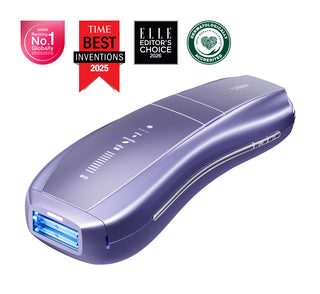
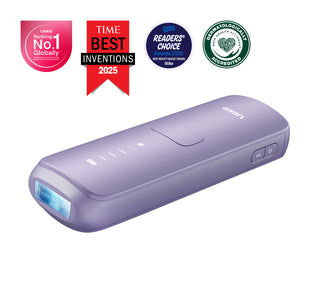


If you notice hairs “falling out” after using Ulike IPL, that’s often normal, and it can be a sign the treatment is doing its job. This isn’t sudden hair loss from your scalp. It’s treated body or facial hair loosening from the follicle over time. Results also depend on your hair color, your skin tone, and how closely you stick to the recommended schedule. IPL is more like turning off a light switch in stages, not all at once.
Why hair can shed after IPL (and why that is usually a good sign)
IPL targets melanin, the pigment in hair. When the light energy is absorbed, it turns into heat and weakens the follicle during the growth phase. Once that root connection is disrupted, the hair doesn’t always vanish on day one. It often stays “parked” in the pore until your skin naturally pushes it out.
This is why shedding happens in waves. Only some hairs are in the growth phase at any moment, so each session catches a new batch. If you want a quick refresher on the process, see How IPL hair removal works.
Shedding vs. regrowth: what “working” often looks like
Shedding can look confusing at first. You might see stubble that seems unchanged, then the hairs slide out when you gently rub the area after a shower.
Common signs IPL is on track:
- Hairs release easily with light exfoliation (don’t pick).
- Hair reduction looks patchy before it looks even.
- Regrowth returns slower and finer over a few weeks.
A realistic timeline: when does hair fall out after using Ulike?
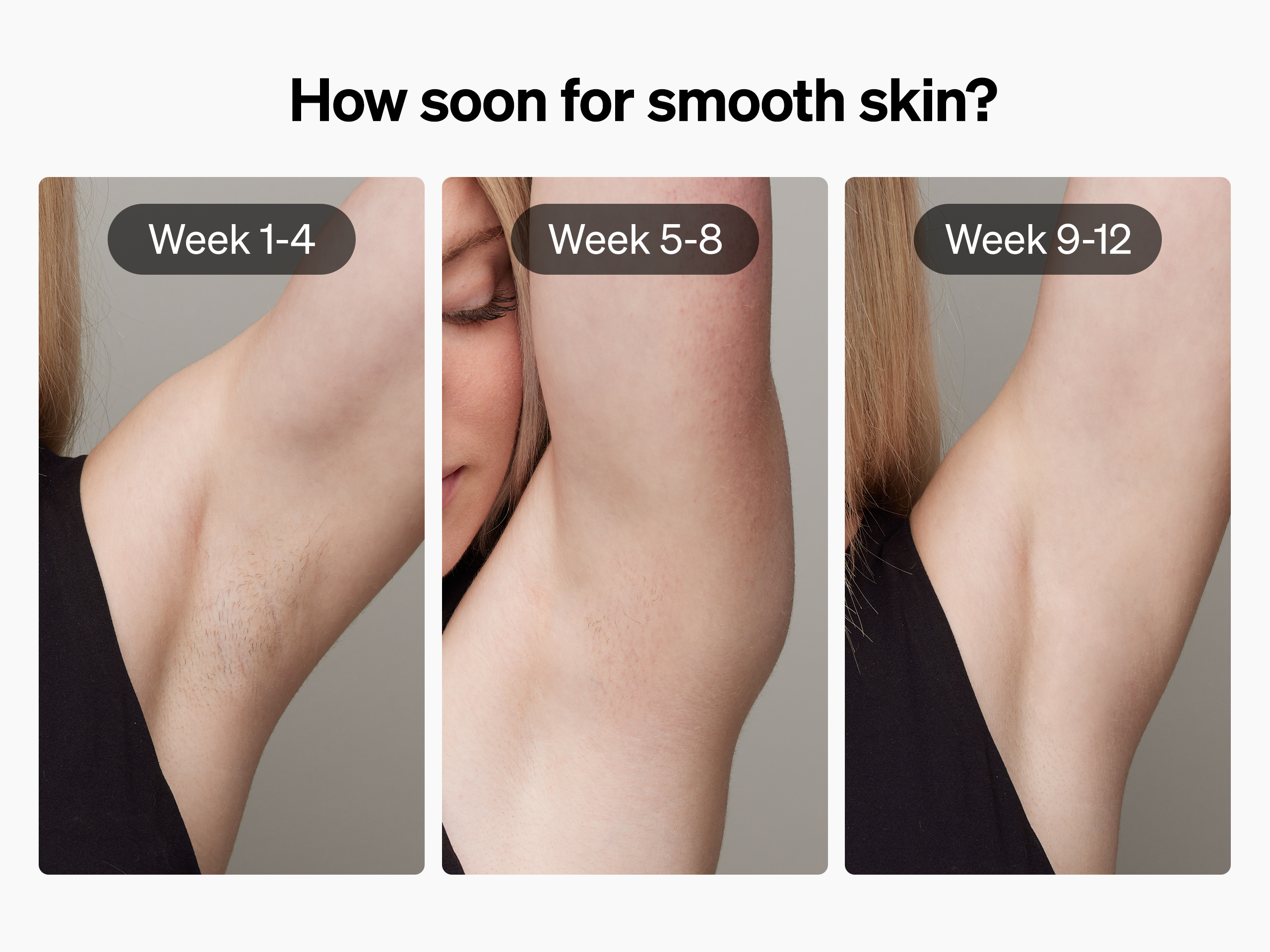
Most people don’t see hair fall out right away. A practical timeline looks like this:
- Days 1 to 7: Little change, skin may feel smooth from shaving.
- Weeks 1 to 3: Shedding often starts around days 7 to 10, and may peak near week 2.
- Weeks 3 to 4: Smoother stretches show up, regrowth slows.
- Weeks 4 to 12: Bigger reduction shows with consistent sessions and touch-ups.
Don’t judge IPL after one use. One session can’t catch every hair cycle.
Why you might not see shedding yet
No shedding doesn’t always mean failure. It can happen later because of hair cycle timing. Other common reasons include using too low an intensity, missing sessions, having very light hair, having very deep skin tone (device limits), shaving too far in advance, or treating such a small area that changes are hard to spot.
When hair falling out is not normal (and what to do next)
Mild warmth, brief redness, or a light tingling feeling can happen. Burns, blisters, strong swelling, or pigment changes that last are not normal.
Start with a patch test, use the right intensity for your comfort, avoid treating tanned or sunburned skin, and stop if irritation ramps up. For more detail, see IPL hair removal side effects explained.
Signs you should pause and get medical advice
- Blistering or burn-like pain
- Pus, fever, or spreading tenderness (infection signs)
- A widespread rash
- Dark or light patches that don’t fade
- Unexpected hair growth in new areas
Conclusion
Hair can fall out 1 to 3 weeks after Ulike IPL sessions, and that shedding is often a normal part of IPL hair reduction. Stay consistent, use settings that match your skin and hair, and give results time to build. Track sessions, protect treated skin with sunscreen, and pause right away if you see warning signs that don’t improve.