¿Hay gente que se arrepiente alguna vez de haberse sometido a la depilación láser? Un análisis detallado de por qué ocurre esto

Yes, some people regret laser hair removal. The regret usually isn’t because laser hair removal is “bad”, it’s because something didn’t match up, expectations, provider skill, settings, or how someone’s hair and skin respond.
Laser hair removal is best thought of as long-term hair reduction, not a promise that every single hair will disappear forever. For many people, it means less hair, slower regrowth, and smoother skin, with the option of touch-ups later.
This guide covers the most common regret reasons, red flags to watch for, and how to decide between in-clinic laser and at-home IPL so you can spend your money with more confidence.
What laser hair removal can and cannot do
In real life, “good” laser results often look like this: you shave less, stubble feels softer when it comes back, and some areas stay smoother longer than others. Many people finish a series of sessions and still have a little regrowth, just much less of it.
Most treatment plans take multiple sessions over several months. Hair grows in cycles, and laser works best when hair is in its active growth phase. That’s why one session can feel exciting, then the hair returns, it wasn’t a failure, it was the timeline.
Studies and clinic reports often show high satisfaction with laser hair removal (around 90 percent in some reviews) when people complete treatment. Many people also see major reduction after a full course (often described as 6 to 8 sessions), but the exact result varies by person.
Results depend a lot on:
- Hair color and thickness (darker, coarser hair often responds better)
- Skin tone and device settings (settings should match your skin)
- Hormones and the area treated (face and chin can be stubborn)
Why people expect “permanent” hair removal and feel disappointed
The word “removal” sets a trap. It sounds like painting a wall: one pass and you’re done. Laser is more like gardening. You reduce what grows, then you keep it under control.
Common expectation gaps include:
- Thinking one session will do the job
- Assuming every hair will vanish
- Not realizing hair can come back lighter or finer
- Getting surprised by patchiness, especially early on
- Not planning for maintenance sessions (some people want one every year or two)
Patchy regrowth can happen even with good treatment, because follicles don’t all respond the same way. That’s frustrating, but it’s also fixable in many cases.
Who tends to get the best results (and who might struggle)
Laser works by targeting pigment in the hair. In plain terms, contrast matters. When there’s a clear difference between hair color and skin tone, devices can “see” the target better.
People may struggle more if they have:
- Very light blond, red, gray, or white hair (less pigment to target)
- Hair that’s mostly fine “peach fuzz”
- Hormone-driven growth on the face, chin, or neck
Hormones can change results over time. Pregnancy, PCOS, and menopause can all affect regrowth. That doesn’t mean laser can’t help, it means you should plan for a realistic finish line and possible touch-ups.
The most common reasons people regret laser hair removal
Most regret comes from preventable issues. Think of it like buying shoes online. If you guess your size and skip reviews, you might hate them. If you measure, compare, and read the return policy, you usually end up happier.
Here are the top regret drivers.
They chose a low-quality clinic or an inexperienced provider
Laser is not a “set it and forget it” service. Settings matter, and so does training. Poor technique or outdated devices can lead to weak results, more discomfort, and higher risk of skin irritation or burns.
A solid clinic experience should include a real consult, not a quick sales pitch. Look for a provider who explains the plan in plain language, including what happens if results are uneven.
Quick pre-booking checklist:
- Credentials and oversight: Who does the treatment, and who supervises?
- Consult quality: Do they ask about hair history, tanning, meds, and skin sensitivity?
- Patch test: Will they test a small area first when needed?
- Device details: What type of laser is used, and why is it a fit for your skin?
- Treatment plan: How many sessions, how far apart, and what counts as “done”?
Side effects, discomfort, or uneven results caught them off guard
Some short-term side effects are common and usually pass quickly, like redness, mild swelling around follicles, and warmth or sensitivity. Aftercare matters because irritated skin plus heat plus sun can turn a small issue into a bigger one.
Less common problems can include burns, pigment changes (light or dark spots), or paradoxical hair growth (new growth in nearby areas). These are still uncommon, but the risk goes up when the candidate selection is off or the settings are wrong.
If you want fewer surprises, plan for:
- A low-key day after treatment for sensitive areas
- Gentle cleansing and fragrance-free moisturizer
- Sun avoidance and sunscreen on exposed areas
How to avoid regret before you book or buy anything
The best way to avoid regret is to decide what you actually want. Do you want hair-free skin forever, or do you want a big reduction so shaving becomes rare? Those are different goals, and they lead to different choices.
Also consider the emotional side. Some people later miss having body hair (yes, really), because styles, identity, and comfort change. If you’re unsure, start with a smaller area first.
Questions to ask at a consult so you know what you are paying for
Bring questions like these and listen for clear answers:
- How many sessions do you expect for my area, and how far apart?
- What results are realistic for my hair color and texture?
- What device will you use, and why is it right for my skin tone?
- Who performs the treatment, and what training do they have?
- How do you adjust settings over time?
- Do you do patch tests, and when?
- What’s your policy if I get a burn or strong reaction?
- What aftercare do you recommend (and what should I avoid)?
- If results are patchy, what’s the fix plan?
A consult should feel like a plan, not a mystery box.
Laser in a clinic vs. at-home IPL: which choice leads to fewer regrets?
In-clinic laser is higher power and done by trained staff, so it can work faster. At-home IPL uses lower energy light and depends on consistency, but it’s private, flexible, and often easier to budget.
A simple comparison helps:
| Factor | In-clinic laser | At-home IPL |
|---|---|---|
| Speed of results | Often faster | Gradual, needs routine |
| Control | Provider-controlled | User-controlled |
| Cost style | High total cost over time | Upfront device cost |
| Convenience | Appointments and travel | Use at home on your schedule |
| Regret risk | Higher if clinic quality is poor | Higher if you can’t stay consistent |
If you’re still deciding, this guide on comparing at-home IPL to professional laser hair removal can help you match the method to your goals.
If you already regret it: what you can do next
Regret doesn’t have to be the end of the story. In many cases, there’s a practical next step: adjust the plan, switch providers, or use a different method for maintenance.
Start with a simple review:
- Did you complete the recommended number of sessions?
- Were sessions spaced correctly, or did life interrupt the schedule?
- Did you avoid tanning and follow aftercare?
- Is the regrowth happening in a hormone-sensitive area?
Then decide whether you need a touch-up plan, a provider change, or a pause.
How to handle patchy regrowth, missed spots, or stubborn areas
Patchiness is one of the most common frustrations, and it’s often correctable.
What helps most:
- Track sessions: take photos in the same lighting, note dates and settings
- Be consistent: missed sessions can stretch the timeline a lot
- Ask about adjustments: stubborn zones may need different settings or timing
- Protect your skin: avoid tanning, use sunscreen, and keep aftercare gentle
Some people also choose trimming, waxing, or at-home IPL as a way to maintain results without restarting a full clinic package.
When to pause treatment and see a qualified medical professional
Stop sessions and get checked if you notice:
- Blistering or open skin
- Severe or worsening pain
- Signs of infection (spreading redness, pus, fever)
- Pigment changes that don’t fade over time
- Scarring or texture changes you’re worried about
Don’t “push through” a bad reaction. A pause now can prevent a longer problem later.
Conclusion
People do regret laser hair removal sometimes, but most regret comes from unrealistic expectations, a poor provider match, or choosing a method that doesn’t fit their skin and hair. The safest path is simple: get a consult, ask direct questions, plan for multiple sessions, and pick the option you can stick with.
If you’re on the fence, focus on your real goal, less hair, fewer shaves, or long-term maintenance, and choose the approach that supports that goal. The best results usually come from a plan you’ll actually follow, not a promise that sounds perfect.
Featured Products

Ulike Air 10
2 weeks to silky smooth skin.
96% Hair Density Reduction
The next-generation in simple,
lasting hair removal.

Best Underarm Hair Removal Options: What Should You Choose?

How Much Is Electrolysis Hair Removal? Let’s Break It Down

Laser to Remove Ingrown Hair: Does It Really Work?

Explore Beauty
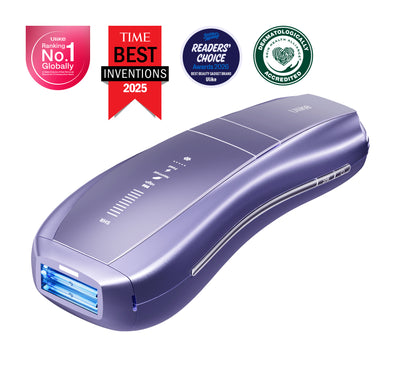
Ulike Air 10
2 weeks to silky smooth skin.
96% Hair Density Reduction in 2 Weeks
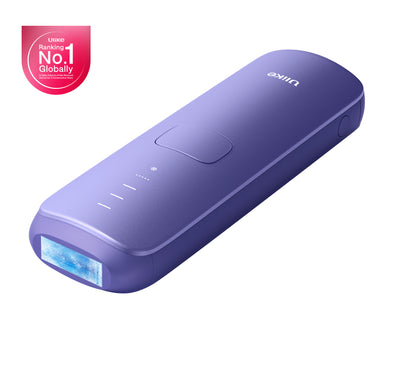
Ulike Air 3
3 weeks to silky smooth skin.
93% Hair Density Reduction in 4 Weeks
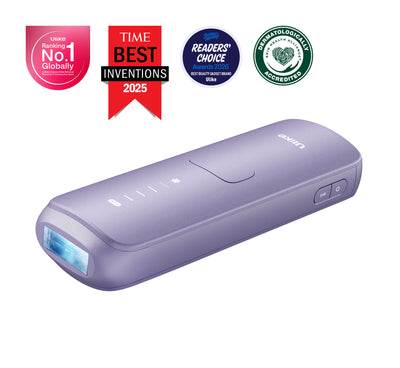
Ulike Air 4
4 weeks to silky smooth skin.
95.8% hair reduction in just 2 weeks*

Ulike Reglow
Clearer skin in 2 weeks: Fewer breakouts
Smoother skin in 4 weeks: Fewer lines, firmer feel