Depilación con IPL para bodas: un calendario realista para conseguir una piel suave y lista para las fotos

Wedding prep has a funny way of turning tiny details into big stress. Hair removal is one of those details, because it touches everything: engagement photos, showers, dress fittings, beach weekends, and the honeymoon.
IPL hair removal is a method that uses gentle pulses of light to slow hair regrowth over time. The key word is time. It takes multiple sessions, so starting early is the real secret.
That early start matters because it can mean fewer razor bumps, less last-minute rushing, and calmer skin when you're in sleeveless looks or close-up photos. It also helps that at-home IPL has matured a lot in recent years, backed by long-running research programs, broad safety certifications, and major global adoption. If you want a deeper refresher first, this ultimate IPL hair removal guide is a helpful place to start.
Is IPL hair removal a good choice for wedding season skin goals?

IPL tends to work best when there's contrast between hair and skin, because the light targets pigment in the hair. In plain terms, darker hair often responds better than very light blonde, red, gray, or white hair. If your hair is very fair, you can still explore options, but expectations should stay realistic.
For weddings, people usually focus on the areas that show up the most, or the areas that get irritated the fastest. Common choices include legs, underarms, the bikini line (the edges, not delicate inner areas), and smaller facial zones like the upper lip (only where your device allows).
Why do engaged couples like IPL during planning season? Because it fits busy schedules. You can do a session at home, then move on with your day. Over a full series, many people find they need less daily upkeep.
Here's what wedding prep can feel like with a consistent IPL routine:
- Smoother feel between shaves, so skin feels "done" more often
- Fewer ingrowns for many people who get bumps from shaving
- Less day-to-day maintenance, especially on trips and event weekends
- Results that can last for months after completing a full series (with occasional touch-ups)
The best wedding beauty plans reduce surprises. IPL is less about a quick fix, and more about calm, consistent progress.
IPL vs shaving vs waxing before the big day, what feels best and what lasts
Shaving, waxing, and IPL all "work," but they work in different ways. Shaving cuts hair at the surface, waxing removes hair from the root, and IPL aims to reduce regrowth over time.
A simple comparison makes the tradeoffs clearer:
| Method | What it's like | How long it lasts | Best time to use |
|---|---|---|---|
| Shaving | Quick, familiar, easy at home | Usually days | Great for last-minute touch-ups |
| Waxing/Sugaring | Smooth finish, but can sting | Often weeks | Best if you're not doing an IPL series |
| IPL hair removal | A routine, not a single session | Longer-term reduction after a series | Best when you can start early |
One important planning note: during an IPL routine, you generally shave before sessions, instead of waxing or plucking. That's because IPL needs the hair root in place to target regrowth. Waxing and plucking remove the root, which can make IPL less effective.
Comfort and safety basics people forget during wedding prep
First, always read your device instructions. At-home IPL isn't complicated, but details matter, especially when your skin barrier is already stressed from winter dryness, tanning plans, or new skincare.
Patch testing is also a must. Try a small area, then wait about 24 hours to see how your skin reacts. Mild warmth or slight redness can happen, but intense burning, blistering, or lasting irritation is a stop sign.
Sun habits matter, too. Tanning before or after sessions can raise the risk of irritation and uneven tone. Therefore, keep treated skin covered when you can, and wear daily SPF on exposed areas.
Also, some people should check with a clinician first, including those who are pregnant, taking medicines that increase sun sensitivity, or managing certain skin conditions. That isn't meant to scare you, it's just smart timing.
If you want a practical safety checklist, this page on IPL device safety tips is a good quick read.
A simple IPL hair removal timeline that actually works for weddings

When it comes to IPL hair removal for weddings, the timeline does most of the heavy lifting. Hair grows in cycles, so one session won't catch everything. That's why most plans use multiple sessions, spaced out over time.
A common approach is treatments about every 4 to 6 weeks, often totaling 6 to 12 sessions depending on the area, hair thickness, and your device's schedule. (Some at-home devices suggest a different cadence, so always follow the manual.) Many people notice slower regrowth and some shedding after several sessions, often around the fourth treatment, although results vary.
The most helpful mindset is this: think of IPL like training for a big event. You don't cram the night before. You show up regularly, and the payoff builds.
If you're treating large areas like legs, start earlier than you think you need. It's the easiest way to keep wedding week calm.
Wedding countdown plan from 12 months out to the honeymoon
Here's a simple countdown you can copy into your calendar. Adjust it to your device and your skin.
- 9 to 12 months out: Start your full routine, especially for legs and bikini line. Build consistency, and take progress photos in the same lighting.
- 6 to 9 months out: Stay steady. This is where a lot of the change adds up, even if it feels slow week to week.
- 3 to 6 months out: Finish your main series for priority zones, then focus on what matters most for your outfits and travel plans.
- 1 to 3 months out: Shift into maintenance and touch-ups. Keep exfoliation gentle and consistent once skin feels normal.
- 1 to 2 weeks out: Consider pausing IPL if you're prone to redness. Stick to shaving if you need a quick clean-up.
- Wedding week: Keep skin calm. Moisturize, skip harsh actives on treated areas, and avoid new products "just in case."
Consistency beats intensity here. Going too hard too fast usually backfires, especially with sensitive wedding-season skin.
If your wedding is soon, how to get the best results with less time
If you have three months or less, you can still make progress, but you'll want to be strategic. First, focus on smaller, high-impact areas like underarms or bikini edges, since they're easier to treat consistently and faster to notice.
Second, set a realistic goal. With a short runway, you may get some reduction and smoother regrowth, not a full "forget shaving" finish.
Finally, consider a hybrid plan if it fits your life. Some people do professional treatments early, then use at-home IPL for maintenance. Just don't introduce a brand-new routine during wedding week. That's when skin throws tantrums.
How to use IPL at home without irritation, step by step
A good at-home routine should feel boring, in the best way. When you repeat the same simple steps, you're less likely to irritate your skin right before an event.
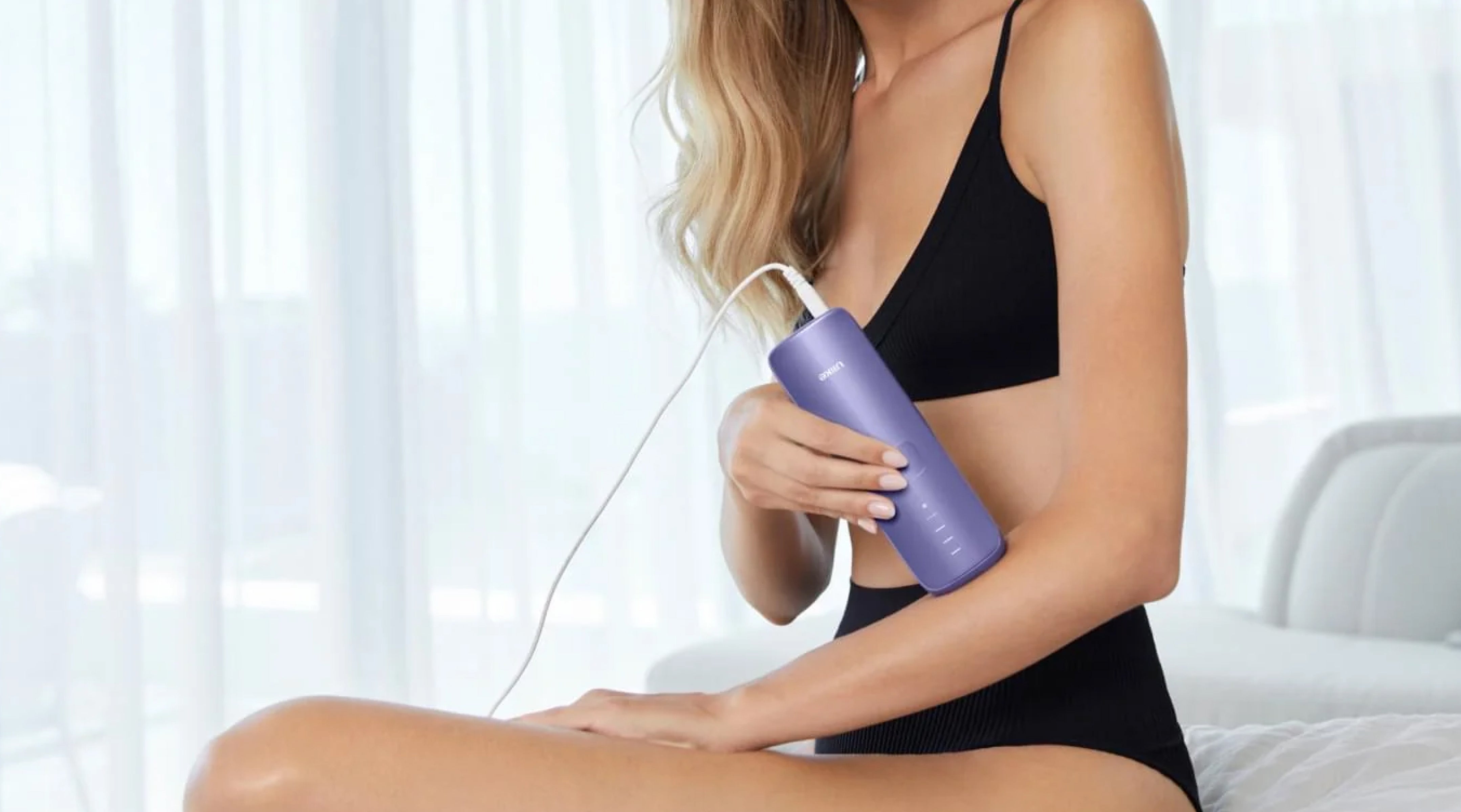
A basic flow looks like this: shave, cleanse, dry, treat, moisturize.
Start by shaving the area (usually the day of, or the day before if you're sensitive). Next, wash off any deodorant, perfume, sunscreen, oil, or lotion. Dry skin helps the device sit flush and work evenly.
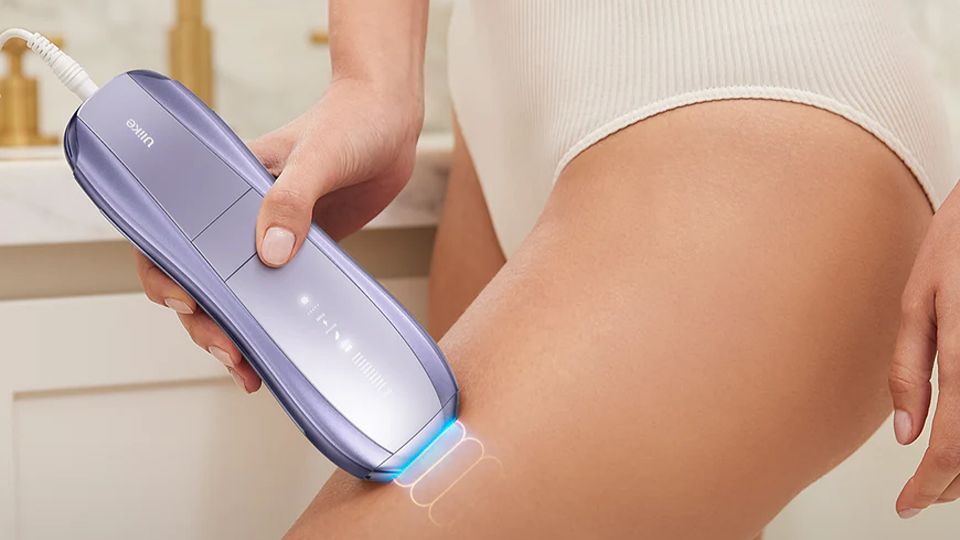
Then use a comfortable setting, especially at first. Many newer devices also include comfort and guidance features like cooling surfaces or skin contact sensors. Those features can help you stay consistent during busy wedding months, because sessions feel easier to finish.
For a more detailed walkthrough, this step-by-step IPL usage guide breaks the routine down clearly.
Pre-session checklist for legs, underarms, and bikini line
Use this quick checklist to keep sessions smooth and predictable:
- Shave 12 to 24 hours before if you're easily irritated
- Keep skin clean and fully dry, no lotion or deodorant on the area
- Start at a comfortable level, then increase slowly over time
- Move in even passes, and avoid heavy overlap in one spot
- Skip self-tanner, and never treat sunburned skin
- If you flush easily, avoid hot workouts right after your session
For the bikini line, stay on the outer edges you'd normally shave. Be cautious around delicate skin, and follow your device's approved treatment zones.
Aftercare that keeps skin calm for photos and events
Aftercare should feel like soothing, not "fixing." Apply a simple moisturizer, and avoid harsh scrubs right after a session. If you use strong acids or retinoids, give the treated area a break for a day or two, depending on how your skin feels.
A couple times a week, gentle exfoliation can help reduce ingrowns once your skin is back to normal. Sun protection matters here as well, especially if you're doing bridal showers outdoors or traveling for your honeymoon.
Mild redness can feel like a light warmth, similar to a short workout flush. However, if you feel sharp pain, see blistering, or notice swelling that doesn't calm down, stop and get medical advice.
Picking an IPL device for wedding prep, what matters most

Choosing a device can feel like picking a venue. Everything starts to blur after the fifth comparison tab. So, keep your standards simple and wedding-focused.
Start with safety and credibility. Look for clear product safety certifications, practical instructions, and built-in guidance that helps prevent user error. Some brands also back their devices with large patent portfolios and years of focused IPL research, which often shows up as better comfort, better consistency, and clearer user education.
Next, think about comfort. If sessions hurt, you'll skip them. Cooling contact surfaces, skin-sensing guidance, and modes for sensitive zones can make it easier to stick to your schedule, especially when you're tired from planning.
Speed matters, too. A wider treatment window can make legs less of a chore. Meanwhile, smaller precision windows help with underarms and bikini edges.
Finally, reduce shopping stress with the boring but helpful stuff: a solid warranty, an easy return window, responsive support, and shipping that arrives when it says it will. Those perks matter when you're juggling dress fittings, travel bookings, and family group chats.
Ulike highlights many of these trust markers across its brand story, including a long IPL research track record, a large global patent count, broad product safety certifications, and wide international sales reach. It also leans into practical wedding-season support, like fast shipping, flexible payment options, 24/7 customer care, a 2-year warranty, and a 100-day money-back window, which can make commitment feel a lot less intimidating.
Conclusion
IPL hair removal can be a great wedding prep choice, but it's a process. Start early, stay consistent, and remember the golden rule: shave, don't wax during your series. Protect your skin from sun, and pause a week or two before the wedding if you're prone to redness. Focus on the areas that matter most to you, not what anyone else says you "should" do. Set calendar reminders for your sessions, and do a patch test this week so you can move forward with confidence.
Featured Products

Ulike Air 10
2 weeks to silky smooth skin.
96% Hair Density Reduction
The next-generation in simple,
lasting hair removal.
What Is Laser Hair Removal? How It Works and What to Expect
Is Lazer Hair Removal Bad for Your Skin? What to Know
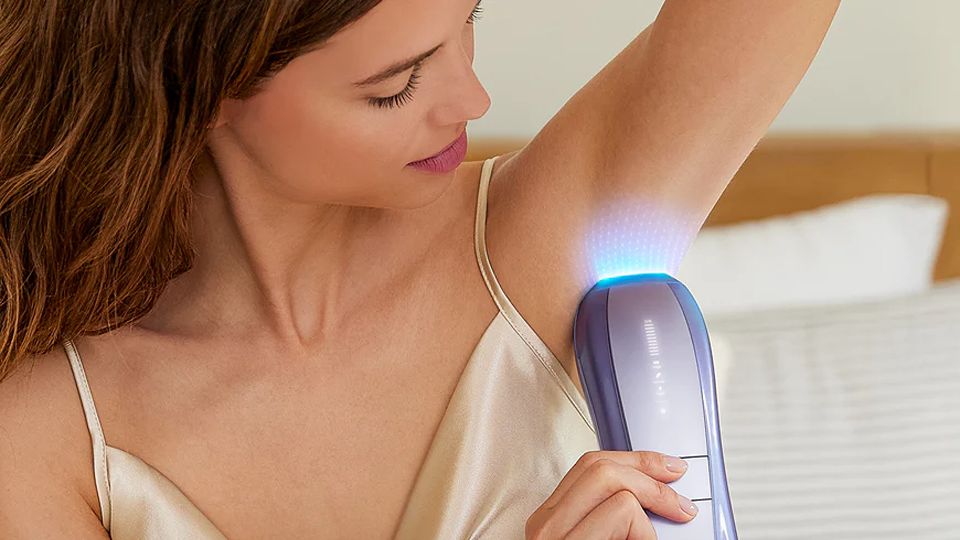
How Many Sessions for Laser Hair Removal Do You Need?

Explore Beauty
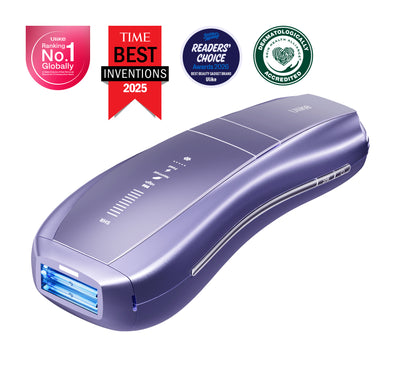
Ulike Air 10
2 weeks to silky smooth skin.
96% Hair Density Reduction in 2 Weeks
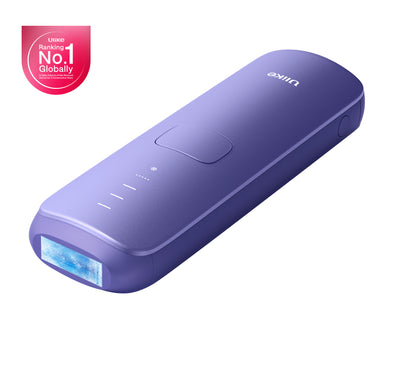
Ulike Air 3
3 weeks to silky smooth skin.
93% Hair Density Reduction in 4 Weeks
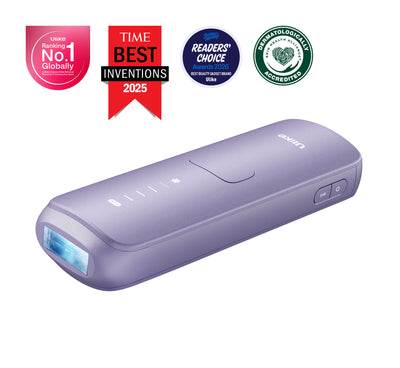
Ulike Air 4
4 weeks to silky smooth skin.
95.8% hair reduction in just 2 weeks*
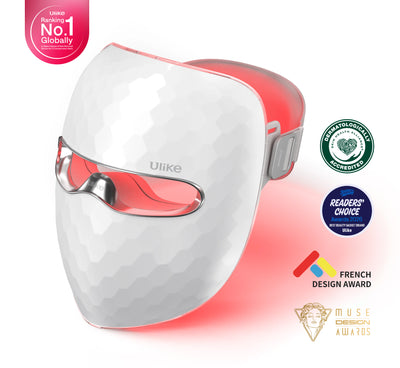
Ulike Reglow
Clearer skin in 2 weeks: Fewer breakouts
Smoother skin in 4 weeks: Fewer lines, firmer feel