Eliminación de las patillas con IPL: seguridad, sesiones y resultados reales

Sideburn hair is a small detail until it starts catching your eye in every mirror. If you're considering IPL sideburn removal with IPL hair removal, this area can respond well, but it needs more care than legs or underarms.
The reason is simple. Sideburns sit close to the eyes, the ear, and the hairline, and the facial hair there often changes texture across a very small space. A careful plan matters more than speed, so it helps to know when IPL fits and when it doesn't.
Key Takeaways
- IPL sideburn removal works best with dark hair on light skin due to melanin targeting; precision matters near eyes, ears, and hairline to avoid unsafe areas.
- Choose devices with small facial attachments, skin sensors, and cooling for better control; always follow manuals for facial use, skin tone charts, and placement rules.
- Expect 8-12 at-home sessions for noticeable, long-term reduction, with maintenance every few weeks; shave between sessions, not wax or tweeze.
- Safety first: patch test, prep skin properly, avoid sun/tanning/actives, and use sunscreen; consider clinic for dense hair, tricky tones, or proximity to eyes.
- Aftercare includes moisturizing, cool compresses for redness, and no overlapping flashes to prevent irritation.
Is IPL a good choice for sideburn hair?
Intense pulsed light (IPL) uses pulses of light energy that target the melanin in the hair. Because of that, sideburn hair tends to respond best when there's a clear contrast between hair and skin. According to WebMD's IPL overview, people with lighter skin and dark hair usually see the best response.
Color limits matter. Blond, red, gray, and white hairs often don't absorb enough light for strong results. Very fine vellus hair can also be a poor match, even if it looks darker in some lighting. On sideburns, that matters because the lower area may be coarse terminal hair while the upper edge turns softer and finer.
Skin tone matters just as much. Some newer devices cover a wider range, but none are universal. Always check the brand's skin tone chart, and remember that recent tanning can change what setting is safe.
Sideburn placement adds another layer. If the hair reaches high toward the temple or close to the eye socket, the safe treatment zone may be smaller than you hoped. In addition, the border between sideburn and scalp hair can be easy to blur. That can be good if you want a cleaner outline, but it can be a problem if you accidentally treat hairs you meant to keep.
What to look for in a sideburn-friendly device
A good home IPL device for sideburns isn't only about power. On the face, control is the bigger advantage.
A smaller treatment window, or a dedicated facial attachment, makes it easier to stay off the hairline and away from the ear. Built-in skin sensing can add a layer of caution, while cooling can make the pulse of light easier to tolerate. When the treatment feels calmer, it's easier to place each pulse carefully.
Window shape matters too. A wide head can clip into the hairline on one side while missing the lower edge on the other. A compact head usually lets you keep a cleaner line, which is important when a few millimeters change the shape of your sideburn.
The manual matters as much as the hardware. Look for an explicit facial-use section, a clear skin tone compatibility chart, and a note about whether the device allows men's facial hair. Some products say "face-safe" but still limit use near the beard area or higher on the cheeks.
If you're sorting through features, this guide to at-home IPL devices for facial hair removal can help you compare facial attachments, cooling, and safety details. For sideburns, single-flash control is often better than fast glide mode. A tiny patch near your temple isn't the place for speed.
Safety matters more on the sideburn area
Not every IPL device that works on body hair should go near your sideburns. Use a device that clearly allows facial treatment, then follow its placement rules exactly. Some brands permit use on sideburns, cheeks, upper lip, and chin. Others limit facial treatment to areas below the cheekbones.
If your manual says "below the cheekbones only," don't move the flash higher to catch a few extra hairs.
When you work this close to the face, the main rule is simple: keep well away from the eyes and eyebrow area. You also need to stay off the scalp hairline unless you want less hair there. Shaping the treatment area can look easy in the mirror, yet a sloppy pass can thin a border you meant to keep.

Before your first session, do a few basics. Trim or shave the hair so the light targets the follicle instead of singeing long surface hairs. Clean and dry the skin, and remove makeup, sunscreen, self-tanner, and oils. Then do a patch test and wait the amount of time listed in the manual, often around 24 hours.
Start low if your device recommends it, especially for sensitive skin, then move up only if your skin handles it well. Skip IPL over moles, tattoos, irritation, sunburn, or active breakouts. Philips' facial IPL guidance also warns against treating directly on or near moles, freckles, and permanent makeup.
A little prep makes the session easier. Clip loose hair back, hold the ear clear, and work in small sections. Comfort features can help, but they don't replace caution. Full skin contact, steady placement, and no repeated flashes on the same spot still matter most.
What results look like on sideburns
Sideburn sessions are quick because the area is small. Results, however, take time because hair grows in a growth cycle. One treatment only catches hair follicles that are in the anagen phase, the active growth phase, at that moment.
Many people need around 8 to 12 at-home sessions before sideburn hair looks clearly reduced for long-lasting results. Some notice shedding or slower hair regrowth sooner. Others need more time, especially if the hair is dense, coarse, or affected by hormonal imbalance. Follow the schedule in your manual, because some devices call for weekly sessions at first and wider spacing later.
The change is rarely even at the start. A few hairs may keep growing while others return thinner or slower. That's normal on facial areas with mixed hair types. After the first round of treatments, most users need maintenance treatments every few weeks or months.
Skin can also react in mild ways. Short-term warmth or pinkness is common for some people. SELF's IPL safety guide notes that tanning, recent UV exposure, and active skincare like retinoids can raise sensitivity, so timing matters. If you get strong stinging, blistering, or lasting color change, stop and get medical advice before you continue.
Shaving between sessions is fine. Waxing, tweezing, and threading can slow progress because they remove the hair the light needs to target.
At-home IPL devices versus in-clinic treatment
Both options can make sense for permanent hair removal, but they fit different situations. At-home IPL offers privacy, lower long-term cost, and the freedom to treat on your own schedule. Clinic treatment gives you stronger equipment and professional judgment, which can matter on a narrow facial zone.
This quick comparison helps put the trade-offs in context.
| Factor | Home IPL device for sideburns | In-clinic treatment |
|---|---|---|
| Cost | Lower after the device purchase | Higher per visit |
| Session count | Often more sessions | Often fewer sessions |
| Precision | Depends on your technique | Guided by a professional |
| Convenience | Easy to fit into your routine | Requires appointments |
| Best fit | Small patches and touch-ups | Dense growth or tricky cases |
The table shows the pattern clearly. Home treatment wins on convenience. Clinic treatment wins on oversight.
If your skin tone sits near the edge of a device chart, if the sideburns run close to the eye area, or if you have a history of pigmentation changes, a clinic consult may be the better first step. Many clinics use laser rather than IPL, and the American Academy of Dermatology's laser hair removal FAQs explain why provider skill matters for safety.
Home IPL can still be a solid option when the area is small, your hair and skin are a good match, and you don't mind staying consistent. If you want more background on how clinic laser compares with home light-based devices, this article on IPL and laser hair removal for faces gives useful context.
One more note for men: read the manual with extra care. Some home devices allow facial use but exclude male beard-area hair because it can be denser and harder to treat. Don't assume "face-safe" applies to every kind of facial hair.
Aftercare that helps, and mistakes that slow you down
Treat the sideburn area like skin that may be a little warm and touchy after each session. Use a plain moisturizer if your device permits it, avoid harsh scrubs, and wear sunscreen on exposed skin to avoid sun exposure damage. Because this part of the face sees daylight often, daily SPF is part of good aftercare.
If the skin looks pink, a cool compress can help, and it's smart to wait until redness settles before putting makeup back on. Small steps like that can keep a mild reaction from turning into a longer irritation cycle.
A few habits make a real difference:
- Avoid direct sun, tanning, and strong actives such as retinoids or exfoliating acids around treatment days.
- Don't overlap flashes too much because extra passes can irritate the skin without speeding results.
- Keep using shaving or trimming between sessions instead of waxing or tweezing; proper shaving habits and correct IPL technique help prevent ingrown hairs.
- Pause if irritation lingers, then re-check the manual before your next attempt.
Consistency works better than aggression. Sideburns usually respond to calm, well-placed sessions, not the highest setting you can tolerate. If the area feels hard to target safely, that's useful information. A smaller device head, a clinic visit, or a different hair removal method may fit you better.
Frequently Asked Questions
Is IPL a good choice for sideburn hair?
IPL targets melanin in hair, so it responds best to dark hair on light skin with clear contrast. Finer, lighter, or vellus hairs near the hairline may not reduce as well. Always check your device's skin tone chart, as recent tanning or darker tones can limit safe settings.
What should I look for in a sideburn IPL device?
Prioritize small treatment windows or facial attachments for precise placement away from eyes and hairline. Features like skin sensing, cooling, and single-flash control help with safety and comfort. Review the manual for explicit facial guidelines, including any limits on men's facial hair.
How many sessions does sideburn IPL take?
Most need 8-12 weekly sessions initially for reduced regrowth, as only active-growth hairs respond each time. Results vary by hair density and cycle; follow your device's schedule, then space maintenance every few weeks. Shaving between helps track progress without disrupting follicles.
Home IPL or in-clinic for sideburns?
Home devices offer convenience and cost savings for small areas if your skin/hair match well, but require steady technique. Clinics provide stronger equipment and pro oversight for precision near eyes or tricky tones. Start with a consult if unsure about safety or pigmentation risks.
What's the best aftercare for IPL sideburns?
Apply plain moisturizer and sunscreen daily, avoiding sun, tanning, or actives like retinoids around sessions. Use cool compresses for redness and skip makeup until settled. Pause if irritation persists, and never overlap flashes or treat over moles/irritated skin.
Final thoughts
IPL hair removal can work well on sideburns, a common area of facial hair, when the hair color, skin tone, and device rules line up. The best outcome usually comes from careful placement, steady sessions, and real respect for facial safety zones.
Because this area sits so close to the eyes and hairline, precision matters more than speed. If you stay inside the manual, keep your expectations realistic, and choose another option when your skin or hair type isn't a good match, you'll make a smarter and safer choice.
Featured Products

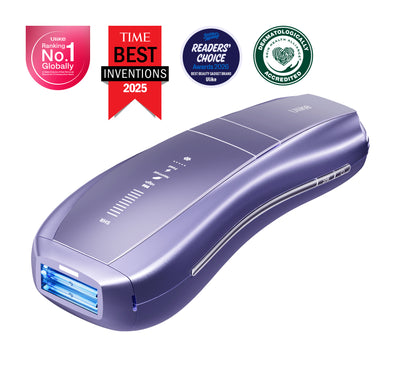
Ulike Air 10
2 weeks to silky smooth skin.
96% Hair Density Reduction
The next-generation in simple,
lasting hair removal.

How to Switch from Plucking Chin Hair to IPL

Electrolysis vs Laser Hair Removal: Which Is Better?
Best Female Facial Hair Remover: Which One Suits You?

Explore Beauty
Ulike Air 10
2 weeks to silky smooth skin.
96% Hair Density Reduction in 2 Weeks
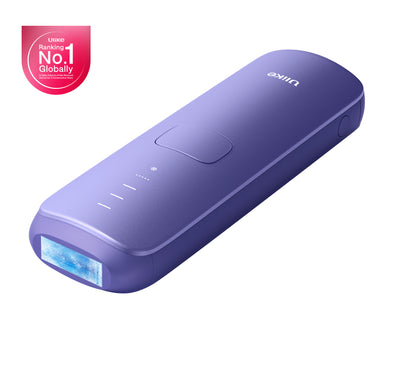
Ulike Air 3
3 weeks to silky smooth skin.
93% Hair Density Reduction in 4 Weeks
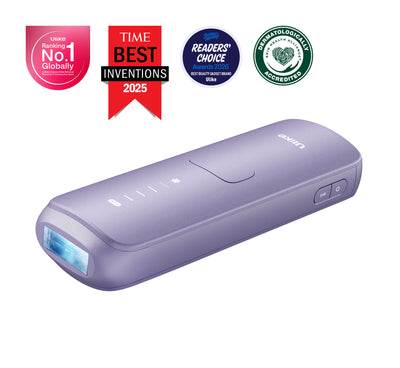
Ulike Air 4
4 weeks to silky smooth skin.
95.8% hair reduction in just 2 weeks*
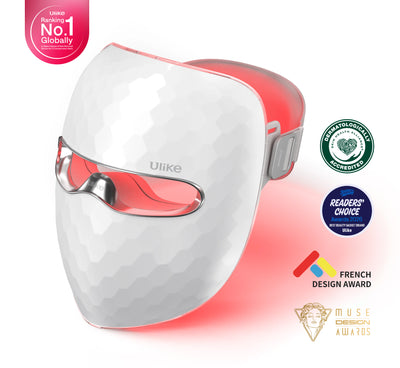
Ulike Reglow
Clearer skin in 2 weeks: Fewer breakouts
Smoother skin in 4 weeks: Fewer lines, firmer feel