Depilación del abdomen con IPL: seguridad, resultados y uso adecuado

Dealing with abdominal hair can be a small concern that occupies too much headspace. If you are currently researching IPL stomach hair removal, the good news is that this area is typically easy to reach and straightforward to treat. Successfully achieving smooth skin depends on a careful match between your skin tone, your hair color, and the specific device or clinic you choose.
It is helpful to understand that intense pulsed light is not identical to laser hair removal. Because these technologies function differently, learning what IPL can realistically do, identifying common obstacles, and knowing when it is better to wait will help you get the best possible results.
Key Takeaways
- Assess your candidacy: IPL is most effective on dark hair against lighter skin tones; it is generally ineffective on red, blond, gray, or white hair and may require professional guidance if hair growth is hormone-driven.
- Prioritize consistency over intensity: Results rely on treating hair during its active growth phase; adhere to a regular schedule as outlined by your specific device manual rather than attempting to speed up results by using higher settings.
- Prep and safety are mandatory: Always shave before treatments—never wax or pluck—and conduct a patch test 24 to 48 hours prior to your first full session.
- Avoid sensitive areas: Never use IPL over tattoos, moles, or sunburned skin, and consult a healthcare professional before starting if you are pregnant, breastfeeding, or taking photosensitive medications.
How IPL works on stomach hair
IPL, or intense pulsed light, is a popular method for reducing unwanted body hair. The device sends broad flashes of light into the hair shaft, where the pigment, known as melanin, absorbs the energy. This light energy converts to heat, which travels down to the hair follicles to weaken them over time. As a result, hair grows back slower, finer, and sometimes ceases to grow for long stretches.
While many people use the terms interchangeably, it is important to understand that IPL and laser hair removal are different. A laser uses a single, focused wavelength, whereas IPL uses a broad band of light. In clinical settings, both methods can effectively reduce hair, but the settings, precision, and skin matching technology vary significantly. At-home IPL devices typically use lower energy than professional clinic machines, which makes them feel gentler but requires more consistent sessions to achieve the desired outcome.

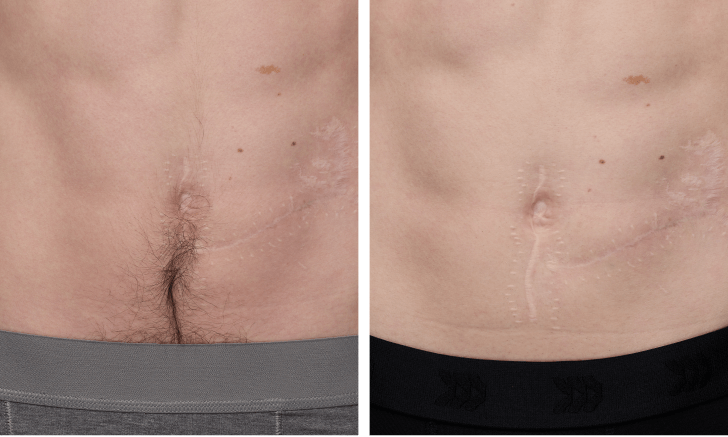
The stomach is often an ideal area for IPL because it is flat, visible, and easy to shave in preparation for treatment. Keep in mind that dark coarse hair around the navel, which is often hormone-driven, may take longer to respond to treatment than the fine fuzz found across the upper belly.
Because your hair follows a natural hair growth cycle, you will only affect follicles that are in the active phase during each treatment. This is why consistent, multiple sessions are required to see visible results. Most people need a series of treatments followed by occasional touch-ups. If you expect instant, permanent smoothness after only two uses, IPL will feel disappointing. However, if you are looking for steady, long-term hair reduction, it is a highly effective approach.
Who tends to see the best results
IPL works most effectively when there is a strong contrast between hair color and skin tone. The technology performs best on dark brown or black hair against light to medium skin, which falls within the lower range of the Fitzpatrick scale. Some modern at-home IPL device models now support a wider variety of skin tones and incorporate advanced skin sensor technology to automatically adjust settings for safety, but they still have technical limitations. Always consult the device guide for your specific skin tone rather than guessing.
Very light blond, red, gray, or white hair often does not respond well because there is insufficient pigment for the light energy to target. While terminal hair, which is the coarser variety found on the belly, typically responds well to treatment, fine vellus hair or peach fuzz is often stubborn. In these cases, increasing the number of flashes will not improve your results and may only raise the risk of skin irritation.
Hormones also play a significant role. If your stomach hair suddenly becomes thicker or denser, or if that change is accompanied by acne, scalp shedding, or irregular periods, you should consult a healthcare professional. Underlying conditions such as PCOS can drive ongoing hair growth, meaning that even a consistent IPL routine may require frequent maintenance sessions.
Device quality also impacts the overall experience. Features like reliable skin sensors, a comfortable treatment window, clear instructions, and integrated cooling systems make sessions much easier on sensitive skin. If you are currently comparing different handsets, this guide to the best at-home IPL hair removal devices is a helpful resource for understanding how these features vary between models.
At-home IPL or clinic treatment?
The stomach is a versatile area that often responds well to both professional and home-based methods for body hair removal. At home, the primary benefits include privacy, convenience, and a lower long-term cost. A clinic, however, provides professional skin screening, high-powered equipment, and an expert to monitor your skin response throughout the process.
Before you book an appointment, it is important to clarify whether the clinic uses IPL or a diode laser. Many people use these terms interchangeably, but they are not the same. A diode laser is often more effective for specific hair types and skin tones, while professional IPL remains a solid option for achieving permanent hair reduction in the right candidate.
This quick comparison helps:
| Option | Best for | Main upside | Main watch-out |
|---|---|---|---|
| At-home IPL | Mild to moderate stomach hair, regular upkeep, budget-conscious users | Lower cost over time, easy access, private use | Results are slower and technique matters for long-term results |
| Clinic IPL or diode laser | Coarser hair, darker skin tones, past sensitivity, faster oversight | Custom settings and professional evaluation | Higher cost and the need for repeated appointments |
If you want a faster shortlist before buying, this round-up of top 5 IPL hair removal devices can save time. If you lean toward professional treatment, SELF's IPL safety overview encourages readers to consult a board-certified dermatologist or a technician who is properly certified in their state.
Before your first clinic session, ask what device they use, whether they test a small area first, and how they adjust settings for different skin types to ensure safe, permanent hair reduction. Clear answers are a good sign. Vague responses, pressure to buy a large package, or a lack of discussion regarding potential side effects are reasons to walk away.
Safety rules that matter on the stomach
Always start with a patch test on a small area and wait at least 24 to 48 hours. Before your session, you must shave the area rather than waxing. Shaving keeps the hair root intact, which is essential for the IPL light to effectively target the follicle while helping to prevent painful ingrown hairs. After shaving, clean off all lotion and body oil, and treat only dry skin. If you are using an FDA cleared device, begin on a lower setting or utilize the sensitive mode, which is particularly helpful for the delicate skin of the stomach. For added comfort during your session, features like sapphire ice cooling can help soothe the skin and reduce potential heat sensations.
Do not flash over tattoos, dark moles, broken skin, active rashes, or sunburned areas.
This safety rule is vital on the stomach, where tattoos, freckles, stretch marks, and pigmented spots are common. Always work around these areas. Stay clear of nipples and genital skin as well. If a large mole sits in the treatment zone, skip that area entirely and consult a dermatologist if you are unsure.
Sun exposure is another major concern. Tanned skin holds more pigment, which causes the device to create more heat at the surface. You should skip treatment if you are sunburned or freshly tanned, and avoid using self-tanner before your sessions because it can confuse the device's skin sensors.
Pregnancy requires extra caution. Most manufacturers of home devices and many clinics recommend waiting until after pregnancy. This is not because harm is proven, but because safety data is limited and hormone shifts can significantly change both hair growth patterns and skin sensitivity. The same delay is often advised if you are breastfeeding and notice that your skin feels more reactive than usual.
Medication is also a significant factor. Some antibiotics, isotretinoin, retinoids applied to the body, certain diuretics, and even St. John's wort can increase photosensitivity. Always check the medication insert or ask your pharmacist or prescriber before beginning your IPL routine. Helpful resources, including KetchBeauty's stomach hair removal tips, also stress the importance of patch testing and keeping IPL pulses away from tattoos.
Stop treatment and seek professional advice if you notice blistering, crusting, worsening pain, swelling, pigment changes, or redness that lasts more than two days. Seek prompt medical care if a mole changes appearance, a rash spreads, or the area begins to look infected.
What a realistic routine looks like
Most at-home plans start with one session every week or every two weeks for the initial phase of your treatment plan. Because the exact timing depends on the device, always follow the manual rather than copying someone else's schedule. Hair usually sheds gradually, and as regrowth slows, you can shift toward occasional maintenance sessions to keep the area smooth.
Before each session, stick to shaving rather than waxing or plucking. IPL needs the hair root in place to target pigment below the skin effectively. After treatment, a cool compress and a fragrance-free moisturizer can help soothe the skin. If the area feels warm, skip hot baths, tight waistbands, hard workouts, and fragranced body products until the skin settles. As you become more comfortable with the device, you may begin adjusting intensity levels to find what works best for your skin as it builds tolerance.
Patience matters throughout this process. Belly hair often shows visible improvement over 8 to 12 weeks, but that timeline is not fixed. Coarse hair around the navel may require more time, and hormonal hair may grow back faster. It also helps to take a photo every few weeks in the same lighting, since day to day changes are easy to miss.
If you have used a device correctly for a few months and see no reduction at all, the match may be wrong for your hair or skin, or you may need a professional assessment. For readers who may not be good candidates for IPL, Healthline's guide to belly hair removal options compares shaving or waxing, depilatories, clinic laser, and electrolysis. The best plan is the one your skin can tolerate and you can stick with safely.
Frequently Asked Questions
Is IPL safe for the stomach area?
Yes, the stomach is generally a safe and easy area to treat because it is flat and easily accessible. However, you must carefully avoid flashing the light over tattoos, dark moles, or broken skin and should always perform a patch test first to ensure your skin reacts well to the device.
Can I wax my stomach hair between IPL sessions?
No, you should only shave the area before your IPL sessions. IPL works by targeting the pigment in the hair root, so pulling the hair out by the root via waxing or plucking renders the treatment ineffective.
Why am I not seeing results on my stomach hair?
Results often take 8 to 12 weeks of consistent treatment, so patience is key. If you still see no change, your hair may be too light for the device, you may have an underlying hormonal imbalance, or you may need a more powerful, professional-grade laser treatment instead.
Should I avoid IPL if I have a hormonal condition like PCOS?
Hormonal conditions can cause persistent hair growth that is resistant to standard IPL routines. While you can still use IPL, you should consult a doctor first and understand that you will likely require more frequent maintenance sessions to manage the hormonal regrowth.
Final thoughts
Stomach hair is often one of the easier areas to treat with IPL, but easy access does not remove the need for caution. The biggest factor for success is not simply using the highest setting on your device. Instead, it is whether your hair color, skin tone, hormone pattern, and device quality make intense pulsed light a good match for your needs.
When the fit is right, steady sessions can thin hair and cut down on regular upkeep. When the fit is poor, pushing harder usually leads to irritation rather than better results. While many people weigh the pros and cons of at-home devices against professional laser hair removal, the best outcome is always achieved through patience and consistency. Ultimately, choosing the right body hair removal approach leads to smooth skin and long-term satisfaction, provided you prioritize comfort and safety over a rushed routine.
Featured Products

Ulike Air 10
2 weeks to silky smooth skin.
96% Hair Density Reduction
The next-generation in simple,
lasting hair removal.

How to Switch from Plucking Chin Hair to IPL

Electrolysis vs Laser Hair Removal: Which Is Better?
Best Female Facial Hair Remover: Which One Suits You?

Explore Beauty
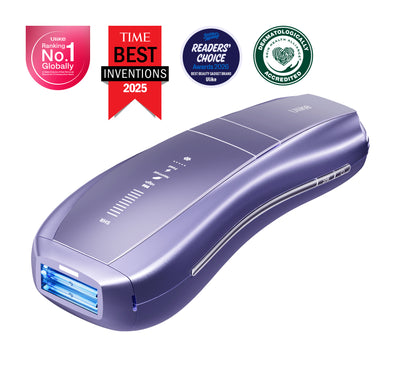
Ulike Air 10
2 weeks to silky smooth skin.
96% Hair Density Reduction in 2 Weeks
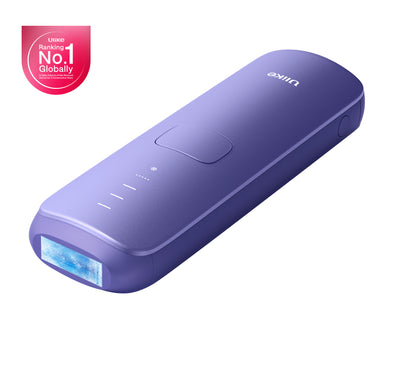
Ulike Air 3
3 weeks to silky smooth skin.
93% Hair Density Reduction in 4 Weeks
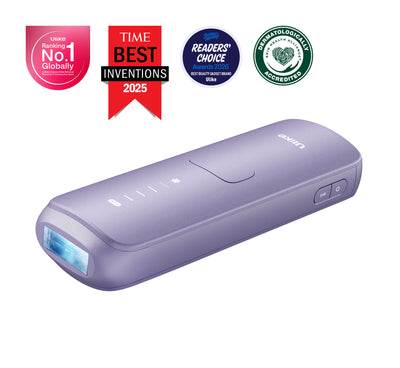
Ulike Air 4
4 weeks to silky smooth skin.
95.8% hair reduction in just 2 weeks*
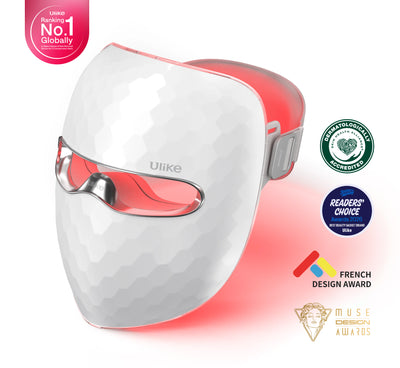
Ulike Reglow
Clearer skin in 2 weeks: Fewer breakouts
Smoother skin in 4 weeks: Fewer lines, firmer feel