 Ulike ReGlow Pro★ 5.0 (511)


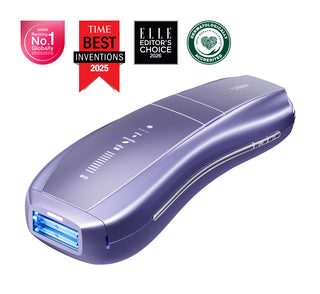
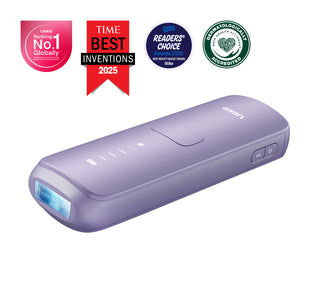


Table of Contents
If you're shopping for the best IPL hair removal device under $200 in 2026, the Ulike Air 3 drops into the $200 range during a promotion. It becomes the clear frontrunner — thanks to its Sapphire cooling technology, broader skin tone compatibility, faster treatment sessions, and a significantly higher flash count for long-term use. The Ulike Air 4 at ~$259 sits slightly above this budget but offers the same best-in-class IPL technology with additional upgrades.
- Best overall at-home IPL (2026): Ulike Air 3 — Sapphire cooling, auto skin sensor, FDA cleared, fastest treatment speed.
- Best premium upgrade: Ulike Air 4 — everything the Air 3 offers, plus enhanced power and durability.
- Best for sensitive skin: Ulike Air 3 / Air 4 (Sapphire Ice-Cooling technology, the only consumer IPL with active contact cooling).
- Runner-up if Ulike is unavailable: Braun Silk Expert Mini — trusted brand, solid secondary choice.
-
Low entry price (under $100): - Nood Flasher 2.0 — basic IPL for first-timers on the tightest budgets.
Note: All prices subject to change.
Note: All prices subject to change. Verify current pricing on each brand's official website before purchasing.
Table of Contents:
- Part 1: How We Compared These IPL Devices?
- Part 2: Side-by-Side Comparison: IPL Devices Under (and Near) $200
- Part 3: Device-by-Device Breakdown
- Part 4: Why Ulike Outperforms Budget Alternatives — 4 Scenarios Where It Wins?
- Part 5: Long-Term Cost Breakdown: Clinic vs. Ulike vs. Budget Devices
- Part 6: Frequently Asked Questions
Part 1: How We Compared These IPL Devices?
We evaluated each device on seven criteria that matter most for long-term at-home hair removal results. These include price-to-value ratio, flash count (which determines the device's lifespan), treatment speed, whether the device includes a built-in skin sensor, Sapphire cooling technology for comfort, Fitzpatrick skin type compatibility range, FDA 510(k) clearance status, and the brand's return/trial policy.
At-home laser hair removal has come a long way. Today's IPL laser hair removal devices use intense pulsed light (IPL) to target melanin in the hair follicle, gradually reducing regrowth over multiple sessions — all without the high cost of a clinic visit. The key question is: which IPL device gives you the best results for your money?
It's worth understanding the difference: while often called at-home laser hair removal, most consumer devices use IPL (Intense Pulsed Light) rather than true laser wavelengths. According to the American Academy of Dermatology, IPL emits a broad spectrum of light, whereas professional lasers target a specific wavelength — both can reduce hair growth, but professional lasers tend to be more precise and powerful.
Part 2: Side-by-Side Comparison: IPL Devices Under (and Near) $200
Here's how these hair removal devices stack up across the criteria that matter most:
| Feature | Ulike Air 3 | Ulike Air 4 | Braun Silk Expert Mini | Nood Flasher 2.0 | The Hooha |
|---|---|---|---|---|---|
| Price | ~$149–$199* | ~$259* | ~$149–$179* | ~$199* | ~$160 |
| Flash Count | 300,000 | 300,000 | 400,000 | 300,000 | 300,000 |
| Speed (full legs) | ~7 min | ~7 min | ~22 min | ~20 min | ~20 min |
| Skin Sensor | Yes (auto-adjust) | Yes (auto-adjust) | Yes (SensoAdapt) | No | No |
| Sapphire Cooling | Yes | Yes | No | No | No |
| Skin Tone Range (Fitzpatrick) | I–IV | I–V | I–V | I–IV | I–IV |
| FDA Cleared | Yes | Yes | Yes | Yes | No |
| Return Policy | 100-day* | 100-day* | 60-day (varies)* | 90-day* | 90-day* |
Part 3: Device-by-Device Breakdown
1. Ulike Air 3 — Best At-Home IPL Device in 2026
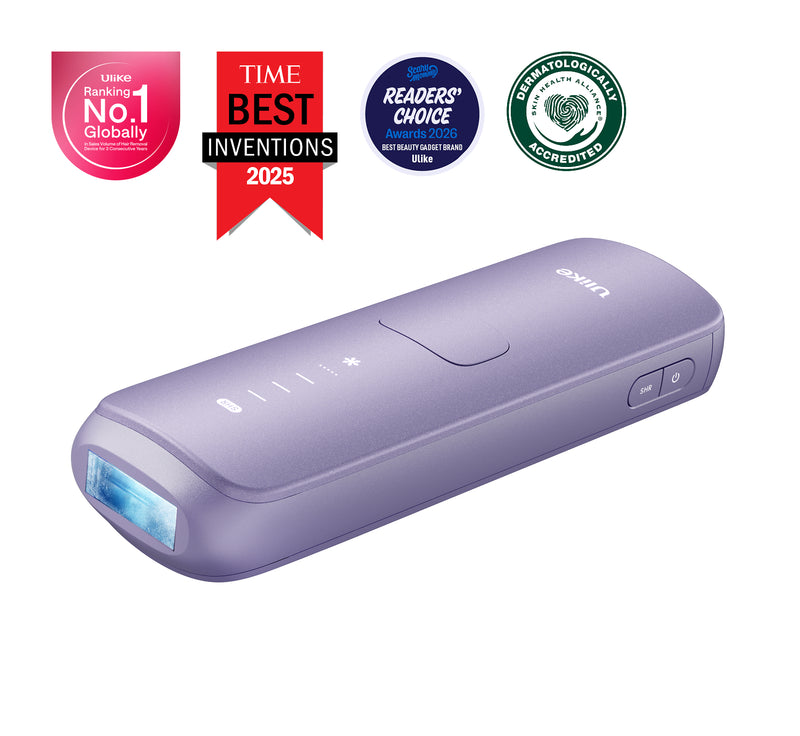
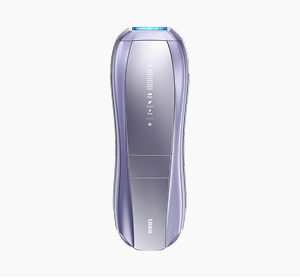
The Ulike Air 3 is the most feature-rich IPL hair removal device in or near the $200 range. Its standout feature is Sapphire Ice-Cooling technology, which maintains the treatment window at a comfortable temperature, making it suitable even for those with sensitive skin. Clinical studies cited by Ulike report a 93% hair reduction rate after consistent use, and the device covers Fitzpatrick skin types I through V — a wider range than most budget competitors.

- Pros: Sapphire cooling, fast 7-min full-leg session, broad skin tone range (I–IV), auto skin sensor, 300,000 flashes, FDA cleared.
- Cons: Price sometimes exceeds $200 at full retail; check promotional pricing.
The Ulike Air 3 is our pick for the best at-home IPL device under $200 reviews, if you can catch it on sale. It outperforms Nood and Hooha on comfort, safety, and speed — and rivals professional results at a fraction of the clinic cost.
2. Braun Silk Expert Mini — A Recognizable Brand
The Braun Silk Expert Mini is a widely marketed IPL device backed by the Braun name — a factor many first-time buyers find reassuring. However, its core performance specs lag what the Ulike Air 3 delivers at a comparable price point.
- Pros: SensoAdapt skin sensor, compact/travel-friendly, 400,000 flashes, FDA cleared, Braun brand reliability.
- Cons: Slower treatment speed (~22 minutes for full legs vs. Ulike's 7 minutes), no cooling technology, slightly narrower coverage window.
The Braun Silk Expert Mini is a dependable option for beginners who prioritize brand familiarity. However, its 22-minute full-leg session is significantly slower than the Ulike Air 3's 7-minute treatment, and the absence of cooling technology makes it less suitable for sensitive skin. For buyers who want better comfort, speed, and long-term value, the Ulike Air 3 is the stronger investment. Its SensoAdapt skin tone sensor reads your skin up to 80 times per second and adjusts intensity automatically.
3. Nood Flasher 2.0 — Affordable Entry Point With Meaningful Trade-offs
The Nood Flasher 2.0 is an affordable at-home laser hair removal options on the market, at around $89–$99. It carries a 300,000 flash count and FDA clearance, but those baseline specs are where the positives largely end — it lacks the cooling, skin sensing, and skin tone range that separate capable IPL devices from basic ones. Where it trails behind the Ulike Air 3 is in cooling (none), skin sensor automation (manual intensity selection only), and compatible skin tone range (Fitzpatrick I–IV only).
- Pros: Low upfront cost, FDA cleared, 300,000 flashes, simple to use, 90-day trial policy.
- Cons: No cooling, no skin sensor, limited to Fitzpatrick I–IV, slower treatment speed.
The Nood Flasher 2.0 works as a bare-minimum introduction to IPL, but the absence of cooling, automatic skin sensing, and its Fitzpatrick IV cutoff make results and comfort measurably lower than what Ulike delivers. If your budget can stretch at all, the Ulike Air 3 — especially during promotional pricing — is the smarter long-term spend.
4. The Hooha — Lowest Price, Basic Performance
The Hooha is priced at $69–$79. Like the Nood, it offers a basic IPL experience without cooling or an automatic skin sensor. It is not FDA cleared, which is a meaningful consideration for safety-conscious buyers. Its skin tone range is also limited to Fitzpatrick I–IV.
- Pros: Low price, 300,000 flashes, simple interface.
- Cons: No FDA clearance, no cooling, no skin sensor, limited skin tone compatibility.
For buyers where budget is the only factor, The Hooha exists as an option — but the absence of FDA clearance is a significant concern that limits how strongly it can be recommended.
Part 4: Why Ulike Outperforms Budget Alternatives — 4 Scenarios Where It Wins?
While this guide focuses on the best IPL under $200 2026, the Ulike Air 3 and Ulike Air 4 are worth the stretch for the right buyer. Here are four scenarios where Ulike's extra features clearly pay off:

- Long-term hair reduction commitment: If you're serious about lasting results and want to avoid replacing devices in 2–3 years, the Ulike's 300,000 flash count and Sapphire cooling protect the device's longevity alongside your comfort.
- Wider Fitzpatrick skin tone range (I–V): Wider Fitzpatrick skin tone range (I–V): If you have a medium-to-olive complexion, the Ulike Air 3 and Air 4 are among the few at-home IPL devices that reliably cover this range. Nood and Hooha stop at type IV, and while Braun covers type V in some configurations, it lacks the Sapphire cooling that makes treatment at higher intensities comfortable and consistent for those with deeper skin tones.
- Sensitive skin requiring cooling: Sapphire cooling is a genuine differentiator. For those who have found standard IPL treatments uncomfortable or irritating, the Ulike's contact cooling reduces heat sensation significantly — making sessions more tolerable and encouraging consistent use.
- Maintaining post-clinic laser results: If you've invested in professional clinic sessions and want a home device to maintain results, the Ulike's power output and skin sensor make it the closest consumer-grade match to a professional laser hair removal machine experience.
Part 5: Long-Term Cost Breakdown: Clinic vs. Ulike vs. Budget Devices
One of the biggest arguments for any at-home IPL device is the long-term savings versus professional treatments. Here's how the numbers break down:
| Option | Year 1 | Year 3 | Year 5 |
|---|---|---|---|
| Professional Clinic Laser | $600–$1,200 | $1,200–$3,600 | $2,000–$6,000+ |
| Ulike Air 4 (one-time) | ~$259 | ~$259 | ~$259 |
| Ulike Air 3 (one-time) | ~$149–$199 | ~$149–$199 | ~$149–$199 |
| Nood / Hooha (one-time) | ~$70–$99 | ~$70–$99 | $140–$198 (possible replacement) |
As this breakdown shows, at-home IPL devices deliver significant long-term savings over a professional laser treatment program — even entry-level options. The Ulike Air 3 or Air 4 carries a modest upfront premium over budget alternatives, but offers meaningfully better performance, safety, and comfort, and may reduce the likelihood of needing a replacement within 3–5 years. For a detailed comparison of what to expect from IPL versus professional treatments, see our guide on IPL vs salon laser hair removal.

Part 6: Frequently Asked Questions
Q1: Is the $259 Ulike Air 4 worth it vs. a $70 Hooha or $90 Nood?
It depends on your priorities. The Hooha and Nood occupy the low end of the price spectrum, and their affordability is their primary appeal. But when you compare the full picture — Sapphire cooling, automatic skin sensors, a broader Fitzpatrick range, and the reduced risk of needing a replacement device after 2–3 years — the Ulike Air 4's additional cost translates into real, measurable value. For many users, the comfort improvement and long-term flash lifespan alone justify the difference.
Q2: What's the best IPL hair removal device under $200 in 2026?
Our top recommendation is the Ulike Air 3— it leads this category on every meaningful spec: 7-minute full-leg treatment vs. Braun's 22 minutes, Sapphire cooling for sensitive skin, broader Fitzpatrick I–V compatibility, and FDA clearance. It is frequently available at or near $200 through promotional pricing; check Ulike's official site for current offers before purchasing.
If you are working with a hard $200 ceiling and Ulike is not currently on promotion, the Braun Silk Expert Mini is a reliable secondary option. For the tightest budgets under $100, the Nood Flasher 2.0 provides basic IPL functionality, though with significant trade-offs in comfort and skin tone compatibility. For a broader range of options, also see our Nood vs Braun vs Ulike comparison.
Q3: Is the Ulike Air 3 still worth buying if Hooha has similar tech for less?
On the surface, both are IPL hair removal devices with 300,000 flashes. But the comparison ends there. The Ulike Air 3 is FDA cleared; the Hooha is not. The Ulike has a built-in skin tone sensor that auto-adjusts intensity; the Hooha requires manual selection. The Ulike covers Fitzpatrick I–V; the Hooha stops at IV. And the Ulike's Sapphire cooling makes a real difference in session comfort. When the specs speak for themselves, the Ulike Air 3 is the clear upgrade — and given its promotional pricing, it can often be found very close to the Hooha's range. Also check out the Ulike Air 10 if you want the latest model with enhanced features.
Q4: Which IPL device is best for sensitive skin on a budget?
For sensitive skin, here's our tiered recommendation:
- Best for sensitive skin (our only unconditional recommendation): Ulike Air 3 or Air 4 — Sapphire Ice-Cooling technology actively maintains a comfortable temperature at the treatment window. This is the only consumer IPL device with genuine contact cooling, and for sensitive skin, this difference is not cosmetic — it directly determines whether sessions are tolerable enough to complete consistently.
- If upgrading to Ulike is not currently possible: Braun Silk Expert Mini — the SensoAdapt sensor lowers intensity automatically, which reduces but does not eliminate heat discomfort. A workable compromise as a temporary option.
- Use with caution: Nood and Hooha — neither device offers cooling or automatic adjustment, so sensitive-skin users should start at the lowest intensity setting and proceed slowly.
Conclusion: Best IPL Under $200 2026
After evaluating every major IPL device at and near the $200 mark, the Ulike Air 3 is the clear top pick for 2026 — combining Sapphire Ice-Cooling, an automatic skin sensor, 7-minute full-leg sessions, Fitzpatrick I–V compatibility, and FDA clearance into one device that delivers professional-grade results at a fraction of clinic cost. Check current promotional pricing on Ulike's official site, as it frequently falls at or near $200.
For buyers with a strict budget ceiling where Ulike is not currently available for promotion, the Braun Silk Expert Mini is the most dependable runner-up, and the Nood Flasher 2.0 remains the lowest-cost entry point. For the absolute best in at-home IPL with no budget constraints, the Ulike Air 4 is the gold standard. Whichever device you choose, you are making a smart, long-term investment compared to ongoing clinic visits.