



Can You Use IPL on Moles? Safety Tips and Best Practices
Hair Removal

Can You Use IPL on Moles? Safety Tips and Best Practices

Intense Pulsed Light (IPL) is a fantastic tool for achieving smooth skin and reducing unwanted hair right from the comfort of your home. If you've been looking into at-home hair removal, you probably know how convenient and effective these devices are for treating legs, underarms, and bikini lines. However, while IPL is versatile, it isn't a one-size-fits-all solution for every square inch of your skin. A common question that pops up for beginners is whether it's okay to flash that light over a beauty mark or a mole. The short answer is a firm no. You should never use IPL directly on moles. While these devices are designed to be user friendly and safe for general use, moles require special care and should be avoided during your treatment sessions. Understanding the "why" behind this rule is vital for keeping your skin healthy and ensuring you get the best possible results from your device. Let's look at why moles and light-based treatments don't mix and how you can navigate your routine safely. Why You Should Not Use IPL on Your Moles The science of IPL relies on a process called selective photothermolysis. This sounds complex, but it's actually quite simple: the device sends out a broad spectrum of light that is specifically absorbed by pigment (melanin). In a standard hair removal session, the light targets the melanin in your hair follicle, turning into heat and disabling the hair's growth at the root. Moles are essentially concentrated clusters of melanocytes, the cells that produce pigment. Because a mole is much darker than the surrounding skin, it acts like a high-powered sponge for light energy. While the skin around the mole might safely dissipate a small amount of heat, the mole itself will absorb a massive, rapid surge of energy. This can lead to a significant temperature spike in a very small area, causing localized trauma that your skin isn't equipped to handle. By following IPL hair removal best practices, you can ensure that you're targeting only the areas meant for treatment. When the light hits a mole, the intensity is often too high for that specific spot, which leads to complications that range from aesthetic issues to serious health risks. The Danger of Hiding Skin Cancer One of the most significant reasons dermatologists warn against using IPL on moles is the risk of masking permanent changes. A mole's appearance; its color, shape, and borders; is a primary indicator of its health. Doctors look at these "ABCDE" features to screen for melanoma or other skin cancers. If you use IPL on a mole, the light might break down the surface pigment, causing the mole to fade or change color. While a "faded" mole might look like a cosmetic success, it's actually quite dangerous. The light may strip away the visible pigment on the surface without reaching the deeper cells. If that mole were to become cancerous, the visual "warning signs" would be gone, making it much harder for a professional to detect a problem until it has progressed. Risk of Painful Burns and Scarring Because a mole is so much darker than the rest of your skin, an IPL pulse can cause an immediate and painful burn. Instead of a mild snapping sensation, you might feel an intense sting. This localized overheating can lead to blistering, scabbing, or even long-term skin damage. When the skin heals from a burn caused by a light strike, it may leave behind a scar or a patch of permanent discoloration known as hyperpigmentation or hypopigmentation. These marks are often much more noticeable and difficult to treat than the original mole itself. To get the best results, it is better to keep your treatment focused on clear skin areas and avoid any IPL treatment contraindications like pigmented lesions or tattoos. What Happens During an Accidental IPL Strike? We've all been there: you're moving quickly through your leg routine and "zap," you accidentally hit a small mole you didn't notice. If this happens, don't panic, but do pay attention. The immediate sensation is usually a sharper, hotter snap than usual. You might notice the area gets red or even develops a tiny white or dark crust over the next few days. If you do accidentally strike a mole, keep the area clean and hydrated. Avoid picking at any crusting that forms, as this increases the risk of scarring. Most importantly, keep an eye on that spot over the next few weeks. If the mole changes shape, stays irritated, or begins to look uneven, it's time to book a quick checkup with a dermatologist just to be safe. How to Protect Moles During Your Routine You don't have to skip large patches of skin just because you have a few beauty marks. A great "pro tip" for at-home users is to use a white eyeliner pencil. Before you start your session, simply color over your moles with the white pencil. Since white reflects light rather than absorbing it, the pencil acts as a shield, protecting the dark pigment of the mole from the IPL energy. Alternatively, you can use small, opaque white stickers or even the tip of your finger (if you're careful) to cover the spot while you treat the skin immediately around it. This allows you to get that perfectly smooth finish without putting your skin health at risk. Safe Ways to Handle Hairy or Unwanted Moles It is incredibly common to have a few stray hairs growing directly out of a mole. Naturally, you might want to include those in your IPL session, but as we've established, that's a bad idea. Using a laser or light device on a hairy mole can cause the same burning and masking risks mentioned earlier. So, how do you handle these pesky hairs? The safest methods are the old-fashioned ones. You can carefully pluck the hair with sterilized tweezers or trim it close to the skin with small beauty scissors. These methods don't involve heat or light, so they won't damage the pigment cells of the mole. It might take an extra ten seconds in your routine, but it's the safest way to stay groomed. Professional Removal Options for Peace of Mind If a mole is constantly in the way of your hair removal routine, or if its appearance bothers you, the best solution is to see a professional. A dermatologist can perform a simple shave excision or surgical removal in a sterile environment. The biggest benefit of professional removal is that they can send the tissue to a lab for testing. This ensures the mole is benign and gives you total peace of mind. Once the area is fully healed and your doctor gives you the green light, you can resume using your IPL device on that smooth, clear skin without any worries. Conclusion IPL is a powerful and effective way to manage body hair, but it requires a bit of respect for your skin's natural "map." Moles are high-pigment zones that simply don't play well with the intense light used in these treatments. By avoiding them, using protective white eyeliner, and relying on plucking for those stubborn stray hairs, you can enjoy all the benefits of smooth skin without the risks of burns or masked health issues. Always remember that your skin's health is the top priority. If you ever have doubts about side effects of IPL hair removal or notice a spot that looks unusual, a quick visit to a doctor is the smartest move. Treat your device with care, follow the safety guides, and you'll be on your way to long-lasting results and glowing, healthy skin.
Jan 26, 2026
Share:

Up to 40% Off
& Free Gifts

Learn More
Table of Contents

Intense Pulsed Light (IPL) is a fantastic tool for achieving smooth skin and reducing unwanted hair right from the comfort of your home. If you've been looking into at-home hair removal, you probably know how convenient and effective these devices are for treating legs, underarms, and bikini lines. However, while IPL is versatile, it isn't a one-size-fits-all solution for every square inch of your skin. A common question that pops up for beginners is whether it's okay to flash that light over a beauty mark or a mole.

The short answer is a firm no. You should never use IPL directly on moles. While these devices are designed to be user friendly and safe for general use, moles require special care and should be avoided during your treatment sessions. Understanding the "why" behind this rule is vital for keeping your skin healthy and ensuring you get the best possible results from your device. Let's look at why moles and light-based treatments don't mix and how you can navigate your routine safely.

Why You Should Not Use IPL on Your Moles

The science of IPL relies on a process called selective photothermolysis. This sounds complex, but it's actually quite simple: the device sends out a broad spectrum of light that is specifically absorbed by pigment (melanin). In a standard hair removal session, the light targets the melanin in your hair follicle, turning into heat and disabling the hair's growth at the root.

Moles are essentially concentrated clusters of melanocytes, the cells that produce pigment. Because a mole is much darker than the surrounding skin, it acts like a high-powered sponge for light energy. While the skin around the mole might safely dissipate a small amount of heat, the mole itself will absorb a massive, rapid surge of energy. This can lead to a significant temperature spike in a very small area, causing localized trauma that your skin isn't equipped to handle.

By following IPL hair removal best practices, you can ensure that you're targeting only the areas meant for treatment. When the light hits a mole, the intensity is often too high for that specific spot, which leads to complications that range from aesthetic issues to serious health risks.

The Danger of Hiding Skin Cancer

One of the most significant reasons dermatologists warn against using IPL on moles is the risk of masking permanent changes. A mole's appearance; its color, shape, and borders; is a primary indicator of its health. Doctors look at these "ABCDE" features to screen for melanoma or other skin cancers.

If you use IPL on a mole, the light might break down the surface pigment, causing the mole to fade or change color. While a "faded" mole might look like a cosmetic success, it's actually quite dangerous. The light may strip away the visible pigment on the surface without reaching the deeper cells. If that mole were to become cancerous, the visual "warning signs" would be gone, making it much harder for a professional to detect a problem until it has progressed.

Risk of Painful Burns and Scarring

Because a mole is so much darker than the rest of your skin, an IPL pulse can cause an immediate and painful burn. Instead of a mild snapping sensation, you might feel an intense sting. This localized overheating can lead to blistering, scabbing, or even long-term skin damage.

When the skin heals from a burn caused by a light strike, it may leave behind a scar or a patch of permanent discoloration known as hyperpigmentation or hypopigmentation. These marks are often much more noticeable and difficult to treat than the original mole itself. To get the best results, it is better to keep your treatment focused on clear skin areas and avoid any IPL treatment contraindications like pigmented lesions or tattoos.

What Happens During an Accidental IPL Strike?

We've all been there: you're moving quickly through your leg routine and "zap," you accidentally hit a small mole you didn't notice. If this happens, don't panic, but do pay attention. The immediate sensation is usually a sharper, hotter snap than usual. You might notice the area gets red or even develops a tiny white or dark crust over the next few days.

If you do accidentally strike a mole, keep the area clean and hydrated. Avoid picking at any crusting that forms, as this increases the risk of scarring. Most importantly, keep an eye on that spot over the next few weeks. If the mole changes shape, stays irritated, or begins to look uneven, it's time to book a quick checkup with a dermatologist just to be safe.

How to Protect Moles During Your Routine

You don't have to skip large patches of skin just because you have a few beauty marks. A great "pro tip" for at-home users is to use a white eyeliner pencil. Before you start your session, simply color over your moles with the white pencil. Since white reflects light rather than absorbing it, the pencil acts as a shield, protecting the dark pigment of the mole from the IPL energy.

Alternatively, you can use small, opaque white stickers or even the tip of your finger (if you're careful) to cover the spot while you treat the skin immediately around it. This allows you to get that perfectly smooth finish without putting your skin health at risk.

Safe Ways to Handle Hairy or Unwanted Moles

It is incredibly common to have a few stray hairs growing directly out of a mole. Naturally, you might want to include those in your IPL session, but as we've established, that's a bad idea. Using a laser or light device on a hairy mole can cause the same burning and masking risks mentioned earlier.

So, how do you handle these pesky hairs? The safest methods are the old-fashioned ones. You can carefully pluck the hair with sterilized tweezers or trim it close to the skin with small beauty scissors. These methods don't involve heat or light, so they won't damage the pigment cells of the mole. It might take an extra ten seconds in your routine, but it's the safest way to stay groomed.

Professional Removal Options for Peace of Mind

If a mole is constantly in the way of your hair removal routine, or if its appearance bothers you, the best solution is to see a professional. A dermatologist can perform a simple shave excision or surgical removal in a sterile environment.

The biggest benefit of professional removal is that they can send the tissue to a lab for testing. This ensures the mole is benign and gives you total peace of mind. Once the area is fully healed and your doctor gives you the green light, you can resume using your IPL device on that smooth, clear skin without any worries.

Conclusion

IPL is a powerful and effective way to manage body hair, but it requires a bit of respect for your skin's natural "map." Moles are high-pigment zones that simply don't play well with the intense light used in these treatments. By avoiding them, using protective white eyeliner, and relying on plucking for those stubborn stray hairs, you can enjoy all the benefits of smooth skin without the risks of burns or masked health issues.

Always remember that your skin's health is the top priority. If you ever have doubts about side effects of IPL hair removal or notice a spot that looks unusual, a quick visit to a doctor is the smartest move. Treat your device with care, follow the safety guides, and you'll be on your way to long-lasting results and glowing, healthy skin.

Previous
How Much Does Full Body Laser Hair Removal Cost in 2026?
Next
What Is IPL Hair Removal? How It Works, Results, Safety, and Bikini Use
Share:
IPL Hair Removal for the Face: Best At-Home Devices, Safety

IPL Hair Removal for the Face: Best At-Home Devices, Safety

IPL hair removal can reduce facial hair growth at home when your skin tone and hair color are a ...
Mar 6, 2026
Ulike Air 10 vs Air 3: What Are the Differences?

Ulike Air 10 vs Air 3: What Are the Differences?

Ulike has launched Air 10 in the UK market for general consumers. What’s fascinating about this e...
Mar 6, 2026
IPL Hair Removal Device for Spring: The Smooth-Skin Plan That Actually Fits Real Life

IPL Hair Removal Device for Spring: The Smooth-Skin Plan That Actually Fits Real Life

Spring has a funny way of changing your schedule. One warm day and suddenly you're thinking about...
Mar 23, 2026

Need guidance?

Get a free one-on-one consultation

TALK TO AN EXPERT

Explore Beauty

Purple laser hair remover with Ulike branding and awards on a white background

Ulike Air 10

2 weeks to silky smooth skin.

96% Hair Density Reduction in 2 Weeks
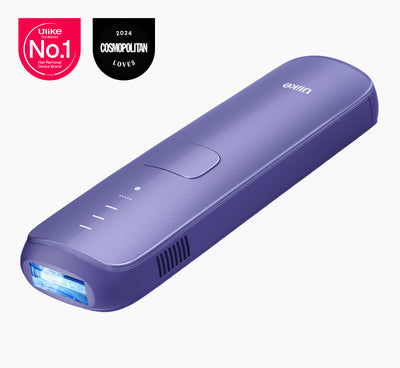
Ulike Air 3

3 weeks to silky smooth skin.

93% Hair Density Reduction in 4 Weeks
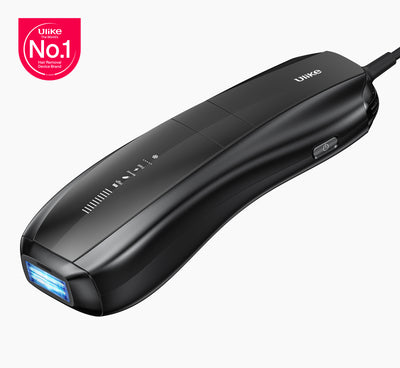
Ulike X

3 weeks to silky smooth skin.

94% hair reduction in just 2 weeks*
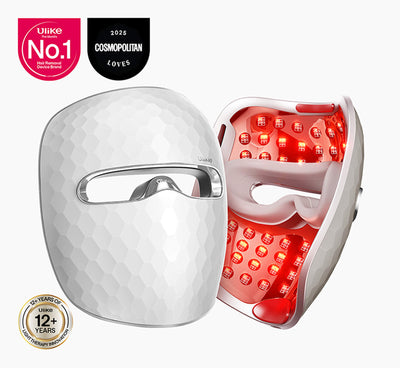
Ulike Reglow LED face mask red light therapy device

Ulike Reglow

Clearer skin in 2 weeks: Fewer breakouts
Smoother skin in 4 weeks: Fewer lines, firmer feel

Leave a comment

All comments are moderated before being published.

Back to top