




How Often Should You Exfoliate Between IPL Sessions?

If you want to exfoliate after IPL without setting your skin back, timing matters more than force. A little exfoliation can help with rough texture and ingrown hairs, but too much can leave your skin red, stingy, and unhappy.
The right pace depends on your skin sensitivity, how close you are to your next session, and whether you use a physical or chemical exfoliant. If you're new to treatment, a quick look at how IPL hair removal works can make the aftercare rules easier to follow.
The safest exfoliation schedule between IPL sessions
For most people, the safest move is to wait at least 48 hours after an IPL session before exfoliating. If your skin still feels warm, tight, or tender, wait longer. Skin that looks calm on the surface can still be a little reactive underneath.
Between sessions, once or twice a week is usually enough for gentle exfoliation. That gives dead skin cells a chance to clear without wearing down the skin barrier. If you're prone to ingrowns, keep the routine gentle and steady instead of scrubbing harder or more often.
Timing matters on the front end too. Many device guides suggest avoiding harsh exfoliation close to your next treatment, because freshly buffed skin can be more sensitive. A helpful place to start is the IPL hair removal basics and tips page, which covers treatment flow and care.
If your skin still burns in the shower or feels raw to the touch, skip exfoliation for now.
The simplest rule is this, calm skin first, exfoliation second. If your schedule is packed or your skin runs sensitive, less is usually better.
Finding the right balance for your skin
Physical and chemical exfoliation work differently, so they should not be treated the same.
Physical exfoliation uses friction. That includes soft washcloths, gentle mitts, or mild body scrubs. Chemical exfoliation uses acids or enzymes to loosen dead skin cells. That can include low-strength lactic acid, glycolic acid, mandelic acid, or enzyme products.

A soft physical exfoliant is often the better choice right after IPL, especially if your skin is dry or reactive. Chemical exfoliants can also work, but they deserve more caution. If a product already stings on normal skin, it's too strong for IPL aftercare.
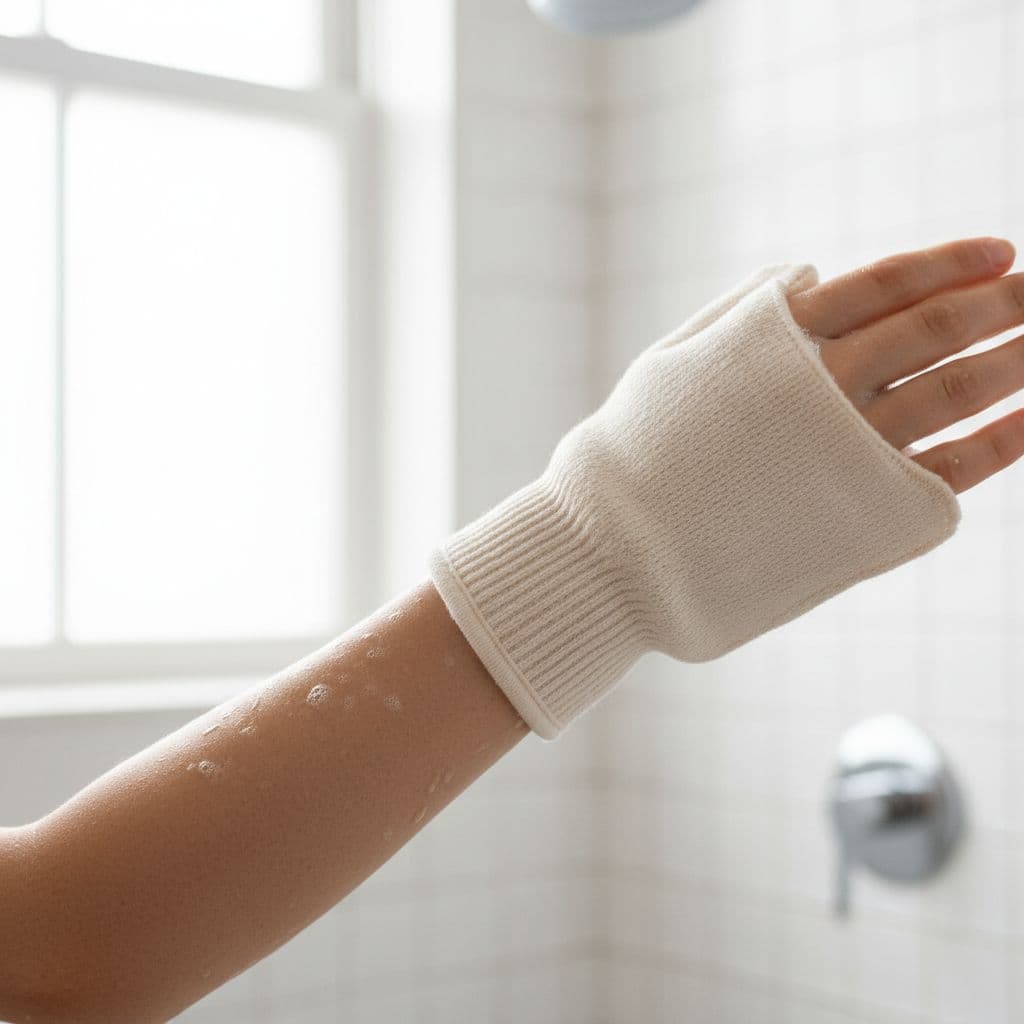
That's why many people do best with the mildest option first. A soft washcloth in the shower or a very gentle enzyme exfoliant can be enough to keep skin smooth. For a broader look at post-treatment care, this gentle after-treatment exfoliation advice offers a useful comparison, even though it focuses on laser hair removal.
Patch testing helps too. Try any new exfoliant on a small area before you use it on a larger treated zone. If you get burning, itching, or a rash, stop and switch to something milder. Similar IPL care tips before and after treatment also point toward the same idea, keep things gentle and simple.
Warning signs that mean it's time to pause
Your skin will usually tell you when it needs a break. Pay attention if exfoliation starts to feel like irritation instead of care.
Pause exfoliation if you notice:
- stinging that lasts longer than a few minutes
- redness that spreads or gets brighter after washing
- tightness that feels worse after moisturizing
- flaking, itching, or a rough rash
- bumps that look irritated instead of smooth
Do not add more scrubbing to fix any of those problems. That only makes the barrier weaker. Instead, give your skin a few days off and focus on soothing care.
If the area is still reactive after you stop exfoliating, wait until it settles before trying again. When in doubt, follow your device instructions or the guidance from your provider, especially if you had professional IPL or have a history of sensitive skin.
Simple aftercare for smoother results
Good aftercare makes exfoliation work better between sessions. Start with a fragrance-free moisturizer and use it daily. Dry skin builds up faster, so hydration can reduce the urge to scrub.
Keep showers lukewarm, not hot. Heat can make treated skin feel more irritated, and irritation often leads to overexfoliating. Loose clothing also helps, especially on areas like the bikini line, underarms, or thighs where fabric rubs.
A few practical do's and don'ts help keep things on track:
- Use a soft cloth or a low-strength exfoliant, not a harsh scrub.
- Moisturize after washing while skin is still slightly damp.
- Wear SPF on exposed areas, because treated skin can be more sun-sensitive.
- Skip waxing, plucking, and strong peels between IPL sessions.
- Avoid layering exfoliation with retinoids on the same area unless your provider says it's fine.
If you shave between sessions, keep it gentle. Shaving cuts the hair at the surface, so it usually fits better with IPL than methods that remove the root. It also gives you a cleaner read on whether your skin is reacting to the treatment or to your skin care products.
Conclusion
The best exfoliation schedule is the one your skin can handle. For many people, that means waiting at least 48 hours after IPL, then keeping exfoliation to once or twice a week with a gentle touch.
Physical exfoliants are usually easier to control, while chemical exfoliants need more caution. If your skin feels hot, itchy, or raw, stop and give it time to recover. That way, exfoliation supports your IPL results instead of fighting them.
Featured Products

Ulike Air 10
2 weeks to silky smooth skin.
96% Hair Density Reduction
The next-generation in simple,
lasting hair removal.

How to Switch from Plucking Chin Hair to IPL

Electrolysis vs Laser Hair Removal: Which Is Better?
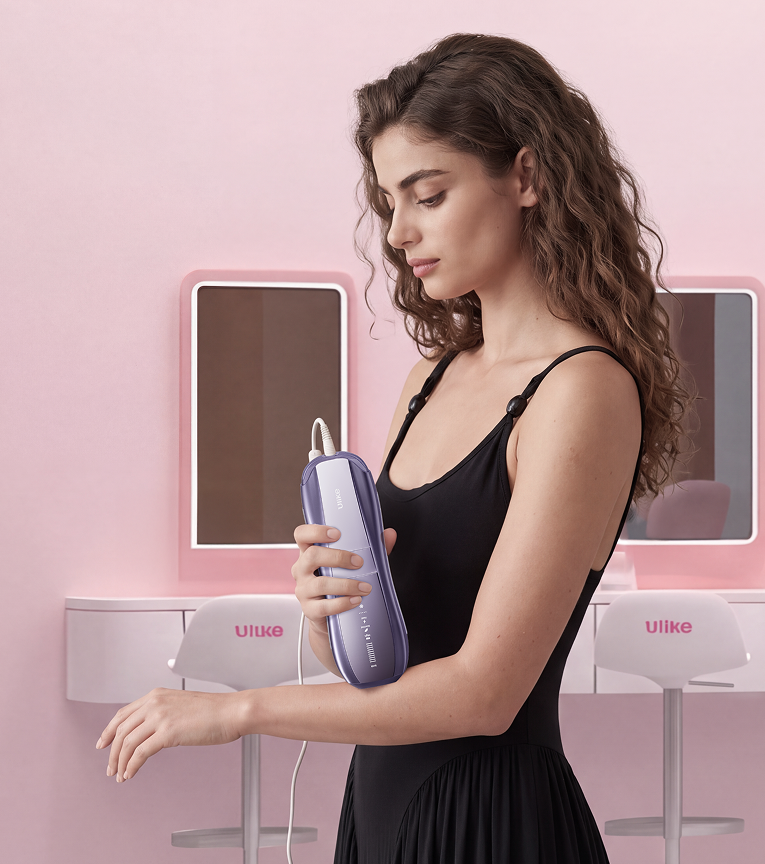
Best Female Facial Hair Remover: Which One Suits You?

Explore Beauty
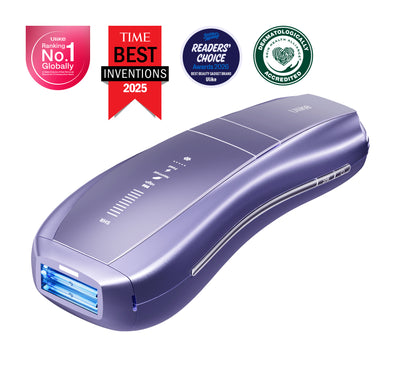
Ulike Air 10
2 weeks to silky smooth skin.
96% Hair Density Reduction in 2 Weeks
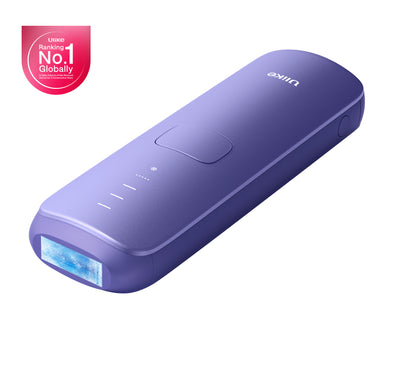
Ulike Air 3
3 weeks to silky smooth skin.
93% Hair Density Reduction in 4 Weeks
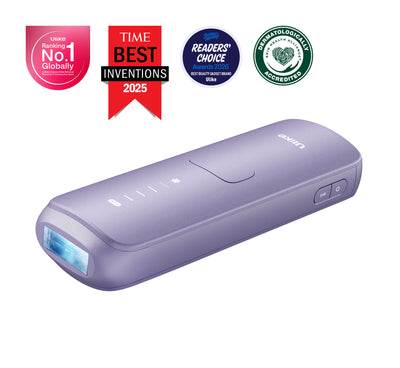
Ulike Air 4
4 weeks to silky smooth skin.
95.8% hair reduction in just 2 weeks*
Ulike Reglow
Clearer skin in 2 weeks: Fewer breakouts
Smoother skin in 4 weeks: Fewer lines, firmer feel