 Ulike ReGlow Pro★ 5.0 (511)


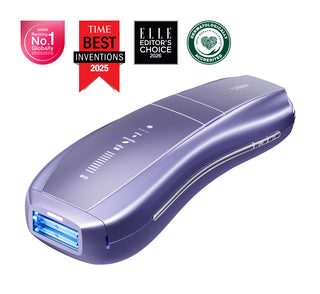
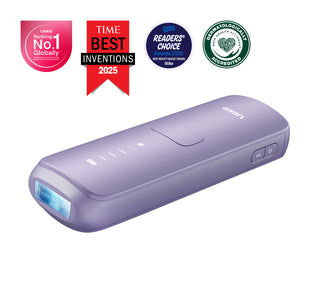


Table of Contents
Hormonal hair changes can be confusing. One area may get thicker and darker, while another feels thinner and weaker.
That is why IPL (intense pulsed light) hair removal and IPL hair growth treatments get so much attention. For unwanted hair on the face or body, these devices may help reduce long-term hair regrowth. For scalp thinning, it is a different story, and the underlying cause matters more than the device itself.
If your hair changes are tied to PCOS, postpartum shifts, or androgen-related hair growth, the safest path is to understand what IPL can help with and where it falls short.
Key Takeaways
- Distinguish between growth types: IPL is designed for reducing unwanted hair on the face and body, but is ineffective for treating scalp hair thinning or loss.
- Understand the role of melanin: IPL devices require dark, coarse hair and sufficient pigment to target the follicle; they generally do not work on blonde, red, gray, or white hair.
- Address the root cause: While IPL can successfully manage visible hair growth, it does not treat the underlying hormonal conditions, such as PCOS or thyroid imbalances, that stimulate the growth.
- Consistency is mandatory: Because hormonal imbalances constantly trigger new hair production, long-term maintenance sessions are required to keep unwanted growth under control.
- Prioritize medical evaluation: Always consult a professional to diagnose the cause of sudden hair changes before starting a treatment plan to ensure you are targeting the right issue with the right tools.
Table of Contents:
- Part 1: What hormonal hair growth actually means
- Part 2: How IPL works on hair, and where it fits
- Part 3: What the evidence says for PCOS-related hair growth
- Part 4: When IPL may be a poor fit
- Part 5: Smarter ways to combine IPL with medical care
- Part 6: When to see a doctor first
- Part 7: Frequently Asked Questions
Part 1: What hormonal hair growth actually means
Hormonal hair growth usually means hair that changes because of shifting androgen levels or other hormone signals. In women, that often shows up as coarse, dark hair on the face, chest, or a thicker line on the stomach. These changes occur because hormonal fluctuations impact the hair follicles, stimulating them to produce hair that is more visible and textured than typical vellus growth. In scalp hair loss, the pattern is often the opposite: the part widens, the ponytail feels smaller, or shedding increases.
PCOS is one common cause, but it is not the only one. Postpartum shedding, thyroid problems, iron deficiency, some medicines, and inherited female pattern hair loss can all play a role. Because those causes are different, the fix is different too.
This is where the confusion starts. People often search for one device to solve every hair problem. That does not work well here. IPL hair removal is a light-based tool designed to manage unwanted hair, so it fits best when the goal is to slow growth on the face or body. It does not treat the hormone signal behind the growth.
The key question is simple: what kind of hair change are you dealing with? Once you know that, the next step makes more sense.
Part 2: How IPL works on hair, and where it fits
Intense pulsed light, or IPL, utilizes broad-spectrum light that targets the melanin located within the hair follicles. When you use an at-home IPL device, the emitted light energy is converted into heat energy, which is then absorbed by the pigment. This process effectively disrupts the hair growth cycle, particularly when the follicle is in its active growth phase.
For a plain-language breakdown, Ulike's page on how IPL hair removal works explains the basic idea well. The short version is that this method interrupts the growth cycle in active follicles. Because this technology relies on melanin to function, you must ensure your specific skin tone is compatible with the device to maintain safety and efficacy. It does not remove every follicle at once, and it does not change your underlying hormones.

That distinction matters. IPL is useful for hair reduction, not for scalp hair regrowth. If your concern is hormonal thinning on the scalp, IPL is not the right tool. If your concern is coarse chin hair or sideburns that keep returning, IPL may be worth discussing.
A quick comparison helps make the difference clearer:
| Hair concern | Does IPL help? | Better first step |
|---|---|---|
| Coarse facial or body hair linked to hormones | Sometimes, for reduction | Dermatology evaluation, then a hair reduction plan |
| Scalp thinning or widening part | No proven role | Diagnose the cause and treat it |
| Postpartum shedding | No | Watch the timeline, and check for prolonged shedding |
| Blond, gray, red, or white hair | Usually poor fit | Other hair removal methods |
The common thread is pigment. Less pigment means less for IPL to target, which is why individuals with dark hair often see stronger results compared to those with lighter shades. Understanding your specific hair and skin profile is essential to determining whether this method will provide the reduction you are looking for.
Part 3: What the evidence says for PCOS-related hair growth
The research on using IPL hair removal for PCOS-related hirsutism is promising, but it is not a perfect solution. Small studies show that light-based treatments can reduce visible hair, yet results vary significantly compared to laser hair removal. While laser hair removal is often cited as more effective for thick, dark hair, both methods remain popular choices for managing unwanted growth. Ultimately, these devices offer permanent hair reduction rather than the total, lifelong elimination of every single follicle.
A useful clinical summary is the MDedge review of PCOS light therapy, which notes that both laser and light therapy can help some people, though clinical outcomes are often inconsistent. Some studies also explore combining light-based treatments with medical interventions, such as metformin, which may improve hair reduction results for some patients.
The 2023 international PCOS guideline backs up this same cautious picture. Its section on mechanical laser and light therapies for hair reduction states that laser and light treatments could be considered for reducing facial hirsutism in women with PCOS, though a greater number of sessions may be needed than for hirsutism unrelated to PCOS. On at-home devices specifically, the guideline is direct: “There is no evidence to support the efficacy of home-based IPL kits.” That is the honest boundary worth keeping in mind before assuming an at-home device will do what a clinic-based treatment can. Separately, on the safety side, an at-home light therapy safety review of home-based dermatology devices found favorable safety profiles with few significant adverse events for home-use IPL, though this review was not PCOS-specific and speaks only to safety, not to PCOS hair-reduction efficacy.
That said, one treatment can only go so far when the hormonal signal is still active.
IPL can reduce visible hair, but it does not switch off the hormone signal behind it.
That is why consistent treatment sessions are required to see progress. Because the body keeps producing new coarse hairs due to hormonal imbalances, regular maintenance sessions are typically necessary to manage the hair growth cycle. The best results usually happen when the hair pattern is relatively stable, the skin and hair color are a good match for the device, and the treatment plan is realistic.
If you are comparing options, keep your long-term goal in mind. For stubborn facial hirsutism, IPL hair removal may help reduce the hair you can see, but for active PCOS symptoms, you still need a medical plan that addresses the hormonal source.
Part 4: When IPL may be a poor fit
Some people should be cautious before starting IPL. The first group is anyone with very light hair, since there is not enough pigment for the light to target effectively. Gray, red, blond, and white hair usually respond poorly to light-based treatments, in which case you might consider laser hair removal as a comparative alternative. Regardless of your hair type, always perform a patch test on a small area of skin before full application to check for any unexpected reactions.
The second group is people with unstable hair changes, especially if the issue is scalp shedding after pregnancy or illness. That pattern often points to telogen effluvium or another diagnosis, and IPL does nothing for that. If the scalp is the problem, the real work starts with finding out why the shedding is happening.
There is also a rare risk called paradoxical hypertrichosis, where hair growth gets worse instead of better. It seems to happen more often on the face and neck. People with hormone-related hair growth may notice it more, so this is not a detail to brush off.
If you are unsure whether IPL is appropriate, a brief evaluation can save time and frustration. The article on realistic IPL expectations for PCOS is a useful reminder that good results are possible, but they usually come with maintenance and careful expectations.
When selecting an at-home device, prioritize quality by choosing an FDA-cleared option. Look for features like a built-in skin sensor that automatically adjusts intensity settings to match your specific skin tone and manage skin sensitivity. For those concerned about comfort, devices featuring advanced cooling technology can help reduce heat and irritation during your sessions. Consistent, comfortable treatment is the best way to ensure you can stick with your routine long enough to see real results.

Part 5: Smarter ways to combine IPL with medical care
The best approach is often a two-track plan. Use IPL hair removal only where it makes sense while treating the underlying hormone issue simultaneously.
A dermatologist or hair specialist may check for PCOS, thyroid issues, iron deficiency, or other causes of hair change. If scalp thinning is present, they may also talk about treatments with stronger evidence for regrowth, such as topical minoxidil, oral anti-androgens for some patients, or medication for an underlying condition. The right option depends on the clinical diagnosis.
This is also where timing matters. If postpartum shedding is still settling down, it may improve on its own. If a hormone issue is active, IPL hair removal can still reduce some visible hair, but the new growth may keep coming back unless the root cause is addressed.
A practical plan to achieve smoother, hair-free skin often looks like this:
- Get a formal diagnosis first, especially if the hair change is new or spreading.
- Prioritize shaving before treatment to ensure the light energy targets the follicle efficiently.
- Focus your treatment sessions on areas where hormonal hair is common, such as the chin, upper lip, jawline, chest, or lower abdomen. See IPL for PCOS facial and body hair for area-specific tips.
- Commit to a 12-week cycle to track the response, as consistency is more effective than judging results after just one session.
- Reassess if hair is getting finer, not reducing, or getting worse.
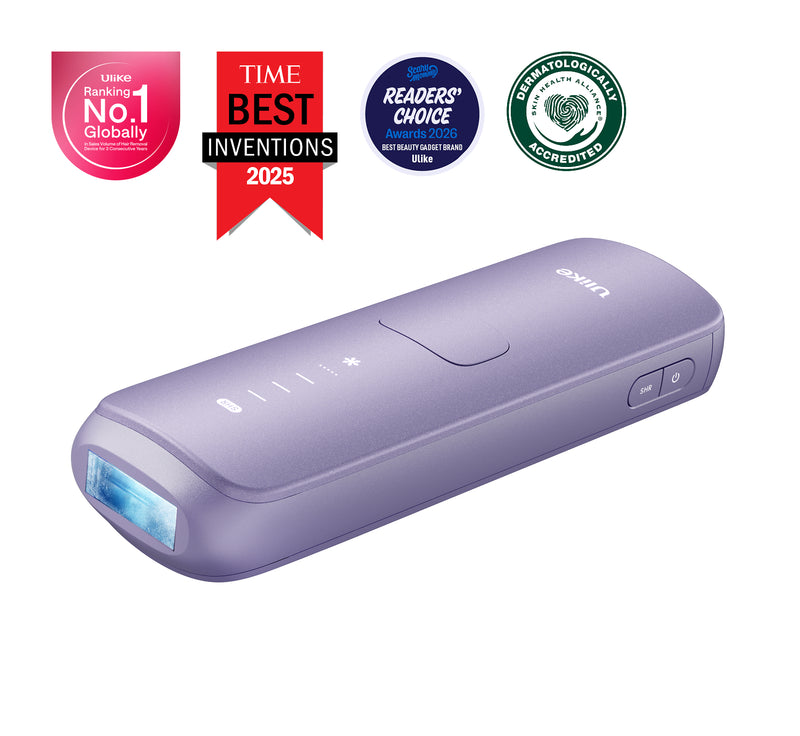
If you choose an at-home IPL device such as the Ulike Air 10, follow the recommended schedule carefully and avoid aggressive overuse. More flashes do not fix a hormonal trigger; they can simply irritate the skin. In cases of persistent growth, professional laser hair removal may offer more powerful results compared to personal devices. Throughout all treatment sessions, remember that managing the hormonal driver is just as important as the light-based reduction itself.
Part 6: When to see a doctor first
Before starting an IPL routine for PCOS-related hair growth, a few signals are worth flagging to a doctor first, since they can point to something that needs a diagnosis before any hair-reduction plan makes sense.
- Facial or body hair that changes suddenly or grows unusually fast, rather than gradually over months or years.
- Hair changes that show up alongside irregular, missed, or otherwise disrupted periods.
- Any suspicion of an underlying hormonal condition, such as PCOS or a thyroid issue, that has not yet been diagnosed.
Getting a formal diagnosis first means you know exactly what you are treating and whether IPL even fits into that plan. Ulike for PCOS is a good place to start if you want PCOS-specific resources and community support along the way. Once a healthcare provider has confirmed what you are dealing with, this best at-home IPL buying guide for PCOS can help you choose a device suited to your specific hair, skin tone, and treatment areas.
Conclusion
IPL hair removal can be a helpful solution when hormonal changes cause unwanted hair on the face or body, especially if the hair is dark and coarse. By delivering light energy directly to the hair follicles, IPL hair removal works to slow down future hair regrowth in treated areas. However, this method is much less useful for addressing scalp thinning, as it does not resolve underlying hormonal imbalances or stimulate the production of new hair.
The safest rule is simple: match the tool to the problem. Always get the root cause checked by a professional, use IPL to manage unwanted hair where it is a good fit, and pair it with appropriate medical treatment when your symptoms are driven by systemic hormonal issues.
Part 7: Frequently Asked Questions
Q1: Can IPL cure hormonal hair growth caused by PCOS?
No, IPL cannot cure the hormonal trigger behind the growth. It is a tool for managing and reducing the visibility of coarse hair, but you must continue to address the underlying hormonal imbalance with a healthcare provider to achieve lasting results.
Q2: Why does my hair seem to grow back even after using IPL?
Because your hormones are still sending signals to your follicles, your body continues to produce new hair. Consistent maintenance sessions are necessary to manage this new growth, as IPL interrupts the current cycle rather than permanently switching off the hormone signal.
Q3: Is it safe to use IPL on my scalp for thinning hair?
No, IPL should not be used for scalp thinning. It is intended to disrupt hair growth cycles to reduce unwanted hair, not to stimulate new hair regrowth or treat the systemic issues that lead to scalp hair loss.
Q4: How do I know if I am a good candidate for at-home IPL?
You are generally a good candidate if you have dark hair and a skin tone compatible with your specific device's settings. If you have light hair, active skin conditions, or unexplained, rapid hair changes, you should consult a dermatologist before beginning treatment.
Q5: Is there clinical evidence that IPL works for PCOS hair growth?
Yes, though the evidence is limited rather than definitive. The 2023 international PCOS guideline's section on mechanical laser and light therapies concludes that these treatments could be considered for reducing facial hirsutism in women with PCOS, while also noting that women with PCOS may need more sessions than people with hirsutism unrelated to PCOS to see similar results. It is real evidence, just not a strong or definitive one.
Q6: What's the difference between professional laser/light therapy and at-home IPL for PCOS?
The gap is in the evidence base, not just the equipment. Clinic-based laser and light treatments, delivered by trained providers, have accumulated enough study support that guideline authors could recommend them for PCOS-related facial hirsutism. At-home IPL kits have not been studied to that same standard for PCOS specifically, and current guidance stops short of endorsing any PCOS-specific benefit for home devices. That does not mean an at-home device cannot reduce visible hair using the same general light-based mechanism, but it does mean the PCOS-specific backing is much thinner for home use than for professional care.
Q7: Should I see a doctor before starting IPL for PCOS hair growth?
In most cases, yes, especially if the hair change is new, fast-moving, or paired with other symptoms. See When to see a doctor first above for the specific red flags that warrant a medical evaluation before you begin treatment.