Ingrown Hair Removal: Safe Steps, Treatments, and Prevention
Hair Removal

Ingrown Hair Removal: Safe Steps, Treatments, and Prevention

Ingrown hair removal is usually simple when the hair is close to the surface and the skin is not infected. The key is to soften the skin, reduce irritation, and avoid digging into the bump. Most ingrown hairs improve with gentle home care, but painful, hot, swollen, or pus-filled bumps may need medical treatment. Ingrown hairs can happen anywhere you shave, wax, tweeze, or use friction-heavy clothing, including the legs, underarms, face, bikini line, chest, and back. This guide explains how to remove ingrown hair safely, what products can help, and when to stop home treatment and see a healthcare professional. Table of Contents: Part 1: Quick Answer: How to Remove an Ingrown Hair Part 2: What Causes Ingrown Hairs? Part 3: Step-by-Step Guide to Removing an Ingrown Hair at Home Part 4: What to Avoid When Removing Ingrown Hairs Part 5: Best Products and Ingredients for Treating Ingrown Hairs Part 6: When Should You See a Doctor for an Ingrown Hair? Part 7: Medical Treatments for Stubborn Ingrown Hairs Part 8: How to Prevent Ingrown Hairs From Coming Back Part 9: At-Home IPL Hair Removal Devices Part 10: Conclusion Part 11: Frequently Asked Questions Part 1: Quick Answer: How to Remove an Ingrown Hair To remove an ingrown hair at home, apply a warm compress for 10 to 15 minutes, gently exfoliate the area, and only lift the hair if it is visible at the skin’ s surface. Use clean, sterilized tweezers or a sterile needle to free the hair loop without digging into the skin. Safe ingrown hair removal should not involve squeezing, cutting, or forcing out a deep hair. If the bump is painful, spreading, warm, or draining pus, leave it alone and contact a dermatologist or primary care provider. Part 2: What Causes Ingrown Hairs? Ingrown hairs form when a hair grows sideways, curls back, or becomes trapped under dead skin instead of exiting the follicle normally. They are common after shaving, waxing, tweezing, threading, or any hair removal method that leaves a sharp or uneven hair tip. People with coarse, curly, or tightly coiled hair are more prone to ingrown hairs because the hair naturally curves as it grows. Tight leggings, jeans, underwear, or workout clothes can also rub against shaved skin and push new hair growth back into the skin. Ingrown hair removal leg concerns are especially common because legs are often shaved frequently and then covered with tight clothing. Dry shaving, dull razors, and shaving against the grain can increase irritation and make bumps more likely. Part 3: Step-by-Step Guide to Removing an Ingrown Hair at Home The safest approach is patience. Your goal is to encourage the hair to release naturally, not to create a wound. If you are removing an ingrown hair at home, work slowly and stop if the skin becomes painful or starts bleeding. Warm Compress Method A warm compress is the best first step because it softens the outer layer of skin and can reduce discomfort. Soak a clean washcloth in warm water, wring it out, and hold it over the bump for 10 to 15 minutes. Repeat this two to four times a day if the ingrown hair is irritated. Warmth may help the pore open enough for the trapped hair to move closer to the surface. Use warm water, not hot water, because heat can worsen inflammation. Gentle Exfoliation Gentle exfoliation helps remove dead skin cells that may be blocking the hair. Use a soft washcloth in small circular motions, or apply a mild exfoliating product designed for sensitive body skin. Do not scrub aggressively. Harsh scrubs can create tiny tears, worsen discoloration, and make the bump more inflamed. If your skin stings or burns, rinse the product off and switch to a gentler option. For legs, exfoliate before shaving rather than immediately after. This can lower the chance of clogged follicles while avoiding extra irritation on freshly shaved skin. Tweezer or Sterile Needle Extraction Only use tweezers or a sterile needle if the hair is clearly visible at the surface. Clean the tool with rubbing alcohol first, then gently lift the loop of hair out of the skin. Do not pluck the hair out from the root unless it slides out easily. If the hair is buried, do not dig for it. Trying to remove ingrown hair that is deep under the skin can cause scarring, infection, and dark marks that last longer than the original bump. Good lighting and a magnifying mirror can help you avoid pinching surrounding skin. If you cannot grasp the hair without squeezing the bump, stop and continue warm compresses instead. Post-Extraction Care After the hair is released, clean the area with mild soap and water or an alcohol-free antiseptic. Apply a soothing, fragrance-free moisturizer to support the skin barrier. If the skin is open or irritated, a thin layer of over-the-counter antibiotic ointment may help reduce infection risk. Avoid shaving, waxing, or using fragranced body products on the area for several days. If the bump becomes more painful, larger, or filled with pus after extraction, contact a healthcare provider. Part 4: What to Avoid When Removing Ingrown Hairs The biggest mistake is treating an ingrown hair like a pimple. Squeezing may push bacteria deeper into the follicle and can turn a minor bump into an infected, painful lesion. When removing ingrown hair, avoid these habits: Do not dig into the skin with unsterilized needles or pins. Do not squeeze, pop, or scratch the bump. Do not shave over inflamed skin. Do not use harsh scrubs on broken or irritated skin. Do not apply strong acids or retinoids to open skin. Do not ignore signs of infection. It is also smart to pause hair removal in the area for a few weeks if bumps keep returning. Shaving over active ingrown hairs can create a cycle of inflammation, new bumps, and lingering discoloration. Part 5: Best Products and Ingredients for Treating Ingrown Hairs The best products for ingrown hairs focus on calming irritation, loosening dead skin buildup, and reducing clogged follicles. You do not need a complicated routine, but the right ingredients can make prevention much easier. Look for these options: Salicylic acid: A beta-hydroxy acid that helps clear buildup inside pores and follicles. Glycolic or lactic acid: Alpha-hydroxy acids that smooth surface texture and loosen dead skin. Adapalene gel: An over-the-counter retinoid that may help with recurring clogged follicles. Fragrance-free moisturizer: Supports the skin barrier after exfoliation or shaving. Benzoyl peroxide wash: May help if bumps are acne-like, but it can bleach towels and clothing. Antiseptic cleanser: Useful if you are prone to irritation after shaving. Use exfoliating products slowly, especially if you have sensitive skin or deeper skin tones prone to post-inflammatory hyperpigmentation. Start two or three times per week, then adjust based on dryness, stinging, or peeling. For recurring bumps caused by shaving, consider comparing gentle at-home hair removal options with professional treatments. A longer-term plan can reduce repeated irritation from razors, waxing, or tweezing. Part 6: When Should You See a Doctor for an Ingrown Hair? You should see a doctor if the ingrown hair is very painful, hot, swollen, spreading, or filled with pus. These symptoms may point to infection, and home extraction can make it worse. Seek medical care promptly if you notice: A growing, tender lump Redness or discoloration spreading beyond the bump Warmth around the area Thick drainage or a pus-filled abscess Fever, chills, or feeling unwell Ingrown hairs that keep returning in the same area A dermatologist can confirm whether the bump is an ingrown hair, folliculitis, cyst, acne lesion, or another skin condition. If you need help quickly, a primary care provider or urgent care clinic can evaluate infection and prescribe treatment when needed. Part 7: Medical Treatments for Stubborn Ingrown Hairs Some ingrown hairs do not respond to warm compresses and exfoliation. Medical treatment may be needed when bumps are infected, recurrent, deeply embedded, or causing scarring and discoloration. Prescription Antibiotics and Steroid Creams Prescription antibiotics may be used when an ingrown hair becomes infected. Depending on severity, a clinician may recommend a topical antibiotic or oral antibiotic. Steroid creams can reduce swelling and itching, especially when inflammation is significant. These should be used exactly as directed, because overuse can thin the skin or cause other side effects. A doctor may also suggest prescription retinoids for recurring clogged follicles. These can be helpful but may cause dryness and sun sensitivity, so sunscreen is important. Professional Extraction by a Dermatologist Professional extraction is the safest option for a deep or painful ingrown hair. A dermatologist can use sterile instruments to open the skin minimally, release the trapped hair, and treat any drainage or infection. This is different from trying to dig at the bump at home. Medical extraction reduces the risk of scarring, bacterial spread, and long-lasting dark spots. It is especially worth considering for the face, neck, bikini line, or any area where scarring would be more noticeable. Laser Hair Removal for Long-Term Prevention Laser hair removal can reduce recurring ingrown hairs by targeting the follicle so less hair grows back. With fewer coarse hairs re-entering the skin, many people experience fewer razor bumps over time. Professional laser treatments are commonly used on the face, underarms, bikini area, and legs. Results usually require multiple sessions and maintenance treatments. Laser works best when performed by an experienced provider who understands your skin tone, hair color, and risk of pigmentation changes. Part 8: How to Prevent Ingrown Hairs From Coming Back Prevention works best when you combine better shaving habits, regular gentle exfoliation, and less friction. You may not eliminate every bump, but you can reduce how often they happen. Try these prevention habits: Wet skin and hair with warm water before shaving. Use a lubricating shave gel or cream. Shave in the direction of hair growth. Use light pressure instead of pressing hard. Rinse the razor after each stroke. Replace dull blades often. Avoid shaving the same area repeatedly. Wear looser clothing after shaving or waxing. Moisturize daily with a non-comedogenic lotion. Pause shaving when skin is inflamed. For ingrown hair removal leg prevention, avoid dry shaving before rushing out the door. Legs often need more hydration and a sharp razor because the skin can be dry, especially in colder months. After shaving, skip tight leggings for a few hours if you are prone to bumps. Build a prevention routine that includes gentle exfoliation, better shaving habits, and a longer-term hair removal plan if ingrown hairs keep coming back. Part 9: At-Home IPL Hair Removal Devices At-home IPL devices use intense pulsed light to reduce hair regrowth over time. They are not the same as in-office laser treatments, but they may help people who get frequent ingrown hairs from shaving by reducing the need for constant razor use. IPL generally works best on darker hair and lighter-to-medium skin tones because the light targets pigment in the hair. It may not be suitable for very light blonde, red, gray, or white hair, and some devices are not recommended for deeper skin tones. Always review the brand’ s skin tone and hair color guidance before use. Ulike Air 10: Advanced IPL Hair Removal The Ulike Air 10 is designed for at-home IPL hair removal with cooling technology to make sessions more comfortable. Featuring a wider treatment window and double light source, it helps effectively target stubborn hair and deliver visible results in as little as two weeks. For people who experience recurring ingrown hairs from shaving, reducing hair regrowth may help limit the cycle of shaving irritation. Its brand-new skin protection technology automatically adjusts flash intensity based on skin tone, while the 65°F cooling system helps minimize heat and discomfort. AutoGlide Mode also makes full-body treatments easier with continuous flashes and fewer button presses. Ulike Air 4: Convenient IPL Hair Reduction The Ulike Air 4 is another at-home IPL option designed for users looking to reduce unwanted hair and maintain smoother skin with less frequent shaving. Since repeated shaving can contribute to skin irritation and discomfort for some people, reducing hair regrowth may help support a gentler hair removal routine. Featuring 95.8% hair reduction in 4 weeks, USHR technology, and 24J energy output, the Air 4 effectively targets stubborn hair. Its 64.4°F cooling system and continuous flash function provide a comfortable experience for convenient at-home treatments. Part 10: Conclusion Ingrown hair removal works best when you keep the process gentle: soften the skin, exfoliate lightly, and only lift the hair when it is visible. Forcing, squeezing, or digging can turn a small bump into a painful infection or a long-lasting scar. If you are often removing an ingrown hair in the same area, it may be time to rethink your hair removal routine. Better shaving technique, regular moisturizing, mild exfoliation, and longer-term options such as laser or IPL hair reduction can help reduce repeated irritation. If ingrown hairs are frequent, review your hair removal method and consider a longer-term option that reduces repeated shaving irritation. Part 11: Frequently Asked Questions Q1: Can I remove ingrown hair myself? Yes, you can remove ingrown hair yourself if the hair is visible at the surface and the skin is not infected. Use warm compresses, gentle exfoliation, and sterile tools. Do not dig into a deep bump or squeeze it like a pimple. If the hair is trapped under the skin, give it time to surface. Pain, pus, spreading redness, warmth, or fever means you should stop home treatment and contact a healthcare provider. Q2: How long does an ingrown hair take to go away? Most mild ingrown hairs improve within a few days to two weeks, especially if you stop shaving the area and use gentle care. Deeper or inflamed bumps can take longer. Warm compresses and mild exfoliation may speed up the process by helping the hair reach the surface. If a bump lasts for several weeks, grows larger, or keeps coming back, a dermatologist can check whether it is truly an ingrown hair. Q3: What is the best treatment for ingrown hairs on legs? The best treatment for ingrown hairs on legs is a combination of warm compresses, gentle exfoliation, moisturization, and better shaving habits. Use a sharp razor, shave with the grain, and avoid dry shaving. For recurring leg bumps, consider chemical exfoliants like salicylic, glycolic, or lactic acid a few times weekly. If shaving keeps causing irritation, longer-term hair reduction methods such as laser or IPL may help reduce the need for frequent shaving.
Jul 31, 2026
Share:

Up to 40% Off
Limited stock. Limited time.

Buy Now
Table of Contents

Ingrown hair removal is usually simple when the hair is close to the surface and the skin is not infected. The key is to soften the skin, reduce irritation, and avoid digging into the bump. Most ingrown hairs improve with gentle home care, but painful, hot, swollen, or pus-filled bumps may need medical treatment.


Ingrown hairs can happen anywhere you shave, wax, tweeze, or use friction-heavy clothing, including the legs, underarms, face, bikini line, chest, and back. This guide explains how to remove ingrown hair safely, what products can help, and when to stop home treatment and see a healthcare professional.


Smooth skin hair removal

Table of Contents:

Part 1: Quick Answer: How to Remove an Ingrown Hair

To remove an ingrown hair at home, apply a warm compress for 10 to 15 minutes, gently exfoliate the area, and only lift the hair if it is visible at the skin’ s surface. Use clean, sterilized tweezers or a sterile needle to free the hair loop without digging into the skin.


Safe ingrown hair removal should not involve squeezing, cutting, or forcing out a deep hair. If the bump is painful, spreading, warm, or draining pus, leave it alone and contact a dermatologist or primary care provider.

Part 2: What Causes Ingrown Hairs?

Ingrown hairs form when a hair grows sideways, curls back, or becomes trapped under dead skin instead of exiting the follicle normally. They are common after shaving, waxing, tweezing, threading, or any hair removal method that leaves a sharp or uneven hair tip.


People with coarse, curly, or tightly coiled hair are more prone to ingrown hairs because the hair naturally curves as it grows. Tight leggings, jeans, underwear, or workout clothes can also rub against shaved skin and push new hair growth back into the skin.


Ingrown hair removal leg concerns are especially common because legs are often shaved frequently and then covered with tight clothing. Dry shaving, dull razors, and shaving against the grain can increase irritation and make bumps more likely.

Part 3: Step-by-Step Guide to Removing an Ingrown Hair at Home

The safest approach is patience. Your goal is to encourage the hair to release naturally, not to create a wound. If you are removing an ingrown hair at home, work slowly and stop if the skin becomes painful or starts bleeding.

Warm Compress Method

A warm compress is the best first step because it softens the outer layer of skin and can reduce discomfort. Soak a clean washcloth in warm water, wring it out, and hold it over the bump for 10 to 15 minutes.


Repeat this two to four times a day if the ingrown hair is irritated. Warmth may help the pore open enough for the trapped hair to move closer to the surface. Use warm water, not hot water, because heat can worsen inflammation.

Gentle Exfoliation

Gentle exfoliation helps remove dead skin cells that may be blocking the hair. Use a soft washcloth in small circular motions, or apply a mild exfoliating product designed for sensitive body skin.


Do not scrub aggressively. Harsh scrubs can create tiny tears, worsen discoloration, and make the bump more inflamed. If your skin stings or burns, rinse the product off and switch to a gentler option.


For legs, exfoliate before shaving rather than immediately after. This can lower the chance of clogged follicles while avoiding extra irritation on freshly shaved skin.

Tweezer or Sterile Needle Extraction

Only use tweezers or a sterile needle if the hair is clearly visible at the surface. Clean the tool with rubbing alcohol first, then gently lift the loop of hair out of the skin. Do not pluck the hair out from the root unless it slides out easily.


If the hair is buried, do not dig for it. Trying to remove ingrown hair that is deep under the skin can cause scarring, infection, and dark marks that last longer than the original bump.


Good lighting and a magnifying mirror can help you avoid pinching surrounding skin. If you cannot grasp the hair without squeezing the bump, stop and continue warm compresses instead.

Post-Extraction Care

After the hair is released, clean the area with mild soap and water or an alcohol-free antiseptic. Apply a soothing, fragrance-free moisturizer to support the skin barrier. If the skin is open or irritated, a thin layer of over-the-counter antibiotic ointment may help reduce infection risk.


Avoid shaving, waxing, or using fragranced body products on the area for several days. If the bump becomes more painful, larger, or filled with pus after extraction, contact a healthcare provider.

Part 4: What to Avoid When Removing Ingrown Hairs

The biggest mistake is treating an ingrown hair like a pimple. Squeezing may push bacteria deeper into the follicle and can turn a minor bump into an infected, painful lesion.


When removing ingrown hair, avoid these habits:

  • Do not dig into the skin with unsterilized needles or pins.
  • Do not squeeze, pop, or scratch the bump.
  • Do not shave over inflamed skin.
  • Do not use harsh scrubs on broken or irritated skin.
  • Do not apply strong acids or retinoids to open skin.
  • Do not ignore signs of infection.

It is also smart to pause hair removal in the area for a few weeks if bumps keep returning. Shaving over active ingrown hairs can create a cycle of inflammation, new bumps, and lingering discoloration.

Part 5: Best Products and Ingredients for Treating Ingrown Hairs

The best products for ingrown hairs focus on calming irritation, loosening dead skin buildup, and reducing clogged follicles. You do not need a complicated routine, but the right ingredients can make prevention much easier.


Look for these options:

  • Salicylic acid: A beta-hydroxy acid that helps clear buildup inside pores and follicles.
  • Glycolic or lactic acid: Alpha-hydroxy acids that smooth surface texture and loosen dead skin.
  • Adapalene gel: An over-the-counter retinoid that may help with recurring clogged follicles.
  • Fragrance-free moisturizer: Supports the skin barrier after exfoliation or shaving.
  • Benzoyl peroxide wash: May help if bumps are acne-like, but it can bleach towels and clothing.
  • Antiseptic cleanser: Useful if you are prone to irritation after shaving.

Use exfoliating products slowly, especially if you have sensitive skin or deeper skin tones prone to post-inflammatory hyperpigmentation. Start two or three times per week, then adjust based on dryness, stinging, or peeling.


For recurring bumps caused by shaving, consider comparing gentle at-home hair removal options with professional treatments. A longer-term plan can reduce repeated irritation from razors, waxing, or tweezing.

Part 6: When Should You See a Doctor for an Ingrown Hair?

You should see a doctor if the ingrown hair is very painful, hot, swollen, spreading, or filled with pus. These symptoms may point to infection, and home extraction can make it worse.


Seek medical care promptly if you notice:

  • A growing, tender lump
  • Redness or discoloration spreading beyond the bump
  • Warmth around the area
  • Thick drainage or a pus-filled abscess
  • Fever, chills, or feeling unwell
  • Ingrown hairs that keep returning in the same area

A dermatologist can confirm whether the bump is an ingrown hair, folliculitis, cyst, acne lesion, or another skin condition. If you need help quickly, a primary care provider or urgent care clinic can evaluate infection and prescribe treatment when needed.

Part 7: Medical Treatments for Stubborn Ingrown Hairs

Some ingrown hairs do not respond to warm compresses and exfoliation. Medical treatment may be needed when bumps are infected, recurrent, deeply embedded, or causing scarring and discoloration.

Prescription Antibiotics and Steroid Creams

Prescription antibiotics may be used when an ingrown hair becomes infected. Depending on severity, a clinician may recommend a topical antibiotic or oral antibiotic.


Steroid creams can reduce swelling and itching, especially when inflammation is significant. These should be used exactly as directed, because overuse can thin the skin or cause other side effects.


A doctor may also suggest prescription retinoids for recurring clogged follicles. These can be helpful but may cause dryness and sun sensitivity, so sunscreen is important.

Professional Extraction by a Dermatologist

Professional extraction is the safest option for a deep or painful ingrown hair. A dermatologist can use sterile instruments to open the skin minimally, release the trapped hair, and treat any drainage or infection.


This is different from trying to dig at the bump at home. Medical extraction reduces the risk of scarring, bacterial spread, and long-lasting dark spots. It is especially worth considering for the face, neck, bikini line, or any area where scarring would be more noticeable.

Laser Hair Removal for Long-Term Prevention

Laser hair removal can reduce recurring ingrown hairs by targeting the follicle so less hair grows back. With fewer coarse hairs re-entering the skin, many people experience fewer razor bumps over time.


Professional laser treatments are commonly used on the face, underarms, bikini area, and legs. Results usually require multiple sessions and maintenance treatments. Laser works best when performed by an experienced provider who understands your skin tone, hair color, and risk of pigmentation changes.

Part 8: How to Prevent Ingrown Hairs From Coming Back

Prevention works best when you combine better shaving habits, regular gentle exfoliation, and less friction. You may not eliminate every bump, but you can reduce how often they happen.


Try these prevention habits:

  • Wet skin and hair with warm water before shaving.
  • Use a lubricating shave gel or cream.
  • Shave in the direction of hair growth.
  • Use light pressure instead of pressing hard.
  • Rinse the razor after each stroke.
  • Replace dull blades often.
  • Avoid shaving the same area repeatedly.
  • Wear looser clothing after shaving or waxing.
  • Moisturize daily with a non-comedogenic lotion.
  • Pause shaving when skin is inflamed.

For ingrown hair removal leg prevention, avoid dry shaving before rushing out the door. Legs often need more hydration and a sharp razor because the skin can be dry, especially in colder months. After shaving, skip tight leggings for a few hours if you are prone to bumps.


Build a prevention routine that includes gentle exfoliation, better shaving habits, and a longer-term hair removal plan if ingrown hairs keep coming back.

Part 9: At-Home IPL Hair Removal Devices

At-home IPL devices use intense pulsed light to reduce hair regrowth over time. They are not the same as in-office laser treatments, but they may help people who get frequent ingrown hairs from shaving by reducing the need for constant razor use.


IPL generally works best on darker hair and lighter-to-medium skin tones because the light targets pigment in the hair. It may not be suitable for very light blonde, red, gray, or white hair, and some devices are not recommended for deeper skin tones. Always review the brand’ s skin tone and hair color guidance before use.

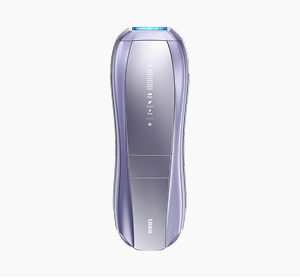
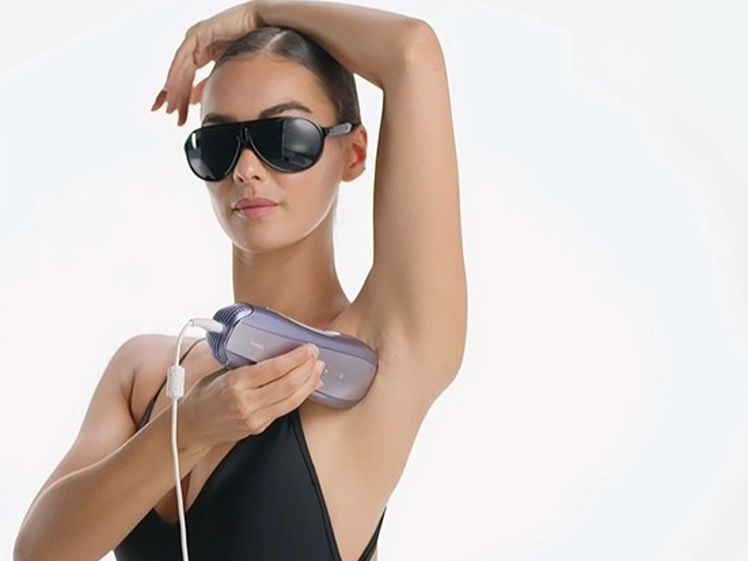
Ulike Air 10: Advanced IPL Hair Removal

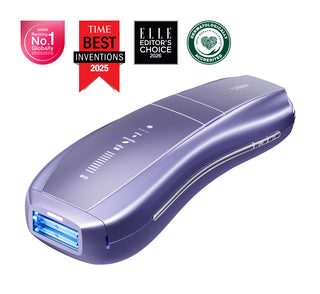
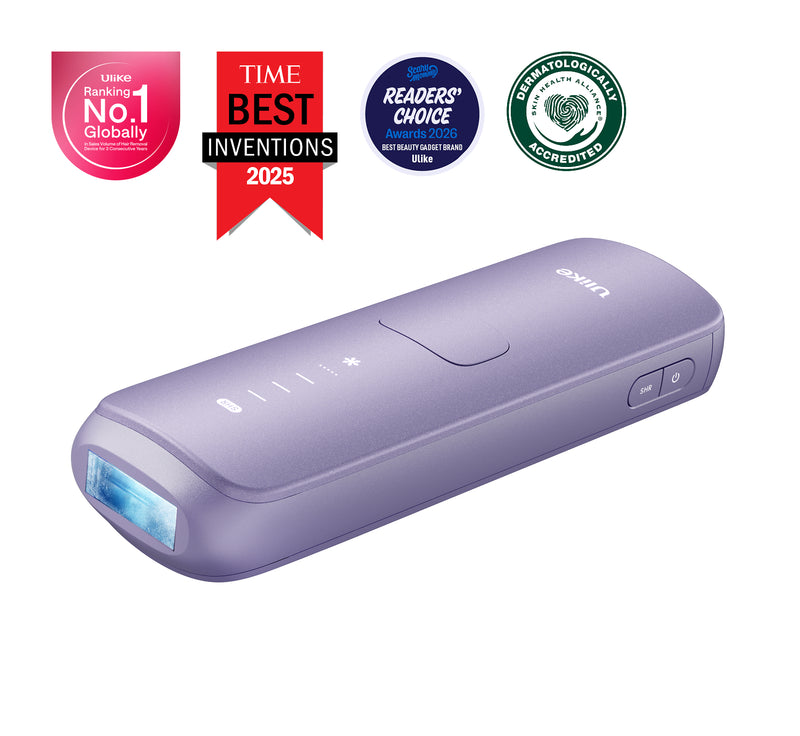
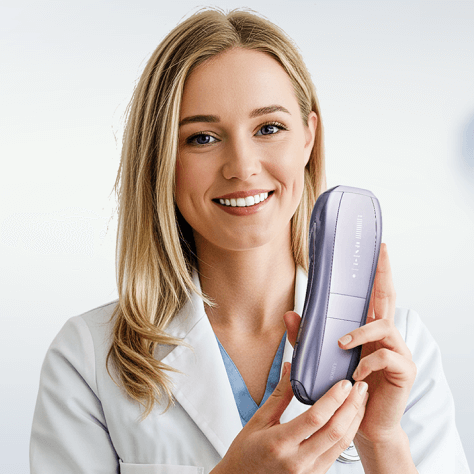
The Ulike Air 10 is designed for at-home IPL hair removal with cooling technology to make sessions more comfortable. Featuring a wider treatment window and double light source, it helps effectively target stubborn hair and deliver visible results in as little as two weeks.


For people who experience recurring ingrown hairs from shaving, reducing hair regrowth may help limit the cycle of shaving irritation. Its brand-new skin protection technology automatically adjusts flash intensity based on skin tone, while the 65°F cooling system helps minimize heat and discomfort. AutoGlide Mode also makes full-body treatments easier with continuous flashes and fewer button presses.

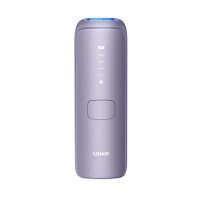
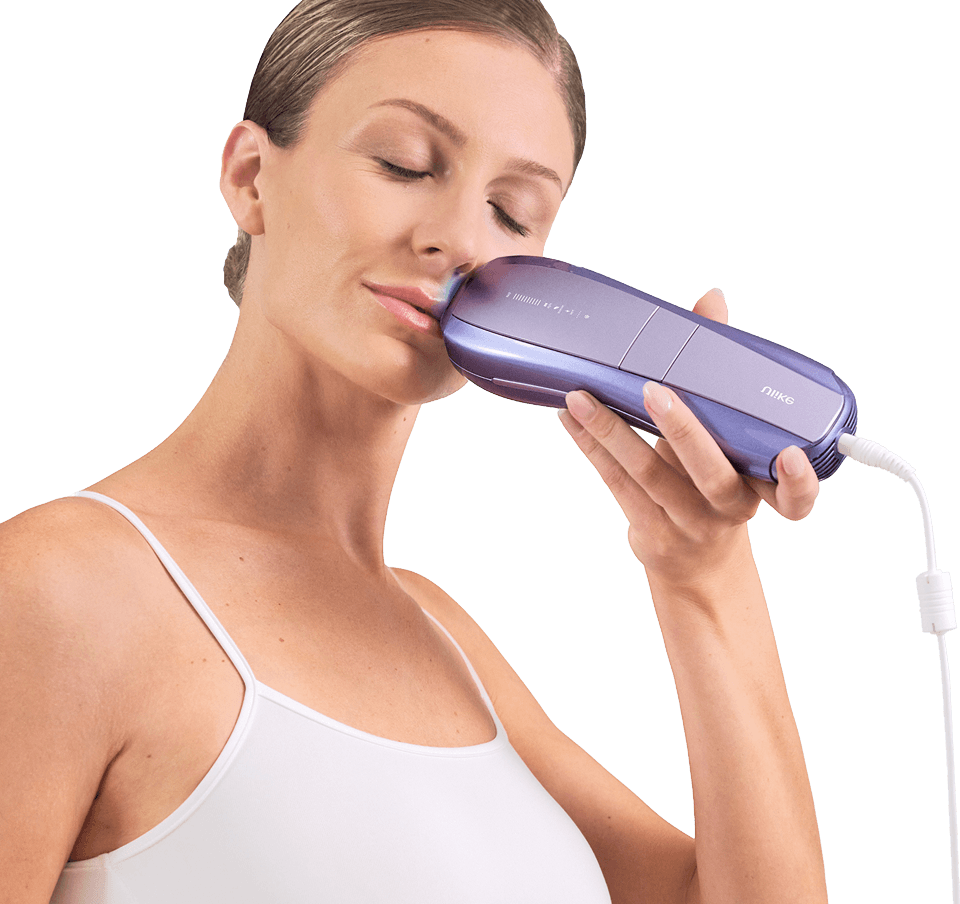
Ulike Air 4: Convenient IPL Hair Reduction

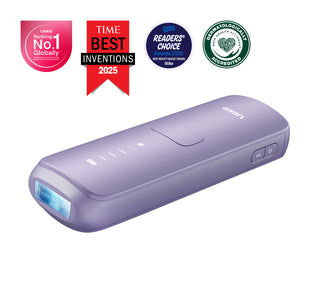
The Ulike Air 4 is another at-home IPL option designed for users looking to reduce unwanted hair and maintain smoother skin with less frequent shaving. Since repeated shaving can contribute to skin irritation and discomfort for some people, reducing hair regrowth may help support a gentler hair removal routine.


Featuring 95.8% hair reduction in 4 weeks, USHR technology, and 24J energy output, the Air 4 effectively targets stubborn hair. Its 64.4°F cooling system and continuous flash function provide a comfortable experience for convenient at-home treatments.

Part 10: Conclusion

Ingrown hair removal works best when you keep the process gentle: soften the skin, exfoliate lightly, and only lift the hair when it is visible. Forcing, squeezing, or digging can turn a small bump into a painful infection or a long-lasting scar.


If you are often removing an ingrown hair in the same area, it may be time to rethink your hair removal routine. Better shaving technique, regular moisturizing, mild exfoliation, and longer-term options such as laser or IPL hair reduction can help reduce repeated irritation. If ingrown hairs are frequent, review your hair removal method and consider a longer-term option that reduces repeated shaving irritation.

Part 11: Frequently Asked Questions

Q1: Can I remove ingrown hair myself?

Yes, you can remove ingrown hair yourself if the hair is visible at the surface and the skin is not infected. Use warm compresses, gentle exfoliation, and sterile tools. Do not dig into a deep bump or squeeze it like a pimple. If the hair is trapped under the skin, give it time to surface. Pain, pus, spreading redness, warmth, or fever means you should stop home treatment and contact a healthcare provider.

Q2: How long does an ingrown hair take to go away?

Most mild ingrown hairs improve within a few days to two weeks, especially if you stop shaving the area and use gentle care. Deeper or inflamed bumps can take longer. Warm compresses and mild exfoliation may speed up the process by helping the hair reach the surface. If a bump lasts for several weeks, grows larger, or keeps coming back, a dermatologist can check whether it is truly an ingrown hair.

Q3: What is the best treatment for ingrown hairs on legs?

The best treatment for ingrown hairs on legs is a combination of warm compresses, gentle exfoliation, moisturization, and better shaving habits. Use a sharp razor, shave with the grain, and avoid dry shaving. For recurring leg bumps, consider chemical exfoliants like salicylic, glycolic, or lactic acid a few times weekly. If shaving keeps causing irritation, longer-term hair reduction methods such as laser or IPL may help reduce the need for frequent shaving.
Previous
Facial Hair Removal: Best Methods and At-Home Options
Share:

Featured Products

Ulike Air 10

Ulike Air 10

2 weeks to silky smooth skin.

96% Hair Density Reduction

The next-generation in simple,

lasting hair removal.

 $259.00 $349.00
Learn More
Facial Hair Removal: Best Methods and At-Home Options

Facial Hair Removal: Best Methods and At-Home Options

Facial hair removal is personal. Some people want to remove peach fuzz for smoother makeup, whil...
Jul 31, 2026
Cost of Laser Hair Removal Surgery: U.S. Pricing Guide

Cost of Laser Hair Removal Surgery: U.S. Pricing Guide

Laser hair removal is a noninvasive cosmetic treatment that uses focused light energy to target ...
Jul 30, 2026
Is Permanent Hair Removal Possible? Methods and Results Explained

Is Permanent Hair Removal Possible? Methods and Results Explained

If you are tired of shaving, waxing, or constantly managing unwanted hair, you may have wondered...
Jul 27, 2026
Ulike Air 10

Ulike Air 10

The next-generation in simple,

lasting hair removal.

Learn More

Explore Beauty

Ulike Air 10

2 weeks to silky smooth skin.

96% Hair Density Reduction in 2 Weeks

Ulike Air 3

3 weeks to silky smooth skin.

93% Hair Density Reduction in 4 Weeks

Ulike Air 4

4 weeks to silky smooth skin.

95.8% hair reduction in just 2 weeks*

Ulike Reglow

Clearer skin in 2 weeks: Fewer breakouts
Smoother skin in 4 weeks: Fewer lines, firmer feel

Leave a comment

All comments are moderated before being published.

Back to top