 Ulike ReGlow Pro★ 5.0 (511)


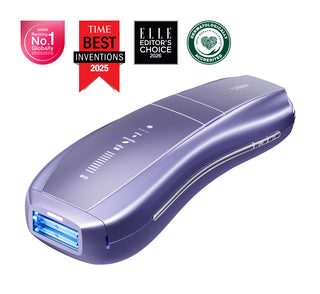
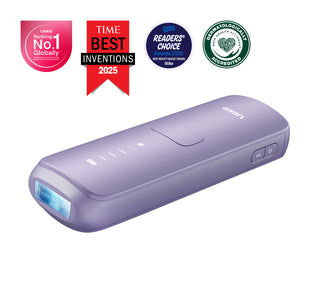


Table of Contents
Electrolysis hair removal is a professional treatment that targets individual hair follicles with a tiny electrical current. For people who want a permanent option for unwanted hair, it can be especially useful on the face, chin, upper lip, eyebrows, bikini line, underarms, and other smaller or precision areas.
Electrolysis hair removal is the only FDA-recognized method for permanent hair removal when performed correctly by a trained professional. It takes multiple sessions because hair grows in cycles, and each follicle must be treated at the right stage to achieve lasting results. This guide covers how electrolysis hair removal works, its benefits, permanence, and alternatives for long-term hair reduction.

Table of Contents:
- Part 1: What Is Electrolysis Hair Removal?
- Part 2: How Does Electrolysis Hair Removal Work?
- Part 3: How Electrolysis Differs From Temporary Methods
- Part 4: Electrolysis and Laser Hair Removal: Key Differences
- Part 5: Is Electrolysis Hair Removal Permanent?
- Part 6: Side Effects, Risks, and Aftercare
- Part 7: At-Home IPL Devices for Convenient Long-Term Hair Reduction
- Part 8: Conclusion
- Part 9: Frequently Asked Questions
Part 1: What Is Electrolysis Hair Removal?
Electrolysis hair removal is a method of removing unwanted hair by disabling the follicle responsible for growth. A trained electrologist inserts a very fine probe into the natural follicle opening and applies a small amount of electrical energy.
EIf you are wondering what is electrolysis hair removal, the simplest answer is: it is a follicle-by-follicle treatment designed to permanently stop treated hairs from growing back. Unlike shaving or waxing, it does not simply remove the visible hair above the skin.
Electrolysis facial hair removal is one of the most common reasons people seek treatment. It can be helpful for isolated chin hairs, upper-lip hair, hormonal facial growth, or precise brow cleanup where accuracy matters.
Part 2: How Does Electrolysis Hair Removal Work?
Electrolysis hair removal works by delivering controlled energy into the hair follicle so the growth cells are damaged or destroyed. When those cells can no longer regenerate hair, the follicle loses its ability to produce future growth.
If you have searched for “electrolysis hair removal how does it work,” the process usually follows these steps:
- 1. The electrologist examines your hair and skin during a consultation.
- 2. A sterile, hair-thin probe is inserted into the follicle opening.
- 3. A brief electrical current is applied to target the growth tissue.
- 4. The treated hair is gently removed with tweezers.
- 5. The process is repeated hair by hair across the treatment area.
- 6. Follow-up sessions target new hairs as they enter the right growth phase.
There are three main professional electrolysis methods. Galvanic electrolysis uses a chemical reaction in the follicle. Thermolysis uses heat. The blend method combines both approaches.
The best method depends on the electrologist’ s training, your hair type, your skin response, and the area being treated. For consumers, the most important factor is not the modality name but whether the provider is qualified, hygienic, and experienced.
Part 3: How Electrolysis Differs From Temporary Methods
Electrolysis differs from temporary hair removal because it targets the follicle itself rather than only cutting, pulling, or dissolving the hair. Shaving, waxing, threading, tweezing, and depilatory creams can be convenient, but they require ongoing maintenance.
Temporary methods can also cause problems for some people. Waxing and tweezing may contribute to ingrown hairs or irritation. Shaving can leave stubble quickly. Depilatory creams may bother sensitive skin, especially on the face or bikini area.
Electrolysis is often chosen when someone wants a long-term solution for a smaller area or hair type that does not respond well to light-based treatments. It is also commonly selected by people who want precise shaping, such as around the eyebrows or upper lip.
The trade-off is time. Because every follicle is treated individually, electrolysis is slower than methods that cover large areas quickly. A small facial area may be practical, while full legs can require a much larger investment of time and money.
Part 4: Electrolysis and Laser Hair Removal: Key Differences
Electrolysis and laser hair removal are both professional hair reduction options, but they work differently and serve different needs. Electrolysis treats one follicle at a time with electrical energy. Laser uses light energy to target pigment in hair across a larger area.
Laser can be efficient for larger body zones such as legs, arms, back, or underarms, especially when there is strong contrast between dark hair and lighter skin. Electrolysis is more precise and can treat hair colors that laser often misses.
Permanence and FDA Classification
Electrolysis is recognized by the FDA as permanent hair removal. That means successfully treated follicles should not grow hair again once the growth cells are destroyed.
Laser hair removal is generally described as permanent hair reduction, not permanent removal. Many people see major long-term reduction after a series of laser sessions, but some hair may return over time, and maintenance treatments may be needed.
This distinction matters when setting expectations. If your goal is eliminating scattered chin hairs permanently, electrolysis may be the better fit. If your goal is reducing dense dark hair on a large area, laser may be more efficient.
Hair Color and Skin Tone Compatibility
Electrolysis can work on all hair colors and skin tones because it does not rely on pigment contrast. Blonde, gray, white, red, and fine hairs can be treated, provided the electrologist can see and access the follicle.
Laser works best when the hair contains enough melanin for the device to target. Dark hair typically responds better than light hair. Skin tone also influences which laser technology is safest and most effective.
People with darker skin tones should seek a provider experienced with appropriate laser systems to reduce the risk of burns or pigmentation changes. Electrolysis may be a more universal option, but skill still matters for comfort and skin safety.
Cost and Session Comparison
Electrolysis sessions are often priced by time, such as 15, 30, 45, or 60 minutes. In the United States, prices vary widely by city and provider, but smaller sessions may cost around $40 to $150 or more.
Laser hair removal is usually priced by body area or package. A single laser session may cost more upfront, but it can treat a larger area quickly. Electrolysis may cost less per visit but require many more visits for dense areas.
Think about the total goal rather than the single-session price. For a few persistent facial hairs, electrolysis can be cost-effective. For large areas with dark hair, laser or IPL may be more practical for reduction.
Part 5: Is Electrolysis Hair Removal Permanent?
Yes, electrolysis hair removal can be permanent when the follicle is properly treated during the right stage of growth. The treated follicle should no longer produce hair once its growth cells are successfully destroyed.
However, the result depends on the hair growth cycle. Not all follicles are active at the same time, so some hairs may appear later even after successful treatment of visible hairs. That does not always mean the same treated hair came back.
One electrolysis hair removal one session appointment can clear visible hairs in a small area, but it will not usually finish the entire process. You may notice smoother skin after one visit, yet future sessions are needed to catch hairs that were not active or visible.
A realistic timeline often involves weekly, biweekly, or monthly appointments over several months. Dense or hormonally influenced growth may take longer. Factors such as genetics, medications, polycystic ovary syndrome, menopause, and previous tweezing or waxing can affect the plan.
Part 6: Side Effects, Risks, and Aftercare
Electrolysis is generally low risk when performed correctly, but temporary skin reactions are common. Redness, mild swelling, tenderness, warmth, or tiny scabs may appear after treatment and usually improve within hours to a few days.
Possible risks include irritation, infection, pigmentation changes, scarring, or keloid formation, especially if the skin is overtreated or aftercare is ignored. People prone to keloids or post-inflammatory hyperpigmentation should discuss this before treatment.
Avoid electrolysis if you have a pacemaker unless your healthcare provider gives clear guidance. Hair inside the nose or ear should not be treated. Hair growing from moles or birthmarks should be evaluated by a medical professional first.
Helpful aftercare steps include:
- Keep the area clean and avoid touching it with unwashed hands.
- Skip heavy makeup, fragranced products, and harsh exfoliants for 24 hours.
- Avoid sun exposure, tanning beds, saunas, and intense workouts right after treatment.
- Use sunscreen on exposed treated areas once the skin has calmed.
- Do not pick at tiny scabs if they form.
Speak with a healthcare provider if unwanted hair growth appears suddenly, worsens quickly, or may be related to hormones, medication, or a medical condition.
Part 7: At-Home IPL Devices for Convenient Long-Term Hair Reduction
At-home IPL devices are not electrolysis, and they do not permanently destroy individual follicles in the same way. IPL, or intense pulsed light, uses broad-spectrum light to reduce hair growth over time, mainly by targeting pigment in the hair.
The best method depends on your goal: choose electrolysis for permanent removal of specific hairs, laser for professional reduction on larger areas, and IPL for convenient at-home hair reduction when your hair and skin type are suitable.
Ulike Air 10: Advanced IPL Hair Reduction for Efficient At-Home Maintenance
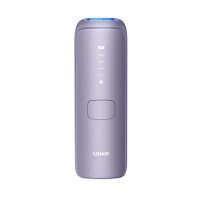
Ulike Air 10 is an advanced at-home IPL device designed for efficient long-term hair reduction. Featuring 26J power, SHR Mode, a wider treatment window, and double light source, it targets stubborn hair and delivers up to 96% hair reduction in 2 weeks based on SGS testing.
Its skin protection technology automatically adjusts flash intensity based on skin tone, while the 65°F cooling system helps provide a comfortable experience. The Air 10 is a convenient choice for managing unwanted hair between professional treatments or at home.
Ulike Air 4: Accessible IPL Hair Removal for Hair Reduction at Home
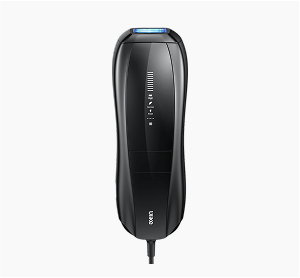
Ulike Air 4 is another at-home IPL option for people who want a more accessible way to reduce unwanted hair over time. With 95.8% hair reduction in 4 weeks, USHR technology, and 24J energy output, it helps target stubborn hair while supporting smoother skin.
Its 64.4°F cooling system helps improve treatment comfort, while continuous flashes allow easier gliding across treatment areas. It’s a practical option for users looking for a simple home routine for long-term hair reduction when IPL is suitable for their hair and skin combination.
Part 8: Conclusion
Electrolysis hair removal is a strong choice if you want permanent removal, especially for facial hair, light-colored hair, or small areas that need precision. It works by treating each follicle individually, which makes it highly targeted but also time-intensive. Laser and IPL can be excellent options for long-term reduction on larger areas, particularly when hair is dark enough for light-based technology. They are not the same as electrolysis, so expectations should be different.
Before starting, book a consultation with a qualified electrologist to evaluate your hair type, skin type, medical history, and treatment goals. A personalized plan can help you understand timing, cost, comfort, and whether electrolysis, laser, IPL, or a combination approach makes the most sense.
Part 9: Frequently Asked Questions
Q1: Is electrolysis hair removal permanent?
Yes, electrolysis hair removal is considered permanent when a follicle is successfully treated. However, multiple sessions are needed because hair grows in cycles and not every follicle is active or visible at one appointment.
You may see new hairs appear after treatment, but those are often untreated follicles entering a growth phase. Hormonal changes can also stimulate new growth over time. Consistency with your treatment plan is the key to long-lasting clearance.
Q2: Does electrolysis facial hair removal hurt?
Electrolysis facial hair removal can feel like a quick sting, heat sensation, or tiny pinch. Most people tolerate it well, though sensitivity varies by area, skin type, hair density, and personal pain threshold. The upper lip is often more sensitive than the chin or jawline. Some providers may suggest topical numbing options when appropriate. If treatment feels unusually painful, ask your electrologist to adjust the timing, intensity, or technique.
Q3: Can electrolysis and laser hair removal be combined?
Yes, electrolysis and laser hair removal can sometimes be combined strategically. Laser may reduce large areas of dark hair first, while electrolysis can finish light, gray, red, or stubborn remaining hairs. This approach can save time for some people. Make sure both providers understand your treatment history, and avoid overlapping treatments on irritated skin. A coordinated plan is safer and more efficient.