 Ulike ReGlow Pro★ 5.0 (511)


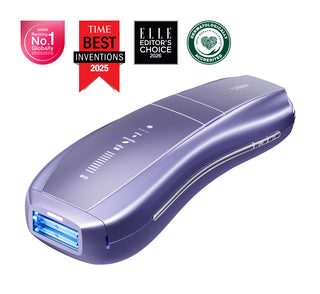


Table of Contents
Facial hair growth caused by Polycystic Ovary Syndrome often feels stubborn in a way that standard hair removal methods cannot fix. You might find yourself shaving, tweezing, waxing, or threading, only for the same dark, unwanted hair to return on its own schedule. This condition, often referred to as hirsutism, can be frustrating, but managing it effectively is a major step toward reclaiming your self-confidence.
IPL PCOS facial hair treatments can help, but the results are rarely instant or permanent. The best outcome is usually reduced density, finer regrowth, and more time between touch-ups, especially when your hair is dark and your skin tone is a good match for the device.
If you want a practical walkthrough first, Ulike's step-by-step IPL routine for PCOS shows how to space treatments safely on the face.
This guide started as a face-focused resource, but PCOS-driven hormonal hair rarely stops at the chin and upper lip. It commonly shows up on the neck, chest, abdomen, lower back, legs, and bikini line too, so the sections below now cover what to expect and how to treat both the face and the body.
Key Takeaways
- Managing Symptoms, Not Causes: IPL reduces the density and texture of PCOS-related facial hair, but it does not address the underlying hormonal imbalances driving the growth.
- The Importance of Contrast: IPL is most effective for users with high-contrast hair and skin (dark, coarse hair on light-to-medium skin) and is often ineffective for light, red, or gray hair.
- Consistency is Essential: Because PCOS triggers continuous hormonal follicle activation, long-term maintenance is required to keep hair thin and manageable rather than expecting a permanent "one-time" cure.
- Safety First: Due to the sensitivity of facial skin, a patch test is mandatory before full application to avoid risks like burns, hyperpigmentation, or paradoxical hair growth.
- Beyond the Face: PCOS hormonal hair can also affect the neck, chest, and lower back — not just the face.
Table of Contents:
- Part 1: Why PCOS changes the IPL equation
- Part 2: IPL vs laser hair removal for facial hair
- Part 3: Where PCOS hormonal hair typically shows up
- Part 4: What results usually look like over time
- Part 5: Standard 12-week plan vs a PCOS maintenance plan
- Part 6: Build-up → reduction → leveling → maintenance: what to expect at each stage
- Part 7: Safety checks before you treat your face
- Part 8: Which Ulike Air 10 mode fits which area
- Part 9: Is IPL worth the cost for PCOS?
- Part 10: Frequently Asked Questions
Part 1: Why PCOS changes the IPL equation
Facial hair associated with Polycystic Ovary Syndrome (PCOS) is driven by a hormonal imbalance, specifically the presence of excessive androgens. Because these hormones signal follicles to grow continuously, IPL (intense pulsed light) can reduce the excessive hair growth you see on the surface, but it cannot address the underlying physiological cause.
The technology works by aiming light at the melanin in the hair shaft and the hair follicle itself. When the hair contains enough pigment, the light is converted into heat, which damages the follicle to slow down future growth. For a technical explanation of how this process works, DermNet's IPL guide is a useful reference.
Successful results depend heavily on the contrast between the skin and hair. Intense pulsed light typically works best on thick dark hair and light to medium skin tones. It is often less effective for blonde, red, gray, or very light facial hair because there is insufficient melanin to attract the light. Similarly, individuals with very deep skin tones may find that standard devices struggle to distinguish between the pigment in the hair and the pigment in the skin.
Because the rapid hair cycle in PCOS often causes regrowth to appear faster than in non-hormonal cases, many people require more frequent initial sessions and consistent long-term maintenance. Understanding that this treatment manages the symptoms rather than the root hormonal issue is key to setting realistic expectations for your results.
The same androgen-driven mechanism that affects the chin and upper lip also explains why PCOS hormonal hair spreads to the neck, chest, abdomen, and lower back — see the evidence behind IPL for PCOS hair growth for a closer look at how this hormonal pathway plays out across the body.
Part 2: IPL vs laser hair removal for facial hair
IPL and laser hair removal both use light to target unwanted growth, but they are not the same. Laser technology uses a single wavelength to focus energy on the hair follicle with high precision. In contrast, IPL uses a broad-spectrum light that is less concentrated, making it a flexible choice for users who want to treat the face and chin at home.
The differences between these methods matter when you compare setup, power, and long-term maintenance.
| Method | Best for | Main tradeoff |
|---|---|---|
| IPL | Dark, coarse facial hair on lighter to medium skin | Often needs more sessions and upkeep |
| Laser hair removal | Dark hair, especially when done in a clinic | Usually costs more, but can be more precise |
| Electrolysis | Any hair color, small facial areas | Slow, but it is the most permanent option |
For many readers, an at-home IPL device sits in the middle. It is often easier to start with at home, and it can cost less per session than professional clinic treatments. However, laser hair removal often has a performance edge for stubborn hormonal hair, especially when a trained provider can customize settings to your skin.
The primary goal with either light-based method is achieving permanent hair reduction, meaning the hair grows back finer and thinner, rather than expecting complete removal. DermNet notes another important point: IPL is generally ineffective for light-colored hair. That makes hair color one of the first things to check before you invest in a device for your facial hair.
Part 3: Where PCOS hormonal hair typically shows up
Androgen-driven hair growth from PCOS rarely stays confined to one spot. Because follicles across the body respond to the same hormonal signal, it helps to know where hormonal hair commonly appears and how treatment considerations shift by area.
Face, chin, and jawline
This is the area most people associate with PCOS-related hirsutism, and it's covered in detail throughout this guide — the melanin-contrast rules, patch-testing steps, and realistic timelines described elsewhere on this page all apply here first.
Neck, chest, and abdomen
Hormonal hair on the neck, chest, and abdomen tends to be finer than facial hair but can still darken and thicken over time with PCOS. Skin in these areas is generally less reactive than facial skin, which gives you a little more room to work with once a patch test confirms your skin tolerates treatment.
Lower back, legs, and bikini line
These areas often have coarser, denser hair and more surface area to cover, so sessions can take longer per visit even when the underlying settings are similar to the neck and chest. The bikini line and underarms tend to carry the thickest hair on the body, which is one reason a higher-intensity mode is often used there.
Wherever your PCOS hormonal hair shows up, the underlying approach stays the same: patch test first, match the setting to the area, and stay consistent. The Ulike for PCOS community page is a good place to see how other people manage hair across all of these areas.
Part 4: What results usually look like over time
Expecting a smooth chin after one treatment is where most people get disappointed. Because of the hair growth cycle, light-based treatments only effectively target follicles when they are in the active growth phase. Since hair follicles transition through different stages at different times, consistency is far more important than intensity when aiming for long-lasting results.
In the first few weeks, you may notice slower regrowth, softer texture, or patchier hair coverage. Clearer changes typically appear only after completing several treatment sessions. With PCOS, the timeline often stretches longer because hormonal fluctuations can continuously activate new follicles.

With PCOS, progress usually shows up as slower regrowth first. Achieving long-lasting results depends on consistent maintenance treatments rather than one perfect cycle.
A practical routine typically involves a series of frequent sessions at the start, followed by spaced maintenance treatments once the hair begins to thin out. If you want a facial-focused guide, Ulike's facial IPL safety and results article is helpful for understanding what change looks like on real facial skin.
The biggest mistake is stopping too early. If you quit after the first visible improvement, the hormonal regrowth associated with PCOS can make it feel as though the device failed. In many cases, the treatment was working, but the process was interrupted before the necessary maintenance phase could begin.
Part 5: Standard 12-week plan vs a PCOS maintenance plan
A standard IPL routine and a PCOS-adjusted routine mostly differ in how long the initial phase runs and how often maintenance is needed afterward:
| Aspect | Standard 12-Week Plan | PCOS Maintenance Plan (16–20 Weeks) |
|---|---|---|
| Total length of the initial program | About 12 weeks | About 16–20 weeks |
| Early session frequency | Every 1–2 weeks | Every 1–2 weeks, sometimes weekly at the very start |
| When results typically become visible | Weeks 4–6 | Weeks 6–10 |
| Maintenance frequency after the initial phase | Every 4–6 weeks | Every 2–4 weeks |
| Why the timeline differs | Hair cycles complete on a fairly predictable schedule | Ongoing androgen signaling keeps activating new follicles, so more cycles are needed to catch regrowth |
Part 6: Build-up → reduction → leveling → maintenance: what to expect at each stage
Most PCOS IPL routines move through four broad stages. Frequency and intensity typically shift as hair thins out:
| Stage | Frequency | Intensity | Expected effect |
|---|---|---|---|
| Build-up | Every 1–2 weeks | Start low, increase gradually as skin tolerates it | Skin adjusts to treatment; little visible change yet |
| Reduction | Every 2 weeks | Moderate to high, as tolerated | Noticeably slower regrowth and finer hair begin to appear |
| Leveling | Every 3–4 weeks | Moderate and steady | Hair density keeps dropping; sessions space out further |
| Maintenance | Every 4–8 weeks (PCOS often needs the shorter end) | Same as the leveling stage | Occasional touch-ups keep regrowth thin and manageable |
Part 7: Safety checks before you treat your face
The face requires more care than the legs or underarms. Skin in this area is thinner, pigment changes are more visible, and small mistakes become apparent quickly. By using IPL, many people of reproductive age hope to avoid the persistent skin irritation and razor burns often caused by daily shaving to manage facial hair linked to high androgen levels or male hormones.
A patch test is essential before full-face use, especially around the jawline or upper lip. Test a small area, wait the full recommended time, and watch for lingering redness, blistering, or dark marks. If your skin reacts strongly, stop treatment and seek professional guidance. When shopping for a device, look for one with a built-in skin tone sensor to help ensure you are using the correct setting for your specific skin type.
People with darker skin tones need extra caution because IPL can heat skin pigment as well as hair pigment. That can raise the risk of burns and hyperpigmentation if the settings are incorrect or the device is not a good match for your complexion. If you tan easily, have a history of post-inflammatory dark marks, or live with melasma, a dermatologist or licensed clinician should help you choose the safest route to achieve your desired clinical results.
There is also the risk of paradoxical hair growth, where hair becomes thicker or more noticeable instead of weaker. It does not happen to everyone, but it is a concern that should be taken seriously, especially on the face when the device, skin tone, and hair type are not well matched.
PCOS also deserves medical attention when facial hair changes suddenly, menstrual cycles become irregular, or hair growth spreads beyond the usual areas. IPL can help manage the hair you see, but it does not address the underlying hormonal source. If you have endocrine concerns, consult a clinician before you start or continue any light-based treatment.
Part 8: Which Ulike Air 10 mode fits which area
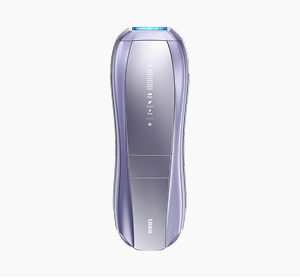
If you're deciding which device to start with, Ulike's best at-home IPL buying guide for PCOS walks through what to look for. The mapping below assumes you're using the Ulike Air 10, since its four built-in modes are enough to cover every area without needing a second device.
| Mode | Best for | Why |
|---|---|---|
| Normal + SkinSensor | Face, chin, and jawline | SkinSensor reads your skin tone automatically and adjusts intensity, adding a layer of caution for the most visible, most sensitive area |
| Normal → High | Neck, chest, and abdomen | Starting on Normal and stepping up to High once skin tolerates it suits body skin that's less reactive than facial skin but still benefits from a gradual ramp-up |
| Super Hair Removal | Underarms and bikini line | Built for coarser, denser hair, which is typically what grows in these areas |
| Fast | Full-body maintenance | Moves through larger areas quickly once hair is already thin, which suits touch-up sessions rather than the initial build-up phase |
Part 9: Is IPL worth the cost for PCOS?
The value question is less about the sticker price and more about the right fit for your needs. An at-home IPL device may involve a higher initial investment, but it often proves more economical than repeated professional clinic visits. However, these savings only matter if the technology is effective for your specific hair and skin profile.
At-home IPL can be a practical choice when your unwanted hair is dark, your skin tone is compatible with the device, and you are committed to maintaining regular treatment sessions. Because the device delivers light energy directly to the hair follicle, it is particularly appealing if you want the privacy and flexibility to manage excessive hair growth on your upper lip or chin on your own schedule.
Professional laser hair removal can cost more per session, but it is often the preferred route if you want an expert to monitor your skin tone and calibrate settings. This clinical oversight is especially valuable for darker skin tones or if you have a history of skin sensitivities. While laser hair removal is an effective alternative, you must weigh the clinical price point against the convenience of home management.
If your hair is very light or fine, or if your excessive hair growth is strongly driven by unsettled hormones, an at-home IPL device may feel expensive for the amount of change it provides. In such cases, professional treatments or electrolysis may offer better long-term value for achieving long-lasting results.
A simple way to judge the price is this: if the device effectively reduces daily grooming time and you can continue to use it safely, the cost is likely worth it. However, if you are strictly chasing long-lasting results without seeing a clear reduction in hair, it is time to reassess your options.
Conclusion
Intense pulsed light can be a useful tool for managing unwanted hair, but it only works when the fit is right. Dark hair, a compatible skin tone, steady use, and realistic expectations matter more than any promise on the box.
The best result is usually less hair, finer hair, and longer gaps between sessions, rather than a one-time cure. If you are unsure about your skin tone, have melasma, or suspect that a hormonal issue is still active, get a professional opinion before you commit to using intense pulsed light at home.
That makes the first question simple: will this method help you manage the hair you have now, safely and consistently? For many people, navigating IPL PCOS facial hair management is a journey toward achieving long-term, permanent hair reduction, provided that maintenance remains a regular part of the plan.
Frequently Asked Questions
Q1: Will IPL permanently remove my PCOS facial hair?
IPL provides permanent hair reduction rather than total removal. While it can make hair grow back thinner and slower, the hormonal nature of PCOS means that maintenance sessions are typically required indefinitely to manage regrowth.
Q2: Can I use IPL if I have darker skin?
Standard IPL devices can be risky for darker skin tones because they may struggle to distinguish between hair and skin pigment, which increases the chance of burns or hyperpigmentation. It is best to consult with a dermatologist to determine if your specific skin tone is compatible with a professional-grade device.
Q3: How often should I use IPL on my face?
Frequency depends on the device instructions and your specific hair growth cycle, but most routines start with sessions every one to two weeks. Once you see a reduction in hair density, you can transition to a less frequent maintenance schedule.
Q4: Why does my hair seem to grow back even after using IPL?
PCOS creates a hormonal environment that constantly stimulates new hair follicle cycles. If you stop treatments too early, the hormonal regrowth will quickly revert to its previous state, which is why consistent, long-term maintenance is the key to lasting results.
Q5: Can IPL treat PCOS-related hair growth on my body, not just my face?
Yes. The same hormonal mechanism behind facial hirsutism in PCOS can also drive hair growth on the neck, chest, abdomen, lower back, legs, and bikini line. See Where PCOS hormonal hair typically shows up for how treatment considerations shift by area.
Q6: How long does a full PCOS IPL maintenance plan take — is it different from the standard 12 weeks?
Yes — a standard routine typically runs about 12 weeks, but PCOS-related hormonal hair usually needs about 16 to 20 weeks before density levels off, plus ongoing maintenance after that. See Standard 12-week plan vs a PCOS maintenance plan for the side-by-side breakdown.
Q7: Which Ulike Air 10 mode should I use for body areas vs facial hair?
Facial areas call for Normal mode with SkinSensor for extra caution, while body areas can move to Normal-to-High for the neck, chest, and abdomen, Super Hair Removal for coarser hair on the underarms and bikini line, and Fast mode for full-body maintenance. See Which Ulike Air 10 mode fits which area for the full mapping.
Q8: Is it safe to use the same IPL settings on my body as on my face?
Not exactly. Facial skin is thinner and any mistakes are more visible, so it generally calls for more cautious settings and closer monitoring. Body skin can usually tolerate settings closer to a device's standard recommendations, but a patch test is still required before treating any new area, regardless of how confident you feel about your facial settings.