





IPL Hair Removal for the Back: What Works and What to Expect

Back hair removal is often difficult to manage because the area is hard to reach, awkward to wax, and easy to neglect until it becomes a persistent bother. That is why many people look at IPL hair removal back as a lower-maintenance solution for managing unwanted growth.
It can reduce hair density over time, but it is not a one-session fix. Results vary based on your skin tone, hair color, device quality, and how consistently you treat the area. On the back, reach matters significantly, as achieving even coverage is harder than it sounds. Ultimately, a consistent treatment plan is the best way to enjoy smooth skin.
The first step is knowing how IPL works, and where its limits start.
Key Takeaways
- IPL technology uses light energy to damage hair follicles, leading to long-term reduction in hair growth rather than immediate or permanent removal.
- Success depends heavily on the contrast between your hair color and skin tone; it works best on dark hair and light skin, while being less effective on blond, red, or gray hair.
- The back is a large, high-coverage area that requires consistent, methodical treatment to avoid uneven regrowth or missed patches.
- Reach is a primary challenge for at-home users, making in-clinic professional treatments a preferred option for those who cannot easily access their own upper back and shoulder regions.
- Proper skin preparation, including shaving the surface hair beforehand, and avoiding sun exposure, is essential to minimize irritation and maximize the effectiveness of the light treatment.
How IPL works on back hair
IPL stands for intense pulsed light. It sends broad-spectrum light into the skin, where melanin in darker hair absorbs the energy. That heat can damage hair follicles to support a reduction in regrowth. A review of intense pulsed light systems explains why hair and skin contrast matter so much for effective results.
Because back hair is often coarse and dark, some people respond well to these treatments. On the other hand, blond, red, gray, and white hair usually respond poorly because they contain less pigment. Very dark skin tones can also be harder to treat safely with some devices, since skin pigment may absorb more of the light. That is why you should always check the device skin tone chart and safety instructions before beginning.

The back also takes patience. Because hair follows a natural hair growth cycle, only some follicles are active at each session. You need repeated treatments over time, then occasional touch-ups to keep regrowth down. If you want a plain-language refresher on how IPL hair removal works, that covers the basic science and safety points.
IPL is best seen as long-term hair reduction, not guaranteed permanent removal.
Some people end up with much less hair. Others see slower growth, finer texture, or patchier regrowth rather than near-clear skin. That difference is normal. On a large area like the back, the quality of the device, the size of the treatment window, and features like ice cooling technology all affect your overall comfort and results. Staying consistent with your schedule is the most important factor in achieving your goals.
Why the back is a good candidate, and a tricky one
The back has one clear advantage. It is a large treatment zone, so each session can cover more skin than small areas like the upper lip or underarms. If your back hair is thick and dark, professional-grade back hair removal results can be easier to notice as you progress.
Still, the back is one of the hardest areas to treat well on your own. The lower back is usually manageable, but the upper back, shoulders, and area near the spine are much tougher to reach. Because this form of at-home hair removal requires precision, missing strips or angles can lead to uneven regrowth. Some people ask a partner to help, while others switch to a clinic because they want complete coverage.
Pain is usually manageable. Most people describe IPL as a quick warm snap. The shoulders and upper back may feel more uncomfortable for those with sensitive skin than the middle or lower back. Cooling features can help, and so can taking the time to shave the area first so the light focuses below the surface instead of singeing stray hairs.
Consistency matters more than grit. Back hair will not vanish after two or three sessions. Stubborn body hair often needs a longer runway for successful results, and the back's size means that sloppy technique shows up fast. If you can keep a steady routine and track the same spots over time, you are much more likely to judge the method fairly.
At-home vs in-clinic options for back hair
If you are choosing between home treatment and a clinic, the back changes the math. Reach and even coverage matter more here than they do on the legs. While home devices are convenient and private, clinics have an obvious edge when you cannot see or reach the full area yourself. If you are comparing your options, this guide on how to choose the best IPL device can help you think through fit, features, and limits, especially when looking for a reliable, FDA-cleared device.
There is also a power gap. At-home devices are made for lower-risk use, so they often use lower energy settings than professional machines. When you compare intensity levels, clinics may use stronger IPL systems or steer you toward professional laser hair removal, which is often recommended for dense back hair. A small clinical trial on at-home IPL found meaningful hair-count reduction after repeated treatments, which supports the bigger point: regular sessions matter more than one strong treatment.
This quick comparison helps put the trade-offs in view:
| Factor | At-home IPL | In-clinic treatment |
|---|---|---|
| Coverage | Harder to reach the full back alone, but offers full body treatment capacity | A provider can cover the whole area more evenly |
| Power | Lower intensity levels, slower visible results for some users | Higher energy, often faster visible results |
| Cost | Higher upfront device cost, then lower ongoing cost | Higher per-session or package cost |
| Privacy | Full privacy at home | Requires appointments and in-person treatment |
| Best fit | People with good hair-skin contrast who can stay consistent | Dense hair, hard-to-reach areas, or people who want expert guidance |
For the back, clinics usually win on reach and speed. Home devices usually win on privacy and long-term cost. Your better option is the one you can use safely, evenly, and on schedule.
How to prep and care for your skin after each session
Good prep lowers the chance of irritation and helps the light target the hair better. Because IPL reacts to pigment, skin with recent sun exposure is a bad setup for treatment. If your back has been exposed to the sun, wait until your skin returns to its natural tone. Proper preparation is also one of the most effective ways to prevent ingrown hairs throughout your hair removal journey.
A simple routine works best:
- Shave the area before treatment, following your device instructions. It is vital to understand the difference between shaving or waxing; you must shave because IPL needs the hair root in place to function, whereas waxing or plucking removes the root entirely.
- Wash off lotion, sunscreen, sweat, and self-tanner. Start with clean, dry skin.
- Perform a patch test on a small spot first, then wait the amount of time listed in the manual to ensure your skin reacts well to the light.
- Avoid tattoos, dark moles, broken skin, active rashes, and inflamed acne spots. Many devices should not go over those areas.
- Work in sections so you do not miss patches or repeatedly flash the same spot.
- Always wear protective goggles during your session to prevent eye irritation from the bright light flashes.
After treatment, mild redness and warmth are common. A cool compress or soothing aloe vera gel often helps calm the area. If the skin feels tender, skip hot showers, harsh scrubs, and heavy fragrance for a day or two. Sunscreen is essential if your shoulders or upper back will be exposed to sunlight.
Stop treatment if you get blistering, severe pain, marked swelling, or pigment changes that do not settle. Those reactions are not the norm, and they deserve professional attention rather than guesswork.
When to skip IPL and ask a dermatologist or licensed professional
Some people should pause and seek a dermatologist consultation before starting. If your back hair appeared suddenly, got much thicker in a short time, or comes with acne, irregular periods, or other signs of hormone changes, talk with a healthcare provider first. Hair growth patterns can shift for reasons that have nothing to do with grooming.
You should also get professional guidance if you have eczema, psoriasis, frequent folliculitis, a history of keloids, melasma, or a strong tendency toward dark marks after inflammation. The same goes if you are taking a medicine that raises light sensitivity, such as isotretinoin or some antibiotics. Many device manuals also advise against use during pregnancy because safety data are limited, so follow the manual and ask your clinician if you are unsure.
Skin tone and hair color matter here too. Because the specific wavelength selection is critical for safety and efficacy across different skin tone and hair color combinations, IPL may be a poor match for certain users. A dermatologist or licensed professional can evaluate your skin to determine whether clinic-based IPL, professional laser hair removal, or a different hair-removal method makes more sense. A review of IPL safety and side effects notes that poor technique or overly high settings can raise the risk of pigment changes, folliculitis, and other problems. Even if you achieve initial results, a professional can provide guidance on when to begin your maintenance phase to effectively manage follicles that were previously dormant.
Sometimes the issue is simple. If you cannot reach your upper back well enough to treat it evenly, that alone is a good reason to book a consultation.
Frequently Asked Questions
Is at-home IPL safe for the entire back area?
At-home IPL is generally safe, provided you follow the manufacturer's instructions, use the device only on compatible skin tones, and avoid sensitive or broken skin. However, the difficulty of reaching the upper back often leads to uneven coverage, which is why many people prefer professional assistance for these harder-to-reach zones.
Can IPL permanently remove all back hair?
IPL is classified as a method for long-term hair reduction rather than permanent removal. While many users experience significant thinning and slower growth, most people will require ongoing maintenance sessions to keep the area smooth over the long term.
Why must I shave before using an IPL device?
Shaving ensures that the IPL light energy is directed toward the hair follicle root beneath the skin rather than burning the hair visible above the surface. If you do not shave, the light can singe the surface hair, which reduces the efficacy of the treatment and may cause discomfort or skin irritation.
Can I use IPL if I have tattoos or moles on my back?
No, you should strictly avoid flashing IPL light over tattoos, dark moles, birthmarks, or heavily pigmented skin. The concentrated light is attracted to pigment and can lead to painful burns, blistering, or unwanted skin damage when used over these areas.
Final thoughts
IPL hair removal back treatments are often highly effective because the surface area is broad and the hair is typically coarse, making it a prime target for light-based technology. However, the back presents a practical challenge, as it is difficult to treat the entire area evenly without assistance from another person.
If you are a good candidate for the technology and you remain consistent with your treatment schedule, achieving long-term hair reduction is a realistic and worthwhile goal. Whether you choose a professional clinic or an at-home device, the safest approach is to select the option that best suits your skin tone, hair color, and your ability to reach every spot effectively. With the right patience and technique, you can successfully enjoy the benefits of smooth skin across your back.
Featured Products

Ulike Air 10
2 weeks to silky smooth skin.
96% Hair Density Reduction
The next-generation in simple,
lasting hair removal.

How to Switch from Plucking Chin Hair to IPL

Electrolysis vs Laser Hair Removal: Which Is Better?
Best Female Facial Hair Remover: Which One Suits You?

Explore Beauty
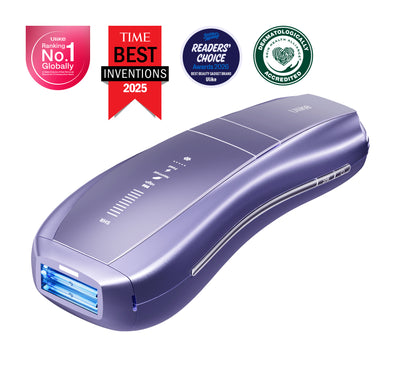
Ulike Air 10
2 weeks to silky smooth skin.
96% Hair Density Reduction in 2 Weeks
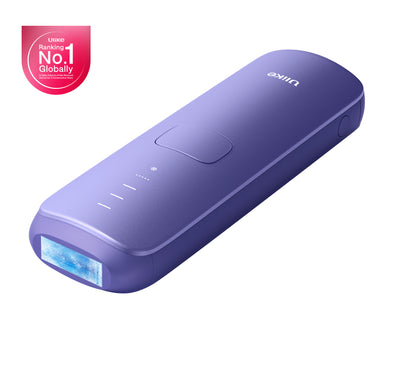
Ulike Air 3
3 weeks to silky smooth skin.
93% Hair Density Reduction in 4 Weeks
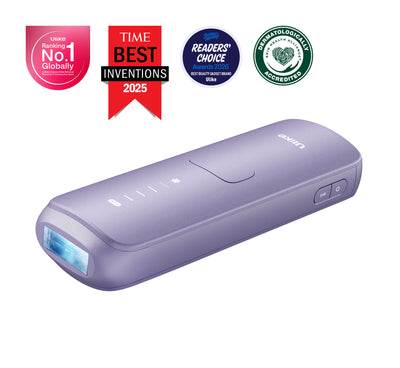
Ulike Air 4
4 weeks to silky smooth skin.
95.8% hair reduction in just 2 weeks*
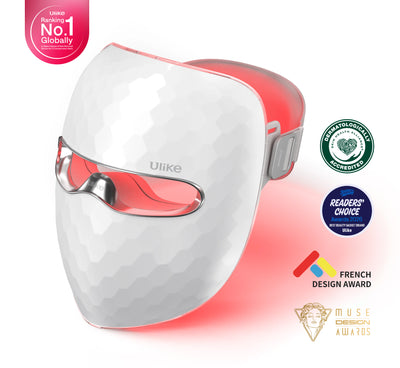
Ulike Reglow
Clearer skin in 2 weeks: Fewer breakouts
Smoother skin in 4 weeks: Fewer lines, firmer feel