



Upper Lip IPL: Safety, Results, Pain, and Best Options

Upper lip hair can feel more annoying than hair anywhere else when it comes to facial hair removal. It's front and center, it grows fast, and bad removal methods can leave redness, bumps, or a visible shadow.
Upper lip IPL offers a solution for hair removal that delivers smooth skin by reducing regrowth over time, but this small facial area needs more care than larger body zones. Unlike laser hair removal, upper lip ipl suits delicate spots well, and at-home ipl is a growing trend for the area. If you're deciding between at-home treatment and clinic sessions, the details below will help you set realistic expectations and avoid common mistakes.
Key Takeaways
- Upper lip IPL targets melanin in hair follicles for long-term hair reduction, delivering smoother skin with fewer, finer hairs over multiple sessions, but works best on dark hair against light to medium skin tones.
- Safety is key for this sensitive area: always patch test 24-48 hours prior, shave instead of waxing, use FDA-cleared facial devices, and consult a dermatologist for hormonal changes, reactive skin, or darker tones.
- Pain feels like a quick snap or pinch, sharper on the face than body areas but brief; cooling features and low settings help manage discomfort during short treatments.
- At-home IPL offers convenience and lower long-term cost for suitable candidates, while professional sessions provide stronger results and oversight for complex cases like stubborn or hormonal facial hair.
- Set realistic expectations: IPL achieves permanent reduction, not total removal, requiring consistency and occasional maintenance.
How IPL on the upper lip works
Why does the upper lip seem harder to treat than the legs or underarms? The area is small, sensitive, and often has a mix of fine and coarse hairs. On top of that, facial hair is more likely to be shaped by hormones, so regrowth can be less predictable.
IPL stands for intense pulsed light. Unlike laser hair removal, intense pulsed light uses broad-spectrum light that targets melanin within the hair pigment; heat then travels down the shaft to the hair follicles and weakens them. While the process works similarly on the upper lip and underarms, the face demands extra care due to its sensitivity. Because hair grows in cycles, only some hairs are ready to respond at each session. That's why a single treatment won't clear the area.

Results depend a lot on hair color and skin tone. Dark, coarse upper lip hair usually responds best because it contains more pigment. Blonde, red, gray, and white hairs often respond poorly or not at all. Meanwhile, deeper skin tones can be harder to treat safely unless the device is designed for them, because intense pulsed light also reacts to pigment in the skin.
Permanent hair reduction means fewer, finer hairs and slower regrowth. It does not mean every upper lip hair is gone forever.
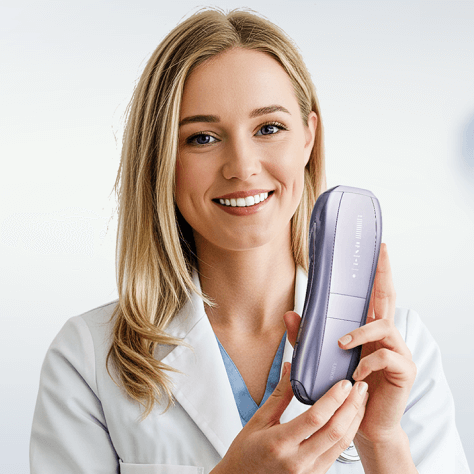
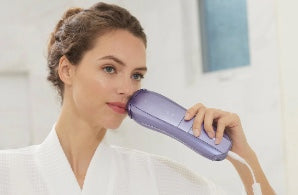
That distinction matters. Ads often blur the line between "less hair" and "permanent hair removal." In real life, most people need a full series of sessions, then occasional maintenance. If you're comparing home devices, facial comfort features also matter more here than on the legs, especially skin tone adaptability. For example, the Ulike Air 10 IPL device highlights cooling technology and a skin sensor, which can make the upper lip easier to treat with care.
Who sees the best results, and who may not
The best results usually happen when there's clear contrast between the hair color and the skin tone. That often means dark hair on light to medium skin. Still, that does not mean those with dark skin tones cannot use IPL. It means those with dark skin tones need to be more selective with their device choice, settings, and safety checks.
Facial hair can also be stubborn for reasons that have nothing to do with the device. Hormonal changes can drive upper lip growth, especially around puberty, after pregnancy, during perimenopause, or with conditions such as PCOS. Because of that, the hair may come back faster than body hair, even when treatment delivers long-lasting results.
If your upper lip hair has changed suddenly, become much coarser, or increased alongside acne or irregular periods, it makes sense to speak with a dermatologist first, before considering IPL or laser hair removal. IPL can reduce visible hair, but it won't fix the cause of new hormonal growth. A medical check can save you time and frustration.
Skin history matters too. If you have melasma, frequent irritation around the mouth, rosacea flares, eczema, or past dark spots after inflammation, go slowly. Facial skin can overreact even when body skin tolerates treatment well. A good overview of these differences appears in face vs body IPL eligibility guidance, which explains why the upper lip needs a more careful start. Seeking professional advice ensures the plan is dermatologist approved.
Some people should pause and get advice before trying it at all. That includes anyone with broken skin, active cold sores near the mouth, a recent tan, or a history of pigment changes after heat or light treatments. If you're using photosensitizing medication, or strong skin-care actives like tretinoin and exfoliating acids, check the device instructions and ask a clinician when in doubt.
Safety rules for treating the upper lip
Before your first session
The safest upper-lip IPL routine starts before the first flash. First, confirm that your device is FDA-cleared for facial use and suitable for your skin tone. Not every home device is a fit for the upper lip, and some have stricter limits near the face.
Next, do a patch test at least 24 to 48 hours ahead. Treat a tiny spot above the lip, then watch for side effects like redness, swelling, blistering, or unusual darkening. Mild pinkness can happen. Strong irritation is a stop sign.
Your skin should be clean, dry, and free of makeup, sunscreen, perfume, and heavy skin care. Also, shave the hair instead of waxing, threading, or plucking. Shaving is required to leave the root in place for IPL to target, while waxing should be avoided since it removes the hair from the root and leaves less for the light to target. For a practical step-by-step approach, this facial IPL safety guide covers patch testing, spacing, and stop rules in plain language.
During and after treatment
Stay above the lip line only. Do not flash intense pulsed light on the lips, the inside of the nostrils, irritated skin, moles you have not covered, tattoos, or any area close to the eyes. The upper lip is tiny, so it's tempting to overlap again and again. Don't. Extra passes raise the risk of burns and pigment change more than they raise the chance of faster results.
Most people describe the feeling as a quick snap or heat pinch. On the upper lip, it can sting more than the legs because the skin is thinner and nerves are closer to the surface. Cooling features help, and so does starting at a lower setting.
A few simple habits lower your risk of irritation:
- Use the sensitive mode and adjust intensity levels to the lowest comfortable setting for your first facial session.
- Avoid treatment on tanned, sunburned, or freshly exfoliated skin.
- Apply a bland moisturizer after treatment if the area feels warm.
- Wear broad-spectrum sunscreen daily, because the upper lip darkens easily after irritation.
If redness lasts more than a day, or if you get blistering, crusting, swelling, or patchy lightening or darkening, stop treatment and get medical advice. The same goes for repeated reactions that worsen with each session. Another helpful reminder appears in this guide to upper-lip mistakes to avoid, including why overtreating a small facial zone often backfires in laser hair removal and intense pulsed light hair removal.
Pain, timeline, and cost: at-home vs professional IPL
Pain matters, especially on the face. The good news is that upper lip hair removal with intense pulsed light takes only a few flashes, so while it is not entirely painless, the discomfort is brief. The less fun part is that this area often feels sharper than larger body zones. Watery eyes can happen because the skin sits close to the nose, even when the treatment itself is going fine.
Visible results from hair removal also take patience. Some people notice slower growth and softer regrowth within a few weeks. Others need longer, especially if the hair is fine or hormone-driven. With at-home ipl devices, you usually follow a regular schedule during the treatment phase at first, then space sessions out during the maintenance phase. Clinics also use repeat treatments, because follicles still cycle in and out of growth.
This quick comparison shows where each option tends to fit best:
| Factor | At-home IPL | Professional IPL |
|---|---|---|
| Cost pattern | One up-front device cost | Pay per visit |
| Treatment strength | Lower energy, built for home use | Higher energy intense pulsed light or diode laser, clinician-controlled |
| Convenience | Easy for touch-ups at home | Requires appointments |
| Supervision | Self-directed | Skin assessment and guided settings |
| Best fit | Consistent users with a good skin-hair match | Complex cases, darker skin, facial sensitivity, or hormonal hair |
The main trade-off is simple. At-home IPL costs less over time and works well for many people who can stick to a schedule. Professional treatment offers stronger customization and more oversight, which can be worth it for the upper lip, especially since the pain experience here is sharper than on areas like the bikini line.
If you have deeper skin tone, melasma, reactive skin, or facial hair that feels unusually stubborn, a licensed professional using laser hair removal is often the safer first stop. On the other hand, if your skin and hair are a good match and your device is approved for facial use, home treatment can be a practical option. Either way, keep your goal realistic: less regrowth, finer hairs, and less daily maintenance.
Frequently Asked Questions
Is upper lip IPL safe for everyone?
No, it's safest for those with dark hair on light to medium skin tones due to melanin targeting. People with darker skin, hormonal hair growth, melasma, rosacea, or recent tans should consult a dermatologist first and choose skin-tone adaptive devices. Always patch test and follow prep rules like shaving and avoiding irritants.
How many sessions does upper lip IPL take for results?
Most need 6-12 initial sessions spaced every 1-2 weeks, then maintenance every 1-2 months, as hair grows in cycles. Visible slowing and softening starts after a few weeks, but full reduction takes consistency. Hormonal factors can extend timelines.
Does upper lip IPL hurt, and how does pain compare to other areas?
It feels like a quick heat pinch or snap, often sharper on the thin upper lip skin than legs or underarms due to closer nerves. Cooling tech and low settings make it tolerable, and sessions last just seconds. Watery eyes can occur from proximity to the nose.
At-home vs professional IPL: which is better for the upper lip?
At-home suits consistent users with good skin-hair matches for convenience and cost savings over time. Professional IPL offers higher energy, customization, and safety checks, ideal for sensitive skin, darker tones, or stubborn hair. Both reduce regrowth but need multiple visits.
Can IPL remove upper lip hair permanently?
No, it provides permanent hair reduction—fewer, finer, slower-growing hairs—but not total removal, as some follicles cycle or hormones influence regrowth. Maintenance sessions keep results smooth. Ads may overpromise; realistic goals focus on less shadow and upkeep.
Final thoughts
The upper lip can respond well to intense pulsed light, but it asks for more patience and more care than larger areas. The best outcomes usually happen when the hair has enough pigment, the skin is treated gently, and sessions stay consistent.
What most people want is not a miracle. They want permanent hair reduction that makes the shadow lighter, the regrowth slower, and the mirror less annoying every morning for smooth skin. That is a reasonable goal.
If your skin is reactive, your hair changed suddenly, or you're not sure your skin tone is a safe match for a home device, a dermatologist or licensed professional can help you make the right call before you start hair removal. They ensure safe hair removal tailored to your needs. Consistency is key for effective facial hair removal.
Featured Products

Ulike Air 10
2 weeks to silky smooth skin.
96% Hair Density Reduction
The next-generation in simple,
lasting hair removal.

How to Switch from Plucking Chin Hair to IPL

Electrolysis vs Laser Hair Removal: Which Is Better?
Best Female Facial Hair Remover: Which One Suits You?

Explore Beauty
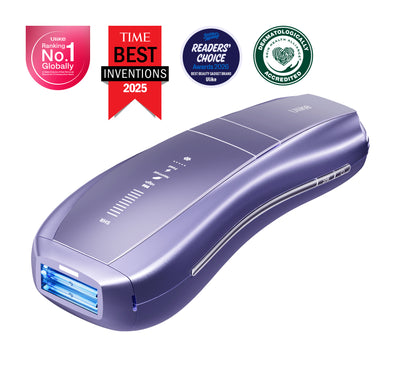
Ulike Air 10
2 weeks to silky smooth skin.
96% Hair Density Reduction in 2 Weeks
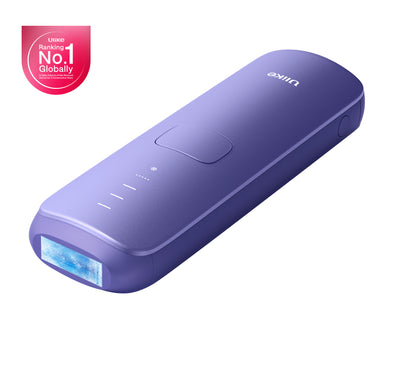
Ulike Air 3
3 weeks to silky smooth skin.
93% Hair Density Reduction in 4 Weeks
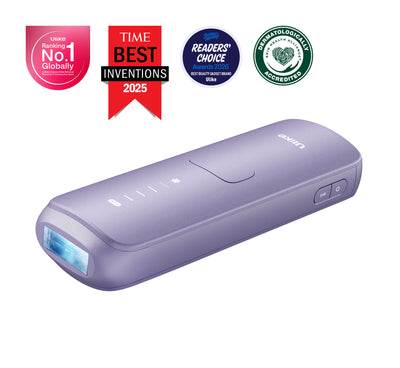
Ulike Air 4
4 weeks to silky smooth skin.
95.8% hair reduction in just 2 weeks*
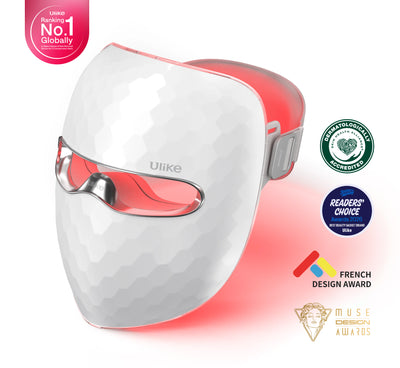
Ulike Reglow
Clearer skin in 2 weeks: Fewer breakouts
Smoother skin in 4 weeks: Fewer lines, firmer feel