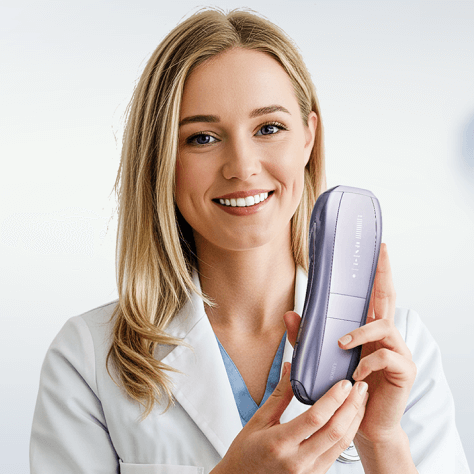
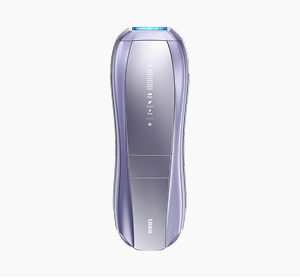
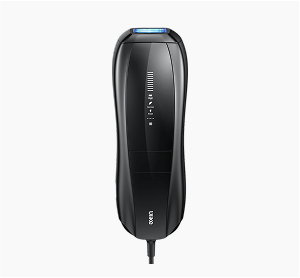
 Ulike ReGlow Pro★ 5.0 (511)


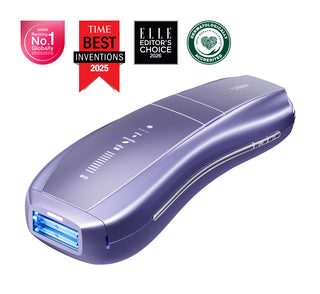
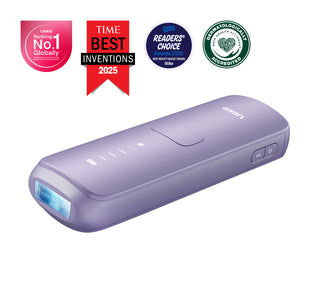


Table of Contents
If you want to remove private hair, the safest approach depends on your skin sensitivity, pain tolerance, and how smooth you want the area to feel. Pubic skin is more delicate than skin on the legs or arms, so intimate hair removal should be done slowly, with clean tools and realistic expectations.
There is no medical need to remove pubic hair. Some people prefer a natural look, while others groom for comfort, appearance, reduced friction, or swimsuit confidence. This guide explains the most common options for private part hair removal, including trimming, shaving, waxing, laser reduction, depilatory creams, and at-home IPL devices for the bikini area.

Table of Contents:
- Part 1: The Safest Way to Remove Private Hair (Quick Answer)
- Part 2: Why Does Pubic Hair Exist?
- Part 3: Private Part Hair Removal Methods Explained
- Part 4: How to Choose the Right Method for Your Skin
- Part 5: Safety Precautions Before and After Intimate Hair Removal
- Part 6: Is It Necessary to Remove Pubic Hair?
- Part 7: At-Home IPL Devices for Comfortable Bikini Area Hair Reduction
- Part 8: Conclusion
- Part 9: Frequently Asked Questions
Part 1: The Safest Way to Remove Private Hair (Quick Answer)
The safest way to remove private hair is usually trimming with a clean electric trimmer that has a guard. Trimming shortens hair without cutting it at skin level, which lowers the risk of nicks, razor burn, ingrown hairs, and irritation.
If you want a smoother finish, shaving is quick but more likely to cause bumps. Waxing and sugaring last longer, but they can be painful and may irritate sensitive skin. Laser hair reduction and IPL devices can reduce regrowth over time, but they are not suitable for every skin tone, hair color, or treatment area.
For the removal of genital hair, avoid applying products directly to the genitals, inner labia, mucous membranes, or irritated skin. The bikini line and outer pubic mound can often be treated more safely than the most sensitive areas.
Part 2: Why Does Pubic Hair Exist?
Pubic hair is normal and has protective functions. It helps reduce friction, traps sweat and debris, and provides a layer of cushioning for delicate skin. It can also help protect the skin barrier in an area that experiences movement, moisture, and contact with clothing.
Having pubic hair does not mean you are unhygienic. Basic cleansing with water and a gentle, fragrance-free cleanser on the outside of the body is usually enough. The vagina is self-cleaning, and harsh soaps or scented products can disrupt the natural balance.
Grooming is a personal choice. The best routine is one that keeps your skin comfortable and does not leave you with repeated cuts, burning, or painful ingrown hairs.
Part 3: Private Part Hair Removal Methods Explained
Private part hair removal can mean different things. Some people only tidy the bikini line, while others remove hair from the pubic mound or choose a more complete Brazilian-style look. The removal of genital hair should be approached carefully because the closer you get to delicate tissue, the higher the risk of irritation.
Each method has a different balance of convenience, smoothness, cost, and risk. Here is how the main options compare.
Trimming
Trimming is the safest pubic hair removal method for most people. It cuts hair shorter without removing it from the root or scraping the skin, so it is less likely to cause razor burn, ingrown hairs, or small wounds.
Use a dedicated electric body groomer or bikini trimmer with a safety guard. Do not share the device, and clean it after each use. Good lighting and a handheld mirror can help you avoid uneven pressure or accidental nicks.
Trimming is ideal if you have sensitive skin, frequent ingrown hairs, diabetes, a weakened immune system, or you simply want a low-maintenance routine. It will not create a completely smooth finish, but it is practical and skin-friendly.
Shaving
Shaving is the quickest way to get a smooth look at home, but it also has a higher irritation risk. Pubic hair is often coarse and grows in different directions, making razor bumps and ingrown hairs common.
For safer shaving, use a fresh, sharp razor and a fragrance-free shaving gel or cream. Shave in the direction of hair growth when possible, and avoid pressing hard. If the hair is long, trim first so the razor does not tug.
A simple shaving routine can look like this:
- 1. Wash the area with warm water and a gentle cleanser.
- 2. Trim longer hair before using a razor.
- 3. Apply a generous layer of shaving gel or cream.
- 4. Shave slowly with light pressure.
- 5. Rinse, pat dry, and apply a gentle, fragrance-free moisturizer.
Do not dry shave. It increases friction and makes cuts more likely.
Waxing and Sugaring
Waxing and sugaring remove hair from the root, so results can last several weeks. These methods are popular for bikini line hair removal because they leave the skin smoother for longer than shaving.
The trade-off is discomfort. Pulling hair from the root can cause redness, swelling, bruising, ingrown hairs, or tiny skin tears. Hot wax can also burn skin if the temperature is too high.
If you are new to waxing, a licensed professional is often safer than an at-home kit. Ask about hygiene practices, including whether they use a fresh applicator each time. Avoid waxing if you are using medications that thin or sensitize the skin, such as isotretinoin or certain topical retinoids, unless your clinician says it is safe.
Sugaring uses a sugar-based paste and may feel gentler for some people, but it still removes hair from the root and can irritate delicate skin.
Laser Hair Reduction
Laser hair reduction targets pigment in the hair follicle to reduce future growth. Professional laser hair removal for the pubic area can be effective for long-term reduction, especially for people with dark hair and a suitable skin tone for the laser being used.
Laser treatments are usually done in a series of sessions. Hair grows in cycles, so one appointment will not treat every follicle. Over time, many people notice thinner, lighter, or slower regrowth.
Choose a licensed and experienced provider, ideally one who regularly treats a range of skin tones. The wrong device settings can cause burns, pigment changes, or scarring. Laser should not be used on mucous membranes or directly on genital tissue.
Laser is best for people who want longer-term reduction and are willing to pay more upfront. In the United States, pricing varies widely by clinic, location, and treatment size.
Depilatory Creams
Depilatory creams dissolve hair near the skin’ s surface. They can be convenient, but they are risky in the pubic area because the chemicals may burn or irritate sensitive skin.
If you use a hair removal cream for private parts, choose only a product labeled for the bikini area and follow the timing exactly. Never apply it inside the vagina, on the inner labia, on the penis, scrotum, anus, broken skin, or any mucous membrane.
Patch testing is essential:
- 1. Apply a small amount to the outer bikini area only.
- 2. Leave it on for the shortest recommended time.
- 3. Rinse thoroughly and pat dry.
- 4. Wait 24 hours to check for redness, itching, burning, or bumps.
- 5. Do not use it if any reaction occurs.
Stop immediately if you feel stinging or burning. Do not “push through” discomfort.
Part 4: How to Choose the Right Method for Your Skin
The right method depends on your skin, hair type, budget, and desired result. Someone who wants occasional tidying may be happiest with trimming, while someone who wants less regrowth may prefer professional laser or at-home IPL for the bikini line.
Use these guidelines to narrow your choice:
- Sensitive skin: Start with trimming. Avoid depilatory creams if you react easily to products.
- Fast smoothness: Shaving works quickly but may require frequent upkeep.
- Longer-lasting smoothness: Waxing or sugaring can last weeks but may hurt and irritate skin.
- Long-term reduction: Laser or IPL may reduce regrowth with repeated sessions.
- Frequent ingrown hairs: Avoid aggressive shaving and consider trimming or professional advice.
- Low pain tolerance: Trimming and IPL are usually more comfortable than waxing.
If a method repeatedly causes bumps, burning, cuts, or dark marks, it is not the right fit for your skin.
Part 5: Safety Precautions Before and After Intimate Hair Removal
Intimate hair removal is safest when the skin is healthy, clean, and not rushed. Avoid grooming if you have active irritation, open cuts, infection, blisters, a rash, or unexplained bumps.
Before private part hair removal, wash your hands and clean your tools. Use good lighting, a mirror, and enough time. Do not shave, wax, or laser within two weeks of planned gynecological or pelvic surgery unless your healthcare provider gives different instructions.
After hair removal, treat the area gently:
- Wear loose, breathable cotton underwear.
- Avoid tight leggings or friction for the rest of the day.
- Skip hot tubs, saunas, and heavy sweating for 24 hours after waxing or laser.
- Use a cold compress if the skin feels warm.
- Apply a fragrance-free moisturizer if the skin is dry.
- Avoid scented sprays, harsh exfoliants, and alcohol-based products.
See a healthcare professional if you develop severe pain, spreading redness, pus, fever, blisters, or swelling that does not improve.
Part 6: Is It Necessary to Remove Pubic Hair?
No, it is not necessary to remove pubic hair. Pubic hair is natural, and there is no medical requirement to shave, wax, trim, or laser it away.
Some people feel cleaner or more comfortable after grooming, but pubic hair itself is not dirty. Hygiene comes from regular washing, changing underwear, and avoiding irritating products, not from being hair-free.
You should not feel pressured by partners, trends, porn, swimwear, or social expectations. If you choose to groom, do it for your own comfort and confidence. If you prefer to leave it alone, that is healthy and normal too.
Part 7: At-Home IPL Devices for Comfortable Bikini Area Hair Reduction
At-home IPL devices use broad-spectrum light to target pigment in hair and help reduce regrowth over time. They are different from professional lasers, but they can be useful for bikini area maintenance when used consistently and correctly.
IPL is generally intended for the outer bikini line, not the genitals or mucous membranes. Results vary based on hair color, skin tone, hormones, and how consistently you treat the area. Always check the device’ s skin tone and hair color chart before use.
Ulike Air 10: Advanced IPL Hair Removal for Smooth Bikini Area Maintenance
Ulike Air 10 is an at-home IPL hair removal device designed with safety and comfort in mind, making it suitable for sensitive areas such as the bikini line. FDA-cleared for safety, it features brand-new skin protection technology that automatically adapts each flash intensity to your skin tone, delivering the appropriate energy level for treatment.
Its 65°F cooling system helps prevent burns and irritation by maintaining a comfortable contact temperature, supporting nearly painless hair removal. With gentle IPL technology, the Air 10 offers a comfortable option for managing private hair at home.
Ulike Air 4: Gentle IPL Hair Reduction for Easy At-Home Bikini Line Care
Ulike Air 4 is another at-home IPL option for people who want a simple routine for bikini line care with a focus on comfort and skin-friendly treatment. It may suit users who want hair reduction over time but prefer to avoid salon appointments.
FDA-cleared for safety and effectiveness, the Air 4 features a 64.4°F cooling system that keeps the flash window cool for up to 30 minutes, helping provide nearly painless treatments. The device’s easy continuous flashing function also makes regular sessions more convenient.
Part 8: Conclusion
The safest way to remove private hair is to choose the least irritating method that still gives you the result you want. For many people, that means starting with trimming. It is simple, low-risk, and suitable for sensitive skin.
If you want a smoother finish, shaving, waxing, sugaring, laser, depilatory creams, and IPL all have benefits and drawbacks. The key is to protect the skin barrier, avoid products on genital tissue, and stop any method that causes burning, severe redness, swelling, or lasting pain. For longer-term reduction, compare professional laser treatment with at-home IPL options before deciding. Your best routine is the one that keeps your skin calm, comfortable, and healthy.
Part 9: Frequently Asked Questions
Q1: How can I permanently remove pubic hair at home?
You cannot reliably and safely remove pubic hair permanently at home. At-home IPL may reduce regrowth over time, but electrolysis by a trained professional is the only FDA-recognized method for permanent hair removal. For at-home pubic hair removal, focus on safe reduction or maintenance rather than guaranteed permanence. Trimming is safest, shaving is quickest, and IPL may gradually reduce hair on the outer bikini line. Avoid using IPL directly on genital tissue, and never use unapproved devices or harsh chemicals in an attempt to permanently remove hair.
Q2: Is it a good idea to remove pubic hair?
It can be a good idea if it makes you feel comfortable, but it is not medically necessary. Pubic hair is normal and protective, so removing it should be a personal choice, not an obligation. If you often get ingrown hairs, razor burn, itching, or cuts, consider trimming instead of shaving or waxing. If you prefer a smooth look, use gentle methods and proper aftercare. The best choice is the one that supports your comfort without causing repeated irritation.
Q3: Can vaseline remove hair?
No, Vaseline cannot remove hair. Petroleum jelly may soften skin and reduce friction, but it does not dissolve hair, pull it from the root, or stop hair growth. Do not use Vaseline as a substitute for shaving cream in the pubic area if it clogs your razor or traps sweat. It may also break down latex condoms, increasing the risk of condom failure. For hair removal cream private parts concerns, use only products labeled for the bikini area and patch test first.