 Ulike ReGlow Pro★ 5.0 (511)


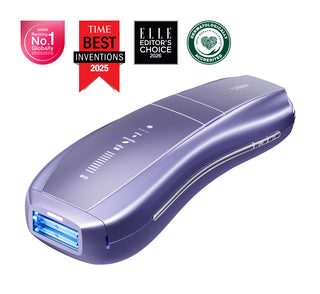


Table of Contents
Quick Answer
Yes—IPL is generally safe to use on the face when the device and settings are matched to your skin tone and the eye area is avoided, but it isn't right for everyone. It works best on Fitzpatrick skin types I–IV with dark, coarse hair, calls for extra caution at Type V, and is not recommended for Type VI, or for anyone who is pregnant, has an active skin infection, or falls under the other contraindications covered below. Devices such as the Ulike Air 10 use a built-in skin-tone sensor to help keep facial sessions within a safer range.
IPL stands for intense pulsed light. Think of it like a bright flash of broad-spectrum light that heats pigment in the hair, which warms the follicle to slow regrowth over time. Used well, it can be a steady, at-home path to less shaving and fewer ingrowns.
This guide breaks down what makes IPL safe, what side effects are normal, who should skip IPL, whether it's OK for the bikini line, what dermatologists say about at-home devices, and how IPL compares with in-clinic laser.
Table of Contents:
- Part 1: What makes IPL safe, and what can go wrong if you use it wrong?
- Part 2: Dermatologist style safety checklist for using IPL at home
- Part 3: IPL vs. laser, pubic hair questions, and the downsides people wish they knew
- Part 4: Frequently Asked Questions
Part 1: What makes IPL safe, and what can go wrong if you use it wrong?
IPL safety comes down to two ideas: the type of light, and the way you use it.
First, IPL uses non-ionizing light, not ionizing radiation. That matters because ionizing radiation can damage DNA. IPL is also not the same as UV tanning exposure. Dermatologist commentary and decades of clinical use have not shown a clear long-term health signal when IPL is used as directed, which is why the “IPL causes skin cancer” claim is widely treated as a myth. The bigger concern is not cancer, it's skin injury from too much heat in the wrong place.
Second, most problems happen when the treatment is mismatched to the person or the moment, for example:
- Using a setting that's too high for your skin tone.
- Treating recently tanned or sunburned skin.
- Flashing the same spot over and over.
- Using IPL while on products or medications that increase light sensitivity.
- Skipping aftercare, then getting sun exposure.
Comfort features can also support safer sessions, because they reduce the urge to “push through” pain and over-treat an area. For example, some at-home devices focus on contact cooling, and Ulike explains its approach in this overview of Sapphire Ice Cooling technology.
It also helps to buy from brands that take testing seriously. Ulike reports a large global patent portfolio (1,000-plus), multiple product safety certifications, and an in-house R&D team of 100-plus experts, which is the type of infrastructure that tends to go with better filters, sensors, and user safeguards.
Which areas of the face can IPL treat?
Many at-home IPL devices are approved for facial hair removal on areas such as the upper lip, chin, and sideburns, where hair is typically coarse and dark enough for the device to target effectively. Some devices also allow treatment on the cheeks and jawline, provided the area passes the device's built-in skin-tone check.
Areas to avoid on the face include the eyebrows, eyelids, and the skin immediately around the eyes, since these zones sit too close to the eye to treat safely. For moles, tattoos, broken skin, or active irritation, see the contraindications above before treating any facial area.
Always check your specific device's manual, since exact approved zones vary by model. If you're comparing specific at-home devices for facial use, see our full guide to IPL hair removal for the face.
Normal side effects vs. warning signs you should not ignore
A normal IPL session often leaves skin looking like it had a brisk workout, a little pink, a little warm, then back to baseline.
Common short-term effects include:
- Mild redness
- Slight swelling around follicles (a “goosebump” look)
- Warmth or mild tenderness
- Itchiness as skin calms down
These usually fade within a few hours, sometimes up to a day or two.
Stop and reassess if you notice warning signs, such as:
- Blistering or strong burning pain
- Scabbing or open sores
- Gray-white patches (possible pigment loss)
- A rash that spreads
- Pus, increasing swelling, or fever (possible infection)
What to do right away: cool compress for 10 to 15 minutes, stop treatments on that area, don't pick, and contact a clinician if symptoms are intense, worsening, or not improving.
The biggest safety risks: skin tone, medications, and settings
The highest risk group is people whose skin absorbs more of the light. Darker skin tones contain more melanin, and melanin absorbs light energy. That can mean more heat in the skin, which raises the chance of burns and post-inflammatory hyperpigmentation (dark marks) if the device and settings aren't appropriate.
Risk reducers that dermatologists often stress:
- Patch test first (wait 24 to 48 hours).
- Start at the lowest comfortable level.
- Use the device's skin tone guidance, and don't guess.
Medication and skincare matter too. Some acne treatments (including isotretinoin in certain time windows), retinoids, strong acids, and some antibiotics can increase sensitivity to light. If you're unsure, ask your prescribing clinician before you flash.
People who should avoid IPL or get medical guidance first:
- Pregnant people (safety data is limited, so many clinicians recommend waiting)
- Active skin infection, cold sores in the area, or open wounds
- Recent sunburn, heavy tan, or self-tanner
- Uncontrolled eczema, psoriasis flare, or severe dermatitis in the area
- History of keloids or abnormal scarring
- Epilepsy triggered by flashing light
- Suspicious moles or lesions that need medical review
- Treatment directly over tattoos or very dark birthmarks (higher burn and color-change risk)
Putting numbers to this, dermatologists and device makers commonly reference the Fitzpatrick scale (Type I to VI) to describe which skin tones suit at-home IPL:
| Fitzpatrick Type | Typical skin description | At-home IPL guidance |
|---|---|---|
| Type I–IV | Pale to light olive/moderate brown skin | Generally considered safe at standard settings |
| Type V | Dark brown skin | Use with caution — lower intensity, more conservative patch testing |
| Type VI | Very dark brown to black skin | Not recommended for at-home IPL |
If you're Fitzpatrick Type VI, at-home IPL isn't recommended—talk with a dermatologist about professional options such as Nd:YAG laser, which is designed for safer use on deeper skin tones.
Evidence Note: This safety tiering draws on clinical literature, including research offering clinical guidance for deeper Fitzpatrick skin types and safety research on home-use light-based devices. For those with deeper skin tones, the professional laser alternative noted above is also backed by clinical research on laser and light-based hair removal in darker skin types and treatment recommendations for ethnic skin.
For the complete breakdown of skin-tone characteristics and sun reaction at each Fitzpatrick level, see our guide on what skin type is best for IPL hair removal devices. If you have sensitive skin, also see our guide to the best IPL device for sensitive skin.
Part 2: Dermatologist style safety checklist for using IPL at home
Dermatologists tend to like IPL when the match is right: dark hair, lighter skin, consistent schedule, and careful sun habits. They also remind patients that home devices are usually lower power than clinics, which can be safer, but also means you need patience.
Use this simple checklist to lower your risk and get steadier results:
- Prep the skin: Clean, dry skin only. No perfume, oils, deodorant, or fragranced lotion on the area.
- Shave, don't pluck: Shave close to the skin so light can target the follicle, not surface hair. Avoid waxing or tweezing beforehand.
- Patch test: One small spot, then wait 24 to 48 hours.
- Protect your eyes: Use the provided eyewear and never flash near the eyes.
- Use a consistent schedule: Treat as directed, then switch to maintenance when regrowth slows.
- Treat the skin gently after: Cool, moisturize, and avoid heat and sun.
If you're comparing methods and asking “what's the healthiest hair removal option,” here's a practical way to think about it:
- Shaving: Usually the lowest risk when done gently, but it's temporary.
- Waxing/threading: Longer-lasting, but can trigger irritation and ingrowns.
- Depilatory creams: Convenient, but they can burn sensitive skin.
- IPL and laser: Can reduce regrowth, but only when the device, settings, and skin type match.
For more background on the science and why pigment matters, Ulike also shares educational material through Ulike Labs.
Before your first session: set yourself up for fewer problems
Good candidates usually have dark, coarse hair, because IPL targets pigment in hair. Very light blonde, red, gray, or white hair often won't respond well.
Do this before you begin:
- Review the contraindications in the manual, and pause if you're on sensitizing meds.
- Avoid tanning and self-tanner for at least a couple of weeks.
- Stop waxing and plucking for several weeks, so the follicle stays in place.
- Shave the area 12 to 24 hours before, then dry skin fully.
- Choose the lowest setting, and increase slowly only if skin stays calm.
- Pick a time when you can watch your skin for the next day.
Aftercare that protects your skin barrier
Aftercare is where many pigment problems start. Heat plus friction plus sun is a rough mix.
Keep it simple:
- Cool the area, then moisturize with a basic fragrance-free lotion.
- Skip hot showers, saunas, and heavy sweating for 24 to 48 hours.
- Avoid harsh scrubs and strong acids for a day or two.
- Wear SPF on exposed areas, even in winter.
If you've had dark marks before, treat sun avoidance like part of the hair removal plan, not a nice extra.
Part 3: IPL vs. laser, pubic hair questions, and the downsides people wish they knew
Laser and IPL both heat pigment in the hair, but they deliver light differently. Laser uses a more focused wavelength (often stronger and more precise in a clinic). IPL uses a range of wavelengths, and at-home devices tend to be gentler, which can mean more sessions and more variation in results.
Is IPL OK for pubic hair? Many at-home devices allow the bikini line and outer areas, but you should avoid mucosal tissue and direct treatment on genitals. Use a lower setting, patch test, and stop if skin reacts. If you're unsure, a professional consult is a safer route for that region.
Downsides of IPL people don't expect:
- You need multiple sessions, then maintenance.
- It's often weak on light hair colors.
- It may be unsuitable for very dark skin tones, depending on device and filters.
- Temporary redness and pigment shifts can happen, especially with sun exposure.
- Rarely, some people see paradoxical hair growth in nearby areas.
What people wish they knew before laser hair removal:
- Laser still takes multiple sessions, and hormones can bring hair back.
- It can be more painful than expected on dense areas.
- Cost adds up, and provider skill matters a lot.
- Burns and pigment changes are possible when settings don't match skin tone.
See a dermatologist before light-based hair removal if you have melasma, frequent hyperpigmentation, hormonal hair growth (like PCOS-related patterns), or you've had a bad reaction before.
Conclusion
IPL hair removal is generally safe when you use it on the right skin and hair type, follow instructions, and respect aftercare. Most side effects are mild and short-lived, and the biggest risks come from treating tanned or darker skin with the wrong settings, ignoring patch tests, or using IPL alongside sensitizing medications.
Start low, patch test, avoid tanning, and treat sun protection like part of the routine. If you're treating sensitive areas, have a deeper skin tone, or manage a skin condition, a clinician's guidance can make the choice clearer and safer.
Part 4: Frequently Asked Questions
Q1: Is it safe to use IPL hair removal on your face?
Yes, in most cases. IPL is generally safe on the face when the device and settings are matched to your skin tone and the eye area is avoided. Skin tone is the main safety factor — see the Fitzpatrick skin-tone guidance above for the full breakdown.
Q2: Which areas of the face should I avoid with IPL?
Avoid the eyebrows, eyelids, and the skin immediately around the eyes, since these areas are too close to the eyes to treat safely. Also avoid moles, tattoos, and any broken or inflamed skin on the face.
Q3: What skin tone is safe for facial IPL?
Fitzpatrick Type I–IV skin is generally considered safe for standard at-home IPL settings, Type V calls for extra caution, and Type VI is not recommended for at-home IPL. See our Fitzpatrick skin type guide for the complete chart.
Q4: Can I use IPL on my upper lip or chin?
Yes — the upper lip and chin are standard, routinely approved treatment areas for at-home IPL. See our upper lip and chin hair removal guide for the full process, cost, and side effects.