


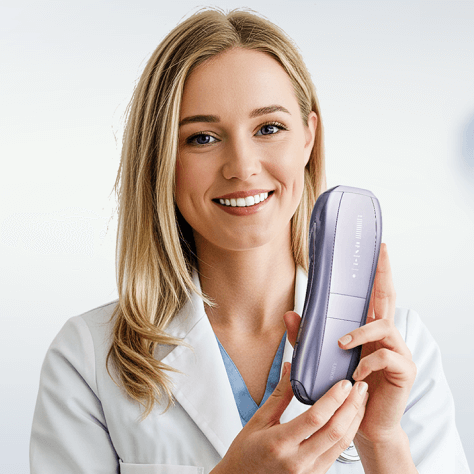


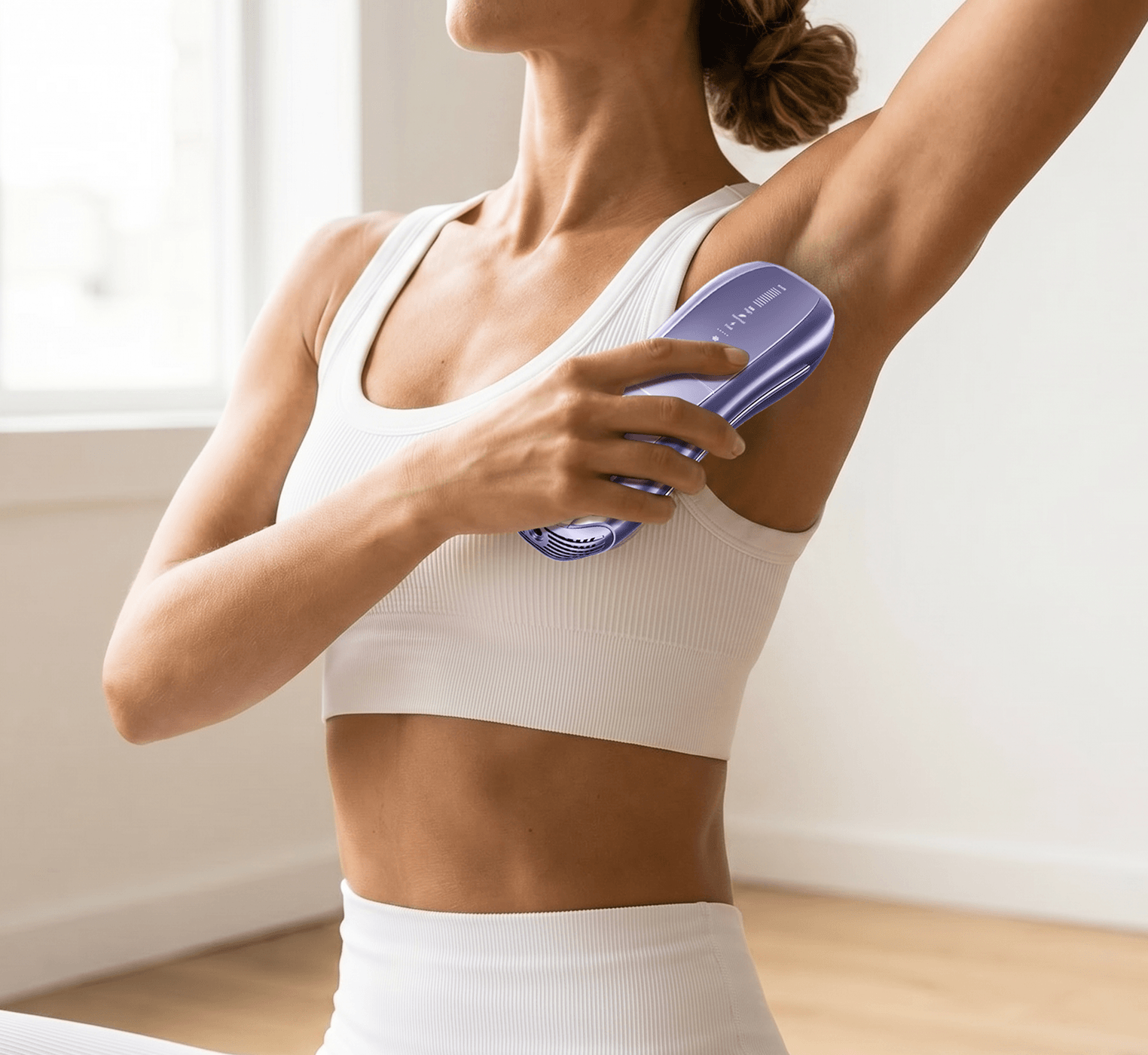
Ulike Air 3 vs Air 10 for Sensitive Skin: Which Feels Better?

Sensitive skin doesn't forgive bad device choices for at-home laser hair removal. If heat, stinging, or post-treatment redness worry you, the gap between Ulike Air 3 vs Air 10 matters more than it might on paper.
The short version is simple: Air 10 is the better fit for most sensitive-skin users, delivering gentler IPL hair removal and visible hair reduction, while Air 3 still makes sense if your skin tone and hair color are a straightforward match and your budget is tighter. The details below show why that split happens.
Key Takeaways
- Air 10 is the better choice for most sensitive skin users, thanks to Sapphire ice-cooling, SmartSkin tone sensor, and SHR mode for gentler, lower-energy pulses that reduce heat buildup and sting on reactive areas like underarms or bikini line.
- Air 3 works well for budget buyers with lighter skin tones, dark hair, and simpler routines, offering solid ice-cooling and comfort for smaller areas if you follow settings carefully.
- Both devices are FDA cleared and target dark hair on lighter skin best, but Air 10 adds automation to prevent treatment mistakes that sensitive skin hates.
- Technique matters most: shave first, patch test, start low, and avoid irritated skin for painless sessions with either model.
- Choose Air 10 for gentleness and speed on mixed tones or coarse hair; pick Air 3 if value trumps extra safeguards.
The differences that matter most for sensitive skin
When people compare the Ulike Air 3 vs Air 10, they often focus on speed or power. Sensitive skin needs a different checklist for IPL hair removal. Comfort comes down to cooling, how the device handles skin tone safely, and how intense each flash feels over time.
This quick table keeps the comparison practical:
| Feature | Ulike Air 3 | Ulike Air 10 |
|---|---|---|
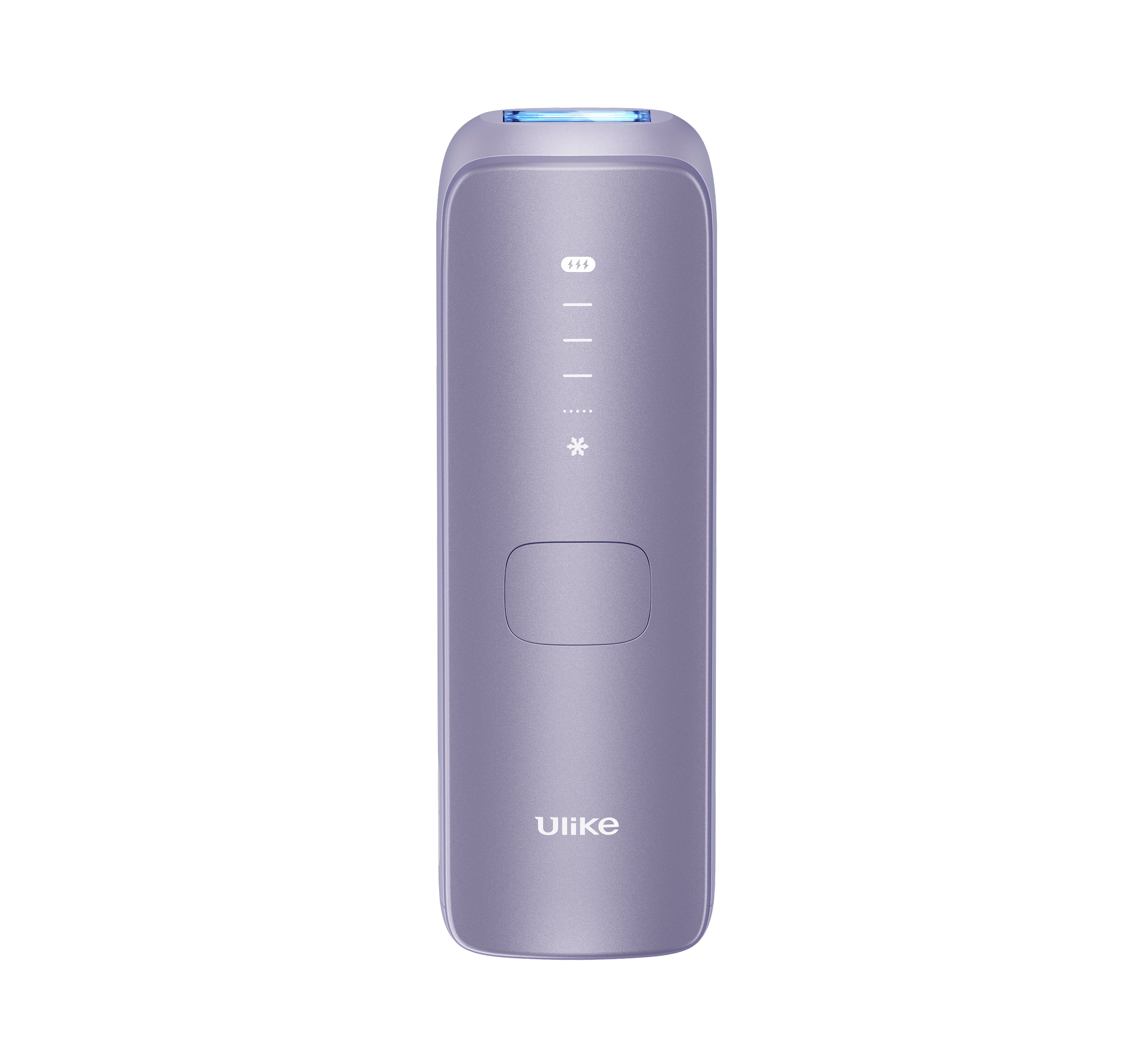
| Cooling comfort | Ice-cooling system designed to reduce sting | Sapphire ice-cooling technology with a larger cooling area |
| Skin tone safety | Manual selection for Fitzpatrick skin types | SmartSkin technology with skin tone sensor detecting melanin pigment |
| Pulse style | Traditional IPL pulse | SHR-style lower-energy repeated pulses with multiple treatment modes |
| Best match | Beginners, smaller areas, simpler routine | Reactive skin, mixed treatment areas, coarse hair |
| Session feel | Usually comfortable for IPL hair removal, but can sting more on thin skin | Usually gentler at higher settings |
| Main tradeoff | Fewer automatic safeguards like skin contact sensor | Higher cost and more features than some users need |
That table points to the main truth. Air 3 can still feel comfortable, especially on legs or arms if your skin tolerates IPL hair removal well. Air 10, however, adds more ways to prevent that "too much, too fast" moment that sensitive skin hates.
Based on current published comparison details, both devices are FDA cleared for at-home laser hair removal and both use cooling to reduce discomfort. They also work best when hair is darker than the surrounding skin. Air 10 stands out because it adds more automation around safety and comfort, and it is dermatologist recommended.
If your skin tone shifts by area, for example lighter on legs and darker on underarms or along the jaw, Air 10 has a clear edge. That kind of variation is where manual guesswork gets risky.
Why Air 10 usually feels gentler in real use
Air 10 tends to win on comfort because it tackles the three things sensitive skin reacts to most: heat buildup, pulse shock, and treatment mistakes.

The first advantage is cooling. Air 3 already has a strong reputation for keeping skin comfortable, but Air 10's Sapphire ice-cooling technology feels calmer on thin or reactive areas. That matters on the upper lip, bikini line, pubic area safety, and underarms, where even a small rise in heat can feel sharp.
The second advantage is the skin tone sensor. Air 3 asks you to check a tone chart and choose correctly. Air 10's SmartSkin technology with skin tone sensor checks more actively during use, then adjusts or blocks flashes when needed. For sensitive skin, that isn't a luxury feature. It's a brake pedal.
The third comfort upgrade is SHR Mode. Instead of relying only on a stronger single pulse with higher energy output, Air 10's SHR Mode powered by dual-light technology uses rapid, lower-energy output flashes that build heat more gradually. On coarse hair for stubbborn hair removal, that often feels smoother than one stronger hit. If you've ever had a device feel fine on legs but harsher on underarms, this is the feature most likely to change that.
For reactive skin, fewer surprises matter more than extra power.
Air 10 is also faster, thanks to dual-light technology. A bigger treatment window size and quicker flash speed mean less time pressing a hot device against skin during full body treatment. That won't change how each flash feels, but it can reduce the overall irritation some people notice after long sessions.
Independent comparison roundups, including Zoopy's Air 10 vs Air 3 review and Buying Expert's Ulike device comparison, also point to the same pattern: Air 10 is the more comfortable pick for sensitive users, especially when skin tone varies or hair is more stubborn.
The tradeoff is clear, though. More comfort features usually mean a higher price. If your skin is only mildly sensitive, Air 10 may feel like extra insurance rather than a strict necessity.
Why Air 3 still makes sense for some sensitive-skin users
Air 3 shouldn't be written off as the "old" choice. For the right person, it's still the better buy, especially with its appealing aesthetic design.
If your skin is on the lighter side, your hair is dark, and you're treating a few areas rather than your full body, Air 3 may be enough. Its cooling system is still one of the reasons many people found at-home IPL hair removal less intimidating in the first place. Sessions are usually comfortable, and many beginners like the simpler setup for at-home laser hair removal.
That simplicity matters more than people admit. Sensitive skin can get stressed by user error as much as by device intensity. A device with fewer decisions can feel easier to trust, especially if you're new to IPL hair removal and want a calm learning curve.
Air 3 also fits people who don't need the extras. If you aren't treating coarse underarm hair, if you don't have mixed skin tones across areas, and if you don't mind starting slowly, the experience can be smooth. You give up automation, but you may save money and still get good long-term results through hair density reduction that targets hair follicles.
Still, Air 3 asks more from you. You need to be careful with the skin tone chart for Fitzpatrick skin types, avoid recently tanned skin, and stay conservative with settings. Sensitive skin doesn't pair well with guesswork, so discipline matters more here.
If you're still comparing device types and not only these two models, Ulike's broader IPL hair removal device comparisons can help you see where these handsets sit in the wider at-home market.
So, Air 3 is the value pick, not the comfort winner. For some buyers, that's still the right answer.
The best results depend on how you use the device
Model choice matters, but technique matters almost as much for painless sessions. Sensitive skin can react badly even to a good device if you rush the setup.
Start with a patch test on a small area and wait the time recommended by the brand before full body treatment. Shave first, then work on clean, dry skin. Don't wax or tweeze before IPL because the light needs to target the melanin pigment in the hair root during the anagen growth phase to do its job.
Also, don't treat broken skin, sunburn, active irritation, or areas with a rash. If you're using strong exfoliants, retinoids, or acne treatments, read the device guidance carefully before treatment. The problem isn't only discomfort. Irritated skin can become more reactive afterward.
Use the lowest setting that feels comfortable at first in the available treatment modes. Then move up only if your skin stays calm. Utilize auto-glide mode to navigate sessions effectively. More intensity is not always better, especially when you're treating the face or bikini line with pubic area safety in mind.
A few practical rules help sensitive skin most:
- Keep the device flat against skin to activate the skin contact sensor so the flash stays even with UV filter protection.
- Avoid repeated passes over the same spot in one session.
- Stop if you feel sharp pain, not mild warmth or brief tingling.
- Moisturize afterward if the brand says post-treatment lotion is okay.
- See a dermatologist first if you have eczema, rosacea, melasma, frequent hives, or a history of pigment changes, even with FDA cleared devices.
Current price, bundle offers, and warranty terms can change by retailer and promotion, so check the current listing before you buy. That's especially important if you're deciding whether Air 10's added comfort tools are worth the extra cost.
For readers who want a wider buyer's view, this at-home IPL buyer's guide gives more context on how home devices differ in design and use.
Which one should you buy?
For at-home laser hair removal on sensitive skin, if your top priority is gentleness, Air 10 is the better choice. Its SHR Mode optimizes energy output for stubborn hair removal with less of a harsh pulse feel, while it cools better and uses SmartSkin technology to check skin tone more actively. That's the safer bet for reactive skin, mixed-tone areas, or users who want more guardrails.
If your top priority is value, Air 3 still deserves a look. It works best for lighter skin tones with dark hair, targeting hair follicles effectively for painless sessions in smaller treatment areas, and for people who are happy to follow the instructions closely. It can feel comfortable, but it gives you less built-in protection.
If your top priority is speed and full-body convenience, Air 10 pulls ahead again. A larger treatment window size and faster flash speed make full body treatment quicker, so shorter sessions often mean less overall skin stress, especially if long treatments leave you red or warm afterward.
A simple rule helps. Choose Air 3 if your skin profile is straightforward and cost matters most. Choose Air 10 if your skin is easily bothered and you'd rather pay more for comfort, speed, and extra safety checks.
Frequently Asked Questions
Which device is gentler for sensitive skin, Air 3 or Air 10?
Air 10 feels gentler overall for sensitive skin due to its Sapphire ice-cooling with a larger area, SmartSkin sensor for automatic tone adjustments, and SHR mode's rapid low-energy pulses. Air 3 is comfortable with its ice-cooling but relies more on manual settings, which can lead to sting on reactive spots. For reactive or mixed-tone skin, Air 10's safeguards make it the safer, calmer pick.
Can the Air 3 handle sensitive skin effectively?
Yes, Air 3 suits mildly sensitive skin on lighter tones with dark hair, especially for legs or arms, as its cooling reduces discomfort during IPL sessions. It requires careful Fitzpatrick chart selection and conservative settings to avoid irritation. Beginners appreciate its simplicity, but it's less forgiving than Air 10 on thin or stubborn areas.
What's the main advantage of Air 10's SHR mode for hair removal?
SHR mode on Air 10 uses repeated lower-energy flashes instead of strong single pulses, building heat gradually for smoother comfort on coarse hair without the sharp shock sensitive skin dislikes. This makes it ideal for underarms, bikini, or face where traditional IPL can feel harsher. It also speeds up sessions with dual-light tech for less overall skin stress.
Do both devices work on all skin tones?
Both are safest on lighter skin with darker hair, as IPL targets melanin in follicles, but Air 10's skin tone sensor actively detects and adjusts to prevent burns on varying tones. Air 3 needs manual selection via Fitzpatrick chart, so guesswork risks issues on darker or shifting areas. Avoid tanned or very dark skin with either to stay safe.
How should I prepare for treatments on sensitive skin?
Shave the area first, patch test on a small spot, and treat clean, dry skin at the lowest comfortable setting. Avoid sun exposure, waxing, or irritants like retinoids beforehand, and stop if sharp pain occurs. Moisturize post-treatment if recommended, and consult a dermatologist for conditions like rosacea.
Final thoughts
For sensitive skin, the better device is usually the one that keeps you consistent with your IPL hair removal routine. Air 10 has the stronger case because its Sapphire ice-cooling technology reduces the two biggest problems at home, heat and guesswork.
Air 3 still has a place, and it can be a smart buy for the right user. But if your skin reacts fast, if you plan to treat several areas, or if you want the gentlest path to visible hair reduction and long-term results, Air 10 is the easier device to live with; it also offers efficient power consumption and a sleek aesthetic design.
IPL After Sun Exposure: When to Wait and Restart Safely
Can You Use IPL on Fake Tan? What to Know First
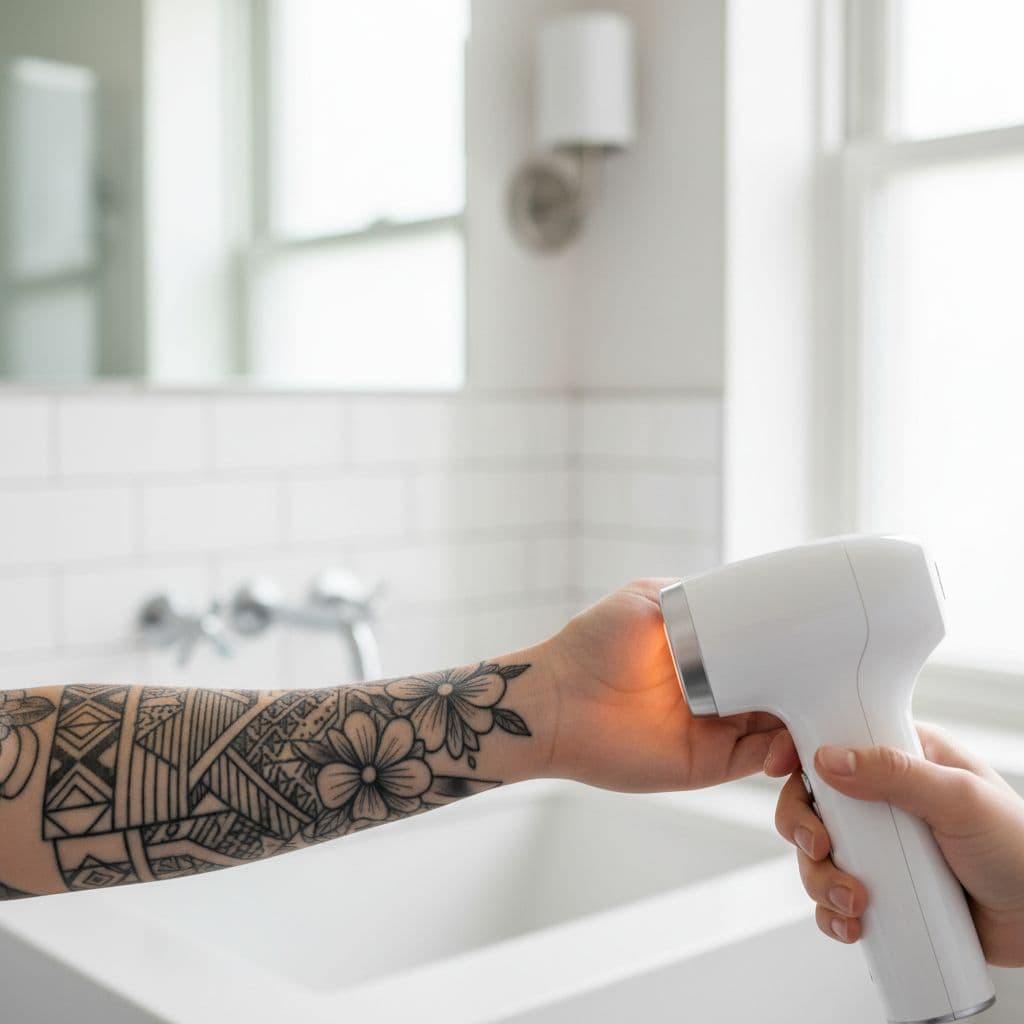
IPL on Tattoos: Why the Answer Is Usually No
Need guidance?

Get a free one-on-one consultation
Explore Beauty
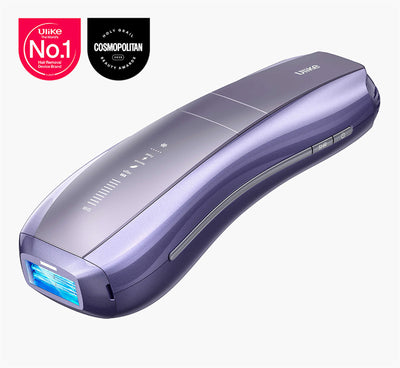
Ulike Air 10
2 weeks to silky smooth skin.
96% Hair Density Reduction in 2 Weeks
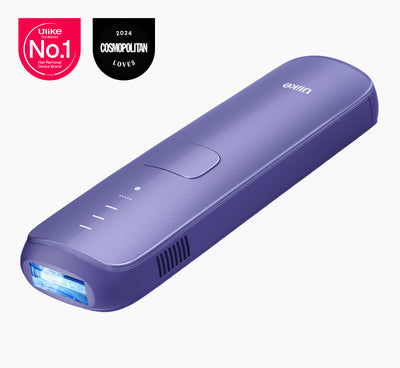
Ulike Air 3
3 weeks to silky smooth skin.
93% Hair Density Reduction in 4 Weeks
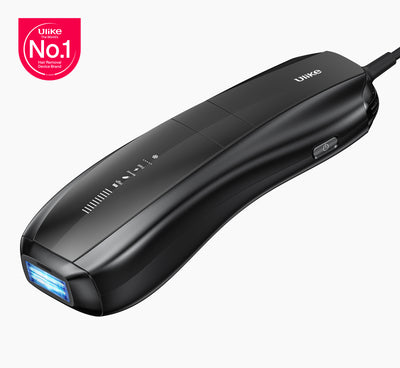
Ulike X
3 weeks to silky smooth skin.
94% hair reduction in just 2 weeks*
Ulike Reglow
Clearer skin in 2 weeks: Fewer breakouts
Smoother skin in 4 weeks: Fewer lines, firmer feel