









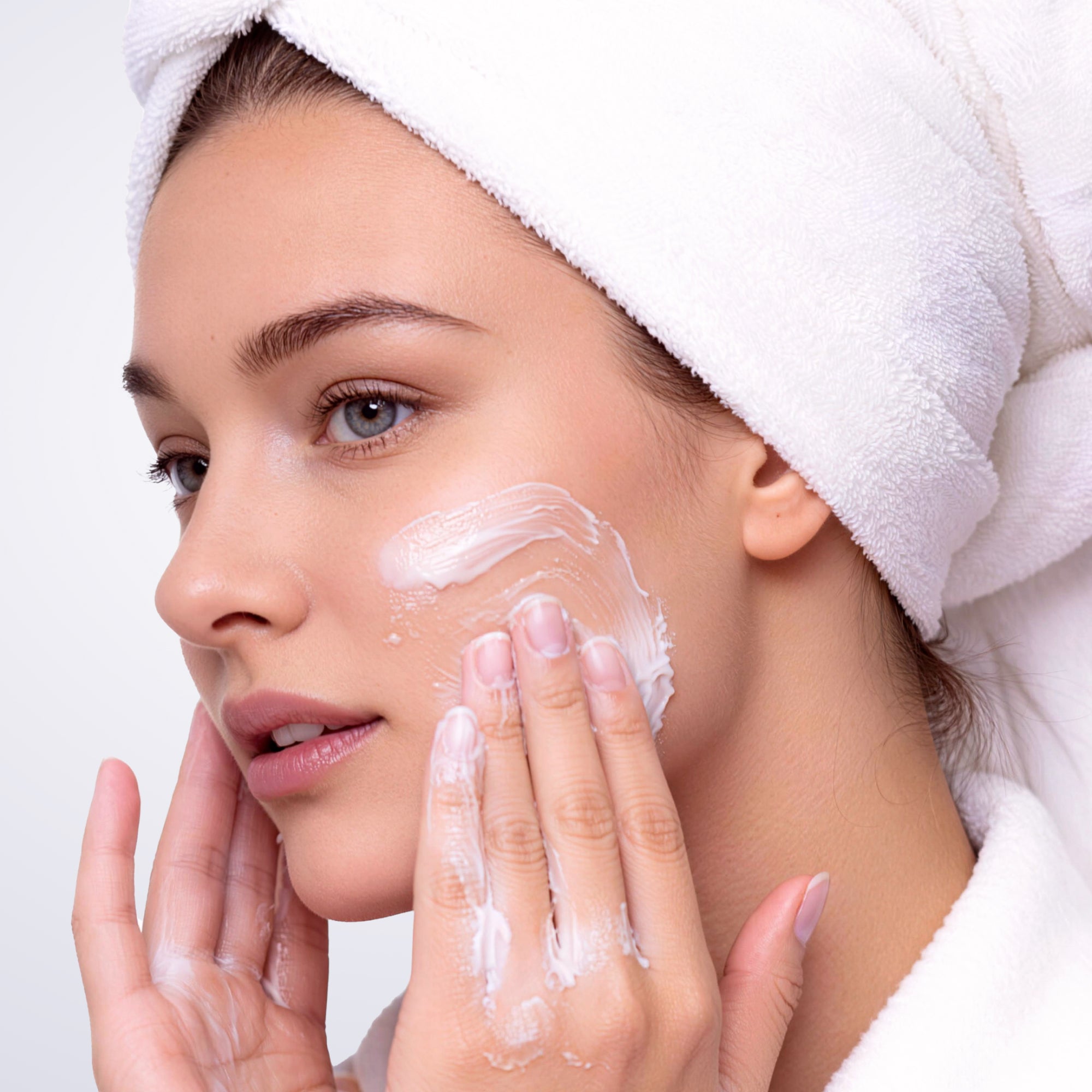
Should Women Shave Their Face? Pros, Cons, and IPL Hair Removal Options

A lot of women shave their face and never mention it. That's part of why the topic feels bigger and stranger than it is.
The truth is pretty simple: facial shaving can smooth peach fuzz, remove some dead skin, and help makeup sit better. It can also irritate the wrong skin, trigger ingrown hairs, and hide a bigger issue if dark facial hair suddenly shows up or starts getting worse. Here's how to tell the difference.
Why facial shaving isn't as unusual as it sounds
People still repeat the beauty legend that Marilyn Monroe and Elizabeth Taylor shaved their faces. There's no solid proof behind the story, but it stuck around for a reason. Facial shaving isn't some rare secret. Plenty of women do it.
Every woman has facial hair. Some of it is so fine you only notice it in bright daylight or a magnifying mirror. Some of it is darker, thicker, and more obvious around the lip, chin, sideburns, or neck.
That's why face shaving can feel so useful. It removes surface hair fast, and it also works like a mild physical exfoliation. Skin can look brighter, feel cleaner, and give makeup less texture to cling to. Foundation often goes on smoother when it isn't catching on peach fuzz.
Still, "common" doesn't mean "risk-free." Smooth skin sounds great. Nicks, irritation, and ingrown hairs don't. If you're still weighing shaving against other options, this guide to facial hair removal gives a wider look at what works for different hair types and goals.
The two kinds of facial hair matter more than you think
Before you decide whether shaving is a good idea, it helps to know what kind of hair you're dealing with. Not all facial hair behaves the same way, and not all removal methods treat it the same way either.
Vellus hair is the peach fuzz most women notice first
Vellus hair is the soft, almost invisible "peach fuzz" that covers much of the face and body. It's fine, light, and usually translucent. Up close, you may see it on the cheeks, forehead, upper lip, lower lip, chin, neck, and sideburn area.
This hair isn't useless. It helps with temperature regulation and sweat evaporation. In other words, it's part of normal skin function, not some random cosmetic flaw.
When women talk about shaving their face for smoother makeup or a brighter look, this is often the hair they're talking about. Removing vellus hair can give skin that fresh, polished feel because you're taking away fuzz and dead surface cells at the same time.
Terminal hair is the darker, thicker hair that gets more attention
Terminal hair is different. It's thicker, darker, and easier to see. Some women get it on the upper lip, lower lip, sideburns, neck, or chin.
This is usually the hair that causes the most frustration because it doesn't blend in the way peach fuzz does. It also feels different when it grows back after shaving. The blunt edge can make it seem rougher, even when the hair itself hasn't changed.
That difference matters. Vellus hair is fine and light. Terminal hair is coarser and darker. Shaving can remove both, but your results, your maintenance routine, and the way the regrowth feels won't be the same.
What shaving can do for your skin, and what it can't
The upside of shaving is easy to understand. It's fast. It's cheap. It removes hair right away. And because the razor also scrapes off dead skin cells, your face may look a little brighter afterward.
For some women, that exfoliating effect is the whole appeal. Skin feels smoother. Makeup applies more evenly. Dry, flaky buildup can look less obvious. If your skin handles exfoliation well, shaving can be a practical part of your routine.
The catch is that shaving doesn't change the hair follicle. It only cuts the hair at the surface.
Shaving doesn't make facial hair grow back darker or thicker. It changes how the cut hair feels when it grows back.
That's the myth people trip over. A blunt tip feels stubbly, so it can seem like the hair got coarser. It didn't. The texture changed because of the cut edge, not because shaving altered the color or thickness of the hair.
There are real downsides, though. Shaving can irritate sensitive skin. It can lead to small cuts. Some women get ingrown hairs, especially with terminal hair. If you use too much pressure, go against the grain, or shave over inflamed skin, the "glow" part disappears fast.
When your skin should sit this one out
Facial shaving isn't a great match for everyone. If your skin is already irritated, shaving can pile on more friction and make things worse.
That matters even more if you have a skin condition like eczema, psoriasis, or inflamed acne. A razor can increase discomfort, break the skin barrier, and raise the chance of infection. The same goes for sensitive skin or any area with redness, raw patches, or active irritation.
A quick gut check helps before you pick up a razor:
- Your skin is red, burning, or peeling.
- You have active breakouts that are raised and tender.
- You have eczema or psoriasis patches on the areas you want to shave.
- The skin already stings when you wash it or apply skincare.
If that sounds like your face right now, skip the razor. If your skin is clear, calm, and usually tolerates exfoliation well, shaving may be fine. The condition of your skin matters more than the trend.
How to shave your face without irritating it
Facial shaving is not the same as shaving your legs, and it definitely isn't the same as a man's morning shave. The skin is more delicate, the hairs are finer, and the margin for error is smaller.
A safer routine looks like this:
- Start with clean, fully dry skin. Many women shave the face dry, without cream or foam. If dry shaving makes your skin sting, use a light layer of shaving gel, lotion, or cream instead.
- Use the right tool. A straight-edge, single-blade razor made for facial use is the safest bet. These are often sold as eyebrow razors or dermaplaning tools.
- Make sure the blade is sharp. A dull razor drags. Dragging leads to irritation, skipped spots, and accidental nicks.
- Hold the skin taut and keep the angle shallow. Aim for about a 45-degree angle. Use short, light strokes and as little pressure as possible.
- Shave with the grain. Going against the direction of growth may feel like a closer shave, but it raises the chance of irritation and ingrown hairs.
- Rinse the blade after every stroke. That keeps hair and skin buildup from dragging across your face.
- Stay away from the eye area unless you're totally confident. The risk isn't worth it if your hand isn't steady.
- Rinse and moisturize right after. Freshly shaved skin can lose water fast, so don't leave it bare.
The big idea is simple: think precision, not speed. Facial shaving should feel more like careful cleanup than a rushed shower routine.
If shaving feels too temporary, compare waxing, laser, and IPL hair removal
Some women love shaving because it's quick. Others get tired of repeating it. If you don't want to deal with facial hair that often, it makes sense to compare longer-lasting options.
That's also where the conversation around best ways to remove facial hair for women starts to widen. Shaving is only one lane. Waxing, laser, and at-home IPL hair removal all come with a different balance of comfort, cost, and upkeep.

Waxing lasts longer, but it asks more from your skin
Waxing removes hair from the root, not the surface. That means results usually last longer than shaving.
The tradeoff is discomfort. For some people, face waxing is manageable. For others, it's painful. It can also cause irritation, ingrown hairs, and the usual side effects of face waxing, especially on sensitive skin.
There's one more issue many women hate: the waiting period. Hair usually needs to be about 1/4 inch long for wax to grab it well. If you're already self-conscious about darker facial hair, letting it grow out that much can feel like the hardest part.
Laser hair removal is a longer-term option, but not for peach fuzz
Laser hair removal is a professional treatment, usually done by a dermatologist or licensed aesthetician. It can give women with terminal facial hair much longer-lasting results than shaving or waxing.
Laser works by targeting pigment in the follicle. That's why it tends to work best when the hair is darker than the surrounding skin. It's also why vellus hair, which is light and translucent, usually isn't a good target.
The downside is cost. Laser can get expensive, and it takes a series of visits. For the right person, that may still be worth it because the reduction can last for years. If you're comparing timelines, this explainer on how long laser hair removal can last helps set expectations.
Where IPL hair removal fits in
If you want something more lasting than shaving but don't want in-office laser, this is usually where IPL hair removal enters the chat. People who are tired of constant touch-ups often start by looking at long-lasting facial hair removal without laser.
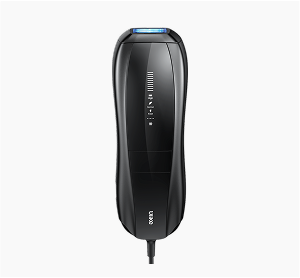
At-home IPL sits in a middle ground. It's light-based like laser, but it's built for home use rather than a clinic. That has made it a popular option for people who want more flexibility in their routine. The category has also grown up a lot. Ulike, for example, says it has spent more than 10 years on IPL research and sold millions of devices worldwide, which gives you a sense of how mainstream home-use light hair removal has become. Some devices also use cooling features to make sessions feel more comfortable on the skin.
Still, peach fuzz is not the same as darker facial hair. If your main concern is fine vellus hair, shaving may still be the simpler fit. Light-based options are usually part of the conversation when thicker, more pigmented hair is the bigger issue.
This quick comparison helps show where each method stands:
| Method | How it removes hair | Best fit | Main drawback |
|---|---|---|---|
| Shaving | Cuts hair at the skin's surface | Fast cleanup of peach fuzz and some terminal hair | Short-lived results, irritation is possible |
| Waxing | Pulls hair from the root | Longer breaks between sessions | Pain, irritation, visible regrowth needed |
| Laser | Uses targeted light in the follicle | Longer-term reduction for darker facial hair | Higher cost, office visits, not for vellus hair |
| IPL | Uses broad-spectrum light, often at home | People who want a longer-lasting option than shaving | Takes consistency, and peach fuzz may not be the best match |
The pattern is pretty clear. Shaving wins on speed. Waxing wins on staying power over shaving. Laser and IPL are what people compare when daily or weekly maintenance starts to feel annoying.
When extra facial hair may point to something else
Some facial hair is completely normal. Some of it runs in families. Genetics and ethnic background can play a big role in how much facial hair a woman has and where it shows up. That alone doesn't mean something is wrong.
But if you have more dark or coarse hair than usual, or you notice a sudden change, it's worth paying attention. Excess facial hair can sometimes be linked to hormones or a medical condition. This overview of excess or unwanted hair in women explains the bigger picture.
A few common examples include:
- PCOS is a hormonal condition linked to insulin resistance. It can bring extra facial and body hair, irregular periods, acne, weight gain, infertility, and scalp hair thinning.
- Congenital adrenal hyperplasia is a group of inherited adrenal disorders. It affects hormones such as cortisol and aldosterone. The NCBI overview gives more medical detail.
- Cushing's syndrome happens when cortisol levels are too high.
- Menopause and perimenopause can bring new hair growth on the chin, upper lip, ears, or sideburns because hormone levels shift and estrogen drops.
Here's the part that matters: if the hair is new, suddenly darker, or growing along with other symptoms, don't treat it like a simple grooming problem. A doctor may be able to explain why it's happening and offer treatment that lasts longer than another pass with a razor.
The right choice depends on your skin, your hair, and your tolerance for upkeep
Facial shaving is common, and for a lot of women it's a perfectly practical way to remove peach fuzz and smooth the skin. It can brighten the face a bit, help makeup sit better, and give quick results when your skin is calm enough to handle it.
What it can't do is fix every kind of hair concern. If your skin is inflamed, shaving may backfire. If your facial hair is darker, thicker, or suddenly changing, the better question may not be "Should I shave?" but "Why is this happening, and would waxing, laser, or IPL hair removal make more sense for me?"

IPL for Hormonal Hair Growth: What It Can and Can't Do

IPL for PCOS Facial Hair: What Works, What Doesn't
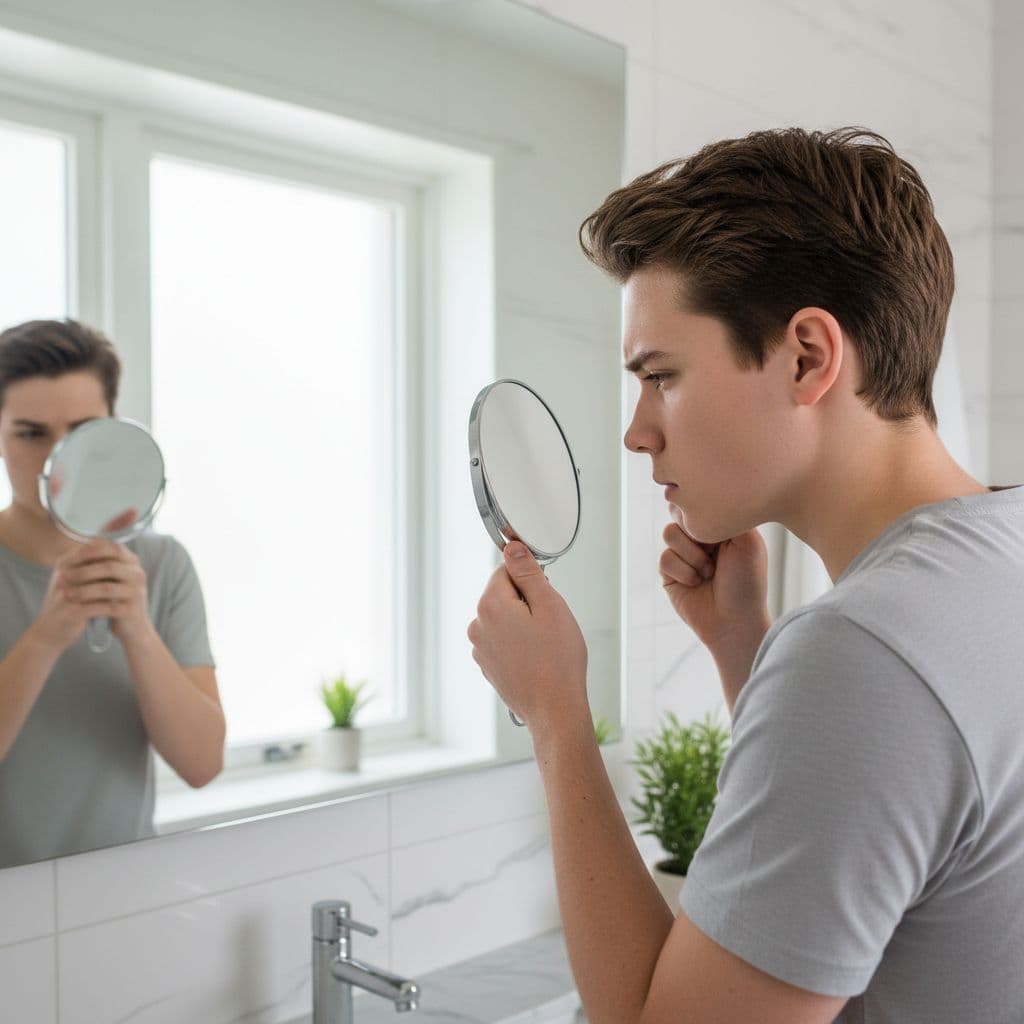
Can You Use IPL on Freckles?
Need guidance?

Get a free one-on-one consultation
Explore Beauty

Ulike Air 10
2 weeks to silky smooth skin.
96% Hair Density Reduction in 2 Weeks
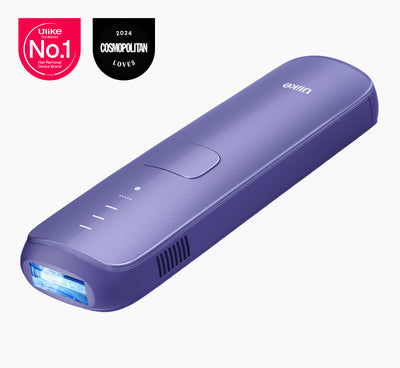
Ulike Air 3
3 weeks to silky smooth skin.
93% Hair Density Reduction in 4 Weeks
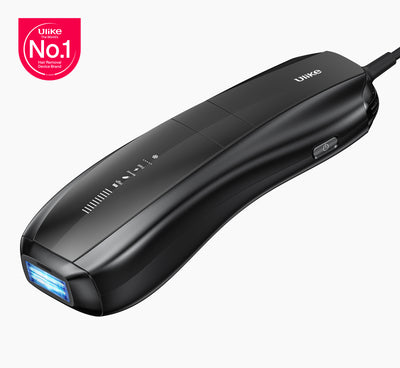
Ulike X
3 weeks to silky smooth skin.
94% hair reduction in just 2 weeks*
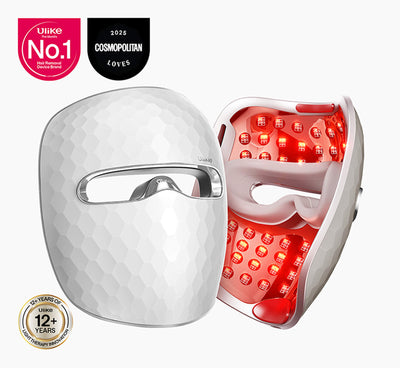
Ulike Reglow
Clearer skin in 2 weeks: Fewer breakouts
Smoother skin in 4 weeks: Fewer lines, firmer feel